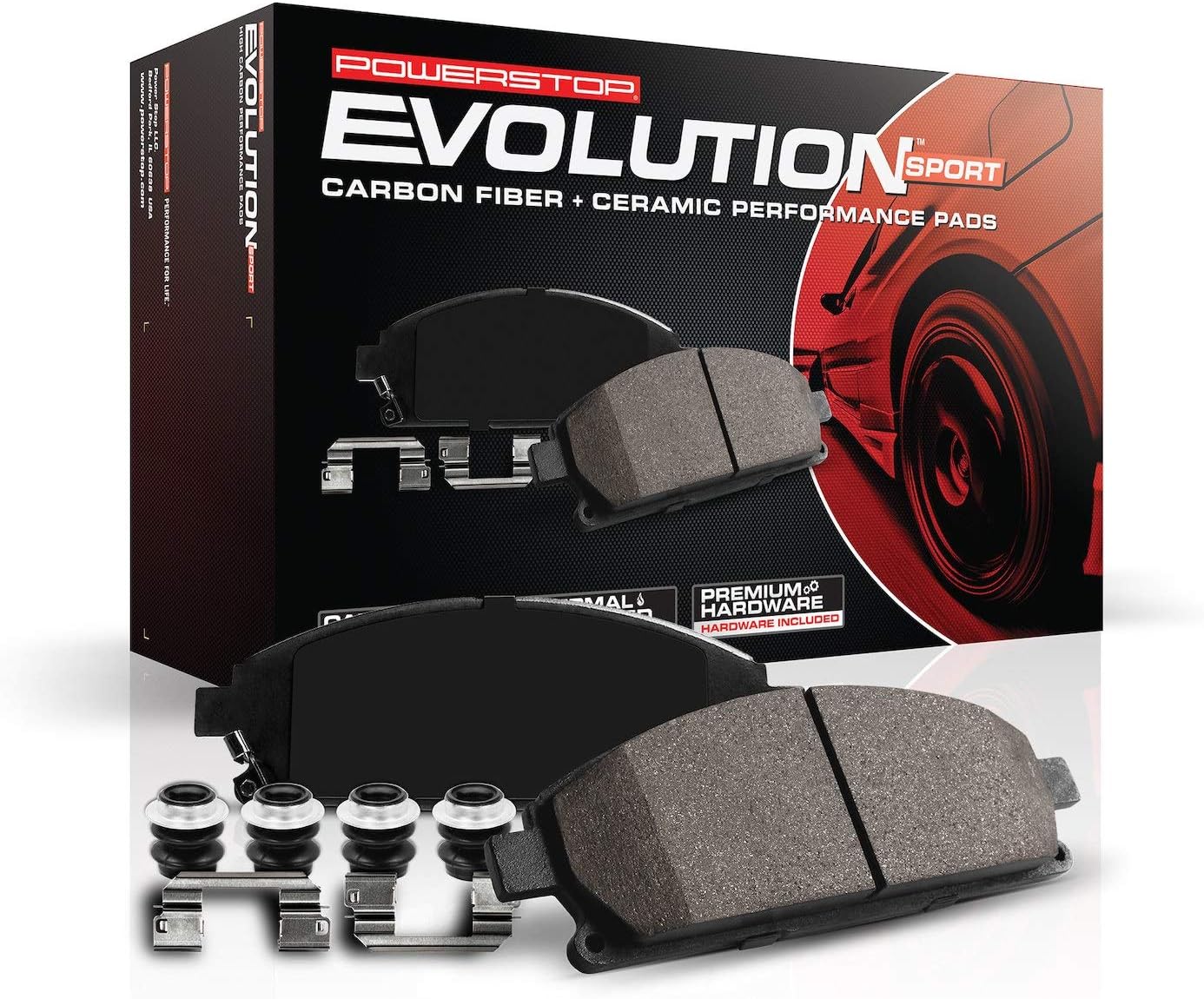
Power-Stop
Power Stop Z23-1274 Rear Z23 Evolution Sport Carbon Fiber Infused Ceramic Brake Pads with Hardware
See current price

Compare brake system parts and accessories by vehicle fitment, construction, dimensions, and installation requirements. Review the specifications that matter before clicking through to Amazon.
3 products in catalog
3 results
Power-Stop
See current price

Power-Stop
See current price
A brake system component needs to match the vehicle, braking setup, and intended use. Whether you are replacing a worn part, refreshing the appearance of the brakes, or building a broader performance project, careful fitment research helps avoid incompatible parts and installation problems.
This K-Catalog page is part of the Performance Parts & Accessories section. Use the product specifications to compare the available options, then check the current listing details on Amazon before purchasing.
Start with exact vehicle compatibility. Check the year, make, model, trim, engine configuration, drivetrain, and axle position where applicable. Similar vehicles can use different brake components, and even a small fitment difference may prevent proper installation.
Consider the purpose of the part as well. A replacement component should match the existing brake system, while an appearance-focused accessory may need to clear the caliper, wheel, and other surrounding hardware. For a modified vehicle, confirm that the selected part works with the rest of the braking setup rather than evaluating it in isolation.
Before ordering, compare:
Brake system products can serve different roles, so the product title and specifications deserve close attention. Replacement-oriented parts are generally selected for fit and function, while cosmetic accessories are chosen to change the visible appearance of brake hardware. Some products may be designed for a particular caliper shape or vehicle application.
If the catalog listing does not clearly answer a fitment question, compare the manufacturer information with the vehicle’s original equipment details. Do not rely only on a general description or photographs, since similar-looking components may have different dimensions or mounting requirements.
Brake work may also be part of a larger vehicle project. Shoppers comparing handling-related components can browse Shocks, Struts & Suspension, while broader engine and driveline projects may involve Engines & Engine Parts or the Fuel System.
Fitment information is usually the first priority. Look for a complete application list and verify that it covers the exact vehicle configuration. If the product is intended for a specific caliper or brake package, match that information carefully.
Measurements and clearance matter for parts installed near wheels and suspension components. Compare overall dimensions, mounting locations, caliper clearance, wheel clearance, and any stated installation limitations. A component that fits the vehicle generally may still be unsuitable with aftermarket wheels or other modifications.
Construction and finish can influence appearance, durability, and maintenance needs. Review the listed material, coating, finish, and resistance information without assuming that a particular finish changes braking performance. For appearance accessories, inspect how the product attaches and whether it covers or surrounds original hardware.
Installation details should include what is supplied, what must be reused, and whether professional installation is recommended. Brake components are safety-related, so follow the manufacturer’s instructions and verify that all hardware is secured correctly after installation.
The brake system catalog includes products from Power-Stop and MGP Caliper Covers. These brands may represent different product approaches, so compare each listing’s application information, construction, dimensions, finish, and installation requirements rather than choosing by brand name alone.
For related vehicle systems, K-Catalog also includes Exhaust Systems & Parts, Ignition & Electrical, and Filters. Reviewing connected categories can help organize a larger maintenance or performance-parts project, but each component should still be checked for its own compatibility.
Before installation, compare the new part with the component being replaced and inspect the surrounding area for damage, corrosion, or interference. Clean mating surfaces as directed and use only the supplied or specified hardware. Avoid modifying a brake component to make it fit unless the manufacturer explicitly provides an approved procedure.
After installation, check for movement, rubbing, loose hardware, and adequate clearance through the full range of wheel and suspension movement. Any change in brake feel, noise, vibration, warning lights, or stopping behavior should be addressed promptly by a qualified technician. Follow the vehicle and product instructions for inspection, bedding, and ongoing maintenance.
Compare the exact vehicle year, make, model, trim, axle position, and brake configuration with the product’s application information. Also confirm dimensions and clearance.
Many brake products are application-specific. A product that fits one caliper, wheel, or vehicle configuration may not fit another, so do not assume universal compatibility from appearance alone.
Prioritize vehicle fitment, axle position, dimensions, mounting method, materials, clearance, included hardware, and installation requirements.
Brake work affects vehicle safety. Follow the manufacturer’s instructions, and use a qualified technician when the installation requires specialized tools, procedures, or fitment verification.
They can require additional clearance around the caliper and wheel. Check the listed dimensions and verify clearance before installation, particularly with aftermarket wheels.
Confirm that hardware is secure, components do not rub, and wheels and suspension move without interference. Follow the manufacturer’s inspection and operating instructions before normal driving.