PURINA Fancy Feast
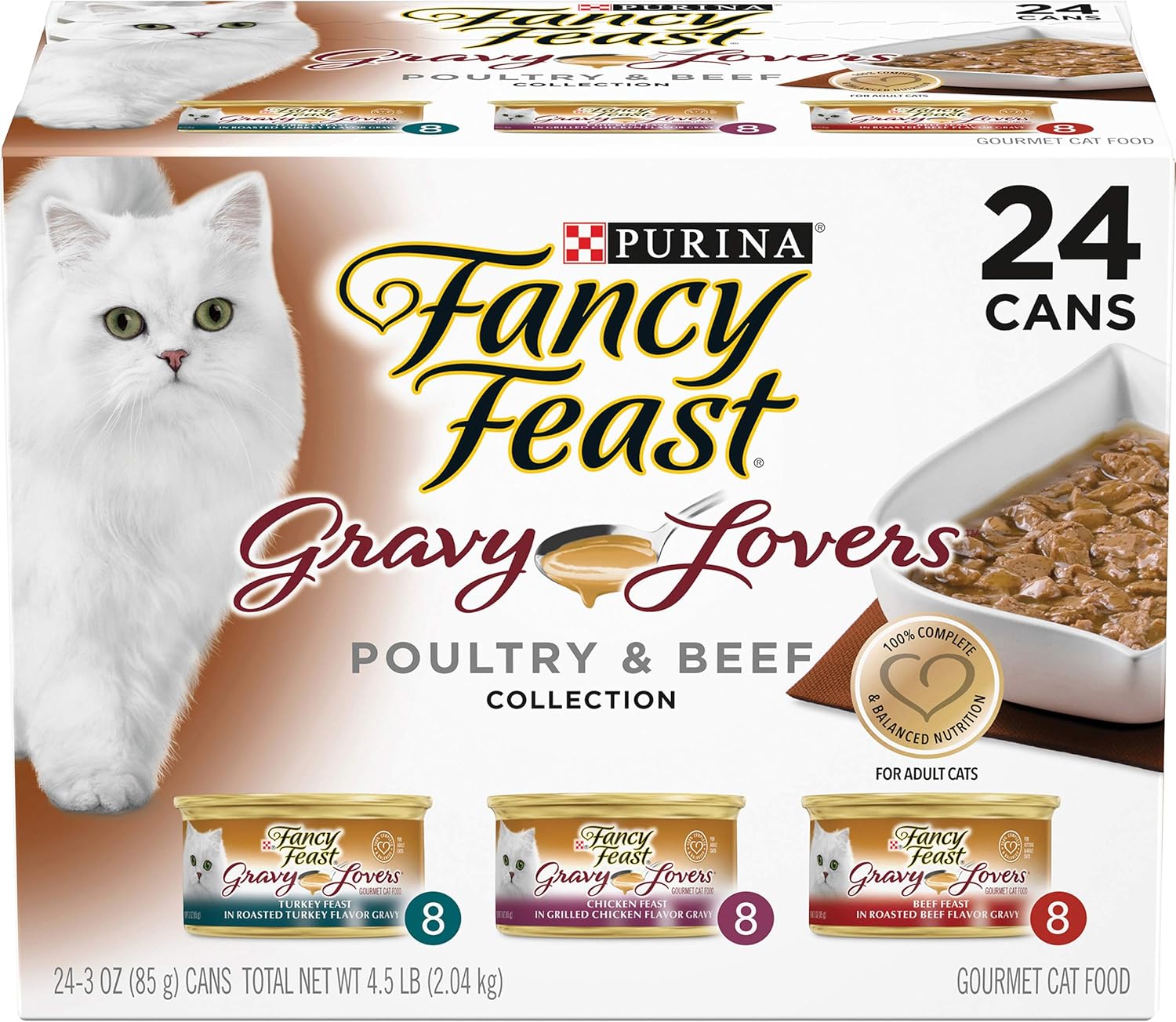
Purina Fancy Feast Gravy Lovers Poultry and Beef Gourmet Wet Cat Food Variety Pack - (24) 3 oz. Cans
See current price

Compare cat food by format, ingredients, life stage, dietary needs, and feeding routine. K-Catalog helps shoppers review specifications and features before choosing where to buy.
994 products in catalog
994 results
PURINA Fancy Feast
See current price
PURINA Fancy Feast
See current price


Nestle Purina Pet
See current price

Nestle Purina Pet
See current price

Friskies
See current price

Nestle Purina Pet
See current price

Purina ONE
See current price

Nestle Purina Pet
See current price

PURINA Fancy Feast
See current price


Nestle Purina Pet
See current price

PURINA Fancy Feast
See current price

PURINA Fancy Feast
See current price

Utkwbs
See current price


Iams
See current price

Purina Cat Chow
See current price

Nestle Purina Pet
See current price
Choosing cat food involves more than picking a flavor or familiar package. The right option should suit your cat’s life stage, health needs, preferences, and daily routine while fitting how you store and serve meals.
This catalog includes food from brands such as Royal Canin, Friskies, PURINA Fancy Feast, Blue Buffalo, Hill's Science Diet, Purina Pro Plan, Iams, Meow Mix, and 9Lives. Compare each product’s label details and feeding guidance rather than relying on brand recognition alone.
Start with the details that are most relevant to your cat:
If your cat has a diagnosed condition, food allergy, persistent digestive problem, or changing appetite, seek veterinary guidance before switching to a specialized formula.
Dry food is convenient to measure and store, making it a practical choice for many feeding routines. Compare the guaranteed analysis, ingredient list, life-stage statement, calorie information, and kibble characteristics. Kibble size and shape may also matter for cats with particular eating habits.
Wet food includes formats such as pâté, chunks, minced textures, and food served with gravy or sauce. Compare the texture, protein sources, complete-and-balanced statement, container type, and storage instructions after opening. Single-serve portions can be useful when freshness and portion control are priorities.
Treats are intended to complement regular meals rather than replace a complete diet. Check the recommended serving guidance and ingredient details, especially when your cat has dietary restrictions. Products labeled for supplemental feeding should be used accordingly.
For more ways to support mealtimes, compare Feeding & Watering Supplies alongside food options.
Product labels and listings can differ in how much detail they provide, so review the available specifications carefully:
The catalog includes a broad selection from Royal Canin, Friskies, PURINA Fancy Feast, Blue Buffalo, Nestle Purina Pet, Meow Mix, Hill's Science Diet, Purina Pro Plan, Purina, J.M. SMUCKER COMPANY, Iams, and 9Lives. These brands may offer different formats, recipes, life-stage formulas, and dietary focuses. Use the available specifications to compare individual products rather than treating a brand name as a substitute for checking the label.
Introduce a new food gradually when possible, mixing it with the current food and increasing the new portion over time. A sudden change may be harder for some cats to tolerate. Follow the package’s storage directions, keep dry food protected from moisture, and refrigerate opened wet food as instructed.
Measure portions consistently and account for treats when considering the overall daily intake. Clean bowls regularly, and make sure fresh water is available. Products in Health Supplies may be useful for related care needs, but they are not a replacement for professional veterinary advice.
Other cat essentials can be compared in Toys, Beds & Furniture, and Litter & Housebreaking. For outdoor or travel routines, see Collars, Harnesses & Leashes.
Neither format is automatically best for every cat. Compare nutritional completeness, ingredients, texture, calories, and your cat’s preferences and routine.
Look for a formula labeled for the appropriate life stage. If your cat has special health needs, ask a veterinarian which nutritional profile is suitable.
A gradual transition is generally easier to manage than an abrupt change. Follow the product directions and monitor appetite, digestion, and overall behavior.
Review the ingredient list, guaranteed analysis, nutritional statement, calorie information, and feeding guidance together. No single label detail tells the whole story.
Follow the package instructions. Dry food should be kept sealed in a cool, dry place, while opened wet food typically requires refrigeration and timely use.
Consult a veterinarian for diagnosed conditions, suspected allergies, ongoing digestive issues, unexplained weight changes, or a persistent loss of appetite.