
Collars, Harnesses & Leashes for Cats
Compare cat collars, harnesses, and leashes by fit, comfort, materials, and safety features. Find suitable gear for identification, supervised outdoor time, or everyday use.
947 products in catalog
947 results
Filters




CollarDirect
CollarDirect Leather Cat Collar with Elastic Safety Strap and Bell for Boy, Girl, Kitten (Neck Fit 6"-7", Purple)
See current price


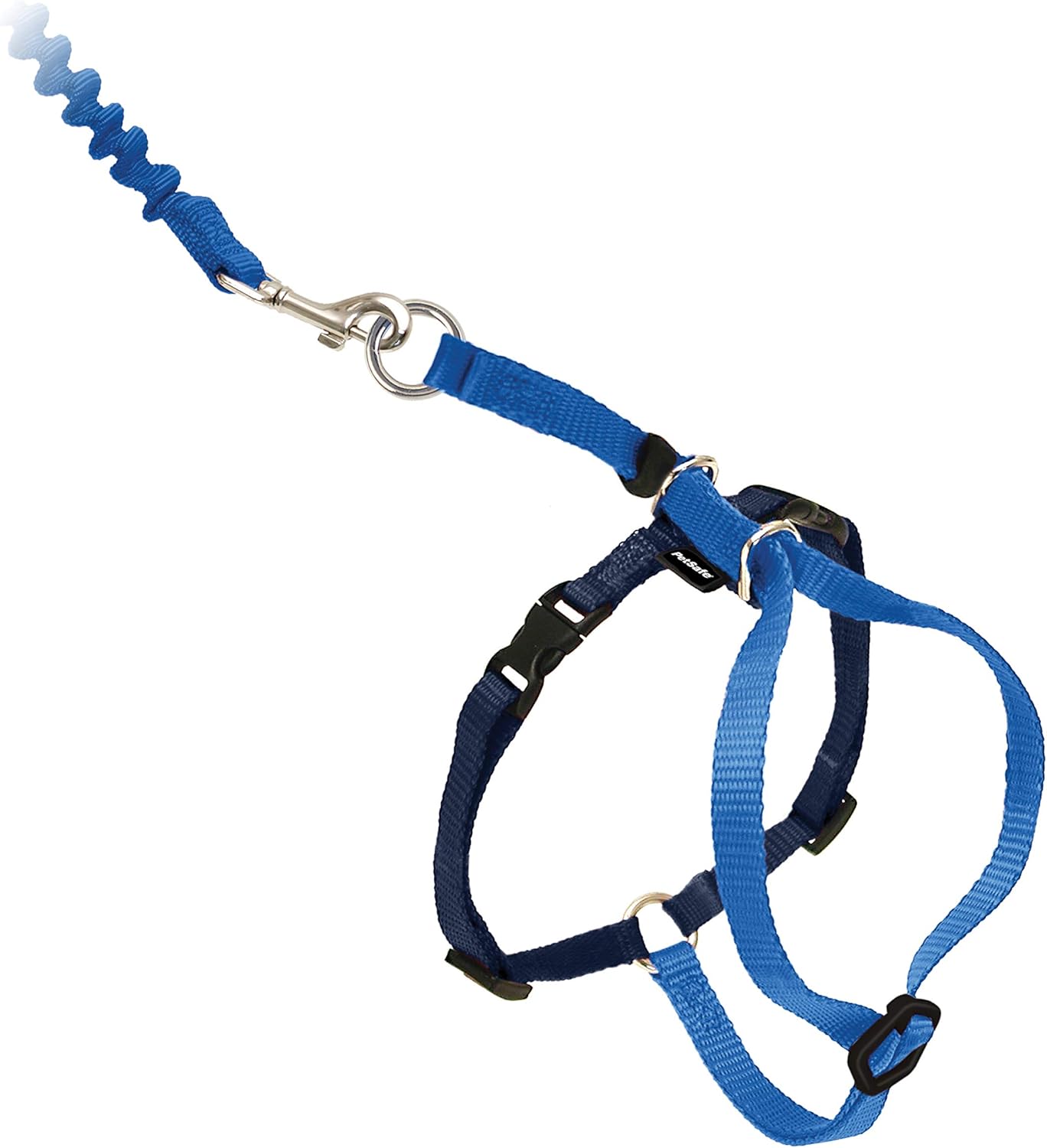
PetSafe
PetSafe Come With Me Kitty Harness and Bungee Leash, Harness for Cats, Large, Royal Blue/Navy
See current price


Yizepet
Yizepet Breakaway Cat Collar with Bell, 4 Pack Safety Adjustable Cat Collars Set
See current price


Popular brands in Collars, Harnesses & Leashes
Cat collars, harnesses, and leashes serve different purposes, so the right choice depends on your cat’s routine and temperament. A collar may carry identification, while a harness can provide a more secure connection for supervised walks or travel. Leashes complete the setup when controlled movement is needed.
Before choosing, consider how the product fits, how easy it is to adjust, and whether your cat is likely to tolerate wearing it. The goal is comfortable, appropriately fitted equipment that matches the way it will be used.
How to choose cat walking and identification gear
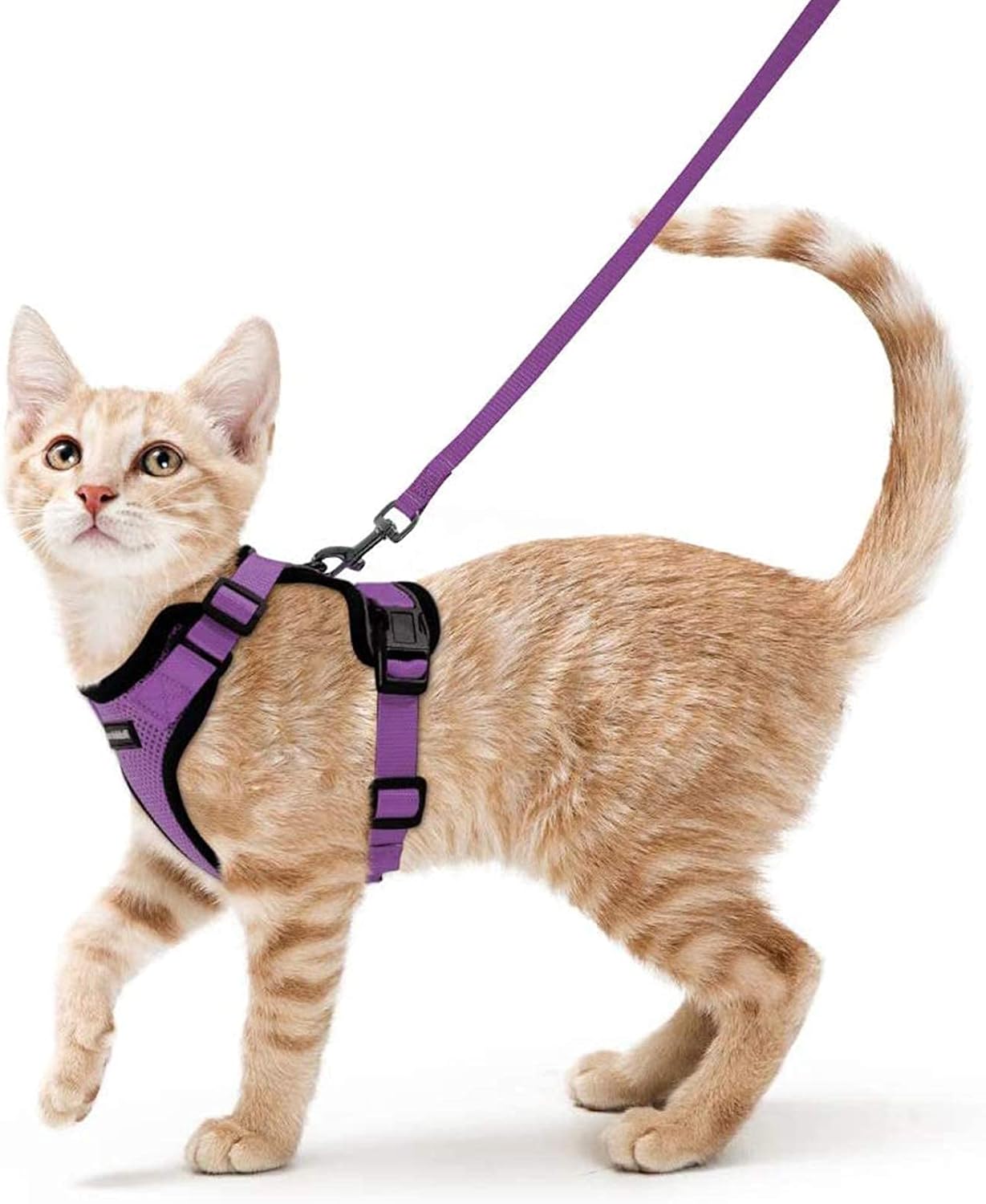
Start with the intended use. For an indoor cat, a lightweight collar may be useful for identification, provided it fits correctly and includes appropriate safety features. For outdoor exploration, a harness distributes connection points across the body rather than relying on the neck alone. A leash can then be attached for controlled movement.
Consider your cat’s behavior as well as its size. A calm cat may accept a harness quickly, while a nervous or highly active cat may need gradual introduction. Look for adjustable designs that allow a secure fit without excessive pressure, rubbing, or loose straps that could catch on objects.
Types of collars, harnesses, and leashes
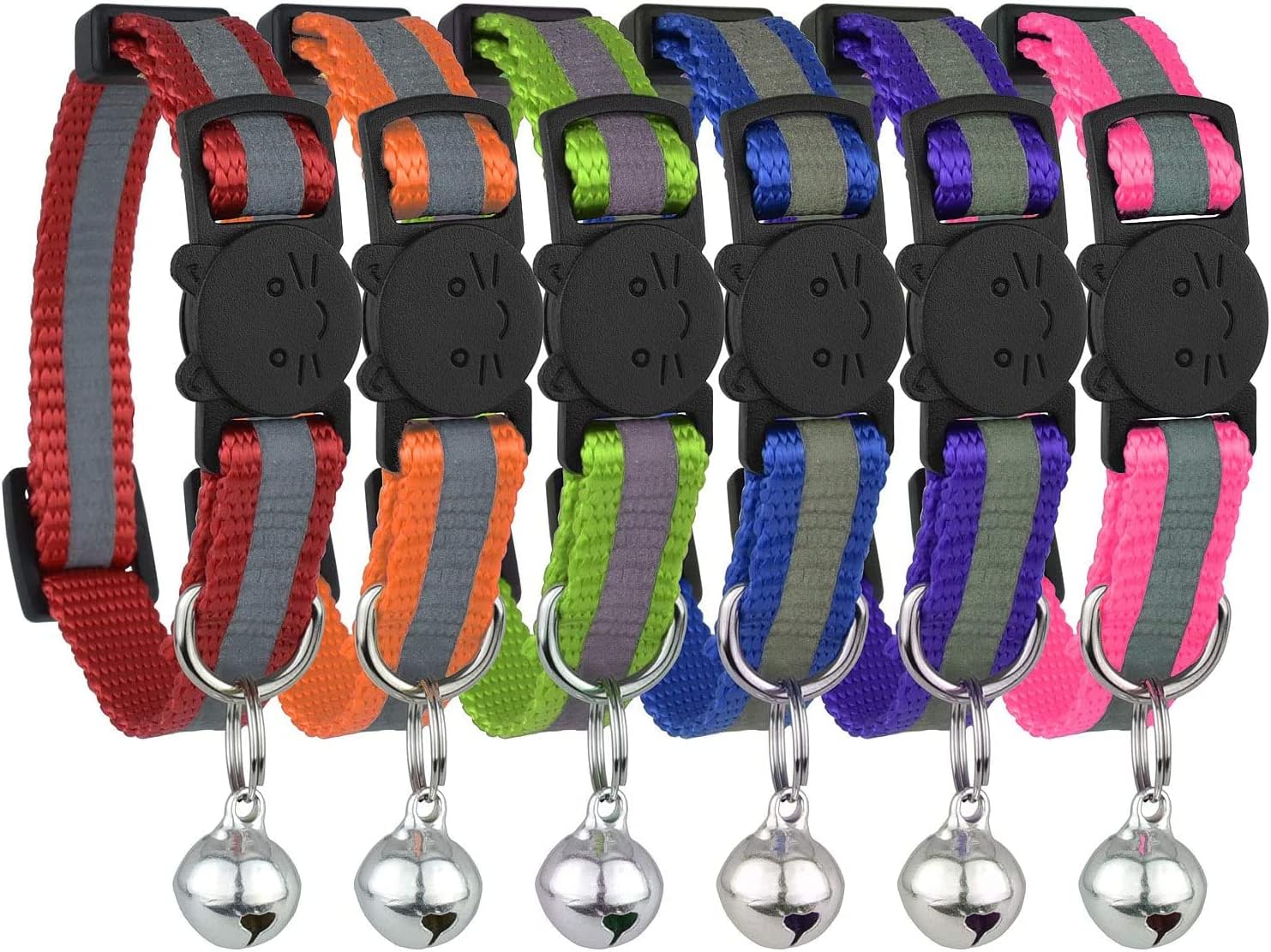
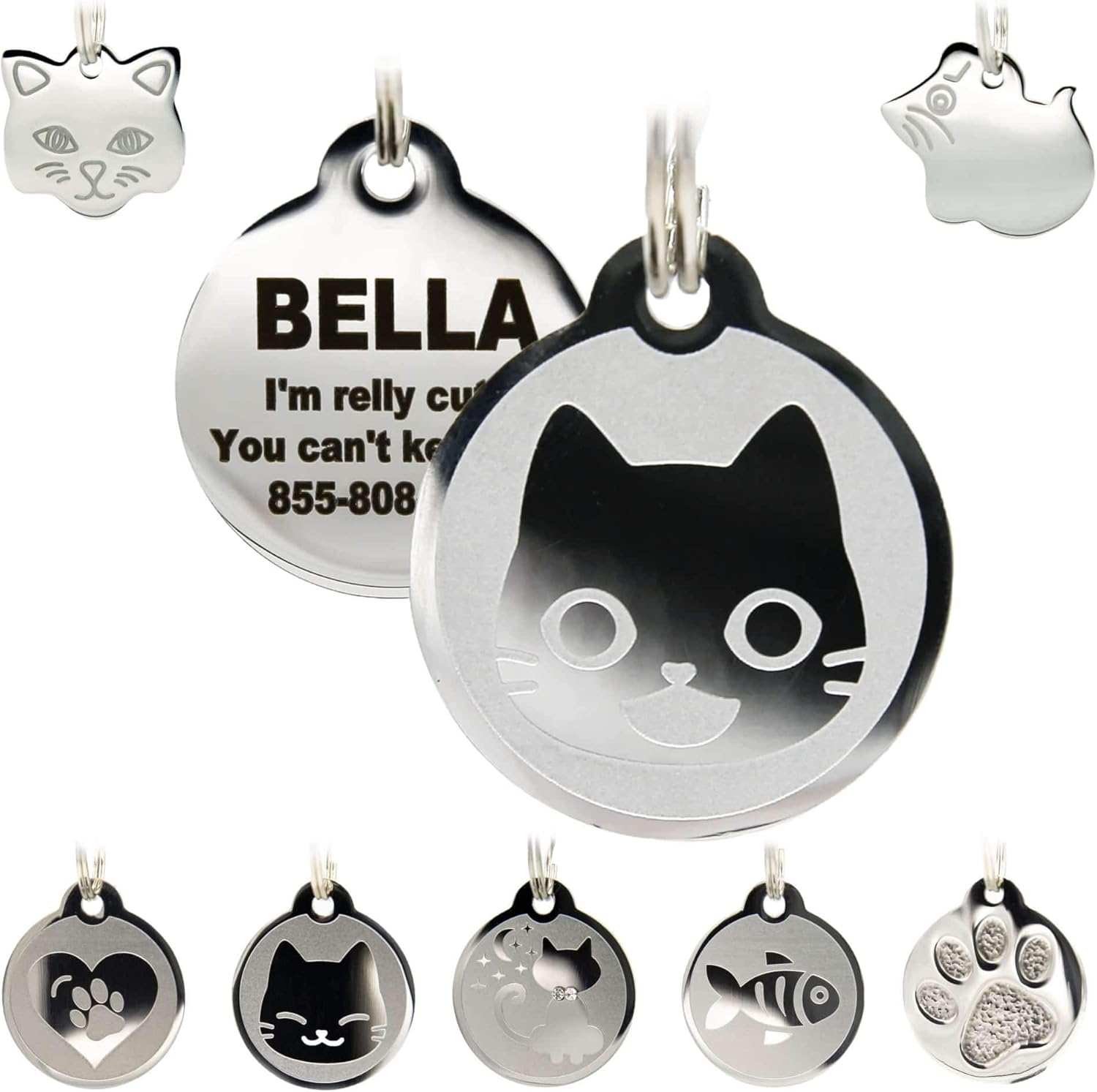
Cat collars are typically chosen for identification, visibility, or everyday wear. Compare closure styles, adjustability, material, and the space available for tags. Breakaway-style designs are commonly considered for cats because they are intended to release if the collar becomes caught; always follow the product’s fitting and safety instructions.
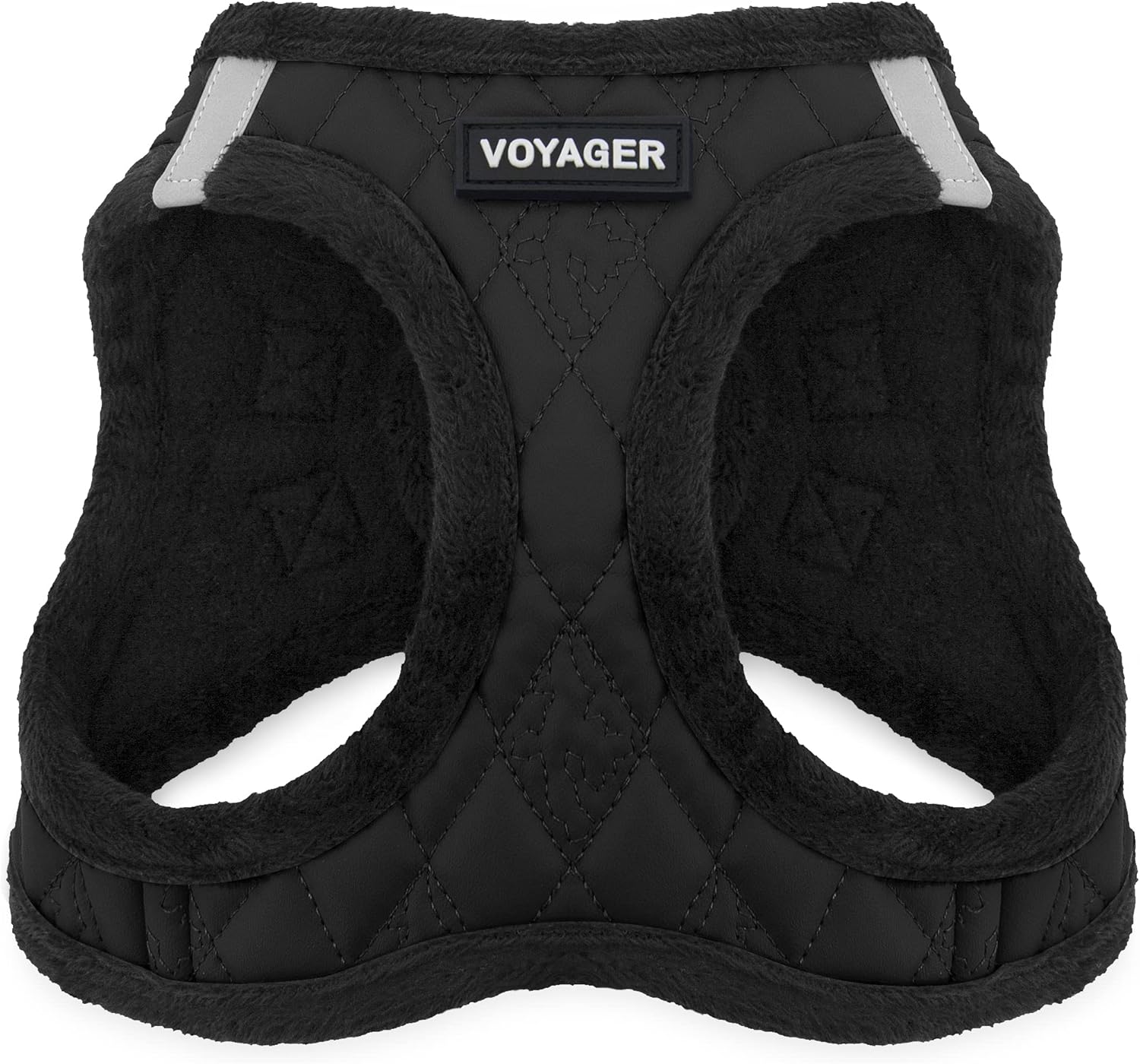
Harnesses are designed to fit around the chest and body. Vest, step-in, and strap-based designs can differ in how they are put on and adjusted. A vest may offer broader body coverage, while a simpler strap design can be quicker to place on a cat that dislikes handling.
Leashes vary by length, construction, handle design, and attachment hardware. A lightweight leash may suit a smaller cat, while a longer option can offer more room during supervised exploration. Match the leash connection to the harness hardware and intended environment.
Features and specifications to compare
- Fit and adjustability: Check the size range, adjustment points, and fitting guidance. The gear should be secure without restricting breathing, movement, or normal grooming.
- Materials: Compare soft fabric, mesh, nylon, reflective elements, and hardware construction. Choose materials that suit your cat’s sensitivity and the expected conditions.
- Closures and attachment points: Buckles, clips, and rings should be easy for the owner to operate while remaining secure during use.
- Visibility: Reflective accents or brighter colors may help make a cat easier to see in dim conditions, but they do not replace supervision.
- Convenience: Consider whether the product is easy to clean, store, put on, and remove. A design that is simple to use is more likely to fit naturally into a daily routine.
Brands represented in the catalog
The catalog includes options from Rabbitgoo, PUPTECK, BINGPET, KOOLTAIL, Bemix Pets, LMYOVE, YujueShop, Lamphyface, JOYPAWS, EXPAWLORER, Pohshido, and BoomBone. Compare each listing’s materials, dimensions, adjustment method, closure style, and intended use rather than choosing by brand name alone. Product details can vary within a brand, so the specifications for the individual item matter most.
Fit, introduction, and everyday use
Introduce a harness indoors before attempting outdoor use. Let your cat investigate it, then try short wearing sessions while observing posture and movement. Increase the time gradually and stop if the cat shows signs of distress. A leash should be attached only after the harness fits securely and the cat is comfortable wearing it.
Check the fit regularly, especially if your cat is growing or changing weight. Inspect straps, stitching, buckles, rings, and leash clips for wear before each use. Do not leave a harness or leash attached when the cat is unsupervised, and avoid relying on a collar or harness as a substitute for a secure carrier during transport.
For a broader cat-supply setup, pair this search with Beds & Furniture, Toys, or Feeding & Watering Supplies. You can also compare Litter & Housebreaking, Food, and Health Supplies for other everyday needs.
Frequently asked questions
Should a cat wear a collar or a harness?
It depends on the purpose. A collar may suit identification, while a harness is generally the more relevant option for controlled walking or outdoor training. Some cats may use both, if each is fitted appropriately.
How should a cat harness fit?
It should sit securely around the body without rubbing, restricting movement, or allowing the cat to back out easily. Use the manufacturer’s measuring and fitting guidance, and check the fit after adjustment.
What leash should be used with a cat harness?
Choose a leash that is lightweight, has compatible attachment hardware, and suits the planned environment. Avoid adding unnecessary weight to the harness or connection point.
Can a cat wear a harness all day?
Harnesses are generally intended for supervised use rather than continuous wear. Remove the harness when it is no longer needed and inspect the cat’s skin and coat for signs of rubbing.
How can a cat get used to a harness?
Begin indoors with brief sessions. Allow the cat to investigate the harness, reward calm behavior if appropriate, and increase wearing time gradually before attaching a leash or going outside.