

Ceramics & Pottery Supplies for Creative Projects
Explore ceramics and pottery materials for sculpting, decorating, hand-building, and other creative projects. Compare product specifications and features to find supplies suited to your technique.
696 products in catalog
696 results
Filters

![Crayola Air Dry Clay for Kids, Natural White Modeling Clay, 5 Lb Bucket [Amazon Exclusive]](https://m.media-amazon.com/images/I/61P0thHMYiL._AC_SL1500_.jpg)
Crayola
Crayola Air Dry Clay for Kids, Natural White Modeling Clay, 5 Lb Bucket [Amazon Exclusive]
See current price


Mother Earth Products
Mother Earth Hydroton Original Clay Pebbles - 10 Liter, Lightweight Expanded Clay Aggregate
See current price


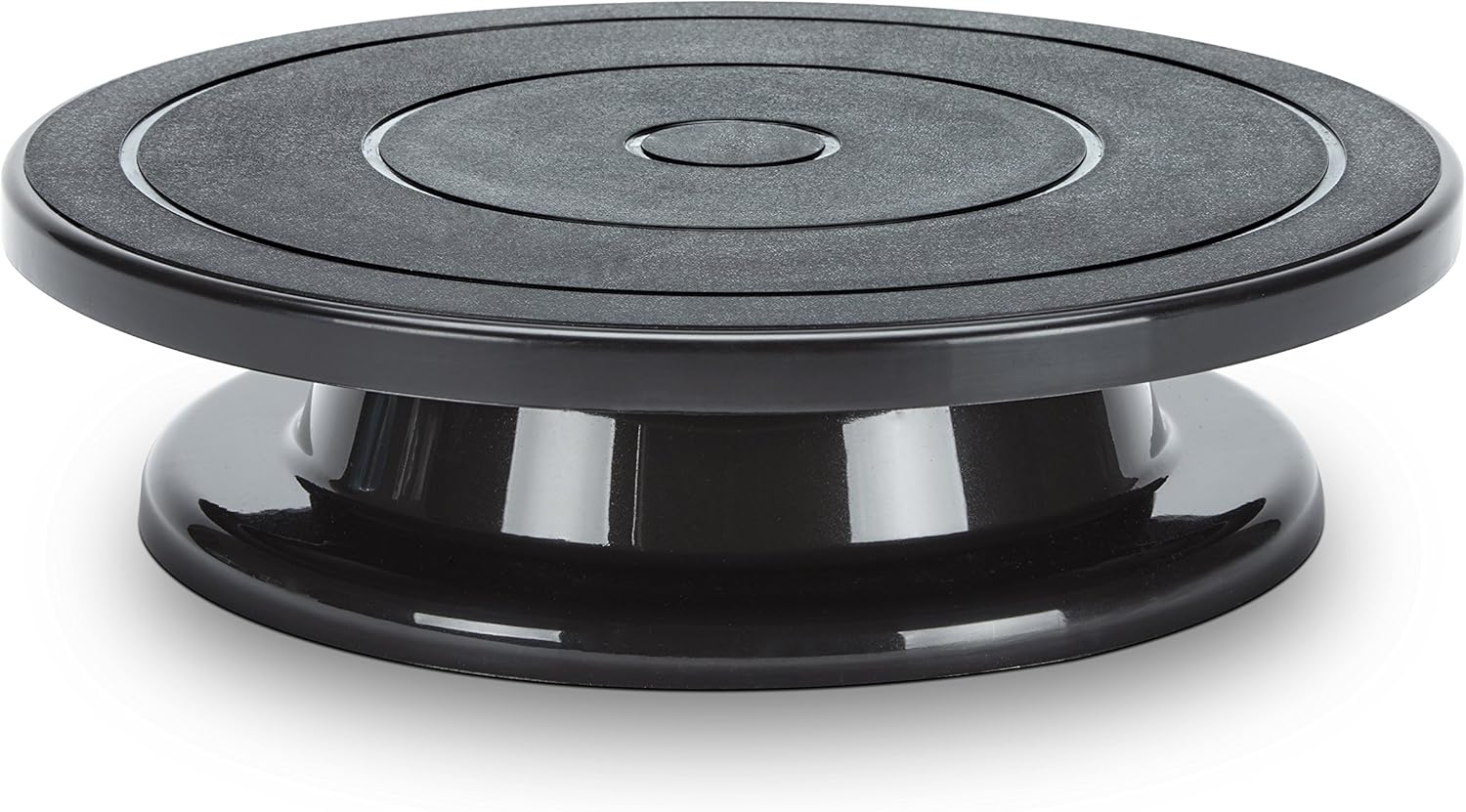


Sargent Art
Sargent Art 24ct Class Pack Modeling Clay, Assorted 24 Pack, Non-Hardening
See current price


Popular brands in Ceramics & Pottery
Ceramics and pottery projects can range from simple hand-shaped pieces to detailed decorative work. The right materials depend on whether the project will air-dry, be cured in an oven, or be fired in a kiln, as well as the finish and level of durability you want.
This K-Catalog category helps shoppers compare clay, sculpting materials, tools, colors, and finishing supplies by their listed specifications. It is part of the broader Crafting selection, with related options for makers working in other materials.
How to choose ceramics and pottery supplies
Start by identifying the project and its required finishing method. A small decorative figure, a hand-built vessel, and a glazed kiln-fired piece can require very different materials. Before choosing, consider:
- Clay type: Check whether the material is air-dry, oven-bake, kiln-fire, or intended for another process.
- Project size: Larger or thicker pieces may need materials designed to dry or cure consistently throughout.
- Working method: Hand-building, modeling, carving, stamping, and surface decorating each benefit from different tools and textures.
- Final finish: Decide whether the piece should remain matte, receive color, or be sealed or glazed after shaping.
- Experience level: Beginners may prefer straightforward materials and simple instructions, while experienced makers may prioritize workability and specialized effects.
Always read the listed instructions before combining products. A material designed for one curing or firing method may not be suitable for another.
Common project materials and techniques
Ceramics and pottery supplies generally fall into a few practical groups. Air-dry clay is convenient for projects that do not require a kiln, making it useful for ornaments, models, and decorative sculptures. It typically needs time to dry fully before sanding, painting, or sealing.
Polymer clay is shaped at room temperature and cured according to the product instructions. It is often chosen for small sculptures, jewelry components, miniatures, and detailed decorative work. Color selection, firmness, conditioning requirements, and curing guidance are important comparisons.
Kiln-fire clay is used for traditional pottery and ceramic work. When comparing these materials, pay attention to the recommended firing conditions, finished color, texture, shrinkage guidance, and compatibility with any glazes or finishes. Kiln access and firing requirements should be considered before purchase.
For shaping, makers may use basic hand tools, cutting tools, texture tools, molds, rollers, or supports. The best choice depends on whether the goal is smooth surfaces, crisp edges, repeated patterns, or fine details.
Features and specifications to compare
Product descriptions can vary considerably, so compare the details that affect how the material will behave during the project:
- Texture and consistency: A smooth, pliable material is useful for fine detail, while a textured compound may suit a different sculptural effect.
- Color and finish: Look for the listed color, opacity, sheen, and whether the material can be painted or layered.
- Curing or firing requirements: Confirm the required temperature, equipment, drying time, or other finishing conditions.
- Package format: Consider whether the material is sold as a single color, assorted selection, refill, tool set, or project-oriented kit.
- Intended use: Check whether the item is made for modeling, pottery, classroom activities, decoration, jewelry, or another application.
- Compatibility: If combining clay, glaze, paint, sealant, or adhesive, verify that each product is intended for use with the others.
For children’s activities or shared workspaces, also review the manufacturer’s handling guidance, cleanup instructions, and any age or supervision information listed with the product.
Brands represented in the catalog
The catalog includes ceramics and craft products from brands such as Sculpey, POLYFORM, FUNSHOWCASE, AMACO, Staedtler, Sargent Art, Unicorn Spit, Creative Hobbies, Activa, Crayola, Daiso Japan, and COMIART CREATE COLOR LIFE. Brand availability can cover different material types, formats, and creative uses, so compare the specifications of individual products rather than relying on the brand name alone.
Shoppers exploring adjacent creative activities can also browse Craft Supplies, Paper & Paper Crafts, and Woodcrafts. Soap Making, Candle Making, and Leathercraft may be useful for makers building a broader supplies collection.
Practical tips for successful projects
Prepare a clean, level work surface and keep tools organized before beginning. Condition or mix materials as directed, and avoid adding anything that is not listed as compatible. For pieces that dry or cure, allow the recommended time before sanding, painting, assembling, or handling heavily.
When working with kiln-fire materials, confirm that the clay, glaze, and firing schedule are compatible. Do not assume that a decorative finish is food-safe, waterproof, or suitable for high heat unless the product information specifically says so. Store unused materials in their recommended packaging and follow the manufacturer’s safety and ventilation guidance.
Frequently asked questions
What is the best clay for a beginner?
The best option depends on the project and available equipment. Air-dry clay is convenient without a kiln, while polymer clay suits small pieces that can be cured according to its instructions.
Can air-dry clay be fired in a kiln?
Not necessarily. Air-dry materials are made to dry without kiln firing, so check the product instructions before exposing them to high heat.
How do polymer clay and pottery clay differ?
Polymer clay is generally cured according to oven-baking instructions, while pottery clay is typically made for kiln firing. Their tools, finishes, and handling methods may also differ.
Do ceramic pieces need a glaze or sealant?
A glaze or sealant is not always required for decorative work, but it can change the appearance and protection of a finished piece. Check whether the selected finish is compatible and appropriate for the intended use.
What should be compared when buying a clay tool set?
Compare the included tool types, materials, handle design, intended techniques, and storage format. Choose tools that match the detail, texture, and shaping methods used in the project.