

Craft Supplies for Creative Projects
Compare craft supplies for DIY projects, classroom activities, home décor, gifts, and handmade goods. Review materials, dimensions, application methods, and included tools before choosing.
5,294 products in catalog
5,294 results
Filters
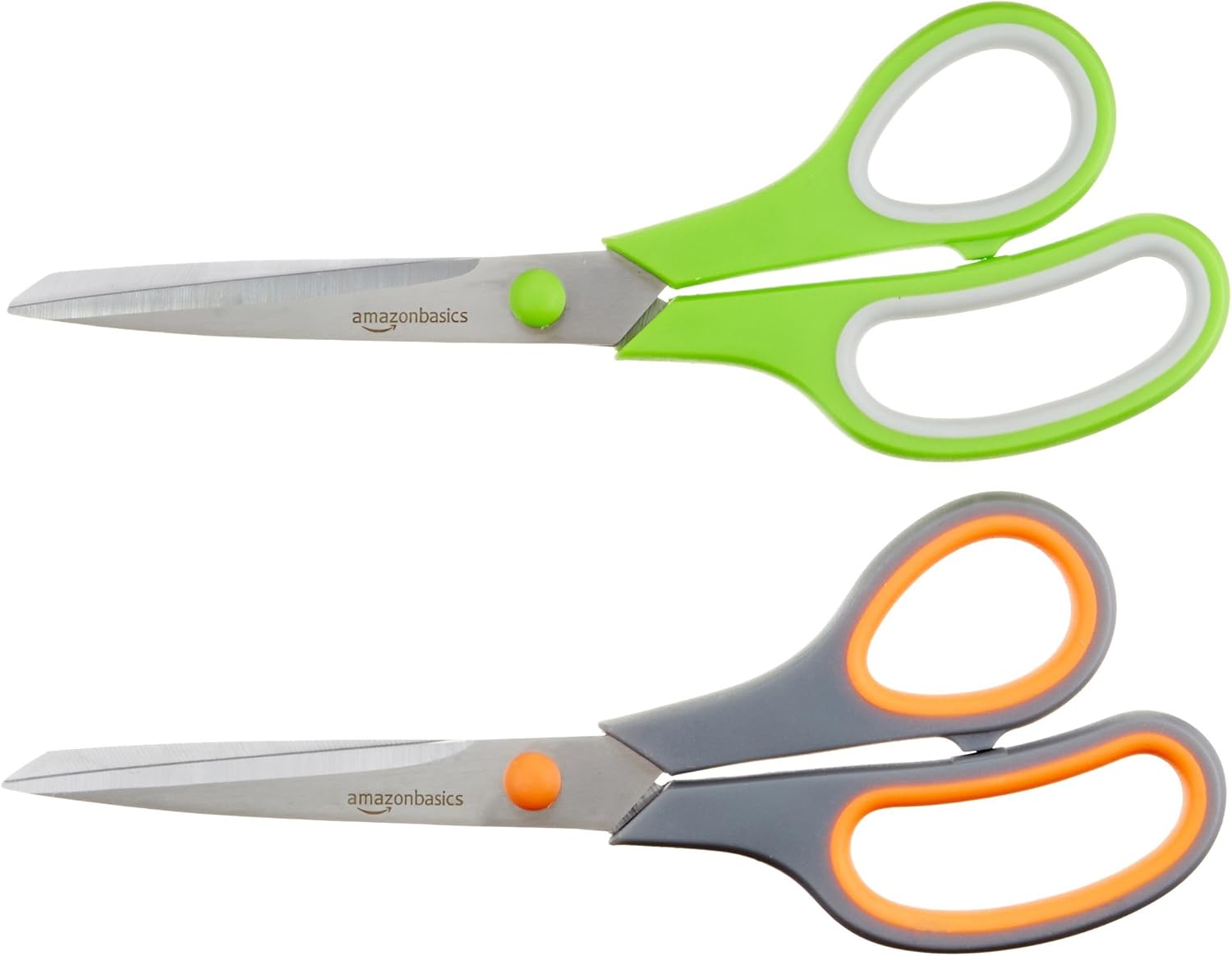
Amazon Basics
Amazon Basics Multipurpose, Comfort Grip, PVD Coated, Stainless Steel Office Scissors, 2-Pack, Green and Gray
See current price



Westcott
Westcott 13901 8-Inch Titanium Scissors For Office and Home, Yellow/Gray, 2 Pack
See current price

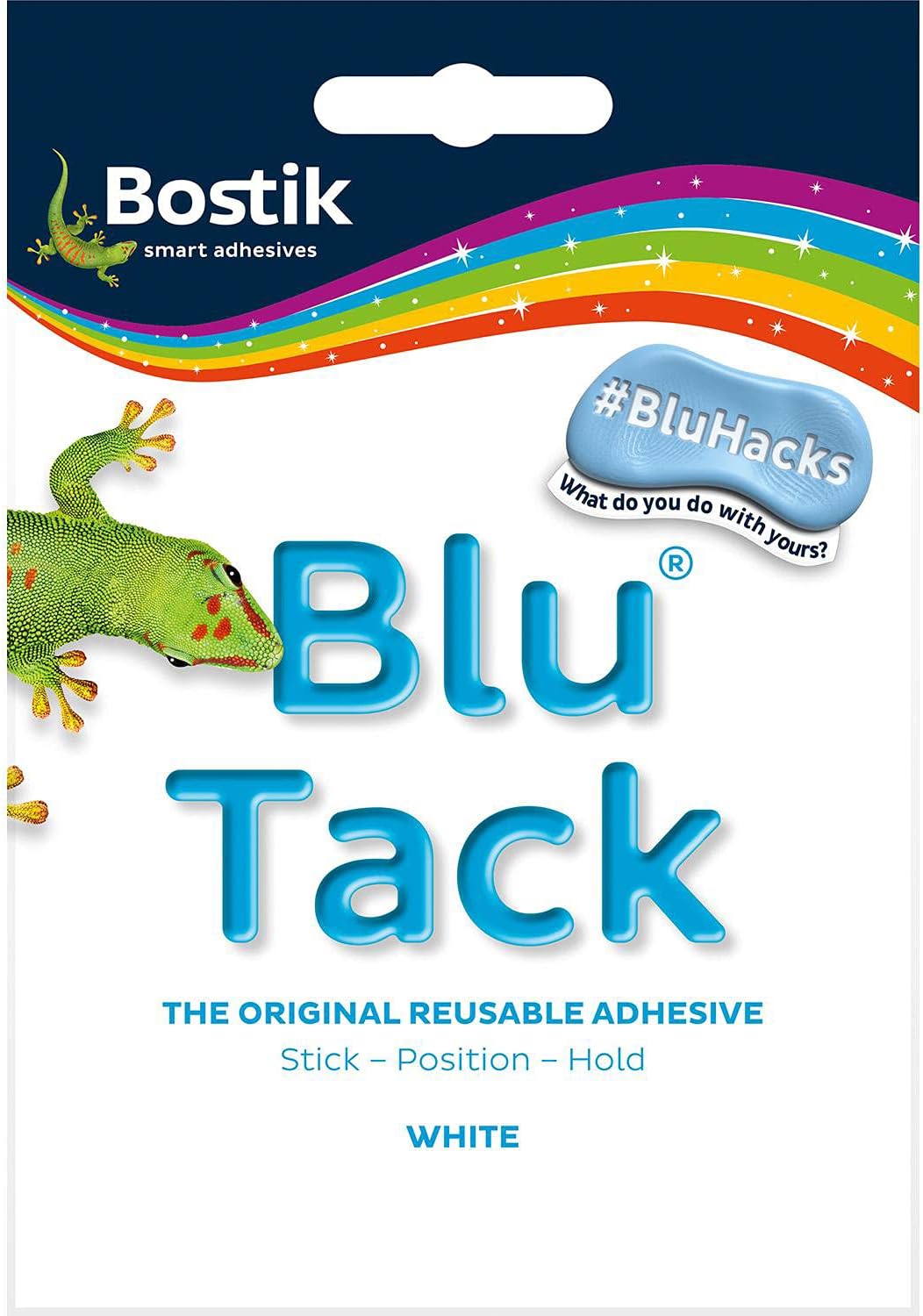


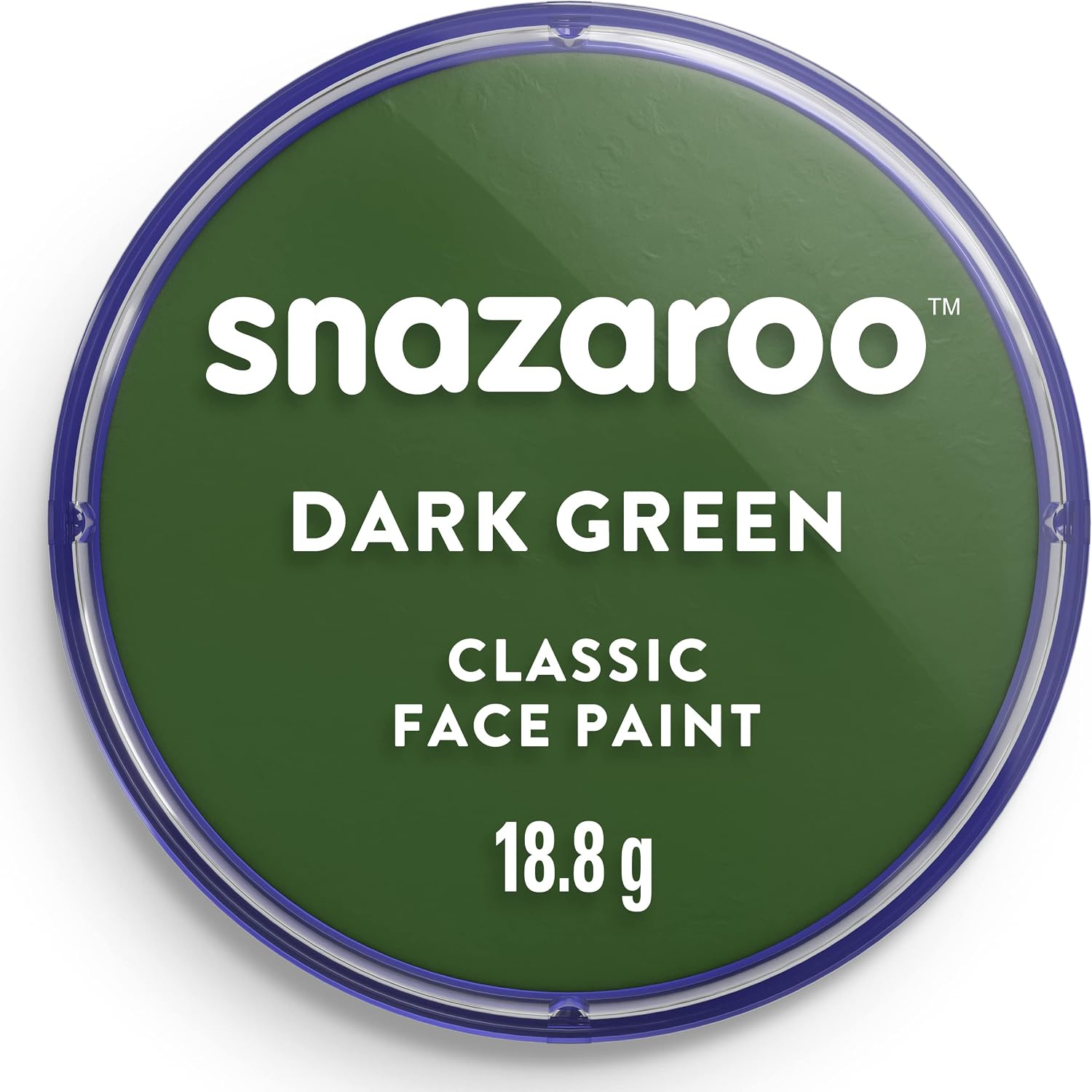


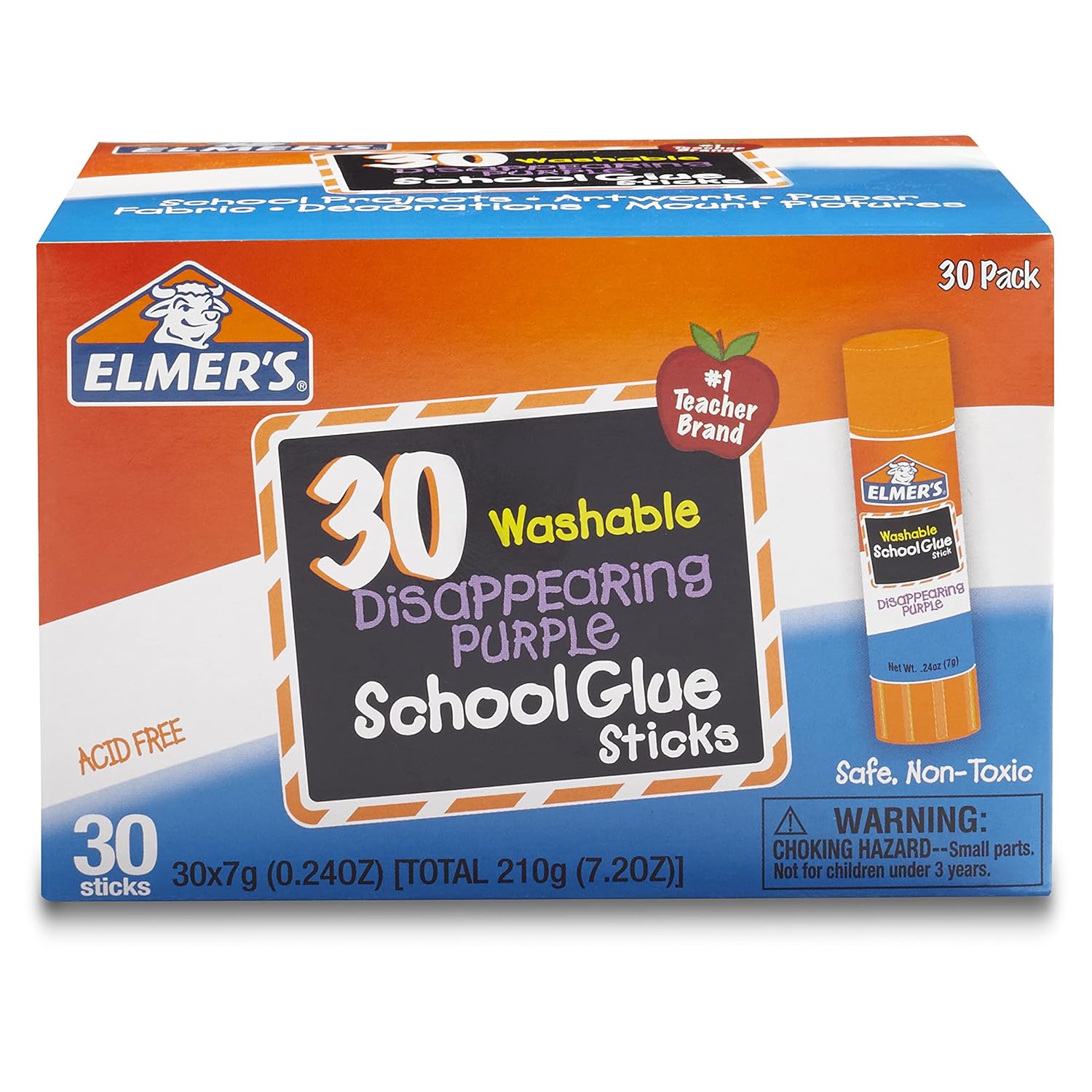
Popular brands in Craft Supplies
Craft supplies cover the materials, tools, adhesives, embellishments, and work aids used to turn an idea into a finished project. The right choice depends on what you are making, the surface you are working on, the finish you want, and how much precision or durability the project requires.
This catalog brings together supplies for casual crafting, organized hobby work, seasonal projects, and more specialized techniques. Use the product specifications to compare materials and features rather than choosing by appearance alone.
How to choose craft supplies
Start by defining the project and the materials involved. A paper decoration, wooden sign, fabric accessory, mixed-media collage, and handmade gift may each require different adhesives, cutting tools, coatings, or decorative elements.
Consider these questions before comparing products:
- What surface will you use? Paper, cardboard, wood, fabric, glass, plastic, metal, and painted surfaces can require different products.
- How permanent should the result be? Some projects need a flexible bond, while others call for a rigid connection or a finish that resists handling.
- How much precision is needed? Fine tips, sharp blades, measured guides, small components, and controlled application can matter for detailed work.
- Will the project be handled or displayed? Items intended for frequent use may need stronger materials and better resistance to wear.
- What does the package include? Bundled tools or accessories may be useful for beginners, while experienced crafters may prefer individual supplies that fit an existing setup.
If you are exploring the wider category, browse Crafting for related supplies and project areas.
Craft supply types to compare
Craft Supplies is a broad category, so product listings can differ significantly in purpose. Grouping your search by the type of project can make specifications easier to evaluate.
Adhesives and bonding supplies
Glue and bonding products may be designed for paper, fabric, wood, foam, decorations, or general craft use. Compare the intended surfaces, drying behavior, flexibility, application method, and whether the adhesive dries clear or leaves a visible finish. A precision tip can help with small embellishments, while a wider applicator may suit larger surfaces.
For projects that involve paper, layering, folding, journaling, or decorative stationery, explore Paper & Paper Crafts. Choose supplies that will not excessively wrinkle, bleed through, or make thin sheets difficult to handle.
Cutting, measuring, and shaping tools
Scissors, cutters, rulers, templates, and related tools support clean edges and consistent results. Compare blade design, handle comfort, cutting capacity, guide markings, and suitability for the material. Tools intended for paper may not be appropriate for thicker board, fabric, foam, or specialty materials.
For detailed work, look for features that improve control, such as a comfortable grip, a stable base, a narrow cutting profile, or a replaceable working component when specified. Always check the listed use and follow the manufacturer’s safety guidance when working with sharp tools.
Decorative materials and embellishments
Ribbons, stickers, trims, beads, stones, shapes, glitter, and other embellishments can add color, texture, and dimension. Compare the attachment method, backing type, size, finish, and compatibility with the intended surface. Decorative pieces for a display item may have different requirements from those used on clothing, accessories, or objects that will be handled often.
Paints, finishes, and surface treatments
Paints, markers, sealers, coatings, and similar products can change the color, texture, sheen, and durability of a project. Check the recommended surface, application method, drying or curing instructions, and cleanup requirements. A finish designed for a porous material may not adhere properly to a smooth or flexible one.
If you are making objects from wood or working with unfinished components, Woodcrafts offers a related area to explore. Projects involving clay, fired pieces, or pottery materials can be compared in Ceramics & Pottery.
Key features and specifications
Product details are especially useful when several supplies look similar. Pay attention to:
- Material composition: This can affect flexibility, strength, texture, opacity, and how the item accepts glue, paint, or other treatments.
- Dimensions and form: Size, thickness, length, shape, and applicator design influence how easily a product fits the project.
- Color and finish: Compare shade, transparency, gloss, matte texture, metallic effect, and surface appearance where relevant.
- Application method: Bottles, pens, brushes, sheets, rolls, tubes, and handheld tools each offer different levels of control.
- Compatibility: Check whether the product is intended for the specific surface and any other materials used in the project.
- Storage and cleanup: Resealable packaging, drying behavior, washable formulas, and storage instructions can affect convenience.
- Safety information: Review warnings, ventilation guidance, age recommendations, and handling instructions before use.
For project-specific materials, related categories include Soap Making, Candle Making, and Leathercraft. These areas may require supplies with more specialized compatibility and handling requirements than general craft products.
Brands represented in the catalog
The catalog includes products from Elmer's, Fiskars, Darice, SUNTQ, BIHRTC, Scotch, Aleene's, Juvale, Westcott, Duck, Surebonder, and Outus. These brands may appear across different types of craft materials and tools, so compare each listing by its specifications and intended use rather than relying on the brand name alone.
When comparing products from different brands, check the package contents, dimensions, material details, application instructions, and compatibility notes. Two items in the same general category may be intended for different surfaces or project conditions.
Practical tips for better results
Test an unfamiliar adhesive, paint, coating, or marker on a small piece of matching scrap material before applying it to the finished project. This can reveal changes in color, texture, drying time, or adhesion.
Keep tools clean and stored according to their instructions. Close adhesives, paints, and coatings securely after use, and protect work surfaces from spills or overspray. For cutting tools, use a stable work area and the appropriate backing or cutting mat when recommended.
Plan the order of operations before assembling a project. Cutting, painting, drying, sealing, and attaching embellishments in the right sequence can help prevent smudging or accidental damage. If a project will be worn, washed, exposed to moisture, or handled frequently, verify that every component is suitable for those conditions.
Frequently asked questions
What should beginners look for in craft supplies?
Beginners can start with supplies that match a clearly defined project and include straightforward instructions. Easy-to-control applicators, versatile materials, and bundled accessories may simplify the first project, but compatibility with the chosen surface remains important.
How do I choose an adhesive for a craft project?
Check the adhesive’s recommended surfaces, drying behavior, flexibility, finish, and application method. Paper, fabric, wood, plastic, and embellishments may each require different bonding properties.
Are craft tools suitable for every material?
No. Cutting and shaping tools vary by material and thickness. Review the listed intended use, cutting capacity, blade or working-edge design, and safety instructions before using a tool on a new material.
How can I compare decorative embellishments?
Compare size, color, texture, finish, backing, attachment method, and the surface where the embellishment will be used. Also consider whether the finished item will be handled, folded, washed, or exposed to moisture.
What should I check before using paint or a finish?
Confirm the recommended surface, application method, drying or curing instructions, final sheen, cleanup process, and ventilation or handling guidance. A small test area can help confirm the result before the main application.