

Leathercraft Tools, Supplies & Materials
Compare leathercraft tools, kits, supplies and materials for projects ranging from simple repairs to detailed handmade goods. Review specifications and features to find options suited to your technique, materials, and workspace.
665 products in catalog
665 results
Filters


LolliBeads
LolliBeads (TM) 5mm Flat Genuine Leather Cord Braiding String Brown Espresso (2 Yards)
See current price
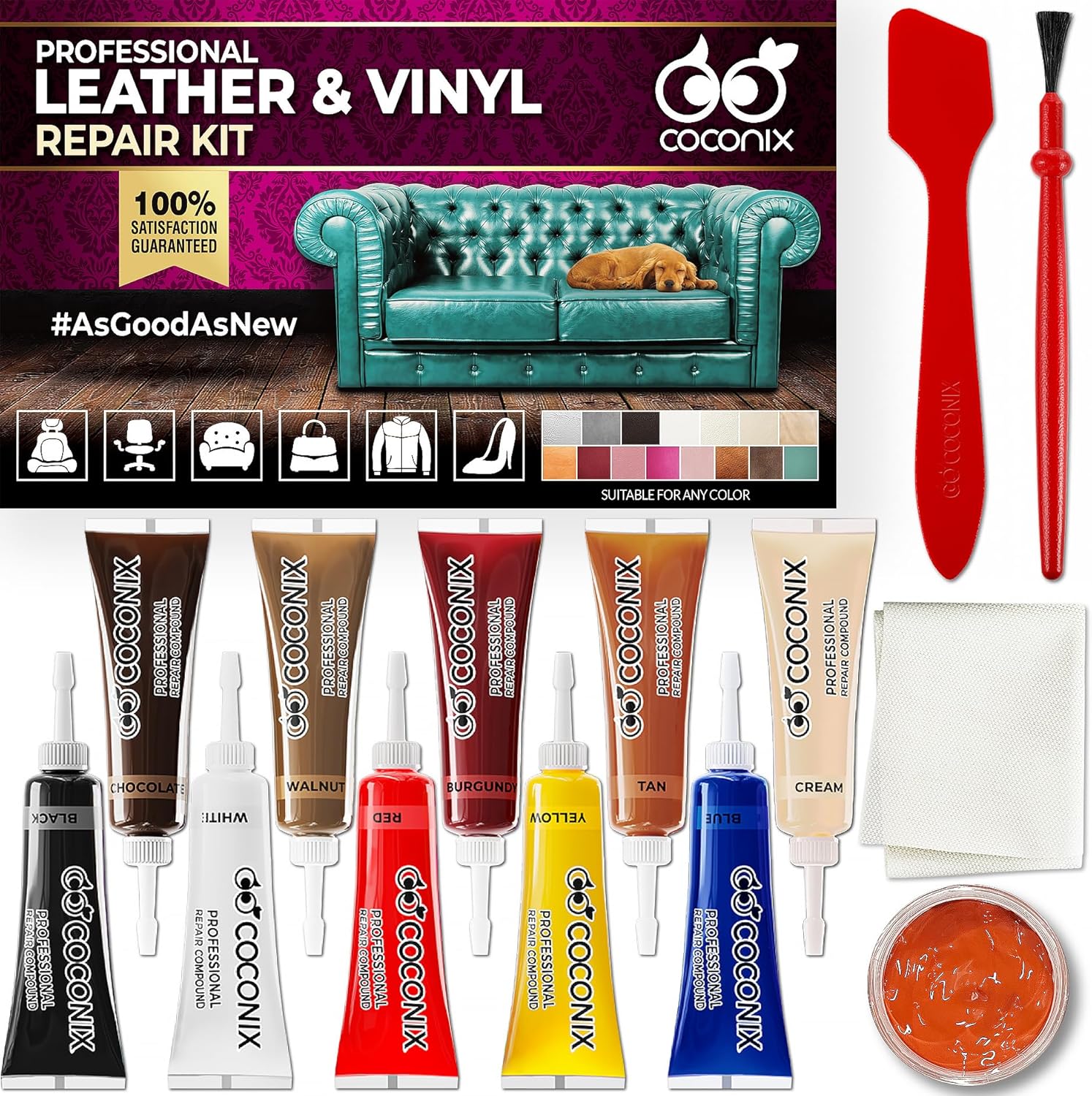


Aiskaer
Aiskaer White Steel 5mm 1/2/4/6 Prong DIY Diamond Lacing Stitching Chisel Set Leather Craft Kits
See current price


Alritz Shenzhen Youmate Technology Co., Ltd
Alritz 240 Sets Leather Rivets, Double Cap Rivets Tubular 4 Colors 2 Big Sizes Metal Studs with Fixing Tools for DIY Leather Craft, Clothes Shoes, Bags, Belts Repair Decoration
See current price


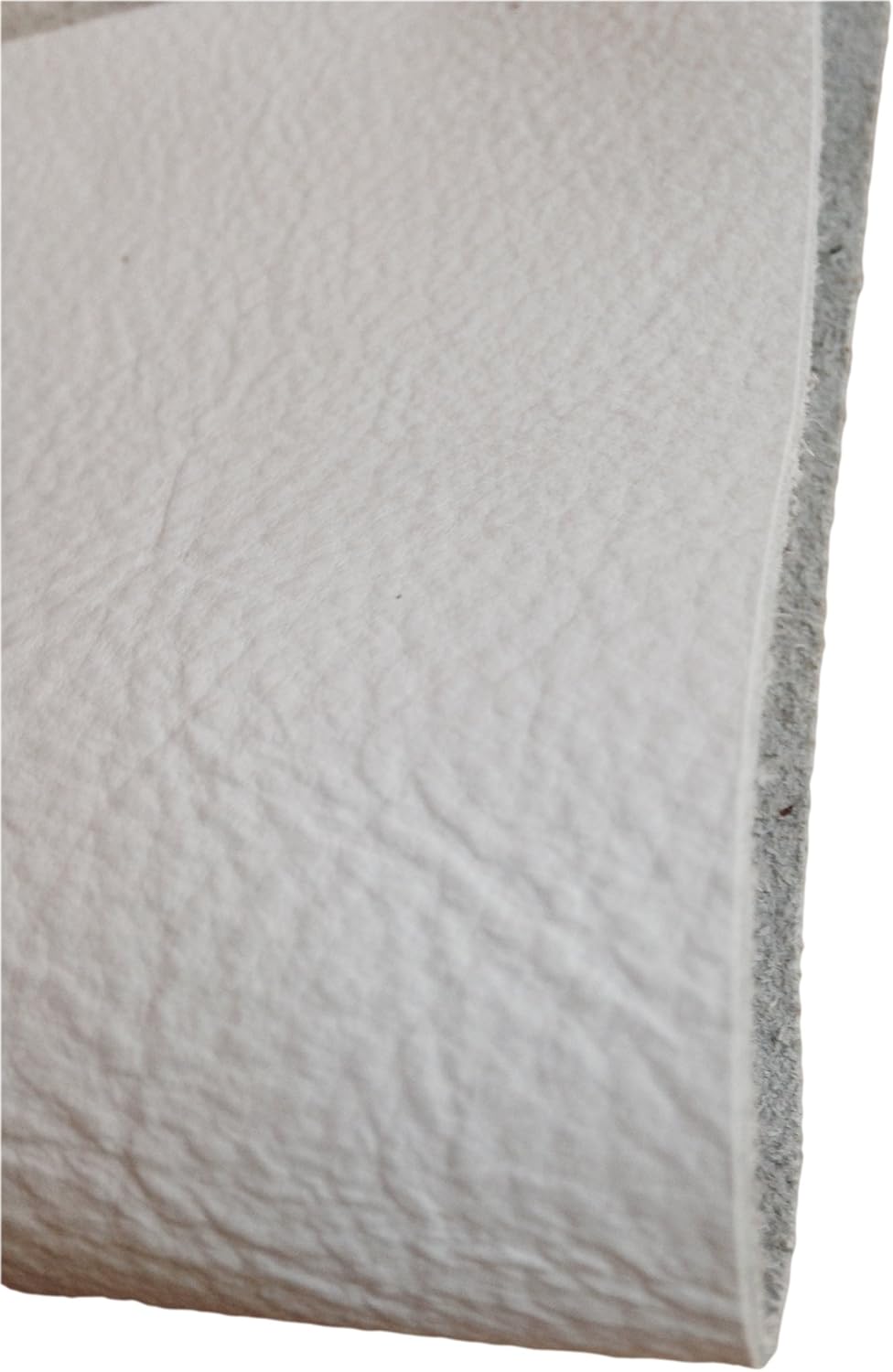


PMLAND
PMLAND 200 Sets/Pairs 9.5mm Silver Cone Spikes Screwback Studs DIY Craft Cool Rivets Punk
See current price


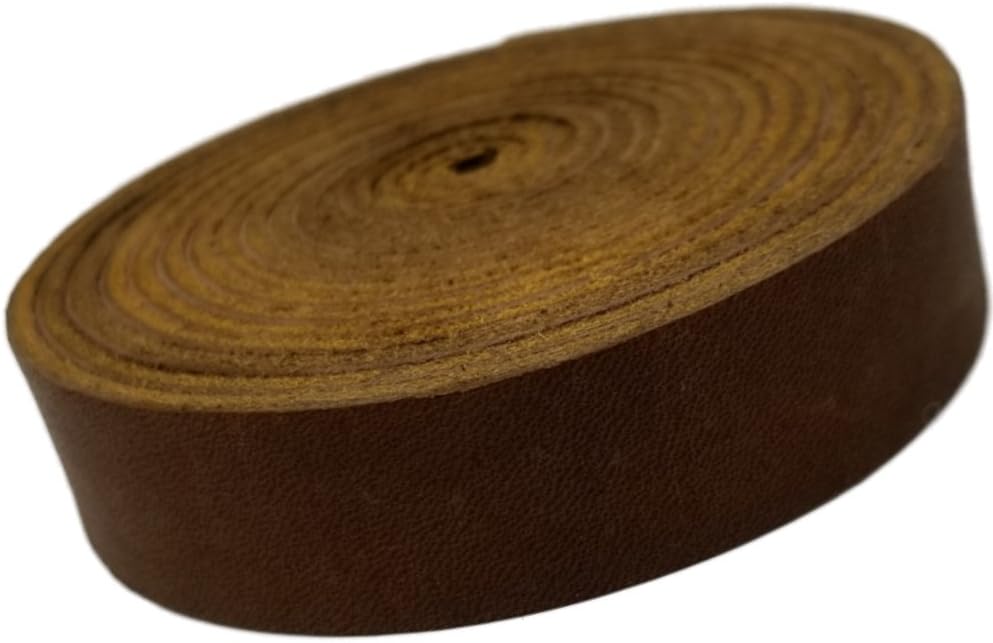

CSPRING
50PCS Silvery Cone Spikes Metallic Screw Back Studs DIY Craft Cool Rivets Punk 10 X 25mm
See current price
Popular brands in Leathercraft
Leathercraft covers a wide range of projects, including wallets, belts, bags, cases, accessories, and decorative pieces. The right supplies depend on the leather you plan to use, the finish you want, and whether your project involves cutting, stitching, stamping, coloring, or assembly.
This catalog brings together leathercraft products for beginners, hobbyists, and experienced makers. Compare material compatibility, dimensions, included components, and intended use before choosing products for your workbench.
How to choose leathercraft supplies
Start by defining the project and the techniques involved. A small stitched project may need cutting tools, a way to mark stitch lines, needles, thread, and edge-finishing supplies. A decorative project may place more emphasis on stamping tools, dyes, paints, or burnishing accessories.
Consider these factors as you compare products:
- Project size: Larger pieces may require longer rulers, broader cutting surfaces, or tools designed for extended use.
- Material thickness: Check whether a tool or fastener is suitable for the thickness and type of leather being used.
- Technique: Stitching, carving, tooling, dyeing, and hardware installation each call for different supplies.
- Skill level: Kits can simplify selection for new crafters, while individual tools let experienced makers build a more specialized setup.
- Workspace: Hand tools and compact accessories suit small work areas, while larger equipment may need a stable dedicated surface.
Common leathercraft project needs
Because this category has no separate subcategory pages, shoppers can compare the full range of listed leathercraft products in one place. Organizing your search by task can make the selection easier.
Cutting and preparation
Look for tools that help measure, mark, trim, and prepare leather cleanly. Compare working dimensions, handle design, blade or edge details where provided, and whether an item is intended for leather specifically. A suitable cutting mat or other protective surface can also help safeguard the work area.
Stitching and assembly
For sewn leather goods, compare needles, thread, punches, awls, stitching tools, and related accessories. Pay attention to thread material, thickness, color, tool size, and the type of stitch or hole pattern a product supports. Hardware supplies may be useful for closures, straps, handles, and decorative details.
Tooling, stamping, and decoration
Stamping and carving tools are used to add patterns, initials, borders, or other details. Compare the size and shape of the working end, the pattern or letter style, and whether a set provides the variety needed for your design. Always consider how the tool will work with the leather thickness and surface you plan to decorate.
Dyeing and finishing
Dyes, paints, conditioners, edge treatments, and finishes can change the appearance and feel of a project. Check application instructions, intended material, finish appearance, and color information. For a consistent result, test a product on a scrap piece before applying it to the finished item.
Key specifications to compare
Product descriptions can vary, so focus on details that affect compatibility and control. For tool sets, check what is included rather than assuming accessories are part of the package. For consumables, compare the material, color, formulation, container size, and application method when those details are listed.
For kits, review the contents and the type of project they support. A kit may be convenient when matching components is important, while separate products can provide more flexibility for replacing supplies or choosing preferred colors and sizes. Product dimensions, construction materials, and care instructions can also help determine whether an item fits your workflow.
Brands in the catalog
Leathercraft listings include products from Tandy Leather, YORANYO, Dangerous Threads, RUBYCA, NuCrafters, BUTUZE, UOOU, Fiebing's, Caydo, Mudder, Realeather, and Sepici. Comparing specifications within and across these brands can help identify differences in tool configuration, materials, included accessories, and intended use. Brand familiarity can be useful, but the product details should remain the deciding factor for a particular project.
For broader crafting needs, browse Craft Supplies. Shoppers working across materials may also want to compare Woodcrafts, Paper & Paper Crafts, Soap Making, Candle Making, or Ceramics & Pottery.
Leathercraft tips for better results
Keep blades and punches in good condition, use an appropriate work surface, and store small tools where they will remain clean and easy to find. Follow the manufacturer’s handling guidance for dyes, finishes, adhesives, and other chemical products. Wear suitable eye and hand protection when a task involves sharp tools or force.
Before beginning a finished piece, practice unfamiliar techniques on scrap leather. This helps confirm the color, stitch spacing, stamping depth, edge treatment, or finish before it is applied to the final material.
Frequently asked questions
What should a beginner buy first?
Begin with supplies matched to one straightforward project, such as a small stitched or assembled item. A focused kit can reduce compatibility questions, while individual tools allow more control over selections.
How do I choose tools for different leather thicknesses?
Check each product’s stated intended use, working dimensions, and compatibility information. If details are not clear, compare the tool with the leather thickness and technique required by your project.
Are leathercraft kits a good choice?
Kits can be useful when they include coordinated tools or materials for a defined project. Review the complete contents, project instructions, and material specifications before choosing one.
How can I avoid wasting leather when trying a new finish?
Test dyes, paints, conditioners, and finishes on a scrap from the same or a similar piece of leather. This lets you check color and surface results before treating the finished project.
What safety considerations matter most?
Use a stable work surface, handle sharp tools carefully, and follow product instructions for finishes, dyes, and adhesives. Protective equipment may be appropriate for tasks involving splashes, fumes, or impact.