

Cleaning Chemicals for Facility and Household Use
Compare cleaning chemicals by their intended use, formulation, surface compatibility, and handling requirements. K-Catalog helps you review product specifications before visiting Amazon for current availability.
497 products in catalog
497 results
Filters


Pine-Sol
Pine-Sol All Purpose Cleaner, Original Pine, 40 Ounce Bottles (Pack of 2) (Packaging May Vary)
See current price
![WD-40 Multi-Use Product with SMART STRAW SPRAYS 2 WAYS, 14.4 OZ [2-Pack]](https://m.media-amazon.com/images/I/61AmGigE+0L._AC_SL1000_.jpg)


AmazonCommercial
AmazonCommercial Multi-Purpose Enzyme Cleaner, Mint, 1 Gallon, 1-Pack
See current price


Metrex Research
Cavicide - 01CD078128 Metrex 13-1000 CaviCide Surface Disinfectant/Decontaminant Cleaner, 1 gal Capacity
See current price

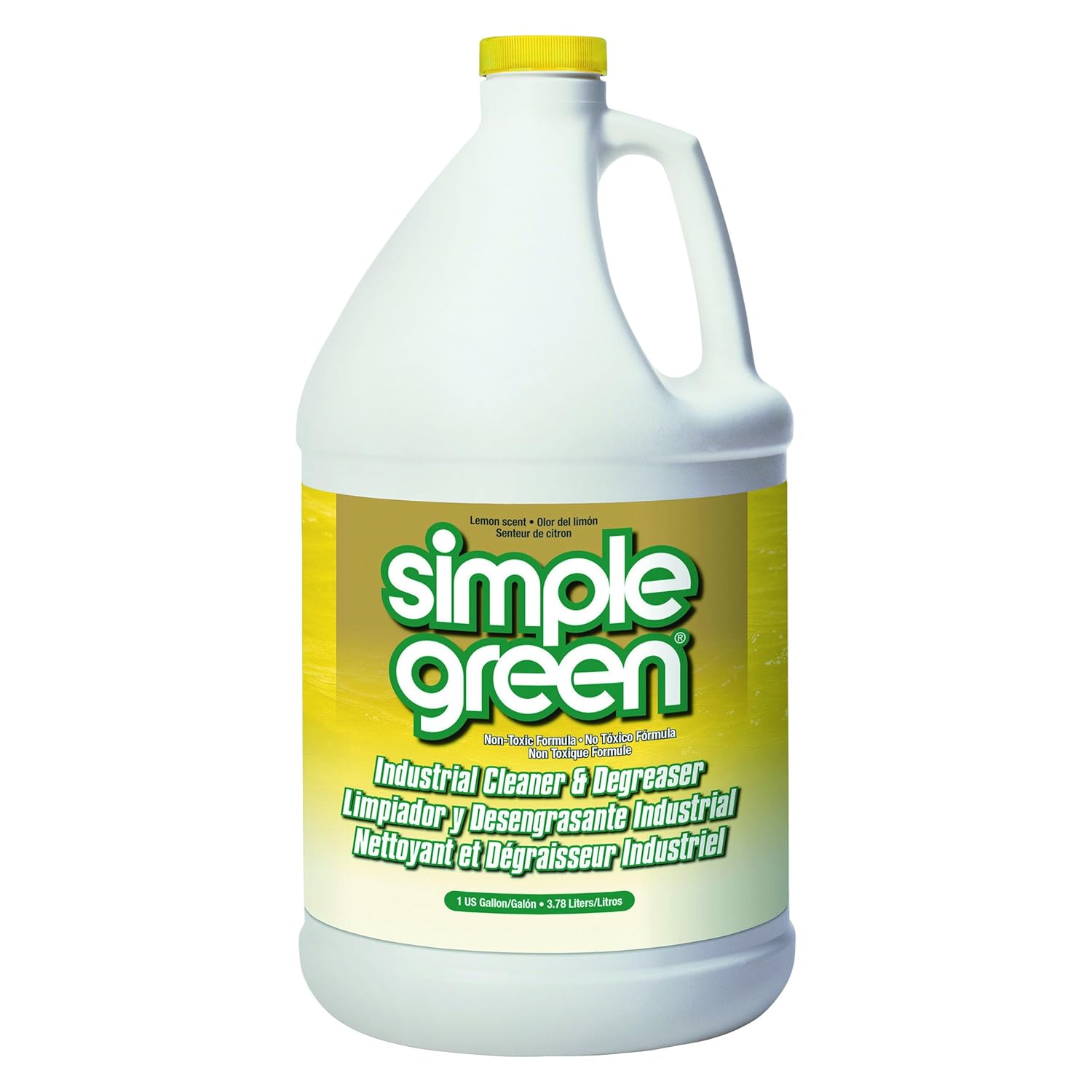
Simple Green
Simple Green 73434010 14010 Industrial Cleaner & Degreaser, Concentrated, Lemon, 1 gal Bottle
See current price


Simple Green
Simple Green 13005CT Industrial Cleaner and Degreaser, Concentrated, 127.8 Fl Oz, Pack of 1
See current price



Simple Green
Simple Green AllPurpose Cleaner Spray and Refill, Green, 3 Piece Set, Original, 1 Count
See current price


Popular brands in Cleaning Chemicals
Cleaning chemicals are available for everyday maintenance, food-service cleanup, restroom care, laundry, floor care, and specialized industrial tasks. The right choice depends on the soil or contaminant, the surface being cleaned, the application method, and the safety requirements of the space.
This category brings together options from brands including ZEP, Simple Green, Clorox, CloroxPro, AmazonCommercial, Cascade, Barbicide, WD-40, Bona, Seventh Generation, Lysol, and Diversey. Compare the listed specifications to narrow the selection for homes, offices, facilities, workshops, and other work environments.
How to choose a cleaning chemical
Start with the cleaning task rather than the brand name. A product intended for hard-surface cleaning may not be suitable for fabric, unfinished wood, stone, glass, or food-contact areas. Check the label and product specifications for the surfaces and soils it is designed to address.
Consider these factors before choosing:
- Purpose: Identify whether you need a cleaner, degreaser, disinfecting product, glass cleaner, floor treatment, dishwashing detergent, restroom cleaner, or another specialized formula.
- Surface compatibility: Look for guidance on metals, plastics, painted surfaces, flooring, appliances, upholstery, and other materials involved.
- Application: Sprays, concentrates, ready-to-use liquids, wipes, powders, and foaming formulas suit different workflows.
- Work environment: Odor, ventilation, residue, rinsing requirements, and contact with people or animals may affect the best fit.
- Storage and handling: Review packaging, closure type, dilution directions, and storage instructions before buying for regular use.
Common types of cleaning chemicals
General-purpose cleaners are useful for routine care across compatible washable surfaces. Degreasers are formulated for oily or greasy buildup and may be relevant in kitchens, workshops, and maintenance areas. Glass and surface cleaners prioritize low residue and clear finishes, while floor cleaners are selected according to the flooring material and cleaning equipment.
Disinfecting and sanitizing products are designed for specific hygiene applications. Their directions can include required wet contact time, pre-cleaning steps, surface limitations, and whether rinsing is needed. Dishwashing detergents, laundry products, restroom cleaners, and specialty treatments each have their own use instructions and compatibility considerations.
For adjacent equipment and supplies, browse Vacuums & Floor Cleaning Machines, Cleaning Tools, or Laundry Supplies.
Specifications and features to compare
Product pages may differ in the details they provide, so compare the information that matters most to your task. Pay attention to whether a formula is concentrated or ready to use, along with the recommended dilution method and intended application surface.
Packaging can affect convenience and waste. Bottles, refill containers, spray packages, tubs, and bulk formats may suit different storage setups. If the chemical will be used with a sprayer, mop system, dispenser, or dilution station, confirm that the format is appropriate for that equipment.
Also review ingredient information, scent or fragrance details, residue expectations, rinsing instructions, and any stated material restrictions. For workplace purchasing, safety documentation and labeling are especially important. Product claims should be interpreted alongside the manufacturer’s directions rather than treated as interchangeable across formulas.
Brands represented in the catalog
The catalog includes cleaning products from ZEP, Simple Green, Clorox, CloroxPro, AmazonCommercial, Cascade, Barbicide, WD-40, Bona, Seventh Generation, Lysol, and Diversey. These brands cover a range of household, janitorial, floor-care, dishwashing, disinfecting, and specialty cleaning applications. Compare each product’s stated use, formulation, packaging, and safety information instead of selecting by brand alone.
Safe use and storage tips
Read the full label before applying any chemical, including products used for familiar tasks. Follow dilution, ventilation, protective-equipment, contact-time, rinsing, and disposal directions. Do not combine cleaning chemicals unless the manufacturer specifically says they are compatible; mixing products can create hazardous reactions.
Keep containers closed and clearly identified during storage. Store products according to the label, away from children, pets, food, heat, and incompatible substances. Use appropriate gloves or other protective equipment when directed, and test an unfamiliar product on a small, inconspicuous area when surface compatibility is uncertain.
For a broader janitorial setup, visit Janitorial & Sanitation Supplies. You can also compare Waste Receptacles & Liners, Restroom Fixtures, and Personal Care Products for related facility needs.
Frequently asked questions
How do I choose between a concentrate and a ready-to-use cleaner?
A ready-to-use product is convenient for immediate application, while a concentrate may suit recurring cleaning programs with an appropriate dilution process. Always follow the product’s directions.
Can one cleaning chemical be used on every surface?
No. Surface compatibility varies by formula and material. Check the product label and specifications before using a chemical on flooring, stone, wood, metal, plastic, fabric, or painted surfaces.
Are disinfecting products the same as general-purpose cleaners?
No. General-purpose cleaners focus on removing soil, while disinfecting products have specific use directions and application requirements. Use each product only as directed.
What should I compare for workplace cleaning?
Compare intended use, surface compatibility, application method, dilution requirements, ventilation needs, safety information, packaging, and storage requirements.
How should cleaning chemicals be stored?
Keep containers closed, labeled, and stored according to the manufacturer’s instructions. Separate incompatible products and keep chemicals away from food, children, pets, heat, and unauthorized users.