
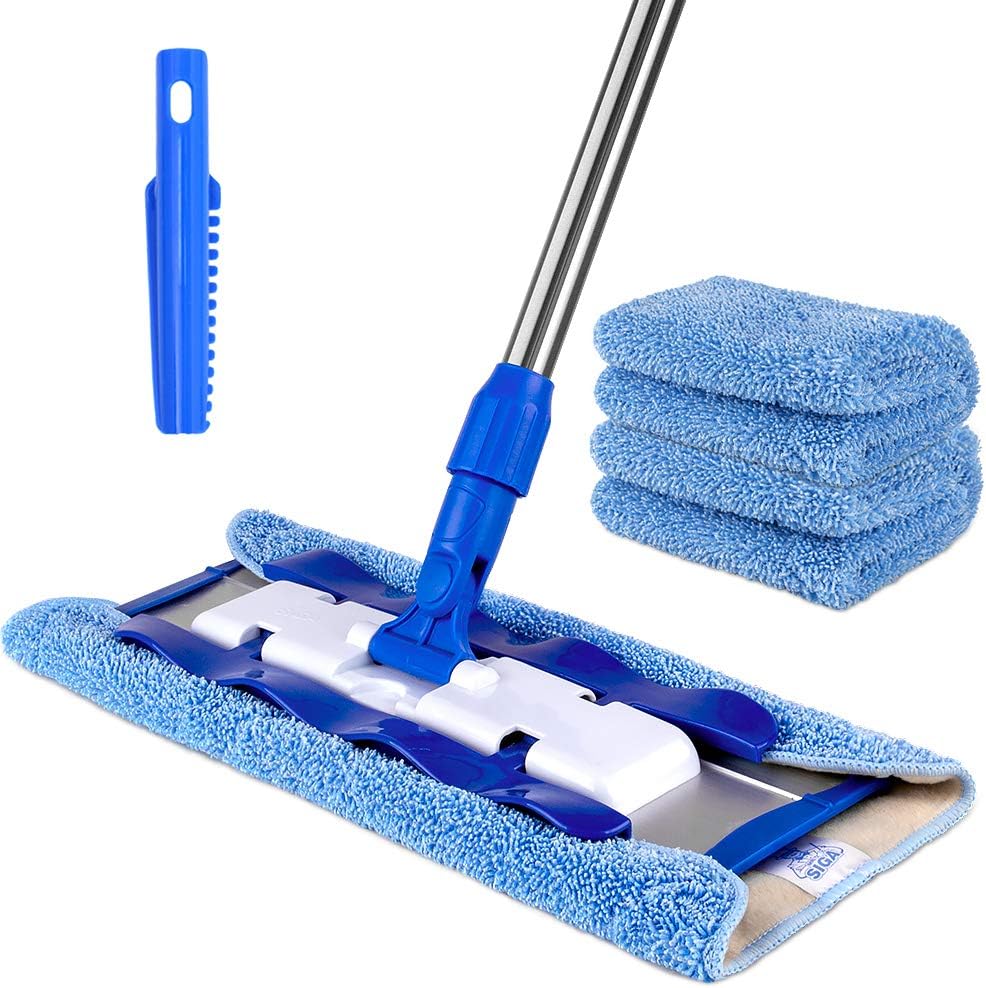
Cleaning Tools for Commercial and Everyday Use
Compare cleaning tools by job, construction, handle design, and compatibility. K-Catalog helps you review available specifications and features before visiting Amazon to make a purchase.
220 products in catalog
220 results
Filters


Kimberly-Clark
Scott Shop Towels Original (75147), Blue, 55 Towels/Standard Roll, 12 Rolls/Case, 660 Towels/Case
See current price

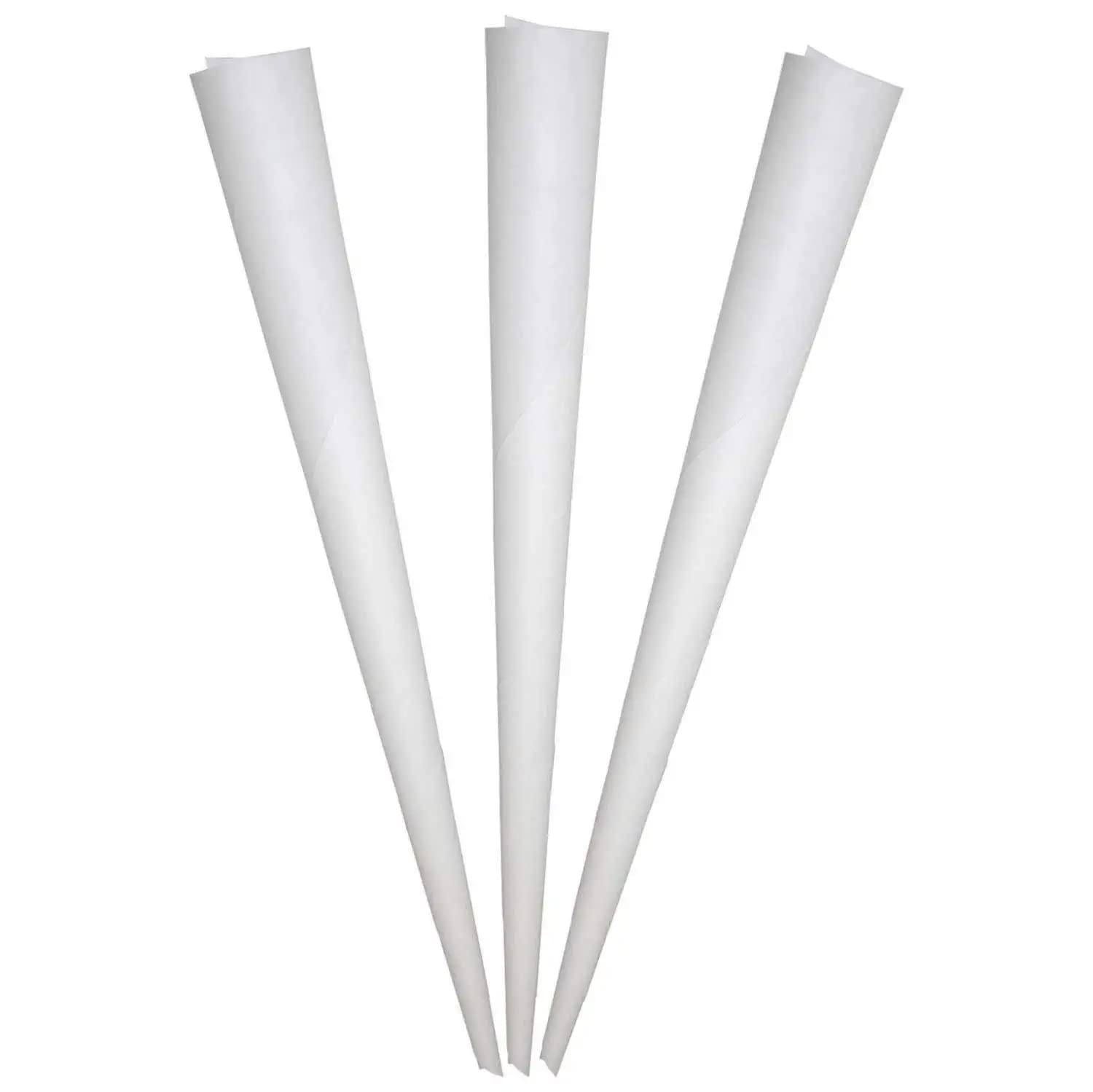
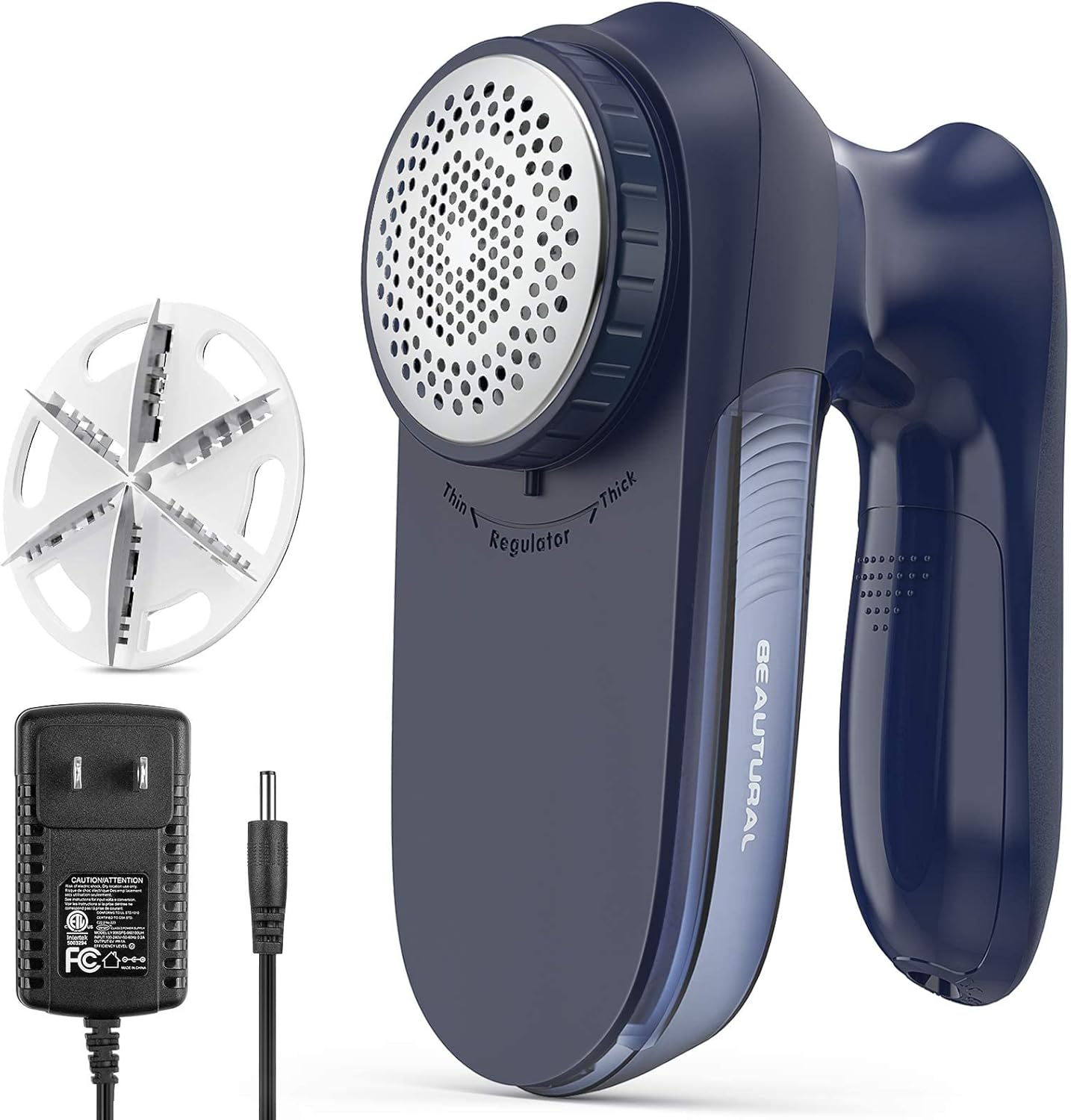


Kimberly-Clark
Kimberly-Clark 34155 Kimwipes 1-Ply Delicate Task Wipes, 4.4" x 8.4", Tissue (Pack of 286)
See current price




Popular brands in Cleaning Tools
Cleaning tools cover the reusable and disposable equipment used to sweep, wipe, scrub, dust, collect debris, and maintain orderly spaces. The right choice depends on the surface, type of soil, cleaning frequency, and whether the tool is intended for occasional household tasks or demanding commercial work.
This category is part of Janitorial & Sanitation Supplies, with options suited to homes, offices, facilities, retail spaces, workshops, and other environments. Use the catalog to compare specifications and features, then check the product details for compatibility with your cleaning routine.
How to choose cleaning tools
Start with the task rather than the appearance of the tool. A soft microfiber product may suit dust and delicate surfaces, while a stiff brush or abrasive pad may be more appropriate for ground-in soil. For floors, consider the surface material and whether the tool is designed for dry sweeping, damp cleaning, or scrubbing.
Think about the size of the area and how often the tool will be used. Compact tools can be convenient for detail work, corners, counters, and spot cleaning. Wider heads, longer handles, and larger collection surfaces may reduce effort in open areas, but they also require suitable storage.
For workplaces, consider whether the tool can support a consistent cleaning process. Color coding, replaceable heads, easy-to-rinse materials, and compatibility with existing buckets or handles can make routine maintenance simpler.
Types of cleaning tools to compare
Because cleaning tools serve different surfaces and tasks, compare the intended use carefully instead of treating every brush, cloth, wiper, or duster as interchangeable.
- Brooms and sweepers: Useful for collecting loose debris from floors, walkways, and work areas. Check bristle stiffness, head width, and handle construction.
- Brushes and scrubbers: Designed for targeted cleaning, grout lines, fixtures, equipment, and other areas that need agitation. Look at bristle material, shape, and resistance to the cleaning products you plan to use.
- Mops and floor tools: Compare the head material, attachment method, wringing approach, handle length, and suitability for the floor surface.
- Cloths, wipes, and dusters: Consider absorbency, lint behavior, texture, reusability, and whether the item is intended for polishing, dusting, spill cleanup, or general wiping.
- Squeegees and window tools: Check blade flexibility, width, handle reach, and the surfaces where the tool can be used effectively.
- Cleanup and collection tools: Dustpans, grabbers, and similar tools can help move debris without direct contact. Examine edge design, grip comfort, and storage needs.
Key features and specifications
Materials affect durability, flexibility, absorbency, and cleaning performance. Common construction details to compare include plastic, metal, rubber, foam, microfiber, cotton, and synthetic bristles. Material compatibility matters when a tool will contact disinfectants, detergents, solvents, or other chemicals.
Ergonomics are important for repeated use. Look for a comfortable grip, a handle length suited to the user, a balanced design, and controls or attachments that are easy to operate. Telescoping or adjustable handles can help accommodate different users and storage spaces, but inspect how the adjustment locks in place.
Maintenance can affect the practical life of a tool. Determine whether the head or pad is washable, replaceable, disposable, or intended for a particular cleaning method. Tools that dry quickly and have simple attachment systems may be easier to keep ready between uses.
Also compare dimensions, head shape, storage features, included accessories, and any compatibility requirements. Product descriptions may specify whether a tool works with a particular handle, refill, holder, surface, or cleaning system.
Brands represented in the catalog
The Cleaning Tools catalog includes products from HILCREATE, Nothers, AmazonCommercial, Kimberly-Clark, Wypall, Evercare, Tidy Tools, スリーエム(3M), Quickie, Amway Legacy of Clean, Gojo, and MR.SIGA. These brands are represented across the available catalog, so shoppers can compare construction, intended use, attachments, and care requirements without assuming that one brand suits every task.
When comparing products from different brands, focus on the specifications that matter for your application: material, dimensions, handle design, refill availability, surface compatibility, and cleaning method. Brand familiarity can be a useful starting point, but the product details should guide the final selection.
Related cleaning and facility supplies
Some cleaning jobs require more than a manual tool. Browse Vacuums & Floor Cleaning Machines for powered floor-care equipment and Cleaning Chemicals for products used alongside compatible tools.
For a broader facility-maintenance setup, explore Waste Receptacles & Liners, Restroom Fixtures, and Laundry Supplies. Personal Care Products may also be relevant when cleaning supplies are being selected for a shared workplace or public facility.
Frequently asked questions
What should I consider first when choosing a cleaning tool?
Start with the surface and task, then compare the tool’s material, size, handle design, and compatibility with the cleaning method or chemicals you intend to use.
Are cleaning tools suitable for both home and commercial use?
Some tools are designed for general use, while others emphasize durability, capacity, reach, or replaceable components for frequent facility cleaning. Check the intended application and specifications.
How can I choose a tool for delicate surfaces?
Look for softer, non-abrasive materials and descriptions that identify the tool as suitable for delicate or finished surfaces. Always follow the surface manufacturer’s care guidance.
What makes a cleaning tool easier to maintain?
Washable or replaceable components, quick-drying materials, simple attachment systems, and easy-to-clean handles can make routine maintenance more convenient.
Do handle dimensions matter?
Yes. Handle length and adjustability affect reach, posture, storage, and control. Choose a design that fits the user and the spaces being cleaned.