
Bissell
BUNDLE Little Green Portable Carpet Cleaner + PET PRO OXY Spot & Stain Formula, 32 oz.
See current price

Compare vacuums and floor cleaning machines for commercial, industrial, and facility cleaning. Review specifications, floor compatibility, filtration, capacity, and included tools before choosing.
573 products in catalog
573 results
Bissell
See current price
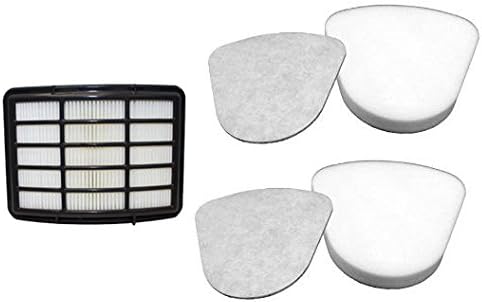


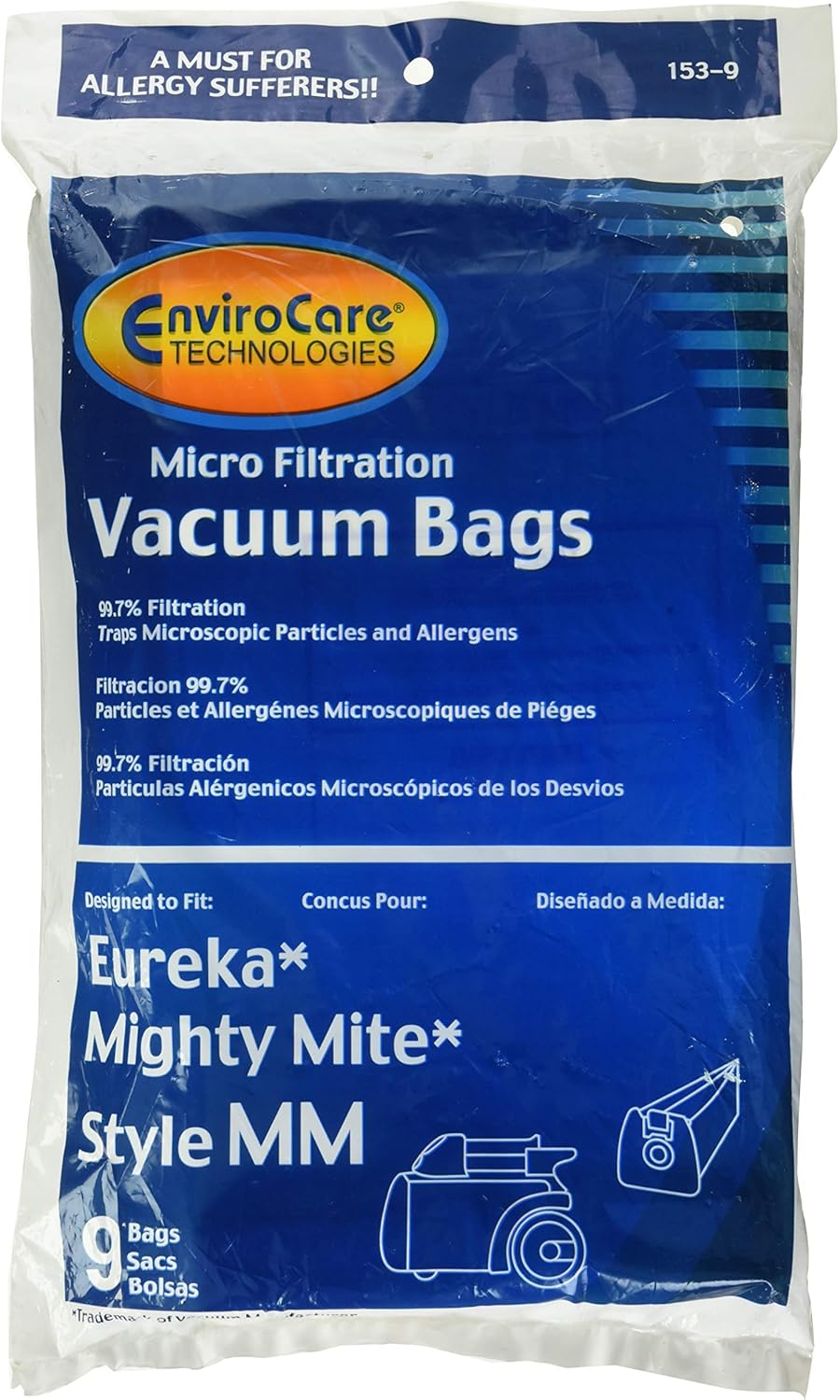
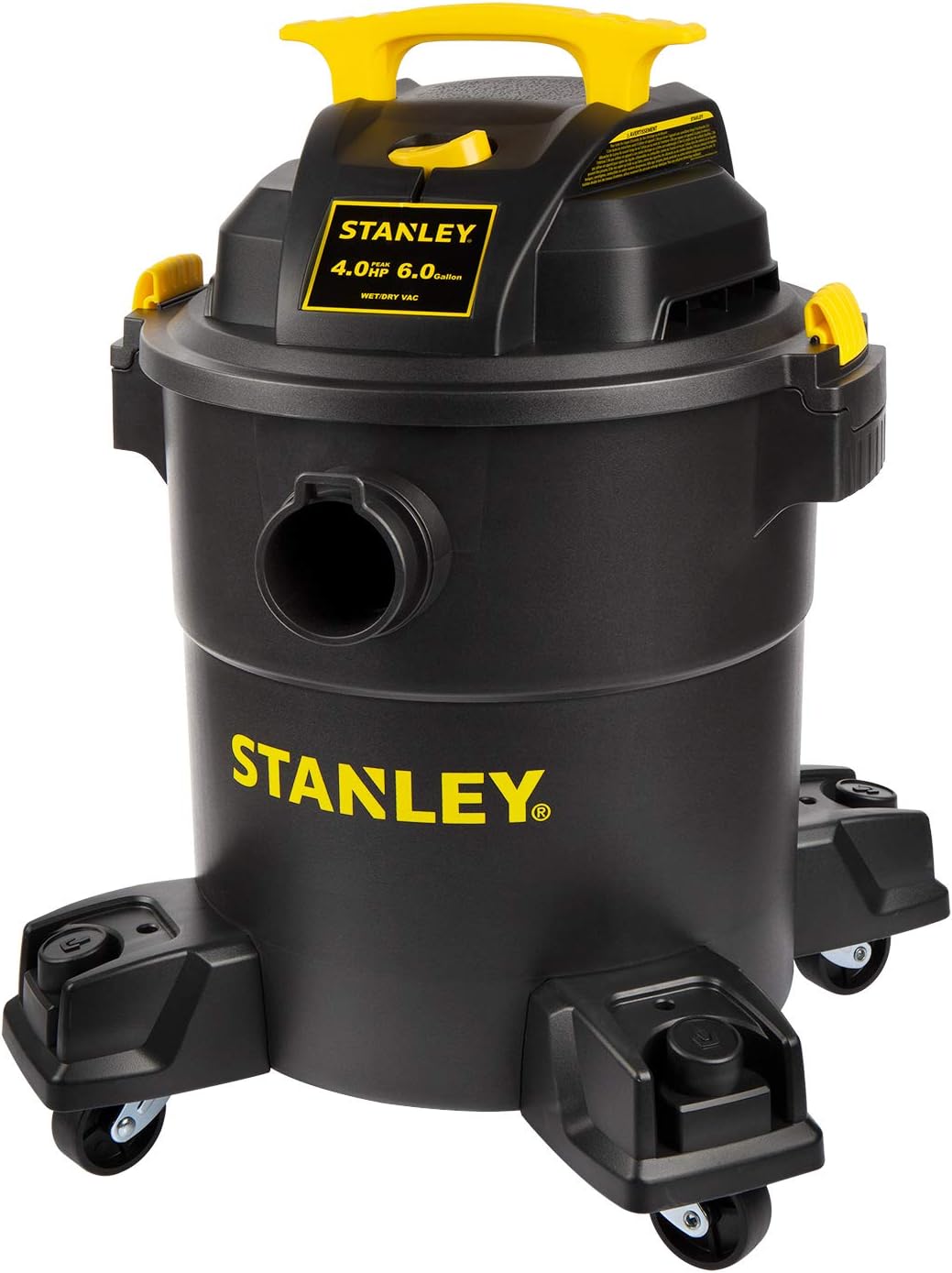

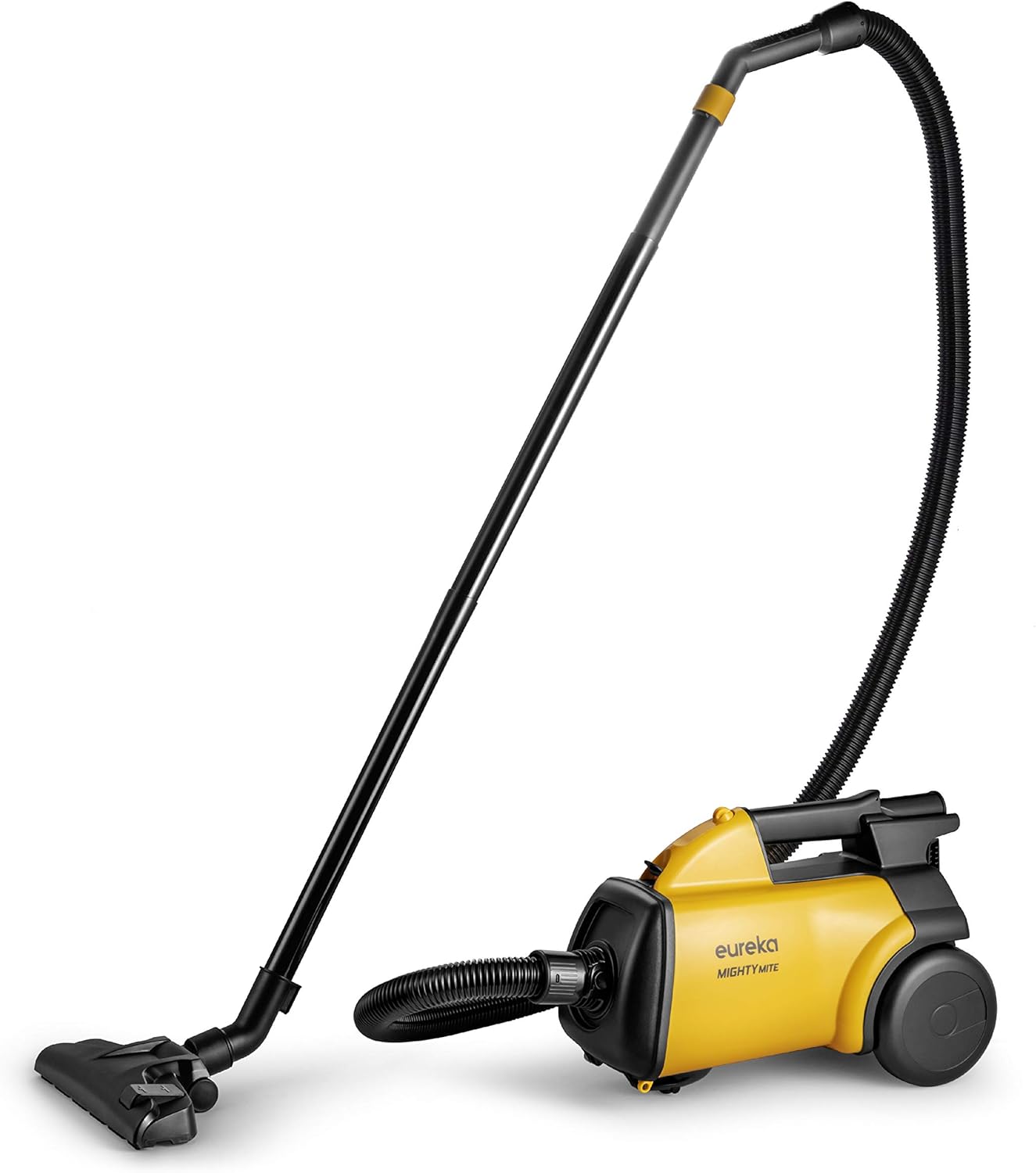


4 YOUR HOME SPARES & ACCESSORIES
See current price
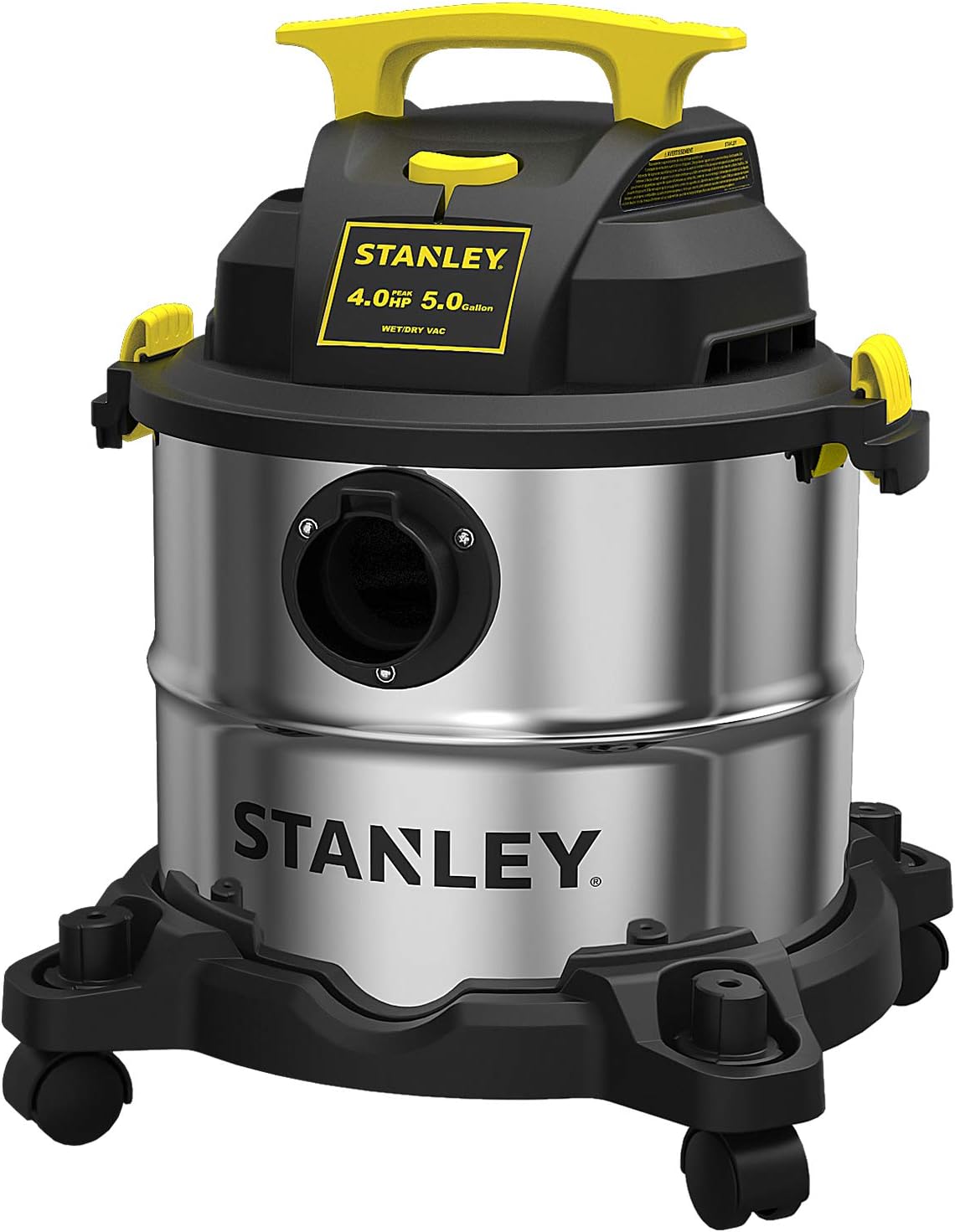

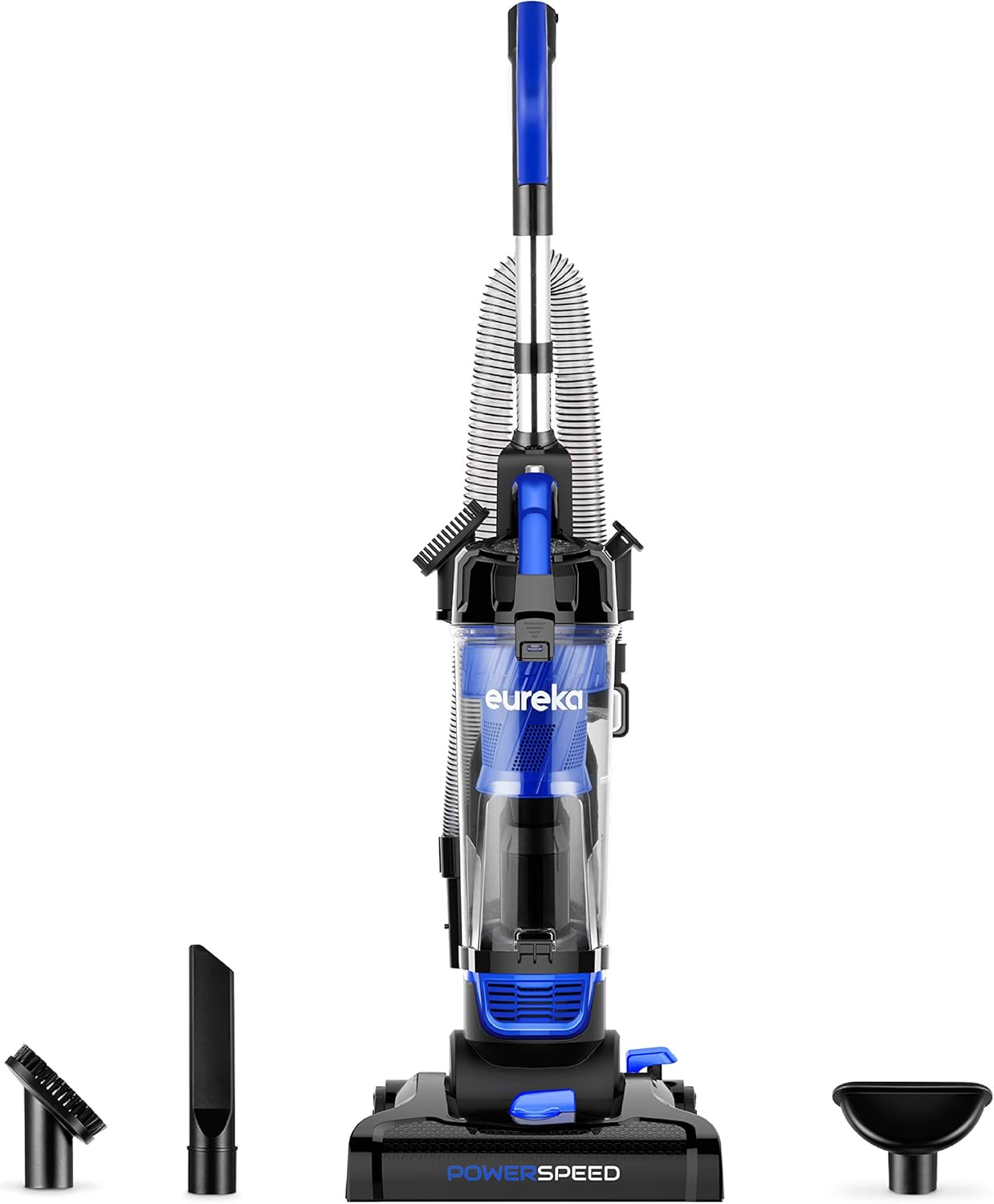
Whether you are maintaining offices, workshops, retail spaces, hotels, or other facilities, the right floor-cleaning equipment can make routine work more manageable. This category brings together vacuums and floor cleaning machines with different designs, power sources, capacities, and accessories.
Use the catalog to compare specifications and features side by side. The best choice depends on the surfaces being cleaned, the material being collected, how often the machine will be used, and the storage and maintenance requirements of your operation.
Start by identifying the type of debris and surfaces involved. Dry dust and loose debris may call for a standard dry vacuum, while workshops or maintenance areas may require equipment designed for heavier particles. If liquid pickup is part of the job, check that the machine is specifically intended for wet use rather than assuming a dry vacuum can handle spills.
Consider the size and layout of the cleaning area. A compact machine can be easier to store and maneuver around furniture, while a larger unit may reduce emptying or refilling interruptions. For stairs, narrow aisles, and crowded rooms, pay close attention to weight, handle design, hose reach, cord length, and the turning range of the cleaning head.
For facility-wide cleaning, the broader range of Janitorial & Sanitation Supplies can help you coordinate vacuum equipment with other maintenance needs.
The catalog does not use separate subcategory links here, so compare listings by their intended cleaning method and configuration. Common distinctions include:
For manual tasks that go beyond vacuuming, see Cleaning Tools. Equipment may work best as part of a broader cleaning system rather than as a single all-purpose solution.
Filtration is important when fine dust or airborne particles are a concern. Compare the stated filter type, whether filters are washable or replaceable, and how easily they can be accessed. A sealed design and suitable filtration can also affect how clean exhaust air is during operation.
Capacity determines how frequently the collection container or bag needs attention. A larger capacity may suit extended cleaning sessions, but it can also add bulk. Check whether the unit uses bags, a bagless container, a tank, or separate systems for wet and dry material.
Power and performance specifications should be read together rather than judged by one figure. Look for the manufacturer’s stated motor information, suction or airflow details where provided, and the intended material type. Electrical requirements, corded versus cordless operation, and battery charging needs can affect practical use.
Also compare the cleaning path, nozzle design, brush roll, attachments, hose length, onboard storage, noise information, and controls. If the machine will be used around delicate flooring, confirm that the brush and floor head are appropriate before purchase.
Brands represented in this category include Shop-Vac, shark, Bissell, Oreck, Eureka, Hoover, EnviroCare, roborock, Sanitaire, Vacmaster, Stanley, and RIDGID. Treat brand as one comparison point, then review the specific product’s construction, included accessories, filtration, power requirements, warranty information, and maintenance instructions.
Different brands may focus on different equipment formats, so comparing individual specifications is more useful than selecting by name alone. Make sure replacement bags, filters, belts, batteries, or other service parts are available when ongoing operation depends on them.
Before buying, verify that the machine fits your electrical setup and that its dimensions work with storage areas, elevators, vehicles, and cleaning closets. For cordless models, consider charging access and whether available battery capacity matches the expected work pattern.
Empty collection containers before they become overfilled, clean filters according to the manufacturer’s instructions, and inspect hoses, cords, wheels, brushes, and seals regularly. Wet-use equipment may require drainage and drying after use. Keep cleaning chemicals separate from vacuum equipment unless the product documentation specifically permits a particular application; related supplies are listed under Cleaning Chemicals.
For cleanup programs that also involve disposal, Waste Receptacles & Liners can complement the equipment selection.
The right type depends on the floor surfaces, debris, area size, and cleaning schedule. Upright, canister, wet/dry, and utility designs each suit different working conditions.
No. Confirm the product’s intended liquid applications, tank and filter requirements, and operating instructions before using a wet/dry vacuum on a spill.
Compare the filtration system, filter rating when provided, sealed construction, collection method, and filter maintenance requirements. The product documentation should define its intended dust applications.
Either can work. Bagged systems may simplify disposal, while bagless systems avoid purchasing bags. Compare capacity, emptying procedures, replacement parts, and dust exposure during maintenance.
Review the floor-head design, brush-roll settings, manufacturer’s surface guidance, and any risk of scratching or leaving moisture behind. Attachments can make a difference on delicate or uneven surfaces.