

Coffee, Tea & Espresso
Compare coffee, tea, and espresso equipment by brewing method, capacity, controls, and included features. Explore options for everyday cups, entertaining, and café-style preparation.
5,067 products in catalog
5,067 results
Filters
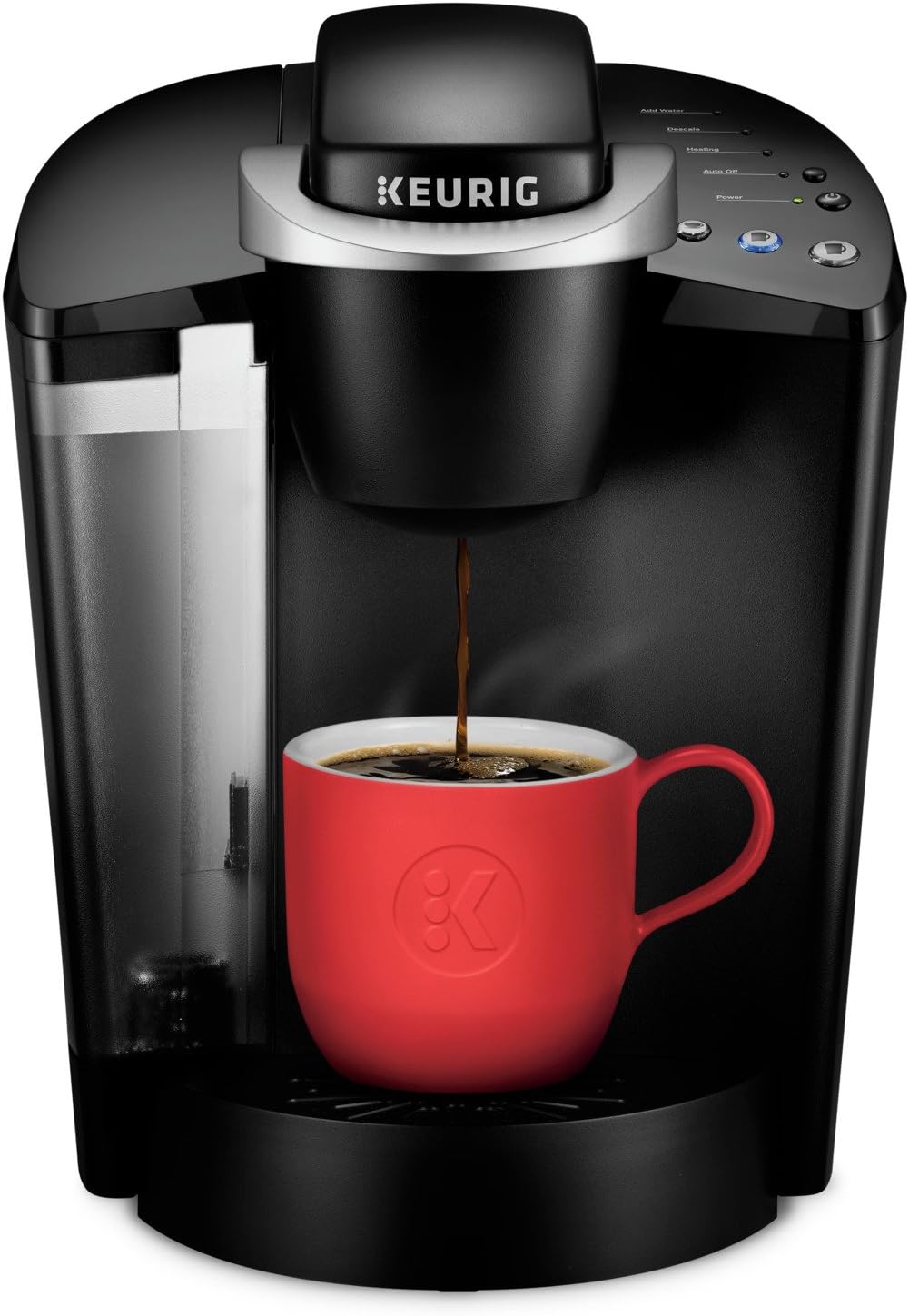

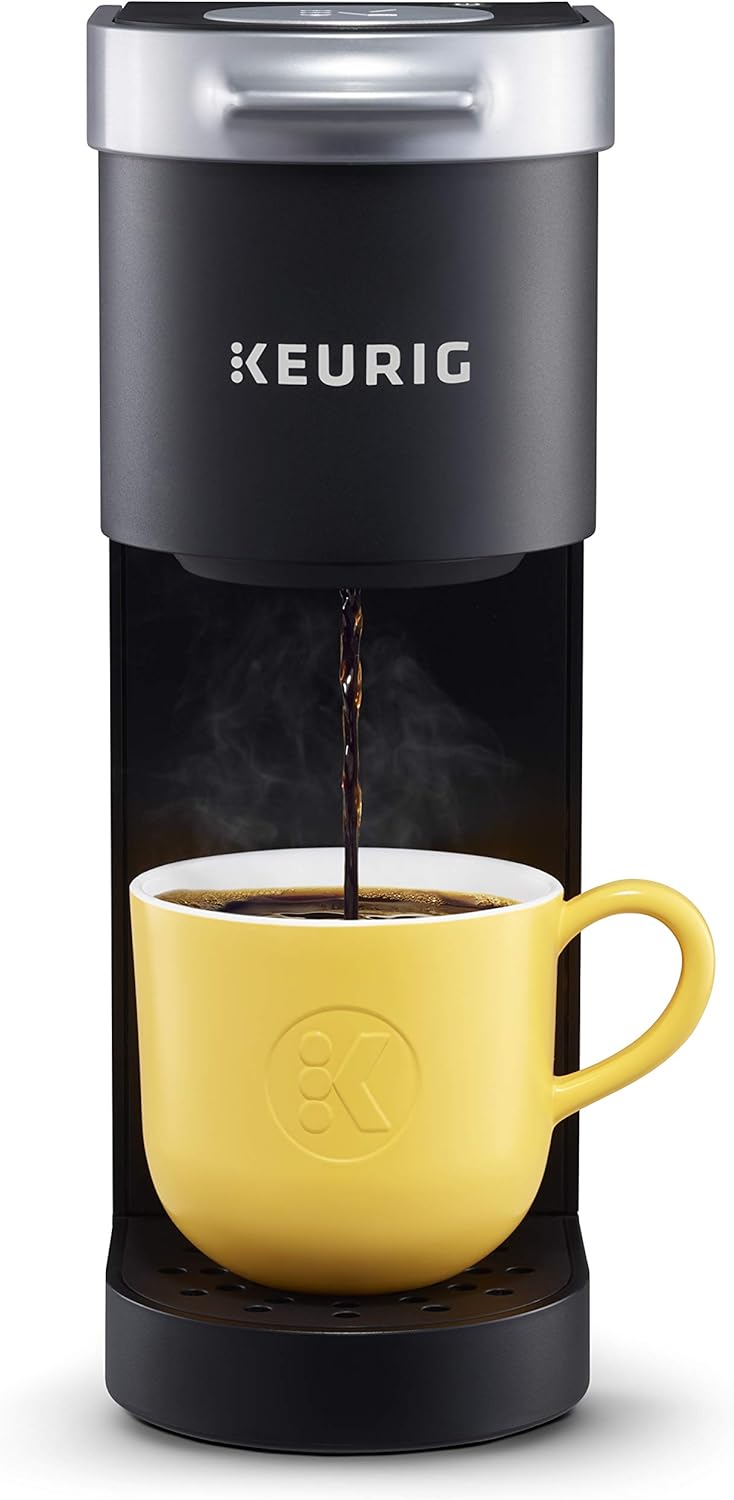
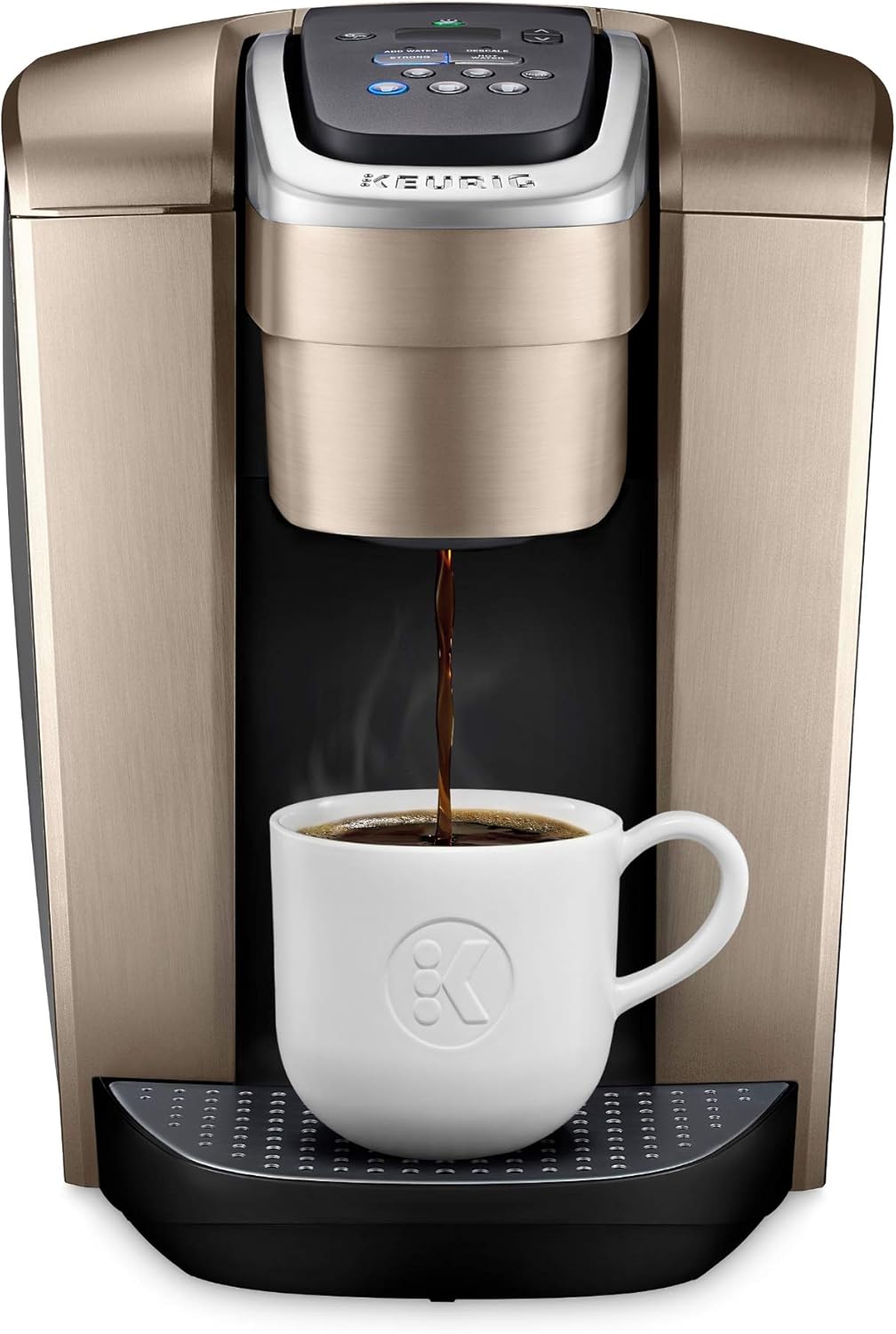


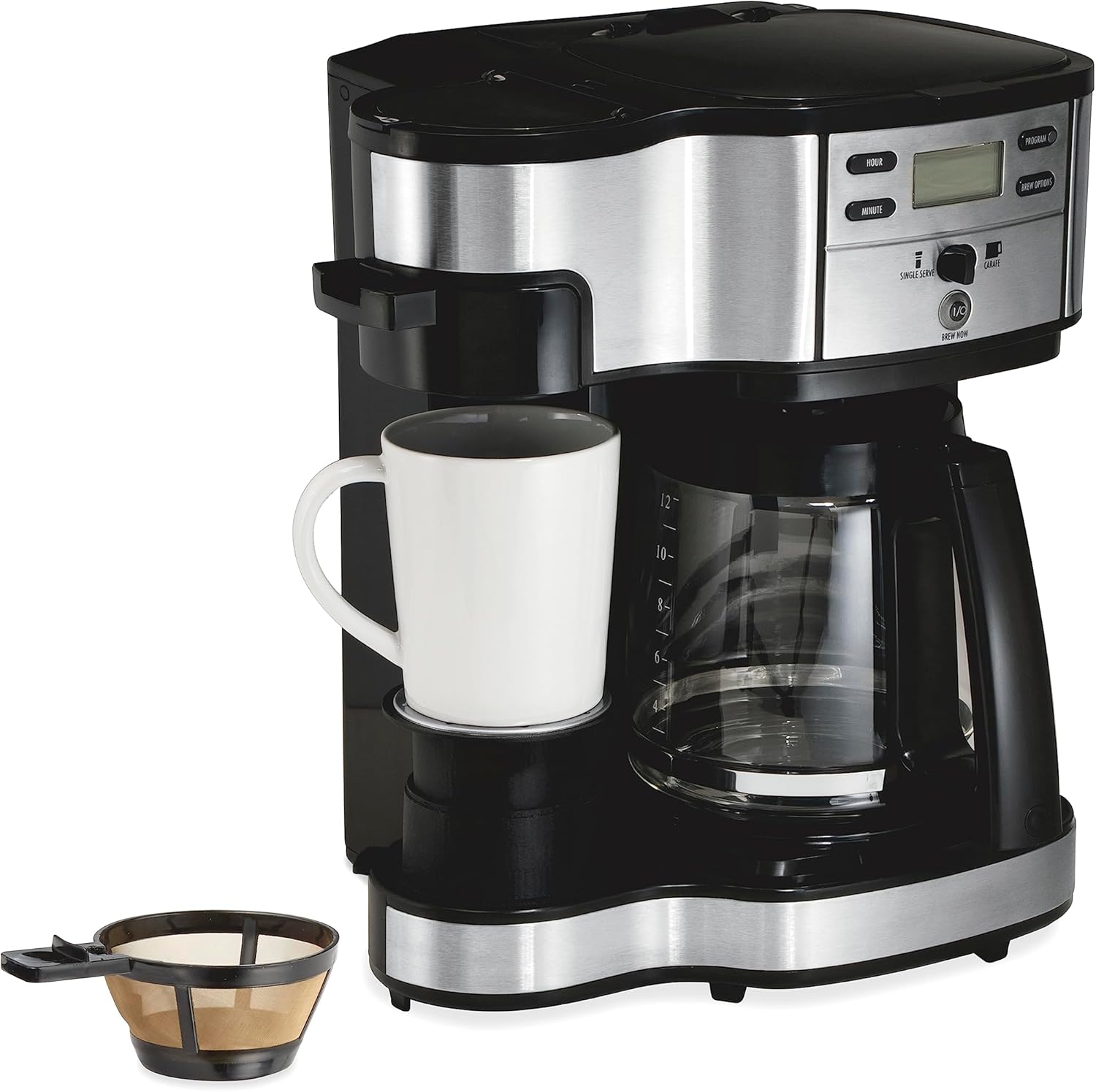
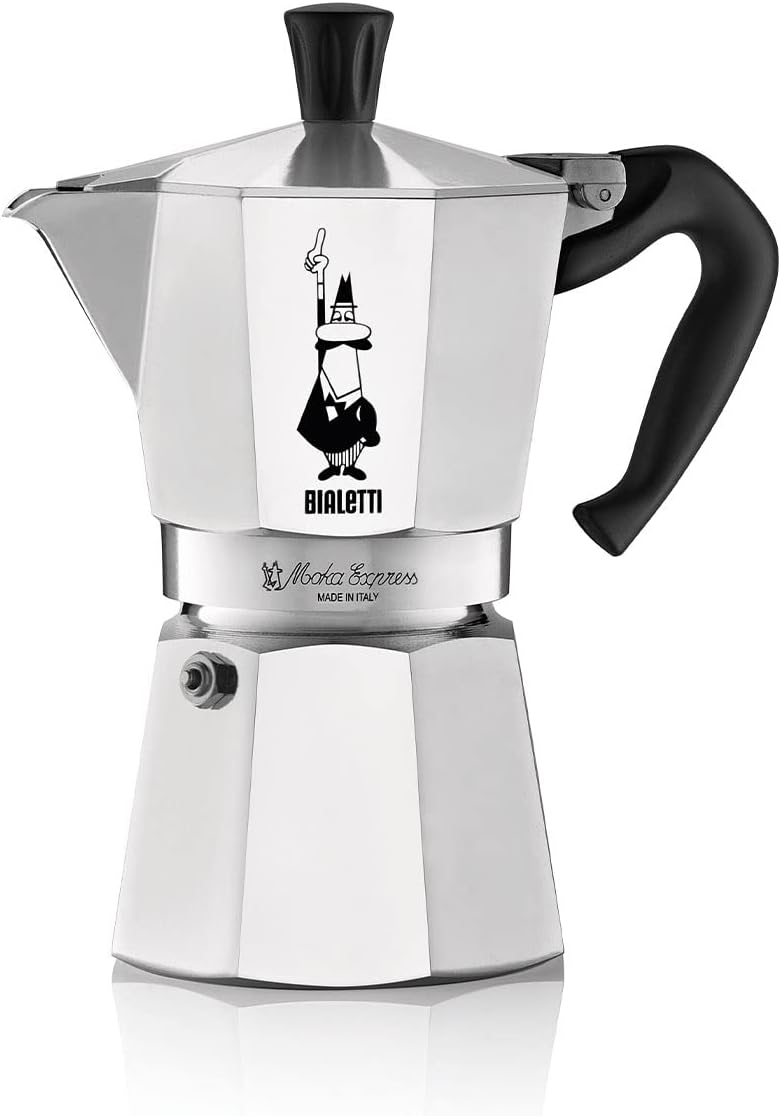

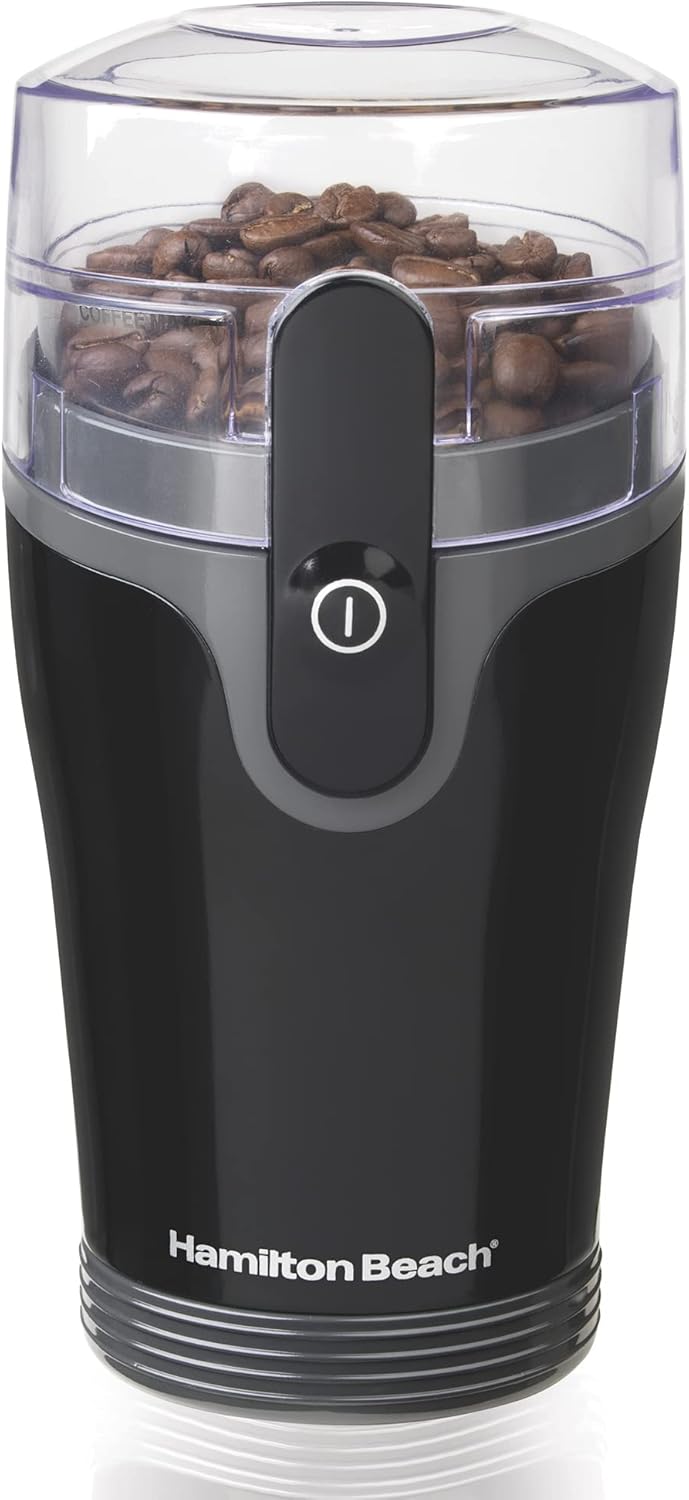

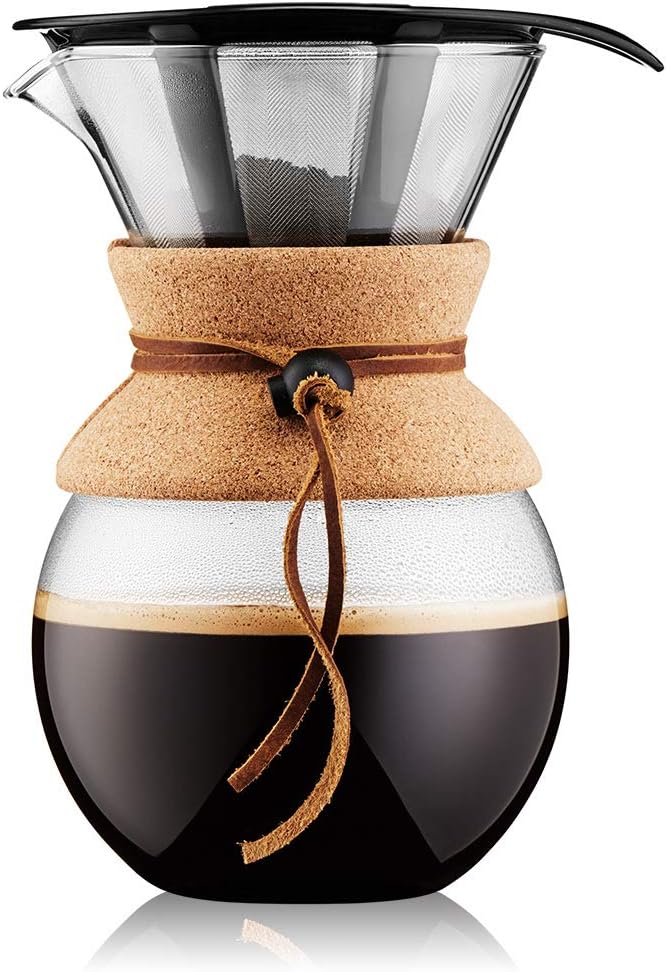


Popular brands in Coffee, Tea & Espresso
Whether you prefer drip coffee, espresso, loose-leaf tea, or convenient single-serve brewing, the right equipment depends on how you prepare drinks and what you value in your routine. This category brings together coffee, tea, and espresso products so shoppers can compare specifications and features before choosing.
Consider the space available in your kitchen, the amount you typically prepare, and how much control you want over the brewing process. A straightforward machine may suit a busy morning, while manual equipment can appeal to shoppers who enjoy adjusting each step.
How to choose coffee, tea, or espresso equipment
Start with the type of drink you make most often. Coffee makers are designed for preparing larger batches or individual servings, while espresso machines focus on concentrated coffee and may support milk-based drinks. Tea equipment ranges from simple kettles and infusers to dedicated brewers with more precise controls.
Key questions to ask include:
- What brewing style fits your routine? Automatic brewing is convenient, while pour-over, French press, moka pot, and other manual methods offer more hands-on control.
- How much do you prepare? Check the stated capacity and serving format to see whether the product suits personal use, a shared household, or entertaining.
- How much counter space is available? Measure the intended area and account for clearance needed to fill, operate, open, or clean the appliance.
- Which controls matter? Programmable timing, temperature adjustment, strength settings, frothing functions, and automatic shutoff can affect everyday usability.
- What maintenance is required? Removable parts, accessible water reservoirs, dishwasher-safe components, and descaling guidance can make regular care easier.
For more equipment used around the kitchen, browse Kitchen & Dining, the parent category for this collection.
Popular brewing types
Drip and automatic coffee makers
Automatic coffee makers are a practical choice for preparing multiple cups with limited hands-on work. Compare brew capacity, carafe design, warming features, programming options, filter format, and the ease of removing the water reservoir. A compact brewer may be suitable for a smaller kitchen, while a larger format can better support households that brew throughout the day.
Single-serve systems
Single-serve brewers are designed for quick preparation with less leftover coffee. Compatibility is especially important: check whether the machine accepts a particular pod format, ground coffee, or both. Also compare cup-size options, reservoir capacity, brewing speed, and the process for cleaning the puncture area and other removable parts.
Espresso machines
Espresso equipment varies from manual and semi-automatic designs to more automated machines. Compare pump or brewing specifications where provided, portafilter size, the type of controls, water-tank access, and whether a steam wand or milk-frothing system is included. Shoppers who want to experiment with grind size, dose, and extraction may prefer more manual control, while those prioritizing convenience may favor a guided or automatic design.
Stovetop and manual brewers
Manual options such as moka pots, French presses, pour-over brewers, and other non-electric designs can offer a direct way to control brewing. Look at material, capacity, heat-source compatibility, filter style, handle design, and cleanup. These products can also be useful when counter space or electrical access is limited.
Tea kettles and tea-brewing tools
Tea preparation may call for a kettle, infuser, teapot, or a combination of tools. Compare heating method, temperature controls, pouring design, capacity, and whether the infuser accommodates the type of tea you use. Loose-leaf tea generally needs room for the leaves to expand, while fine filters may be more suitable for smaller particles.
Features and specifications to compare
Product specifications help narrow the choices beyond appearance. Pay attention to the following details:
- Capacity: Look for the manufacturer’s stated water or beverage capacity, and consider how it translates to the serving sizes used at home.
- Materials: Stainless steel, glass, plastic, ceramic, and other materials can affect durability, heat retention, weight, and cleaning requirements.
- Temperature control: Adjustable temperature can be useful for different coffee and tea styles, but confirm the available settings and how they are controlled.
- Milk preparation: Espresso machines may include steam wands, frothers, or other milk features. Check the cleaning steps and the level of manual involvement.
- Filters and accessories: Confirm whether filters, baskets, scoops, carafes, infusers, or other accessories are included and whether replacement parts are easy to identify.
- Controls and display: Buttons, dials, touch controls, timers, and digital displays offer different balances of simplicity and customization.
- Cleaning and descaling: Look for removable components and clear care instructions. Coffee oils, mineral buildup, and milk residue each require appropriate cleaning.
- Safety features: Automatic shutoff, cool-touch surfaces, insulated handles, and secure lids may be important depending on the product type and household.
Related items such as organizers, serving pieces, and kitchen accessories can be found in Kitchen Utensils & Gadgets and Dining & Entertaining.
Brands represented in the catalog
The catalog includes products from Keurig, Mr. Coffee, Hamilton Beach, De'Longhi, Bialetti, Cuisinart, Gevi, Bodum, Breville, BLACK+DECKER, Hario, and Nespresso. These brands cover a range of automatic, manual, espresso, coffee, and tea-related equipment. Compare the specifications of individual products rather than relying on the brand name alone, since features, dimensions, controls, and included accessories can differ across a product line.
Setup, compatibility, and care tips
Before selecting an appliance, check the required power setup and make sure the available counter space allows the lid, reservoir, or filter basket to open fully. For stovetop equipment, verify compatibility with your cooktop. For pod-based products, confirm the supported pod system before purchasing supplies.
Water quality and cleaning can have a noticeable effect on ongoing use. Follow the manufacturer’s instructions for descaling, washing removable parts, and cleaning coffee or milk pathways. Do not assume every component is dishwasher-safe; confirm this in the product details. Store loose accessories, filters, and measuring tools where they remain dry and easy to reach. If you are comparing products for a coordinated serving area, Storage & Organization may provide useful complementary options.
When choosing a gift or equipment for a shared kitchen, consider user preferences as well as technical specifications. A person who enjoys experimenting may appreciate a manual brewer or adjustable espresso machine, while a household with varied schedules may value programmable operation and a larger reservoir. Products used alongside baking and meal preparation may also fit naturally with Bakeware or Small Appliances.
Frequently asked questions
What is the main difference between a coffee maker and an espresso machine?
A coffee maker generally prepares a larger, less concentrated beverage, while an espresso machine is designed to produce concentrated coffee using a specialized brewing process. Espresso machines may also include milk-frothing features.
Should I choose a manual or automatic brewer?
Choose automatic equipment for convenience, repeatable operation, and programmable features. Manual brewers may be a better fit if you enjoy controlling pouring, steeping, temperature, or extraction more directly.
What should I check before buying a single-serve brewer?
Confirm the compatible pod or capsule format, whether ground coffee is supported, available cup sizes, reservoir capacity, cleaning requirements, and the space needed around the machine.
How important is temperature control for tea?
Temperature control can be useful because different teas are often prepared with different brewing preferences. If this matters to you, compare the available temperature settings and how accurately they can be selected.
What espresso features are most important for beginners?
Look for controls that match your desired level of involvement, an accessible water tank, straightforward cleaning, and clear information about the portafilter, grinder compatibility, and milk-frothing method.
How can I keep coffee and tea equipment in good condition?
Clean removable parts regularly, follow the product’s descaling instructions, empty standing water when recommended, and remove coffee or milk residue promptly. Always follow the care guidance for the specific material and appliance.