
Greater Goods
Digital Kitchen Scale Digital Weight Grams and Ounces (Stainless Steel)
See current price

Compare kitchen utensils and gadgets for prep, cooking, baking, serving, and everyday kitchen tasks. Review materials, dimensions, compatibility, and care requirements before choosing tools for your space.
30,040 products in catalog
30,040 results
Greater Goods
See current price


BlenderBottle
See current price




KitchenAid
See current price

Cuisinart
See current price


Alpha Grillers
See current price


Kitchen utensils and gadgets can make everyday cooking more manageable, whether you are preparing a quick meal, baking from scratch, or organizing a compact kitchen. This category brings together practical tools for measuring, mixing, cutting, turning, straining, serving, opening, and handling food.
The right choice depends on the tasks you perform most often, the cookware and appliances you already own, and how much storage space you have. Use the catalog to compare specifications and features, then check the current product details before buying.
Start with the job a tool needs to perform. A utensil designed for stirring may not be suitable for scraping, lifting, or serving, while a gadget made for one narrow task may take up valuable drawer space. Consider whether the tool solves a recurring problem or simply duplicates something already in your kitchen.
Key questions to ask include:
For a broader look at products across the home kitchen, browse Kitchen & Dining. When choosing utensils, focus on useful specifications rather than selecting tools based only on appearance.
Kitchen utensils and gadgets cover a wide range of functions. Common types include spatulas, turners, tongs, whisks, ladles, spoons, peelers, graters, slicers, can openers, garlic tools, measuring tools, strainers, mashers, and food preparation accessories.
Preparation tools help with peeling, slicing, grating, crushing, measuring, and portioning. For these items, compare the working surface, handle design, cutting or grating style, and how easily the tool can be rinsed and dried. A tool with several functions may save storage space, but a single-purpose design can be simpler to use and clean.
Spatulas, turners, spoons, whisks, ladles, and tongs are used while food is heated or combined. Check heat-use guidance, handle length, grip shape, and the material of the working end. A longer handle can help keep hands away from hot cookware, while a shorter utensil may be easier to control in a small pan or bowl.
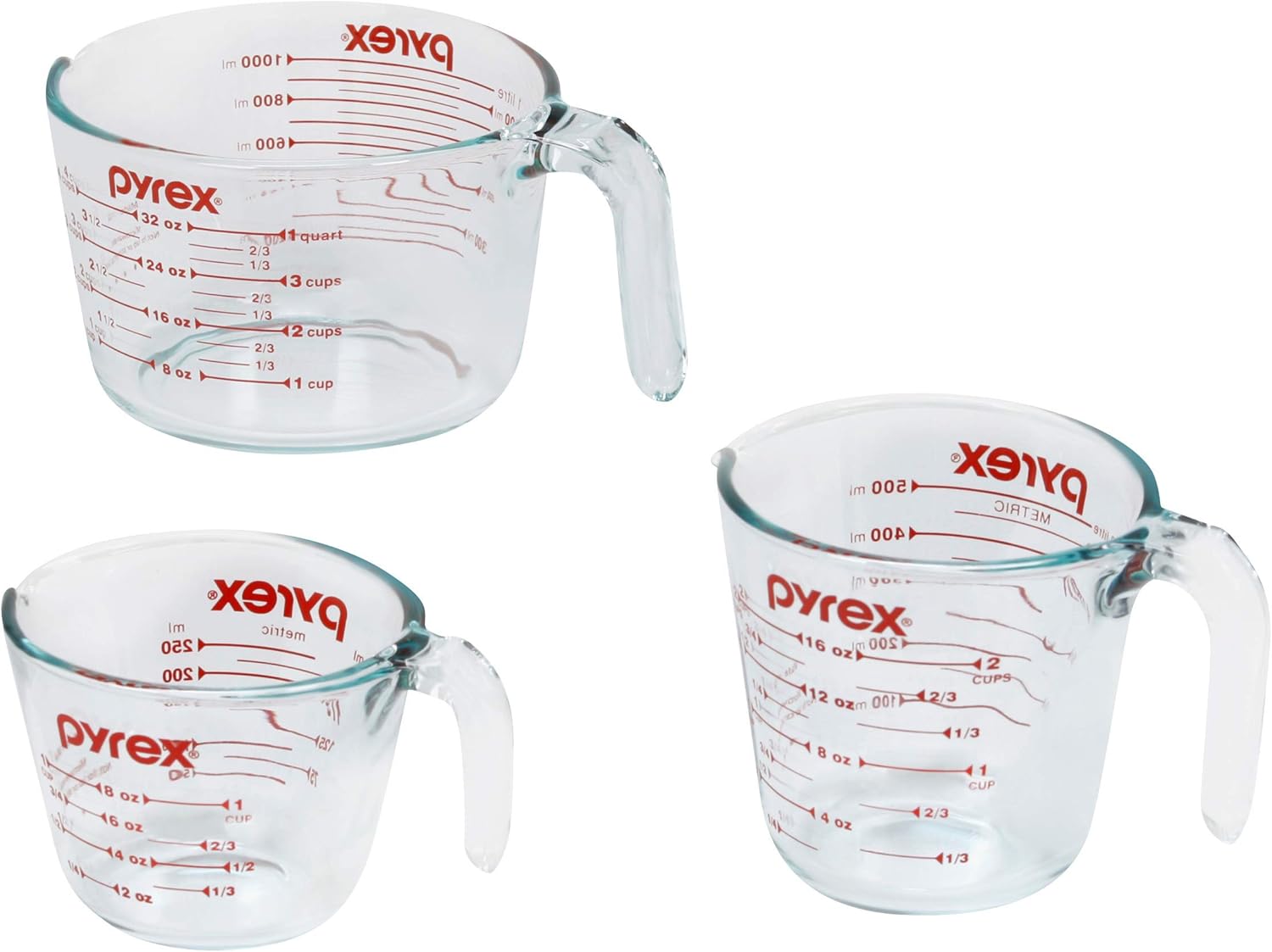
Measuring cups, spoons, scales, and portioning tools support repeatable results in cooking and baking. Compare the measurement units provided, readability, capacity, and storage method. If you prepare both wet and dry ingredients, consider whether the design is suited to those different textures and whether the measurements are easy to level or pour accurately.
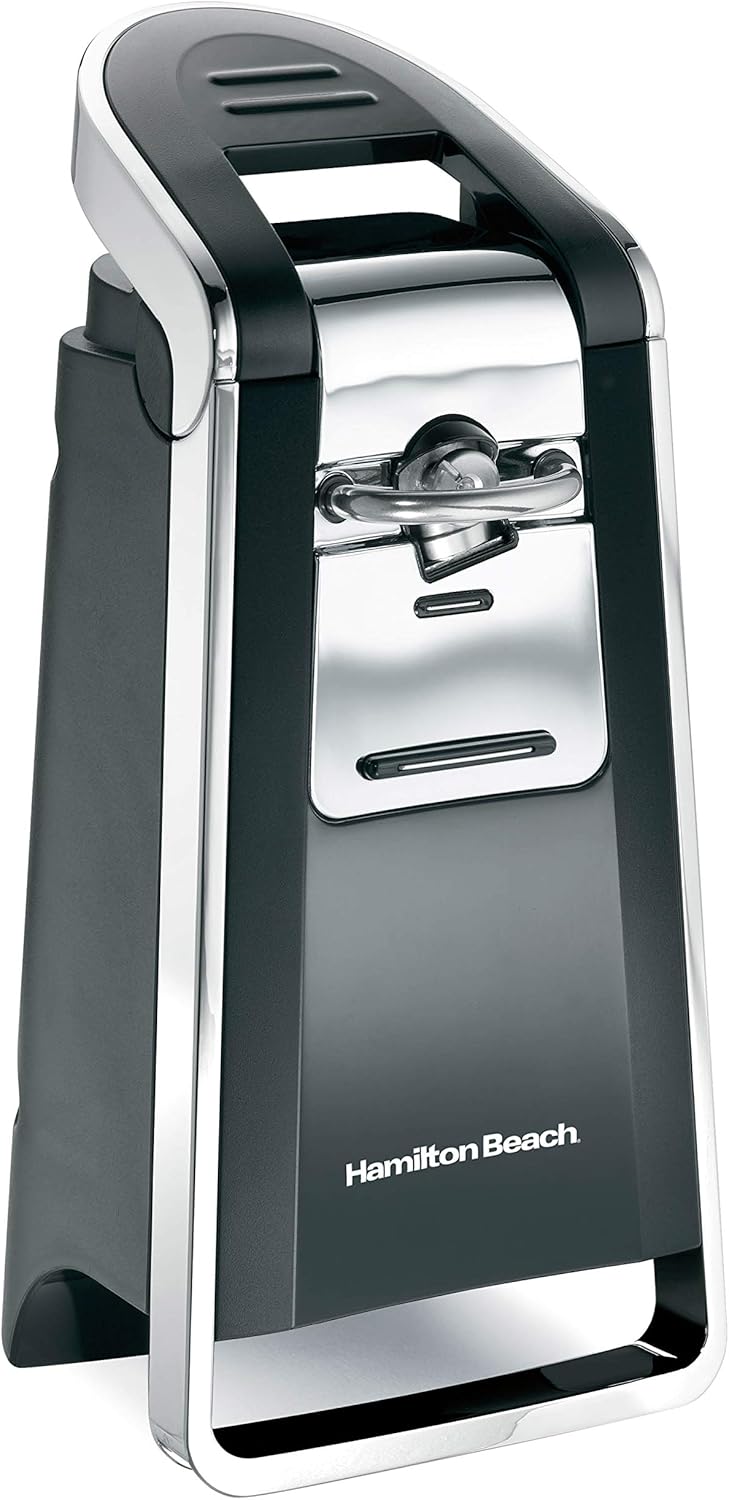
Serving utensils, openers, presses, strainers, and other specialty tools can be useful when they match your regular routine. Before choosing one, consider where it will be stored and whether its function could be handled by a tool you already own. Specialty gadgets are most practical when they improve control, reduce effort, or make a particular preparation step easier.
Material affects durability, flexibility, handling, and care. Stainless steel is commonly considered for rigid tools and working surfaces, while silicone or other flexible materials may be useful for scraping bowls and working around cookware. Plastic and composite handles can offer a lightweight feel, but construction details vary between products.
Look closely at how the tool is assembled. One-piece designs may have fewer seams to clean. Joined handles, hinges, springs, and removable components can be convenient, but they may require more attention during washing. For cutting, grating, or peeling tools, inspect the design of the active edge and follow the manufacturer’s handling guidance.
The handle is equally important. Compare grip shape, texture, balance, and length. If you cook for extended periods, a comfortable grip can matter as much as the tool’s head. For hanging storage, check for a hole or other storage feature; for drawers, consider whether the tool folds, nests, or has a low profile.
Utensil compatibility matters most when tools will be used with nonstick, enameled, ceramic, or otherwise delicate cookware. Check the product information for recommended surfaces and temperature limitations instead of assuming that every utensil is suitable for every pan.
Cleaning requirements should be part of the decision. Some tools have narrow slots, perforations, textured grips, or moving parts that can require thorough washing. If a product is listed as dishwasher suitable, confirm whether that applies to the complete item or only certain components, and follow the care instructions provided.
Storage also affects how useful a gadget will be. Measure the available drawer, crock, cabinet, or wall space before selecting oversized tools. Nesting measuring sets, stackable items, hanging utensils, and compact gadgets may be easier to keep accessible. Keep sharp or pointed tools protected and allow washed items to dry fully when the materials and design call for it.
For related kitchen organization products, explore Storage & Organization. Tools used primarily for baking may also fit naturally with Bakeware, while table-focused items can be compared with Dining & Entertaining.
The catalog includes kitchen tools from OXO, Norpro, KitchenAid, Victorinox, Joseph Joseph, Wüsthof, Zulay Kitchen, Westmark, KSMA, Patelai, Farberware, and Fox Run. These brands appear across different types of utensils and gadgets, so compare the specifications of individual products rather than assuming that every item from a brand has the same materials, dimensions, or care instructions.
When comparing products from different brands, pay attention to the details that affect daily use: the tool’s intended task, construction, working dimensions, handle design, storage features, compatibility, and cleaning instructions. Brand familiarity can help narrow a search, but the product specifications should guide the final choice.
A useful collection usually starts with versatile tools that support the meals you prepare frequently. Add specialized gadgets only when they solve a clear need. This approach can reduce clutter and make the tools you use most often easier to reach.
It can also help to group tools by task: preparation, cooking, measuring, baking, and serving. Keep frequently used items near the relevant work area, and check that handles and heads do not interfere with nearby cookware or appliances. For larger kitchen equipment, compare Cookware and Small Appliances separately so utensils are selected to complement, rather than duplicate, your setup.
Start with tools you use regularly, such as spoons, spatulas, tongs, measuring tools, or preparation tools. Compare the intended task, dimensions, material, grip, cookware compatibility, and cleaning requirements.
Not necessarily. Suitability depends on the specific product and the cookware surface. Check the manufacturer’s guidance for compatible surfaces and heat limitations before use.
Consider the size of your cookware, bowls, storage area, and hands. Longer tools may be useful for deeper pots, while compact utensils can be easier to control and store in smaller kitchens.
It depends on your routine. Multifunction tools can save space, but a single-purpose tool may be easier to operate, clean, and store for a task you perform often.
Review its intended use, materials, dimensions, moving parts, compatibility, storage needs, and care instructions. Make sure the gadget addresses a real kitchen task rather than adding unnecessary clutter.
Look for serving-focused utensils in this category and explore Kitchen & Table Linens for related table and kitchen accessories.