
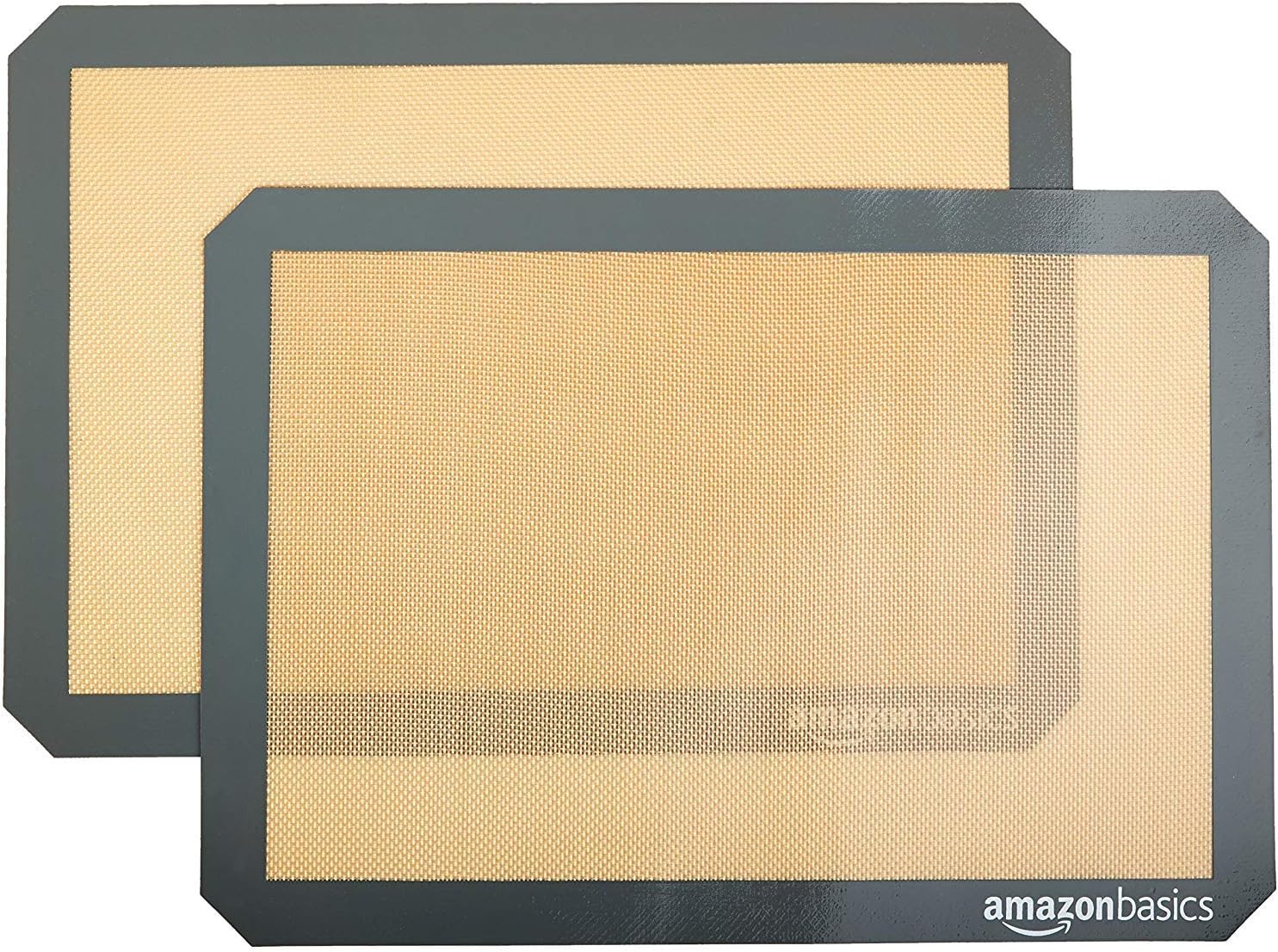
Bakeware for Cakes, Cookies, Bread & More
Compare bakeware by the recipes you make most, the pan materials you prefer, and the dimensions that fit your oven. Explore specifications and features before choosing pans, sheets, molds, and baking tools.
11,968 products in catalog
11,968 results
Filters

Amazon Basics
Amazon Basics Reusable Silicone Baking Cups, Muffin Liners - Pack of 12, Multicolor
See current price


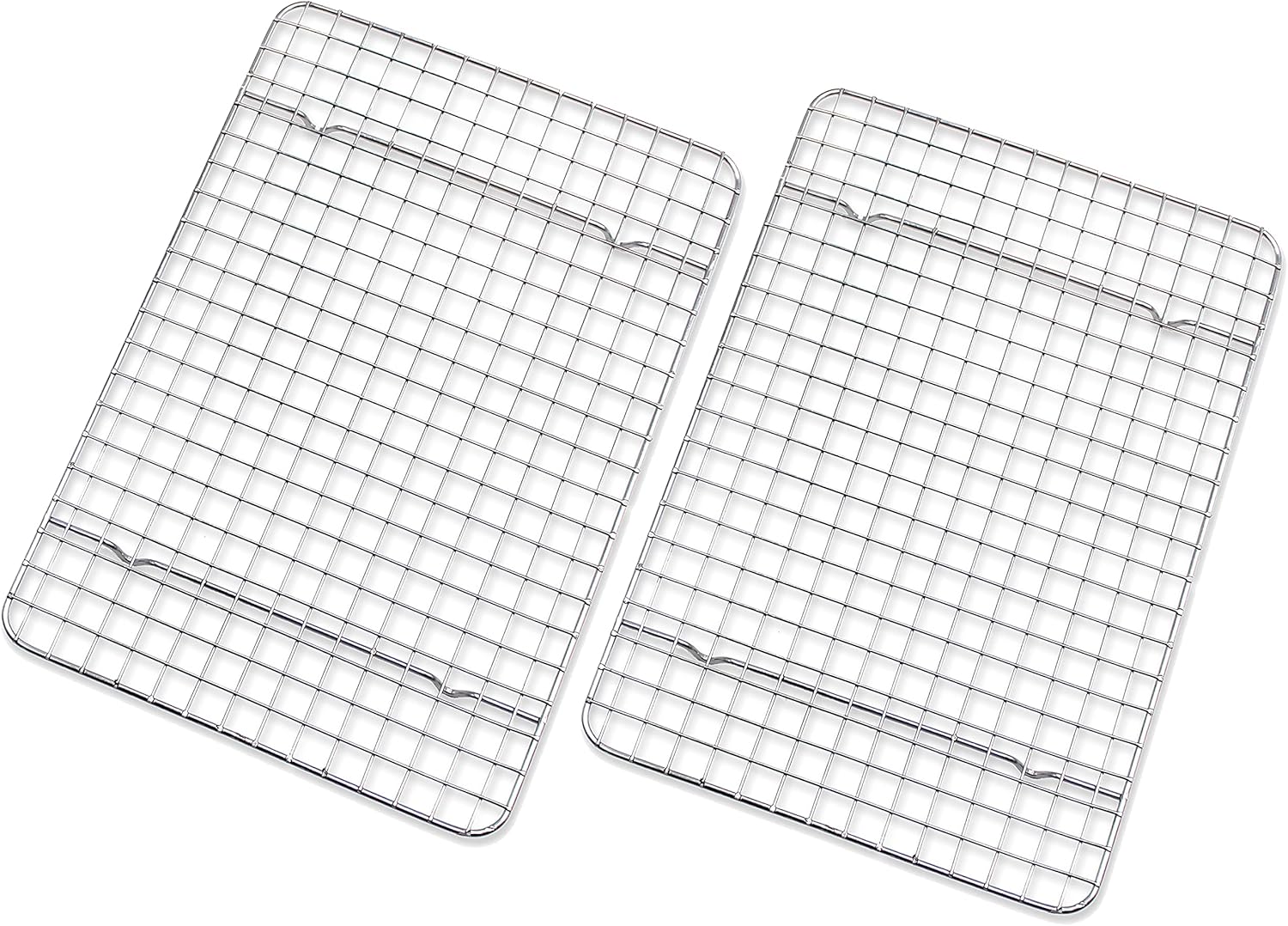

Reynolds
Reynolds Kitchens Pop-Up Parchment Paper Sheets, 10.7x13.6 Inch, 120 Sheets
See current price

Joseph Joseph
Joseph Joseph Adjustable Rolling Pin with Removable Rings, 13.6" x 1.75" x 1.75", Blue
See current price
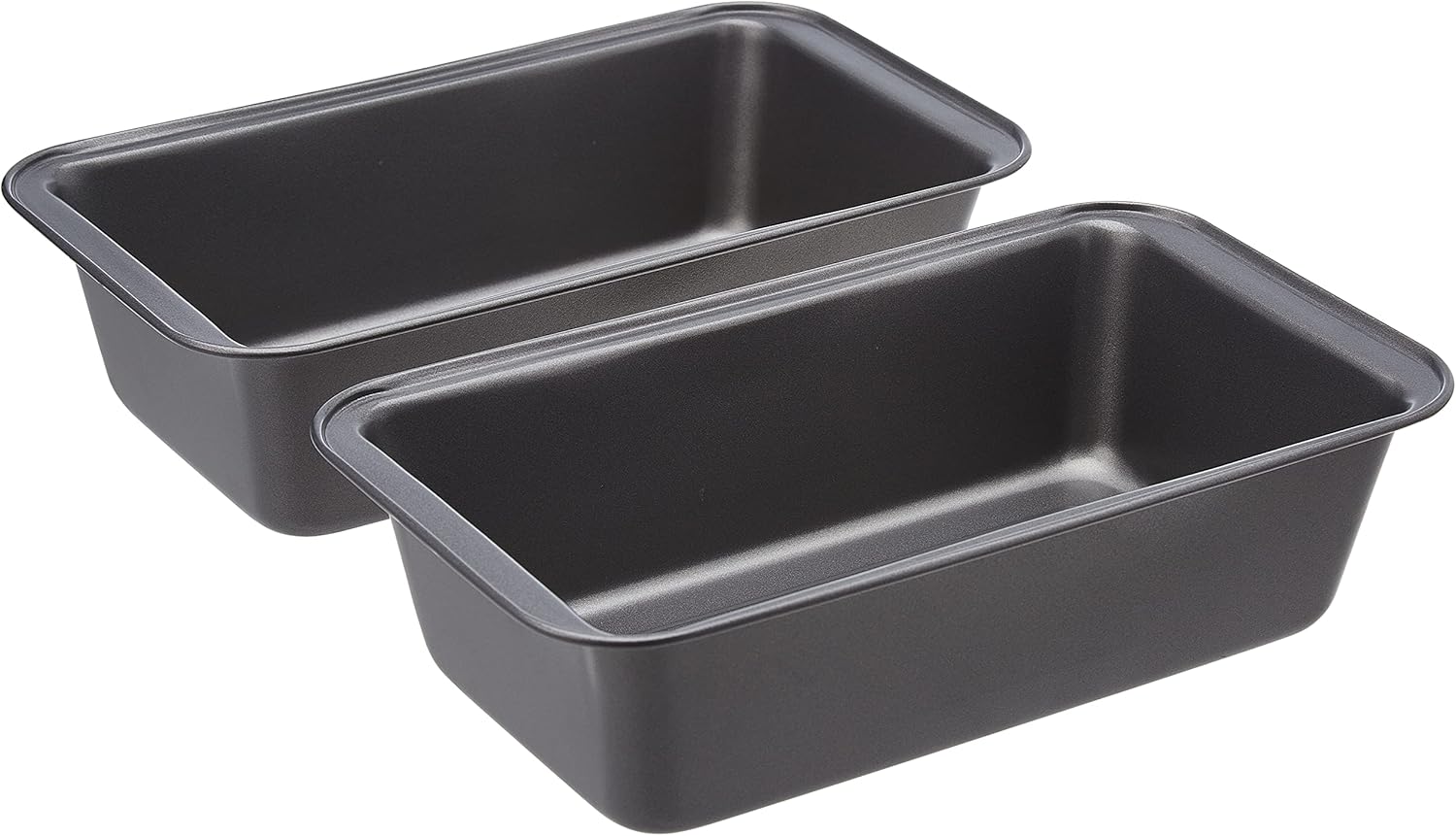
Amazon Basics
Amazon Basics Rectangular Baking Bread Loaf Pan, 9.5 x 5 Inch, Set of 2, Gray
See current price


Cuisinart
Cuisinart 14-Inch Pizza Pan, Chef's Classic Nonstick Bakeware, Silver, AMB-14PPP1
See current price

Rachael Ray
Rachael Ray Bakeware Nonstick Cookie Pan Set, 3-Piece, Gray with Red Grips
See current price

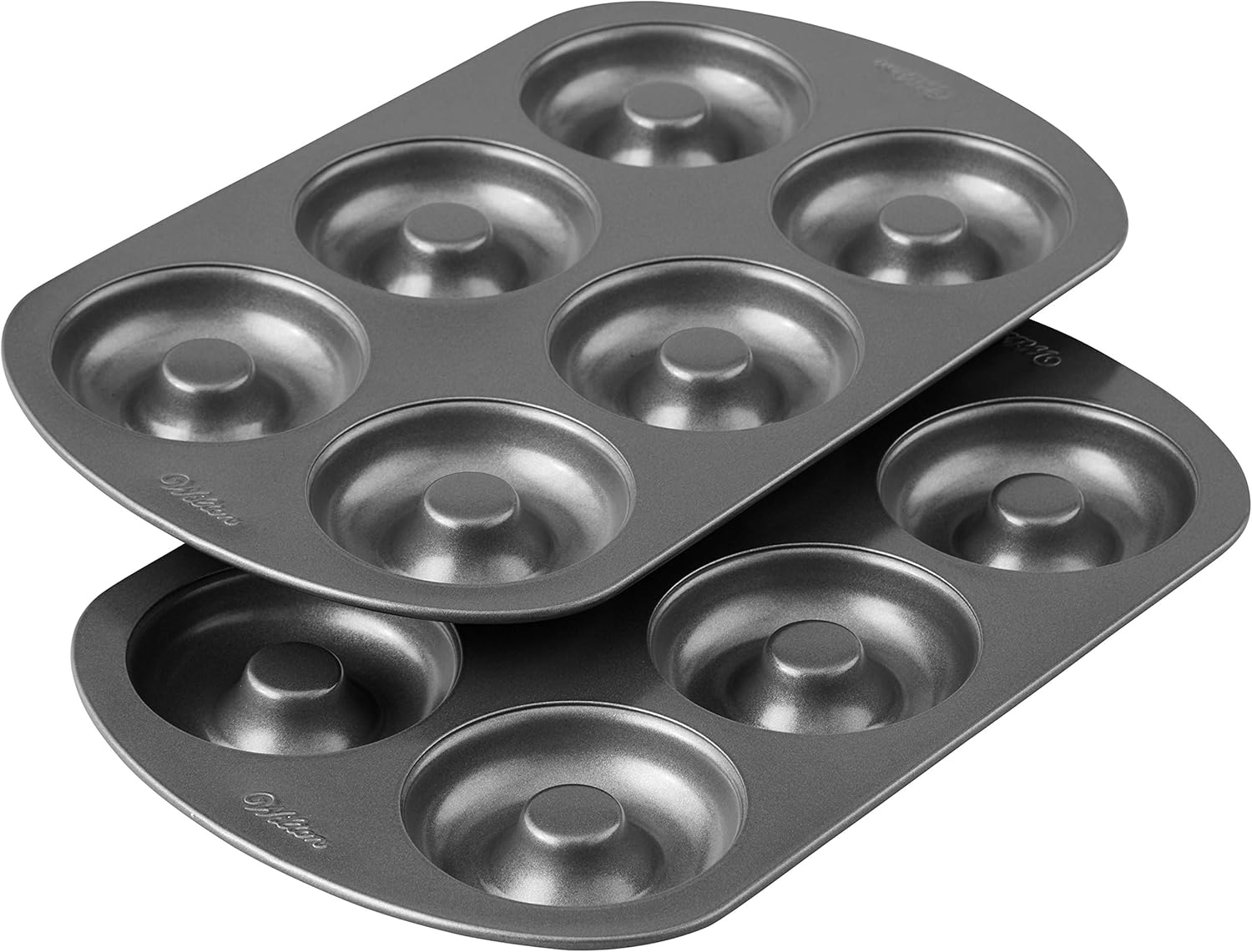





Popular brands in Bakeware
Bakeware covers the pans, sheets, dishes, molds, and accessories used to prepare baked foods. The right choice depends on what you make, how many portions you need, how easily you want food to release, and whether the piece can move safely from oven to table.
K-Catalog brings together a broad selection of bakeware from brands represented in the catalog, including Wilton, Nordic Ware, Pyrex, PME, Ateco, Norpro, Fox Run, and others. Compare each product’s specifications and features, then check the current listing on Amazon before buying.
How to choose bakeware
Start with the recipes you prepare most often. A home baker who makes cookies may get more use from rimmed baking sheets, while someone who prepares layered cakes may need round cake pans, decorating tools, or specialty molds. Bread bakers may prioritize loaf pans, proofing-related accessories, or heavy-duty vessels that support a consistent shape.
Consider these questions before comparing individual products:
- What are you baking? Match the pan shape and depth to the recipe rather than choosing based only on appearance.
- How much do you usually make? Check the stated dimensions, capacity, and number of cavities for single items and multipiece sets.
- How will you remove the food? Smooth surfaces, removable bottoms, flexible construction, or individual cavities may affect release.
- Where will it be stored? Large roasting-style pieces and specialty molds need more cabinet space than flat baking sheets.
- How will it be cleaned? Look for care instructions and consider whether hand washing is required.
Recipe instructions can vary, so always compare the listed dimensions with the pan size called for in the recipe. Changing the depth or surface area can affect baking time and the finished shape.
Common types of bakeware
Bakeware is often grouped by the food or technique it supports. These types can overlap, and a versatile kitchen may use several of them.
Cake pans and specialty molds
Round, square, rectangular, loaf, tube, and bundt-style pans are designed for different cake shapes. Specialty molds can create decorative forms, but their details may make greasing, filling, and cleaning more involved. Compare cavity design, depth, release features, and the finished dimensions.
Springform pans use a removable side to help release delicate cakes. They can be useful for recipes that are difficult to turn out, but the closure and base should be checked carefully for fit and cleaning requirements.
Cookie sheets and baking sheets
Flat sheets are suited to cookies, biscuits, pastries, roasted ingredients, and other foods that need a broad surface. Rimmed sheets can help contain juices or loose ingredients, while rimless designs may make sliding cookies or baked goods off the surface easier. Compare the exterior dimensions with your oven and storage space.
Muffin and cupcake pans
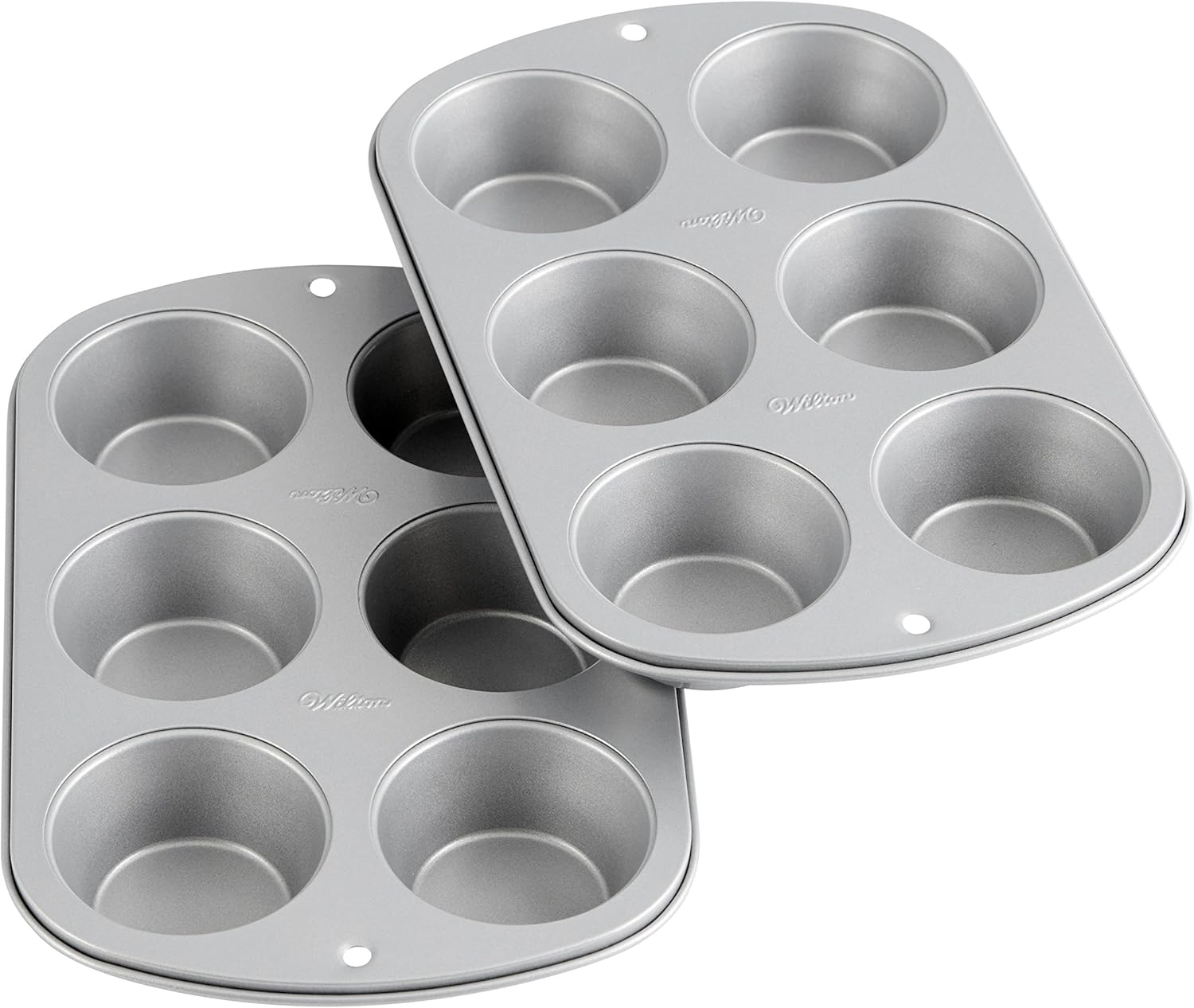
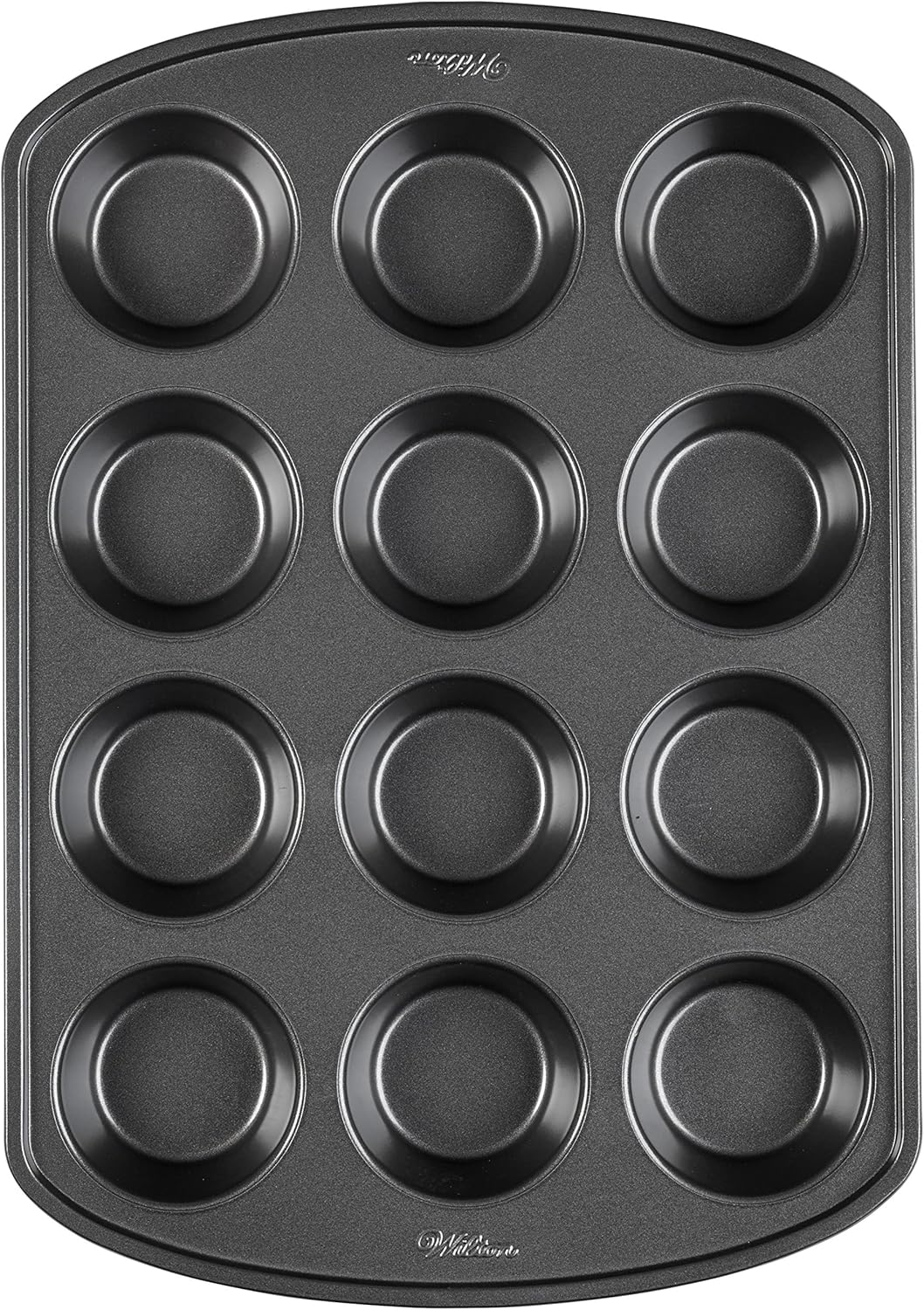
These pans divide the baking surface into individual wells. Compare the number, shape, and size of the cavities, as well as the spacing between them. Standard-looking names are not always enough to confirm compatibility with a recipe, so review the product dimensions and capacity details.
Bread, pie, and tart pans
Loaf pans support quick breads and yeast breads, while pie and tart pans are shaped for crust-based recipes. For these pieces, pay attention to depth, base shape, fluting, removable bottoms, and whether the design suits filled or unfilled recipes.
Baking dishes and casserole-style pieces
Baking dishes are useful for recipes prepared and served in the same vessel. Glass, ceramic, and other materials may have different care and temperature instructions, so read the manufacturer’s guidance before using a dish in the oven, under a broiler, or in a microwave.
Materials and features to compare
The material can affect heat response, browning, weight, durability, and care. No single material is ideal for every recipe.
- Metal: Often selected for its efficient heat response and variety of finishes. Compare thickness, color, coating, and whether the surface is designed to resist sticking.
- Glass: Lets you see the sides and bottom of some baked dishes. Check temperature guidance and avoid sudden temperature changes unless the manufacturer specifically permits them.
- Ceramic or stoneware: Often chosen for serving-friendly designs and substantial construction. Review heating, cooling, and cleaning instructions carefully.
- Silicone: Flexible pieces can make release easier and may fold or nest for storage. Confirm the stated temperature limits and whether support is recommended during filling or transfer.
Useful features may include a nonstick finish, textured or reinforced construction, handles, removable bottoms, straight or sloped sides, and nesting shapes. A coating can simplify release, but it still requires care that will not scratch or damage the surface. If a set includes multiple pieces, compare the dimensions of every item rather than relying on the set name alone.
Brands represented in the catalog
The Bakeware catalog includes products from Wilton, Ann Clark Cookie Cutters, Nordic Ware, Pyrex, Patelai, Sweese, Norpro, PME, Ateco, Fox Run, R&M International, and Webake. These brands appear across the available catalog, giving shoppers different designs, formats, and feature combinations to compare.
Brand familiarity can be a useful starting point, but the product specifications matter more for fit. Compare the exact material, dimensions, cavity count, temperature guidance, included accessories, and care instructions for the item you are considering. A brand may offer several bakeware styles, so avoid assuming that every product from the same brand has identical construction or care requirements.
Using and caring for bakeware
Before the first use, check the included instructions for seasoning, washing, temperature limits, and recommended utensils. Grease or line a pan when the recipe calls for it, even when the surface is described as nonstick. Avoid cutting directly in coated or delicate surfaces, and use tools appropriate for the material.
Allow hot glass, ceramic, and stoneware to cool according to the manufacturer’s guidance. Moving a hot piece onto a cold or wet surface can create thermal stress. Use oven mitts with sufficient coverage, and remember that handles and exposed metal edges can become hot.
Clean bakeware promptly using the method specified for the product. Stubborn residue may require soaking rather than abrasive scrubbing. Dry pieces completely before stacking them, and use protective layers when nesting items that could scratch one another. Store specialty molds and decorating tools where their shapes will not be crushed or bent.
For a broader kitchen setup, compare bakeware with Kitchen Utensils & Gadgets, Cookware, and Small Appliances. Serving and storage needs may also connect with Dining & Entertaining, Storage & Organization, and Kitchen & Table Linens.
Frequently asked questions
What bakeware should a beginner buy first?
Choose pieces that match the recipes you make most often, such as a baking sheet, a cake or loaf pan, and a baking dish. Confirm the dimensions, material, care requirements, and oven fit before adding specialty shapes.
Is metal, glass, ceramic, or silicone bakeware better?
Each material has different heat, release, weight, and care characteristics. Compare the recipe requirements, temperature guidance, storage space, and cleaning preferences instead of choosing by material name alone.
How do I know whether a pan will fit my oven?
Check the product’s exterior length, width, and height, then compare those measurements with the usable space inside your oven. Leave room for air circulation and safe handling when the pan is hot.
Are nonstick pans easier to use?
A nonstick surface may help with release and cleanup, but it still needs suitable utensils and cleaning methods. Follow the product’s care instructions and use grease or lining when recommended by the recipe.
Can all bakeware go in the dishwasher?
No. Dishwasher suitability varies by material, coating, finish, and construction. Review the manufacturer’s cleaning instructions before placing any piece in a dishwasher.
What should I compare in a bakeware set?
Check the material, dimensions, included pieces, pan shapes, temperature limits, coating, storage requirements, and care instructions. Make sure the set contains useful sizes for your recipes rather than pieces that will remain unused.