

Cookware for Every Kitchen and Cooking Style
Compare cookware by material, shape, capacity, cooking surface, and care requirements. This catalog makes it easier to explore pots, pans, sets, and specialty pieces for your kitchen.
8,550 products in catalog
8,550 results
Filters


Regency Wraps
Regency Wraps Cotton Butchers Cooking Twine for Meat Trussing, Food Prep, Natural, 200 ft Ball (Pack of 2)
See current price

Amazon Basics
Amazon Basics Enameled Cast Iron Covered Dutch Oven, 4.3-Quart, Light Pink
See current price
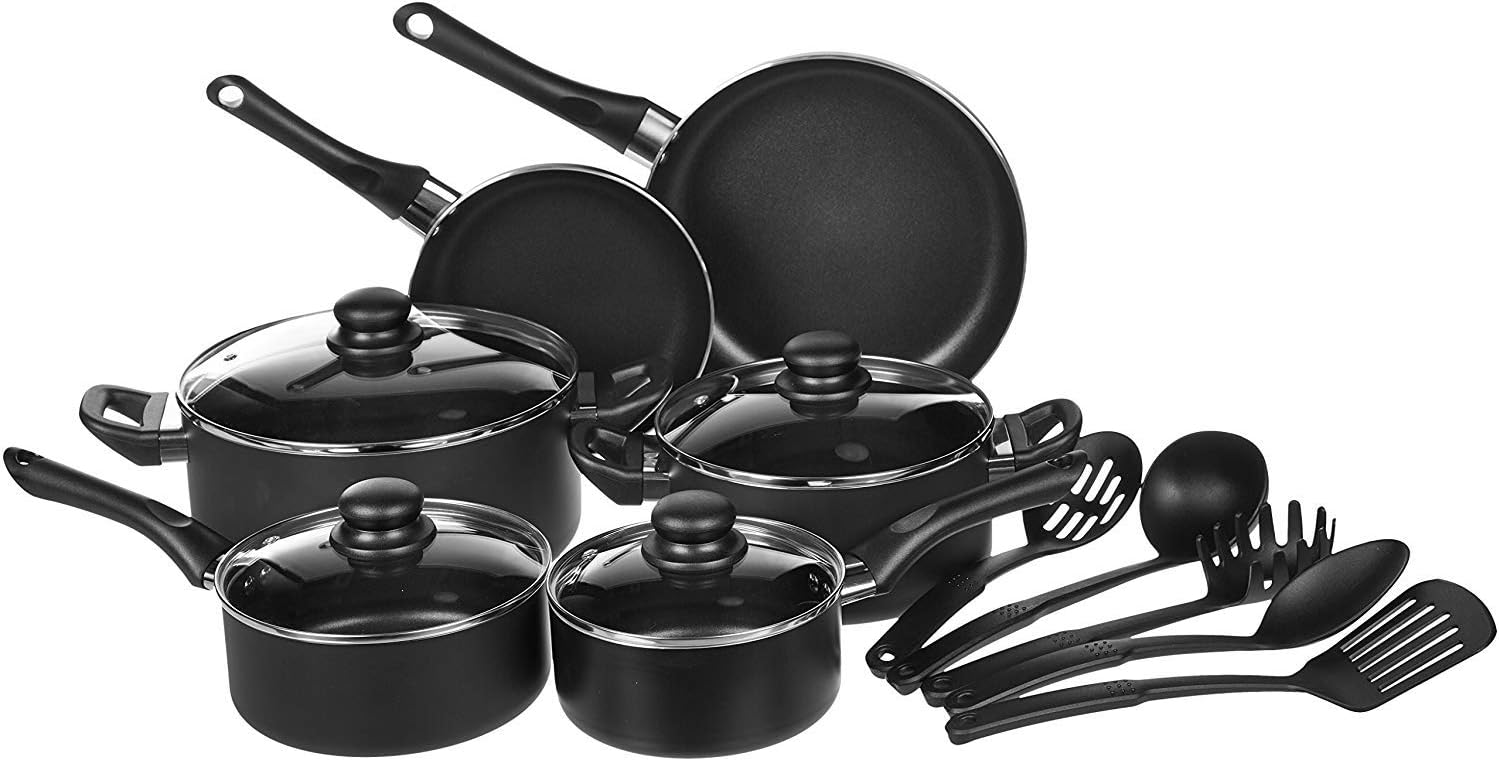
Amazon Basics
Amazon Basics Non-Stick Cookware 15-Piece Set, Pots, Pans and Utensils, Black
See current price


Lodge
Lodge Cast Iron Serving Pot Dutch Oven with Dual Handles, Pre-Seasoned, 7-Quart
See current price


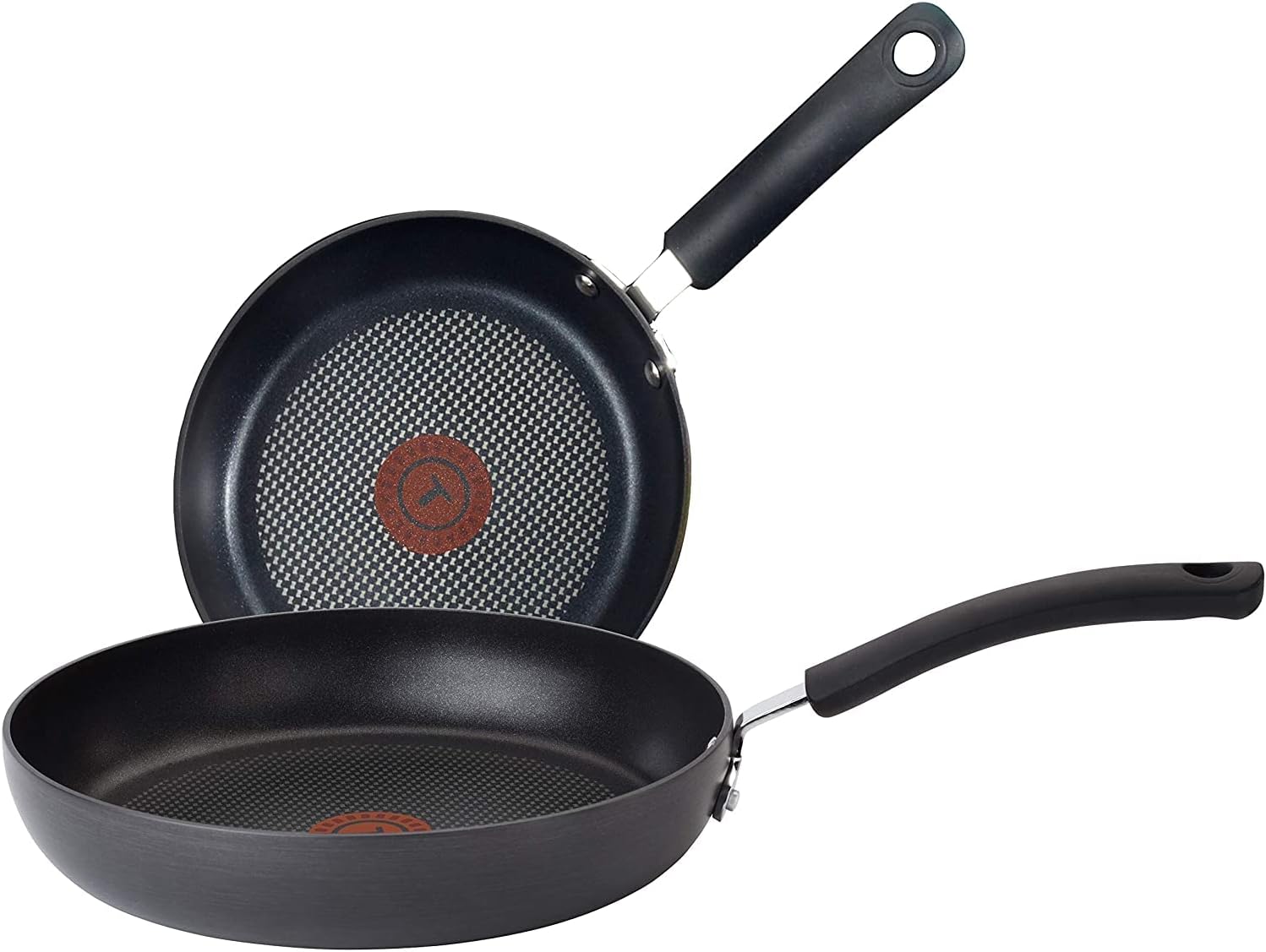


Instant Pot
Instant Pot IP-POT-SS304-60 Genuine Stainless Steel Inner Cooking Pot - 6 Quart
See current price

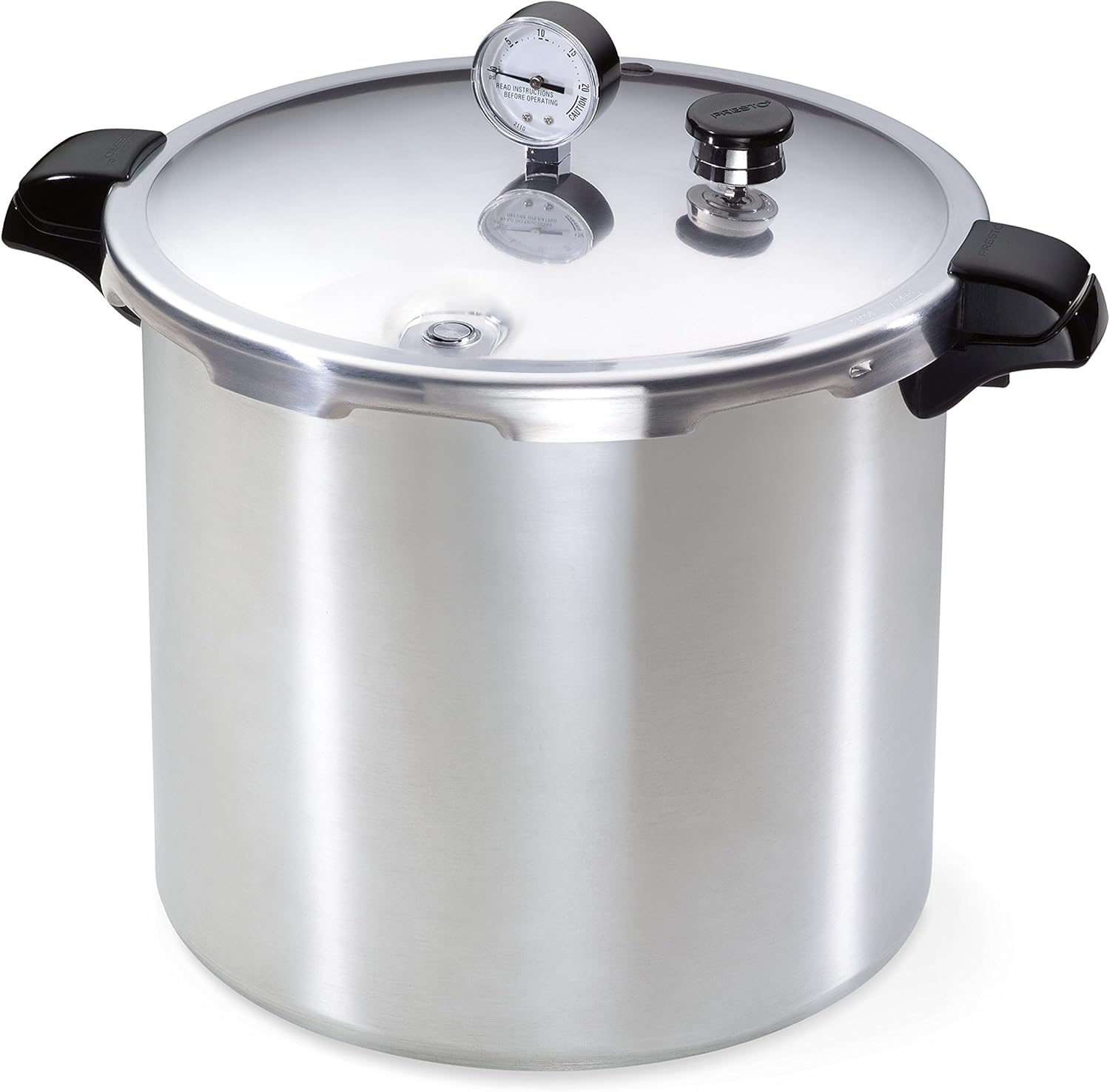
Rachael Ray
Rachael Ray Cucina Nonstick Cookware Pots and Pans Set, 12 Piece, Pumpkin Orange
See current price


Popular brands in Cookware
Cookware influences how evenly food cooks, how easily it releases from the surface, and how much effort cleanup requires. The right choice depends on what you prepare most often, the cooktop you use, how many people you serve, and whether you prefer individual pieces or a coordinated set.
K-Catalog brings together a broad selection of cookware to compare by construction, features, and intended use. Product specifications can help you narrow the options before checking availability and the current price on Amazon.
How to choose cookware
Start with the pieces you use most. A skillet may be the most useful choice for frying, sautéing, and one-pan meals, while a saucepan is suited to heating liquids, making sauces, and cooking smaller portions. A stockpot is more practical for pasta, soup, broth, and batch cooking. If you are replacing a complete collection, a cookware set can provide matching pieces and shared features.
Consider these factors before choosing:
- Cooking tasks: Match the shape and capacity to the meals you make regularly.
- Cooktop compatibility: Check whether the cookware is designed for gas, electric, ceramic, induction, or multiple cooking surfaces.
- Material and construction: Different materials affect heat response, weight, durability, and maintenance.
- Handles and lids: Look for comfortable handles, secure lid fit, and a design that suits your storage space.
- Care requirements: Confirm whether a piece is dishwasher-safe, hand-wash only, or needs special treatment.
- Available space: Large sets and tall stockpots need more cabinet or drawer room than individual everyday pans.
Common cookware types
Cookware is available in many shapes, and each one serves a different role. Comparing the cooking surface, side height, and capacity is often more useful than choosing based on appearance alone.
Skillets and frying pans
Skillets are versatile for eggs, vegetables, meat, fish, and sautéed dishes. A nonstick surface can be convenient for delicate foods and simpler cleanup, while stainless steel, cast iron, and other surfaces may suit different browning or high-heat preferences. Compare the diameter, side profile, handle design, and oven-use instructions.
Saucepans and sauté pans
Saucepans are useful for sauces, grains, oatmeal, reheating, and smaller portions. A sauté pan typically has a wider base and straighter sides, offering more room for reducing sauces or cooking ingredients in a single layer. A lid can help retain heat and moisture.
Stockpots and Dutch ovens
Stockpots are suited to soups, pasta, steaming, and larger batches. Dutch ovens generally have thick construction and a heavy lid, making them useful for braising, stewing, and slow cooking. Compare weight, interior capacity, lid design, and whether the piece is suitable for the oven as well as the stovetop.
Specialty cookware and sets
Specialty pieces may include griddles, woks, grill pans, roasting pans, pressure-cooking vessels, and multi-section pans. These can be useful when a particular cooking method is part of your routine. Sets may offer a consistent design across several pieces, but individual cookware can be a better fit when you already own useful lids or need only one replacement pan.
Materials and surfaces to compare
The material affects cooking behavior, handling, and care. No single option is ideal for every kitchen, so compare the specifications with your habits and cooktop.
- Nonstick cookware: Often chosen for easy food release and convenient cleanup. Check the manufacturer’s guidance for utensils, heat levels, oven use, and dishwasher care.
- Stainless steel: A durable, non-coated option that can be useful for searing, sautéing, sauces, and general cooking. Fully clad or layered construction may distribute heat differently from a simpler body.
- Cast iron: Known for substantial weight and heat retention. It may require seasoning or other maintenance, and users should check instructions for washing, drying, and cooking acidic foods.
- Enameled cookware: An enamel coating can provide a smooth cooking surface and may simplify care compared with uncoated cast iron. Examine oven limits, lid details, and cleaning instructions.
- Aluminum and aluminum-based cookware: Often selected for responsive heating and manageable weight. Look for the construction and surface treatment, since these vary between products.
- Ceramic-coated surfaces: Compare the stated care instructions, heat limits, and recommended utensils before choosing this type.
Key specifications and features
Product pages can differ considerably even when two pieces appear similar. Check the full specification list rather than relying only on the product name or images.
Capacity and dimensions are important for both cooking and storage. A pan that is too small may crowd ingredients, while an oversized piece can be awkward to lift or clean. Review the interior capacity, diameter, height, and overall dimensions when cabinet space is limited.
Oven and cooktop compatibility should be confirmed before purchase. Some cookware is stovetop-only, while other pieces can move from the stovetop to the oven. Handles, knobs, coatings, and lids may have separate temperature limits, so read the complete guidance.
Lids and handles affect everyday convenience. Tempered glass lids can make it easier to monitor food without lifting the lid, while solid lids may be preferred for heat retention. Riveted, welded, removable, or silicone-covered handles each have different cleaning and storage considerations.
Set contents deserve close attention. Compare the number and types of pieces, included lids, and whether the set contains sizes you will actually use. A coordinated set is not necessarily the most efficient choice if it includes duplicate or rarely used cookware.
Brands represented in the catalog
The cookware catalog includes products from Ball, Calphalon, Cuisinart, Le Creuset, T-fal, Pyrex, Lodge, Tramontina, Prestige, GOTHAM STEEL, Norpro, and Farberware. These brands appear across different cookware materials, formats, and kitchen needs. Compare each individual product’s construction, dimensions, compatibility, and care instructions rather than selecting by brand name alone.
Cookware can also be considered alongside other kitchen categories. Kitchen Utensils & Gadgets can help complete a cooking setup, while Bakeware is more focused on oven baking and dessert preparation. For serving and meal presentation, browse Dining & Entertaining. Storage & Organization may be useful when planning where to keep pans, lids, and accessories.
Care, compatibility, and safety tips
Follow the care instructions supplied with each piece, especially for coated surfaces, cast iron, glass lids, and cookware with detachable components. Avoid sudden temperature changes when the manufacturer advises against them, and use utensils suitable for the cooking surface.
Before buying, verify that the cookware fits your burners and works with your cooktop. Induction compatibility is not universal, and a piece that works on a gas or electric burner may not work on induction. Also check whether the pan can fit inside your oven and whether its handles require special protection.
For storage, allow cookware to cool before cleaning and drying it fully when required. Stackable pieces can save space, but use the recommended protection between surfaces if contact could cause scratches. Keep lids and handles in mind when measuring cabinets or drawers.
Frequently asked questions
What cookware pieces are most useful for everyday cooking?
A skillet, saucepan, and medium or large pot cover many everyday tasks. The best combination depends on meal size, cooking habits, and available storage.
Is a cookware set better than buying individual pieces?
A set can provide matching cookware and shared features, while individual pieces let you choose only the shapes and sizes you need. Compare the included pieces before deciding.
How do I choose cookware for an induction cooktop?
Check the product specifications for explicit induction compatibility. Compatibility should not be assumed from the cookware’s appearance or material alone.
Which cookware is easiest to clean?
Nonstick and some coated surfaces are often selected for convenient cleanup, but care varies. Always check whether the cookware is dishwasher-safe and which utensils or cleaners are recommended.
Can cookware go from the stovetop into the oven?
Some cookware is designed for oven use, but temperature limits can vary by pan, coating, handle, lid, and knob. Confirm the complete oven-safety instructions before using it this way.
Should I choose a nonstick or uncoated cooking surface?
Choose based on the foods you prepare, desired browning, cleanup preferences, and care routine. Compare the surface instructions and heat limitations for each product.