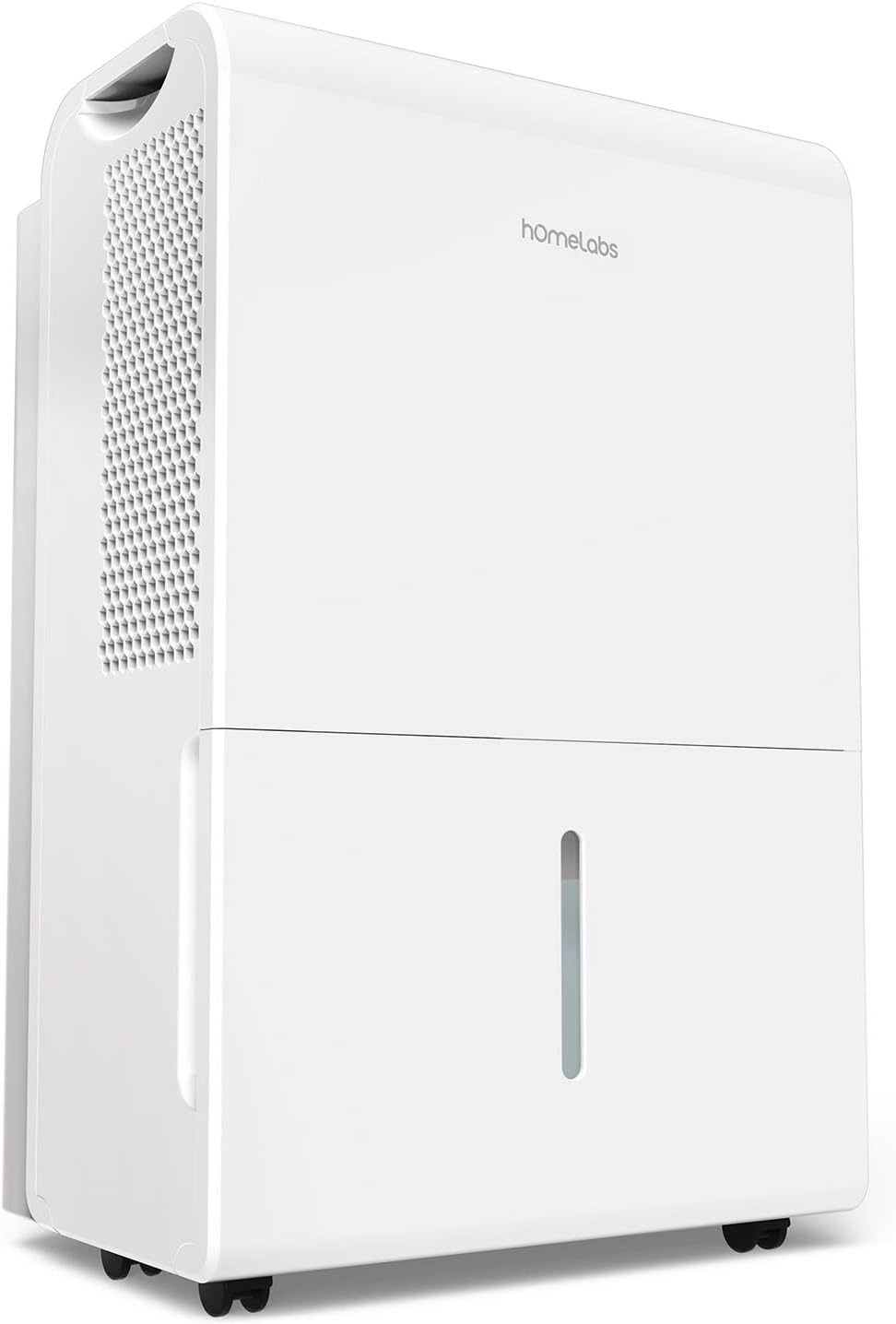
HOmeLabs
hOmeLabs 4,500 Sq. Ft Energy Star Dehumidifier for Extra Large Rooms and Basements
See current price

Compare dehumidifiers by room use, moisture-removal capacity, drainage options, controls, and operating features to find a practical fit for your home.
435 products in catalog
435 results
HOmeLabs
See current price

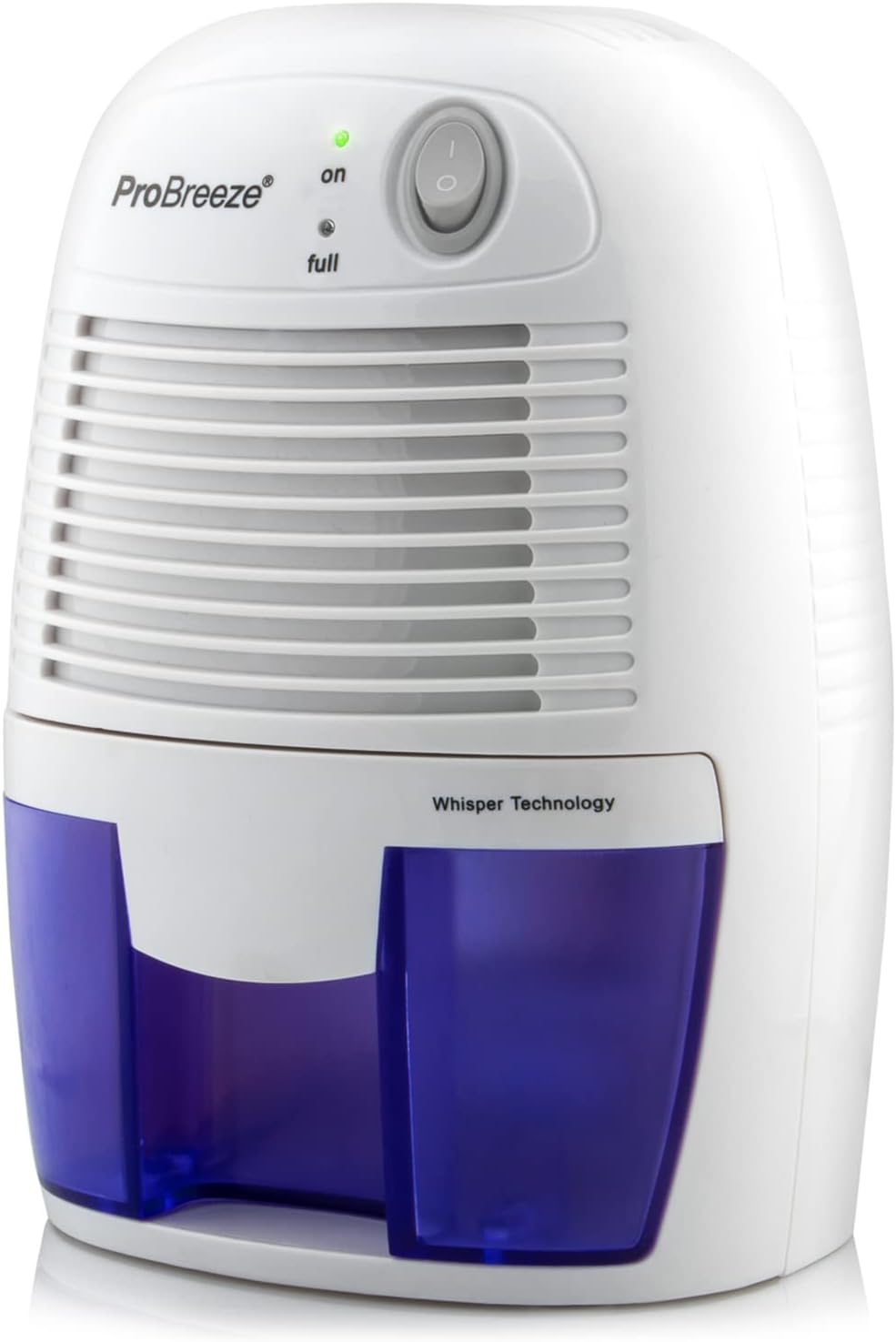
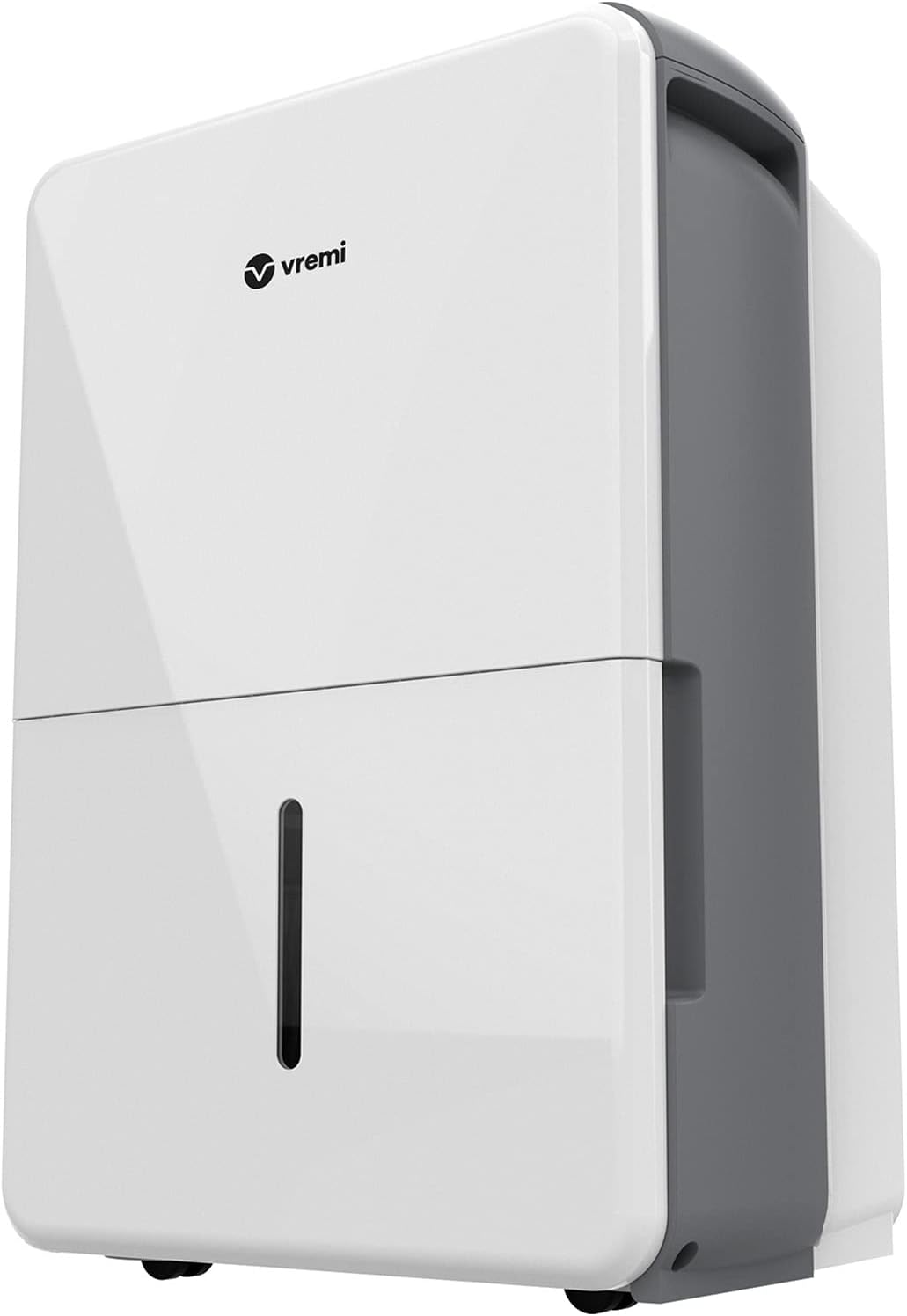
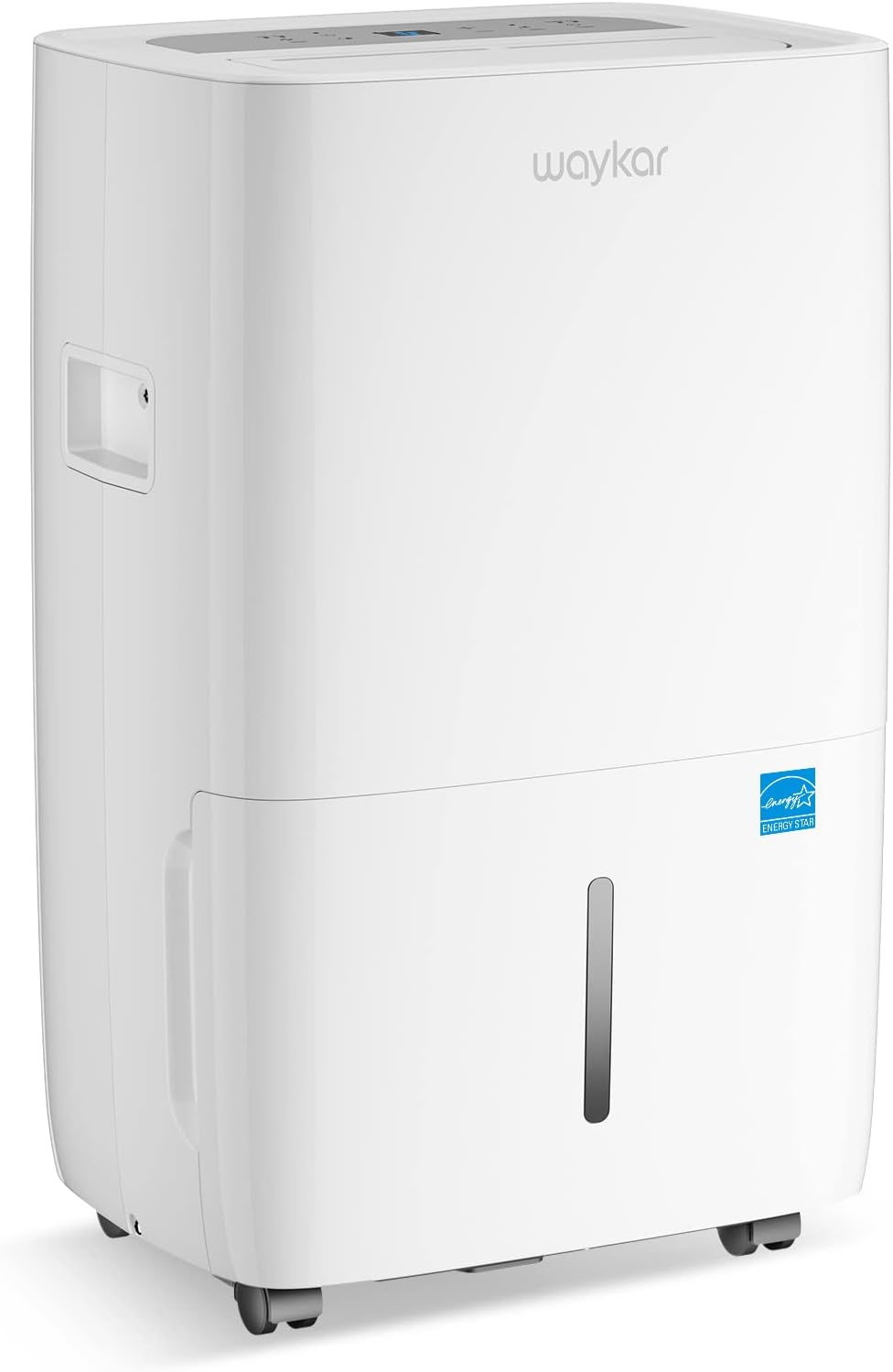

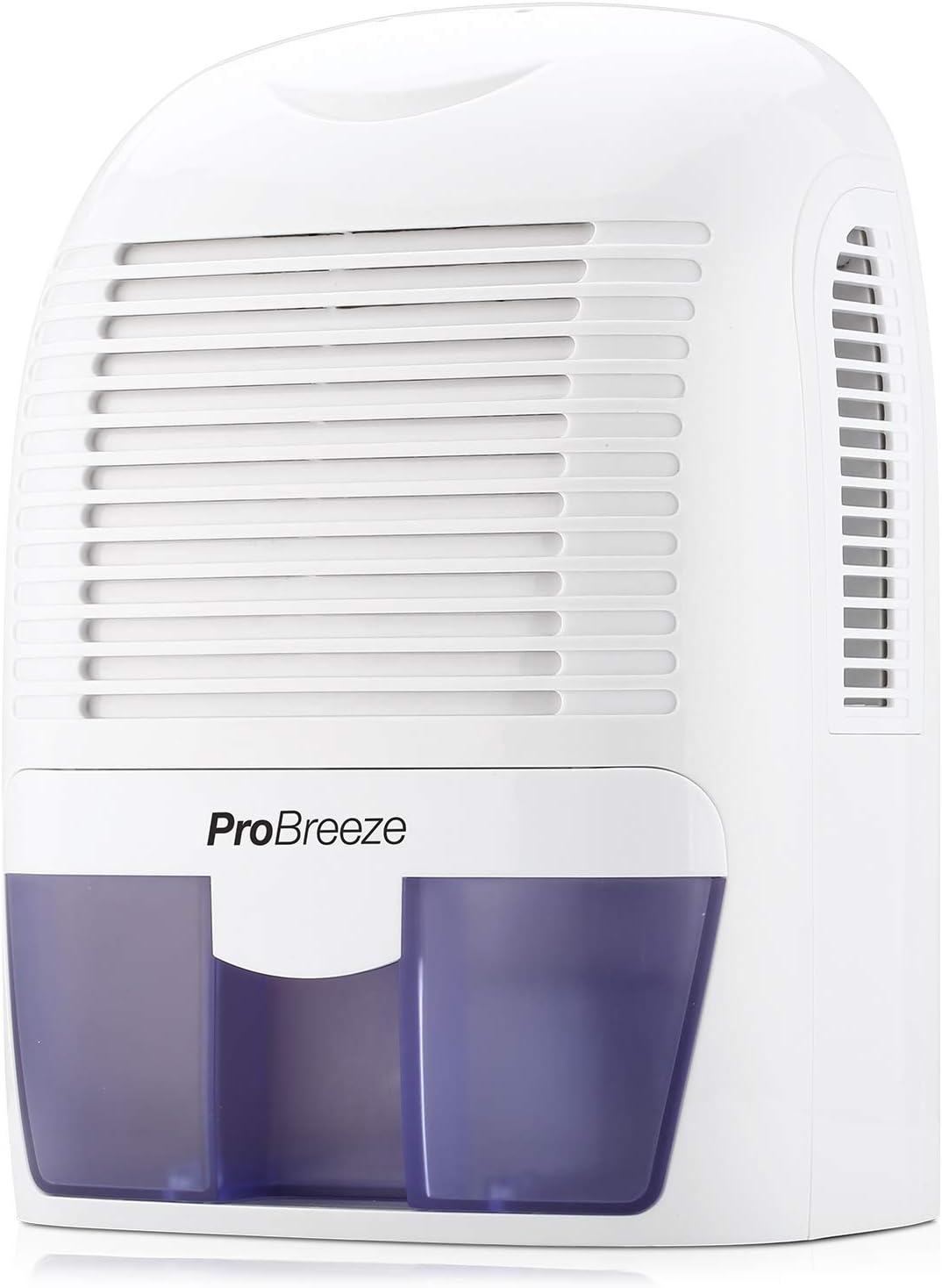
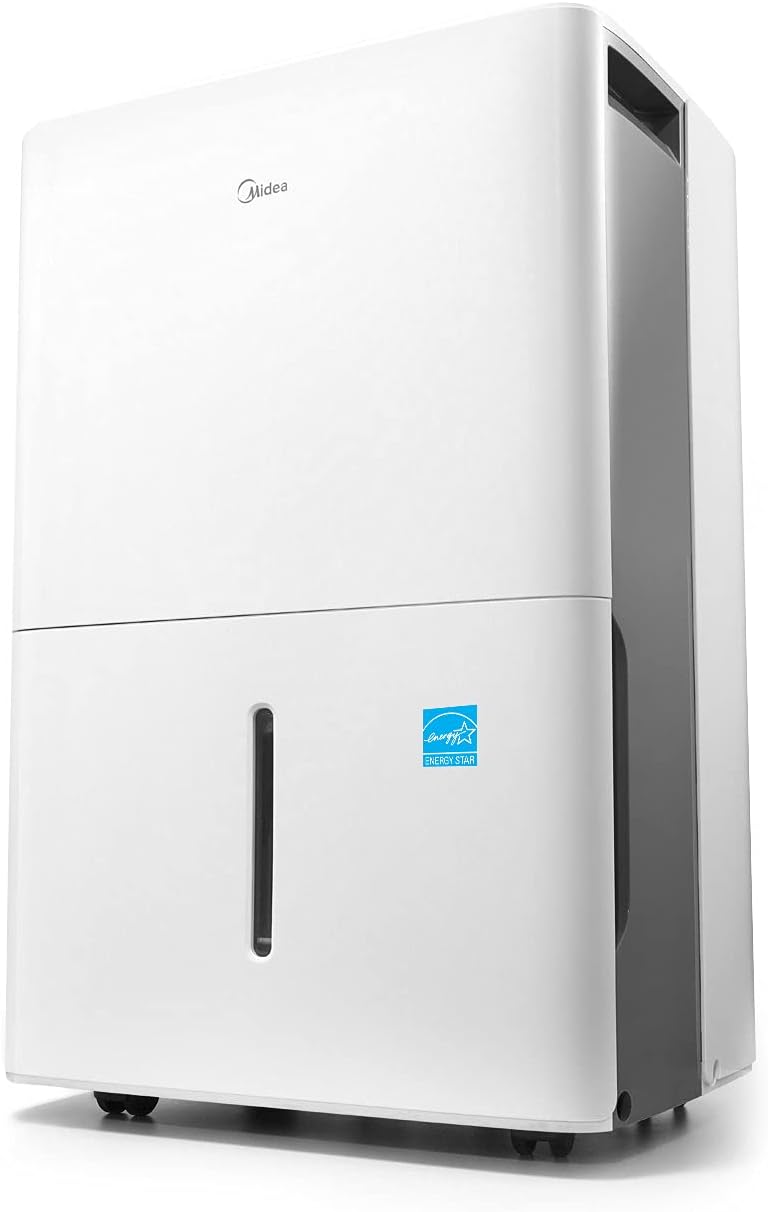

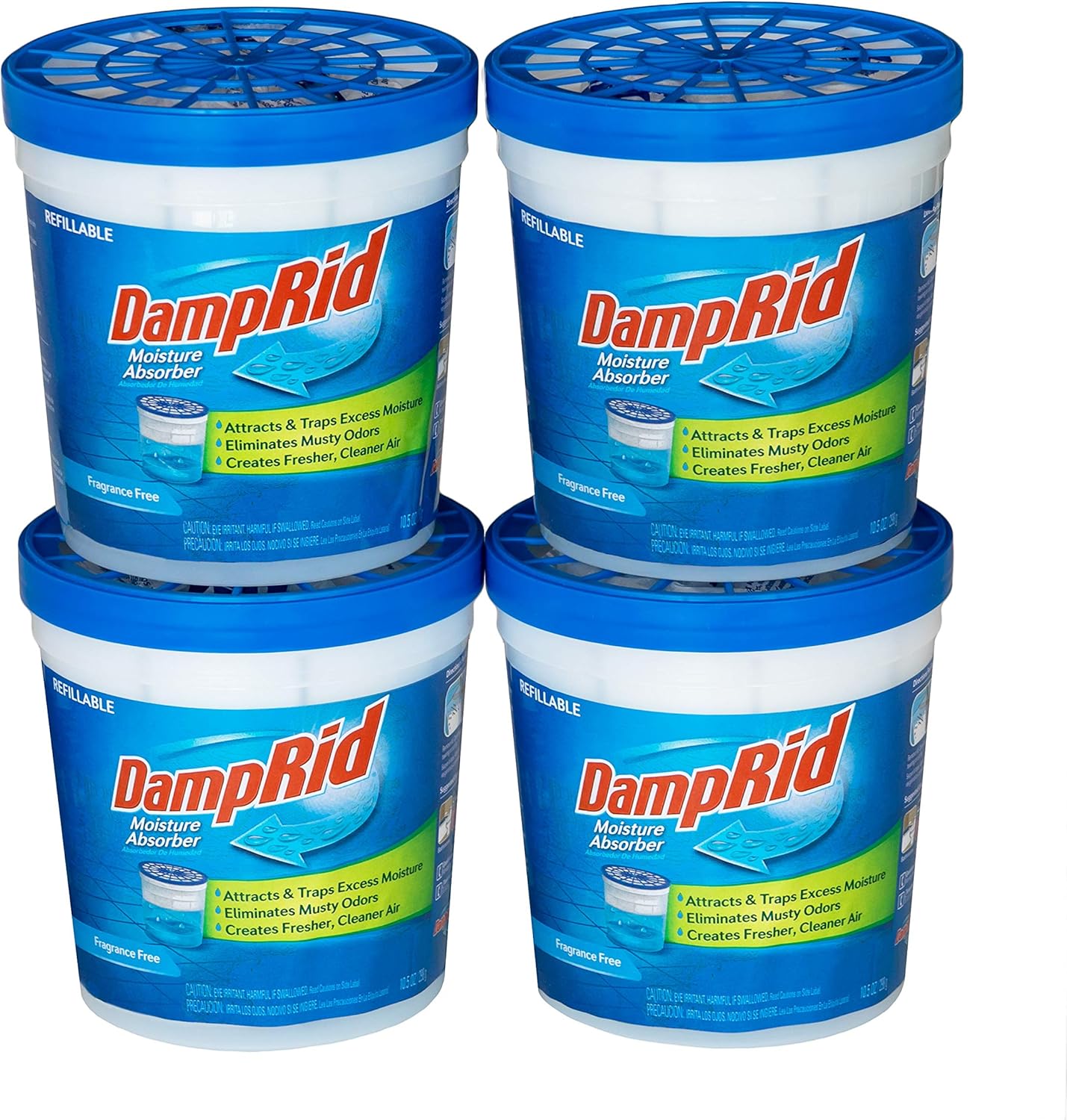



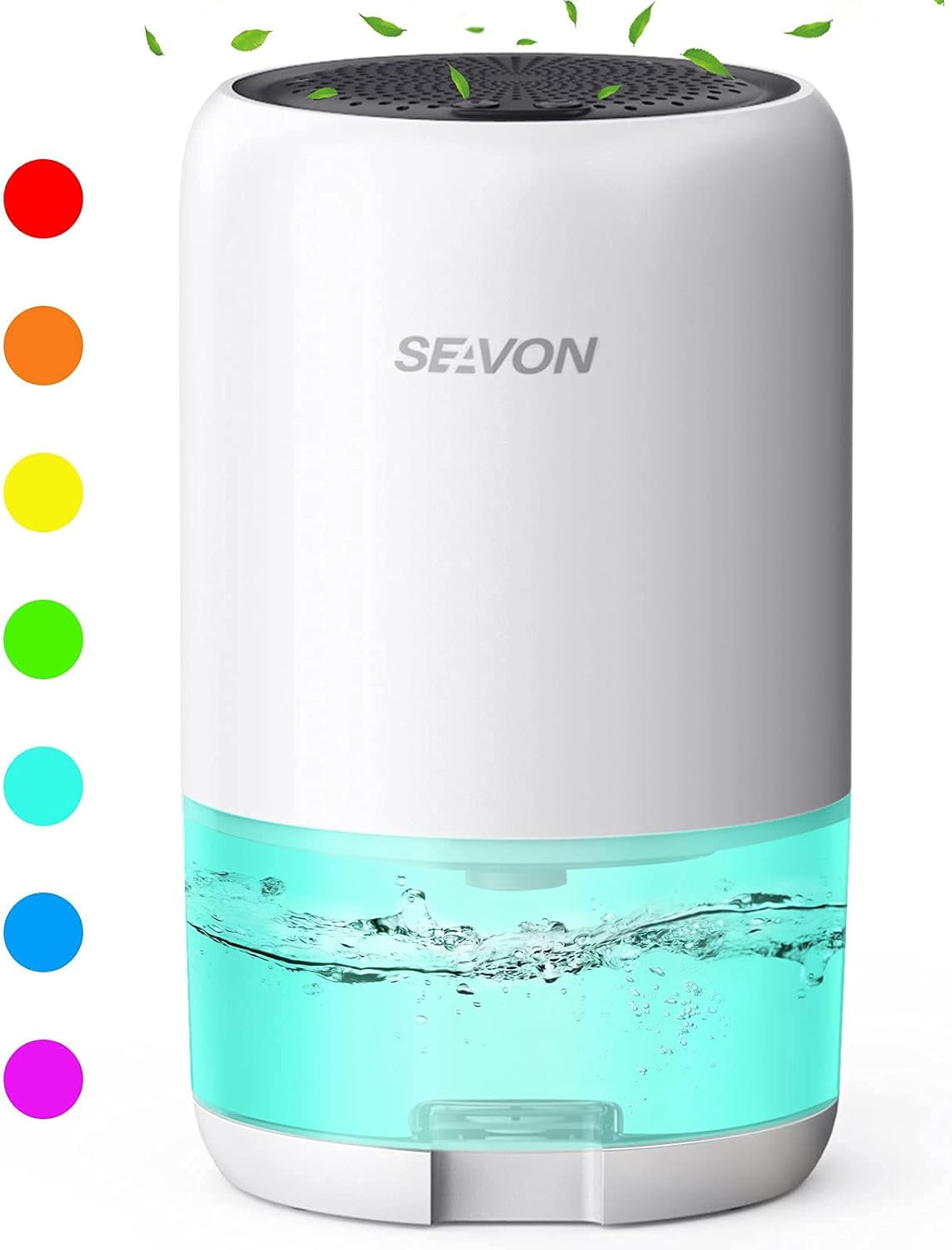




DampRid
See current price


Dehumidifiers help reduce excess moisture in indoor spaces such as bedrooms, bathrooms, laundry areas, basements, and storage rooms. The right choice depends on the size and dampness of the space, how often the unit will run, and whether you prefer emptying a tank or using continuous drainage.
K-Catalog brings together dehumidifiers from brands including DampRid, hysure, Ivation, Afloia, Vacplus, SEAVON, Eva-Dry, Airplus, ALORAIR, CANAGER, COLZER, and KEYSTONE. Compare the specifications and features on each listing, then check the current product details before buying.
Start with the space where the unit will be used. A compact model may suit a small room, closet, bathroom, or localized moisture problem, while larger units are generally more appropriate for open areas, basements, or spaces with persistent dampness. Consider the room layout as well as its floor area: several separated rooms may need different placement than one connected area.
Think about the source of the moisture. Condensation in a bedroom or bathroom may call for a different setup than water-prone conditions in a basement, crawl space, laundry area, or workshop. If moisture is caused by a leak, drainage issue, or ventilation problem, a dehumidifier can help manage humidity but does not replace addressing the underlying cause.
The catalog includes options suited to different use cases rather than one universal design:
Pay attention to the product’s stated application instead of selecting solely by appearance. A unit that is easy to position may not be suitable for a large or consistently damp area.
The most useful comparison points are the ones that affect moisture control, daily operation, and maintenance:
Place the dehumidifier where air can circulate around its intake and exhaust areas. Avoid blocking vents, and follow the manufacturer’s clearance and electrical guidance. Keep the unit on a stable, level surface and use a suitable outlet rather than relying on an unsafe extension-cord arrangement.
If you use the collection tank, empty it regularly and clean it according to the instructions. For continuous drainage, confirm that the hose connection, slope, drain location, and any pump requirements match the installation. Filters and air inlets also need periodic attention because dust buildup can reduce airflow and affect performance.
For related home air-quality equipment, browse Air Purifiers, Humidifiers, and Household Fans. If the room also needs temperature control, compare Air Conditioners or Space Heaters.
Dehumidifiers in this catalog are available from DampRid, hysure, Ivation, Afloia, Vacplus, SEAVON, Eva-Dry, Airplus, ALORAIR, CANAGER, COLZER, and KEYSTONE. Brand availability can vary by product type and intended application, so compare each listing’s specifications, dimensions, controls, drainage method, and care requirements rather than relying on the brand name alone.
For replacement components or installation-related items, the Parts & Accessories category may also be useful. Check compatibility information before selecting any accessory for a particular dehumidifier.
Place it in the dampest suitable area with enough open space around the air intake and exhaust. Keep it level and away from water exposure unless the product is specifically designed for that environment.
A tank is convenient when the unit is used occasionally or where no drain is available. Continuous drainage is more practical for frequent or unattended operation, provided the hose and drain arrangement are compatible.
Compare the manufacturer’s capacity and coverage guidance with the room’s size, temperature, ventilation, and moisture level. A persistently damp or open area may require a more capable design than a small room.
No. A dehumidifier manages moisture in the air, but it does not correct leaks, standing water, poor bathroom ventilation, or other structural moisture sources.
Review capacity, recommended coverage, tank and drainage options, humidity controls, noise information, dimensions, portability, power requirements, filter care, and automatic shutoff features.