
![JISULIFE Handheld Mini Fan, 3 IN 1 Hand Fan, Portable USB Rechargeable Small Pocket Fan, Battery Operated Fan [14-21 Working Hours] with Power Bank, Flashlight Feature for Women,Travel,Outdoor-White, 1 Count (Pack of 1)](https://m.media-amazon.com/images/I/51WkGbqw1LL._AC_SL1500_.jpg)
Household Fans for Home Cooling and Airflow
Compare household fans by airflow, placement, controls, noise, portability, and power options to find a practical match for each room.
1,640 products in catalog
1,640 results
Filters

Amazon Basics
Amazon Basics 3 Speed Small Room Air Circulator Fan, 11-Inch, Blade, Black, 7.6"D x 14.8"W x 14.1"H
See current price


Amazon Basics
Amazon Basics Oscillating Dual Blade Standing Pedestal Fan with Remote - Quiet DC Motor, 16-Inch
See current price



Lasko
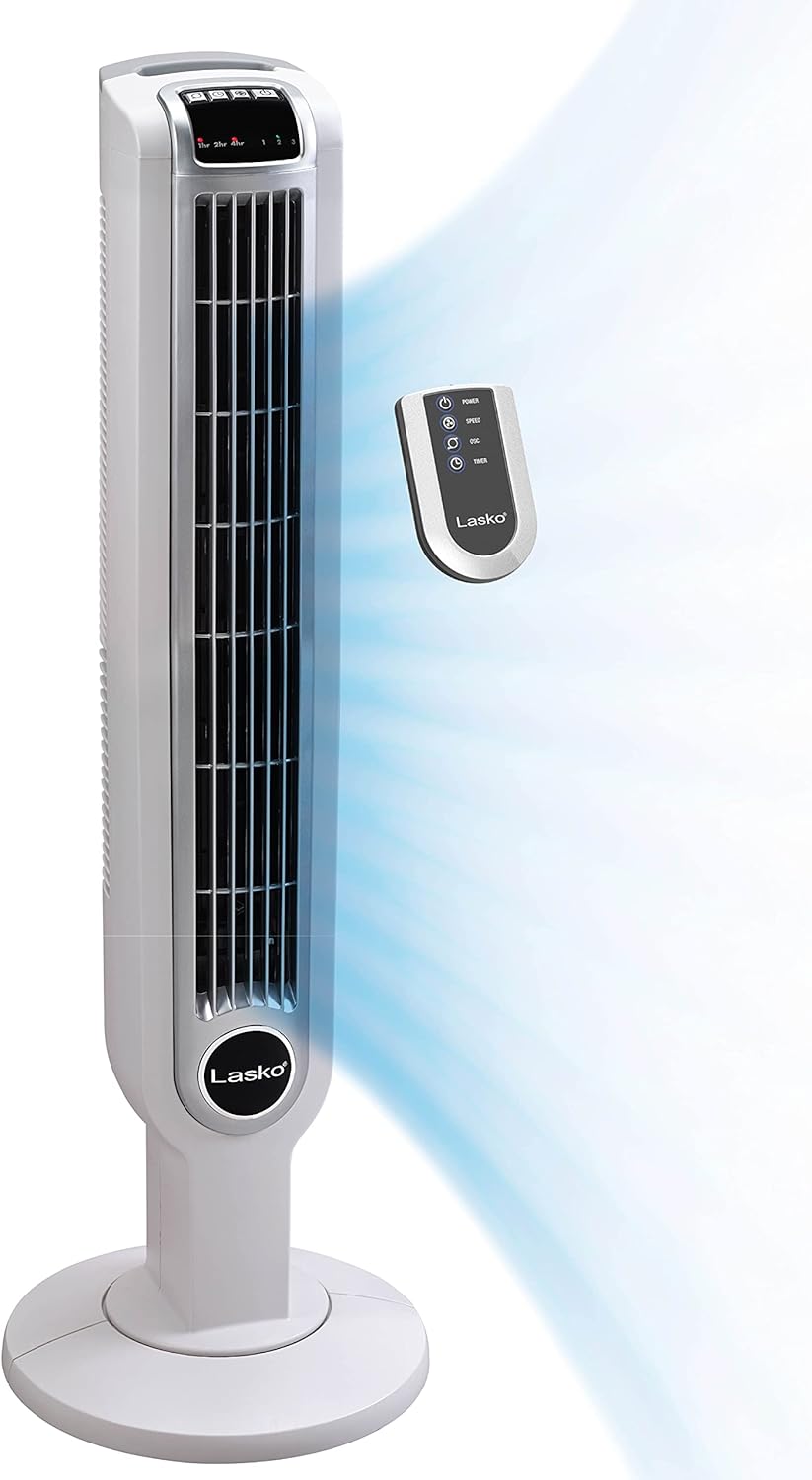
Lasko Lasko-36 Tower Remote Control, 3-Speed, White (2510) Household Fans, 36 Inch
See current price


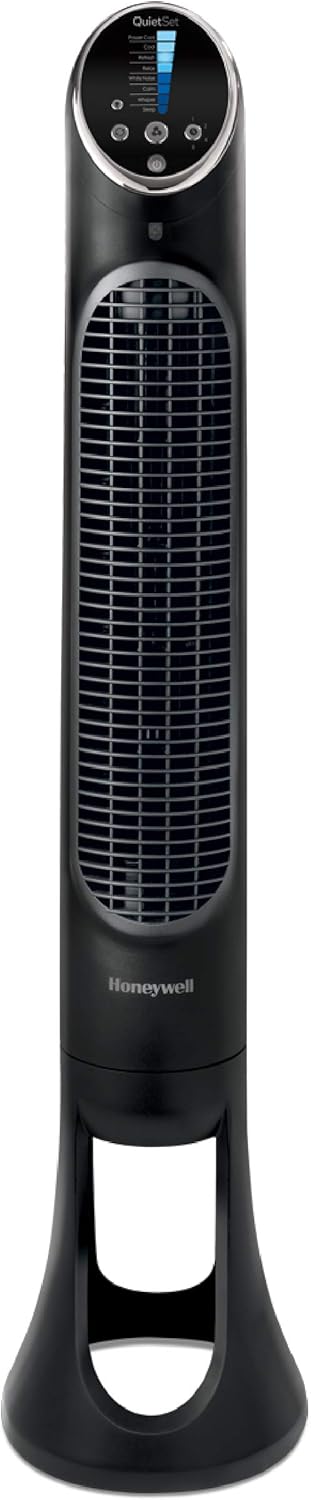
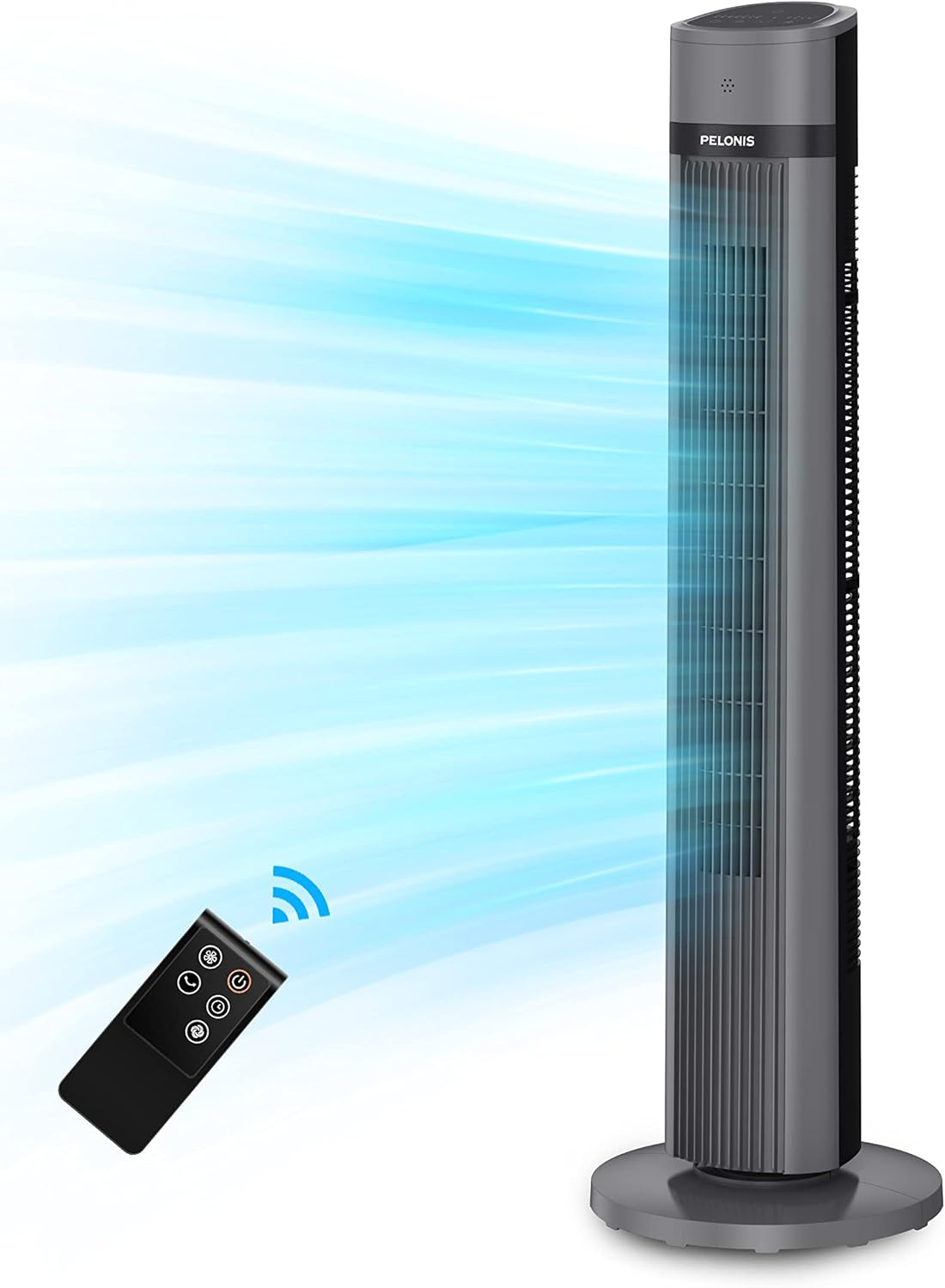


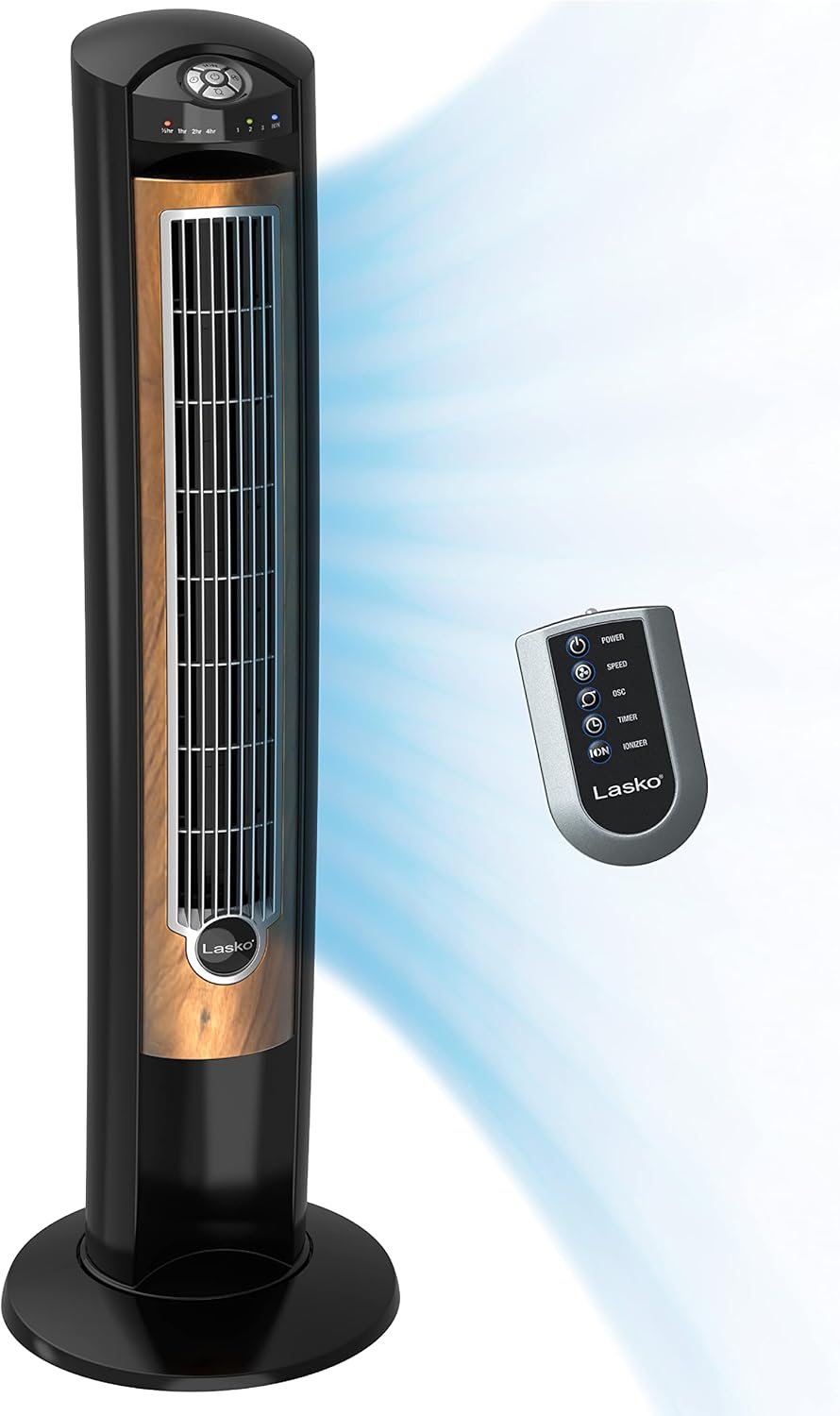

Popular brands in Household Fans
Household fans can improve air circulation, make warm rooms feel more comfortable, and help move air through bedrooms, offices, living areas, and other spaces. The right choice depends on where the fan will sit, how much airflow you need, and which controls or convenience features matter most.
K-Catalog brings together a broad selection of household fans so shoppers can compare specifications and features before visiting Amazon for current product details.
How to choose a household fan
Start with the intended location. A compact fan may suit a desk, bedside table, or small personal area, while a floor or pedestal fan can circulate air across a larger room. Tower fans are often considered when floor space is limited, and window fans can help exchange indoor and outdoor air when the window and installation setup are suitable.
Consider the type of airflow you prefer. Some fans direct air in a fixed position, while others can oscillate or offer adjustable tilt. A wider range of positioning can help distribute air around a room instead of concentrating it in one spot.
It is also useful to think about how and when the fan will be used. Bedroom shoppers may prioritize quiet operation and a sleep-friendly control layout. Office users may want a compact design, simple adjustment, and a low visual footprint. For shared living spaces, remote controls, timers, and multiple speed settings can make everyday use more convenient.
Common household fan types
Because there are no dedicated subcategory pages in this catalog, compare the product descriptions and specifications carefully to identify the design that fits your space.
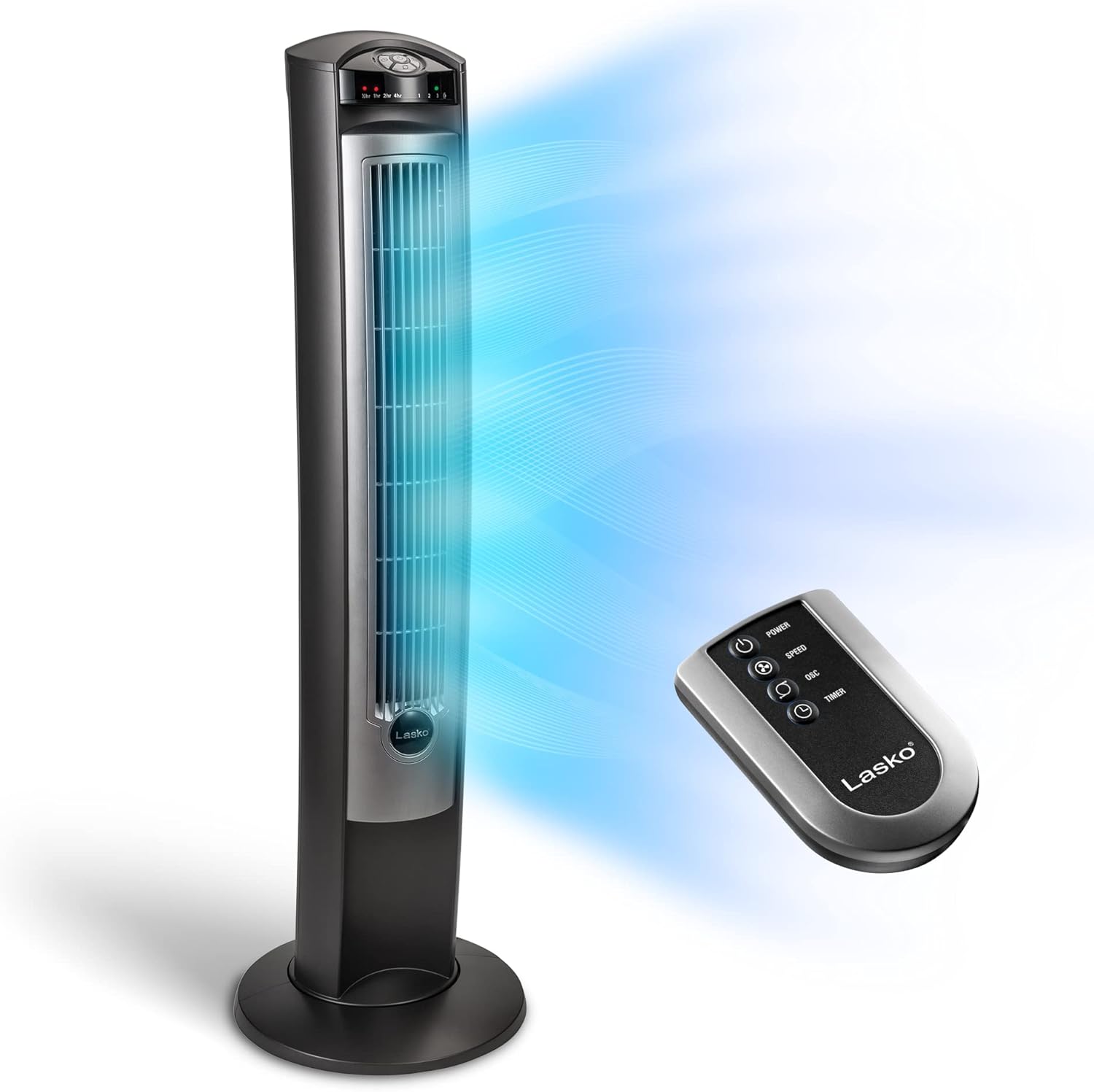
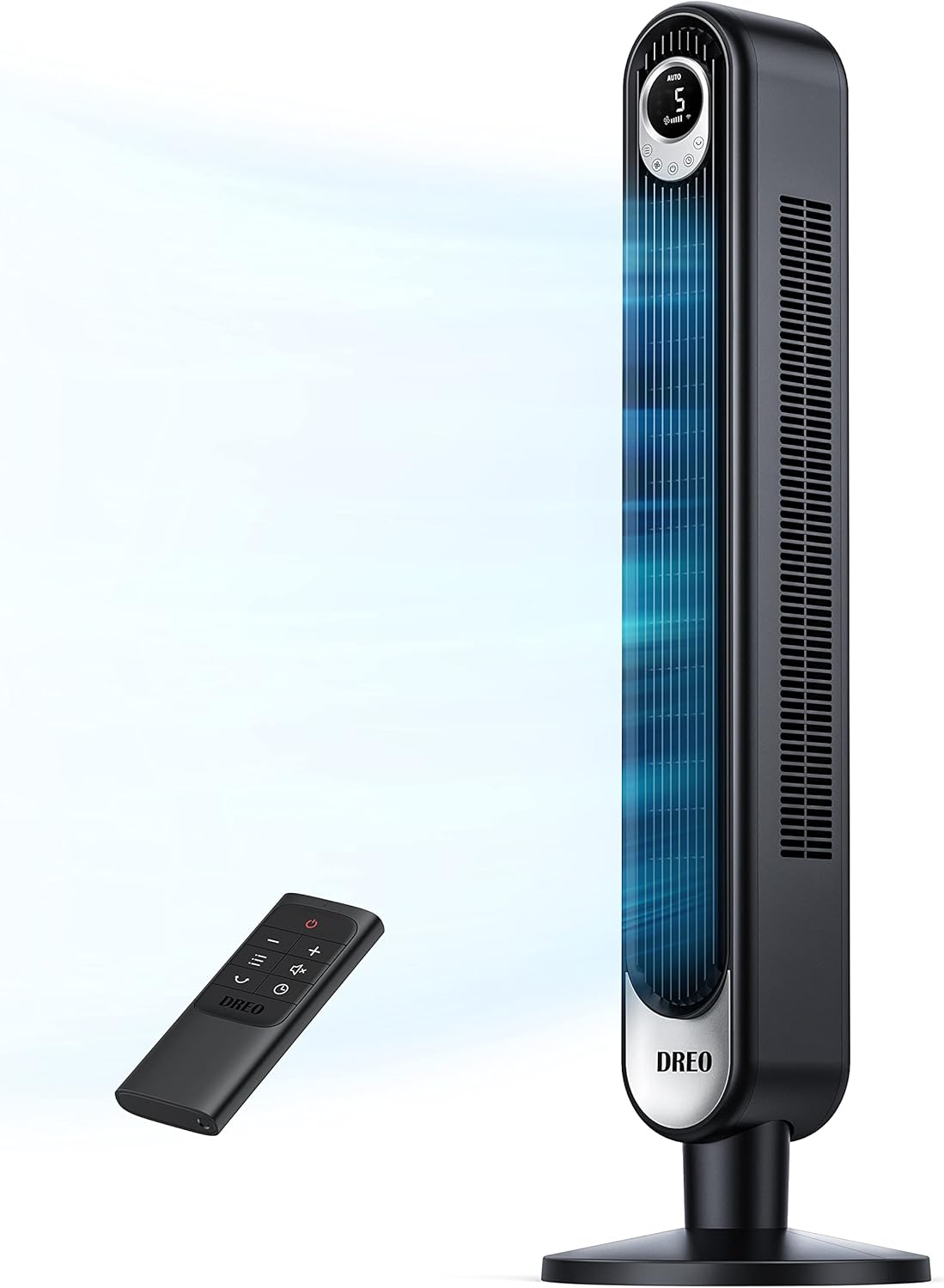
- Tower fans: Vertical housings can work well in rooms where width is limited. Look for oscillation, speed choices, timer settings, and controls that are easy to reach.
- Pedestal fans: Height adjustment and a larger airflow path can make these useful for directing air across a room. Check the base design and available tilt range.
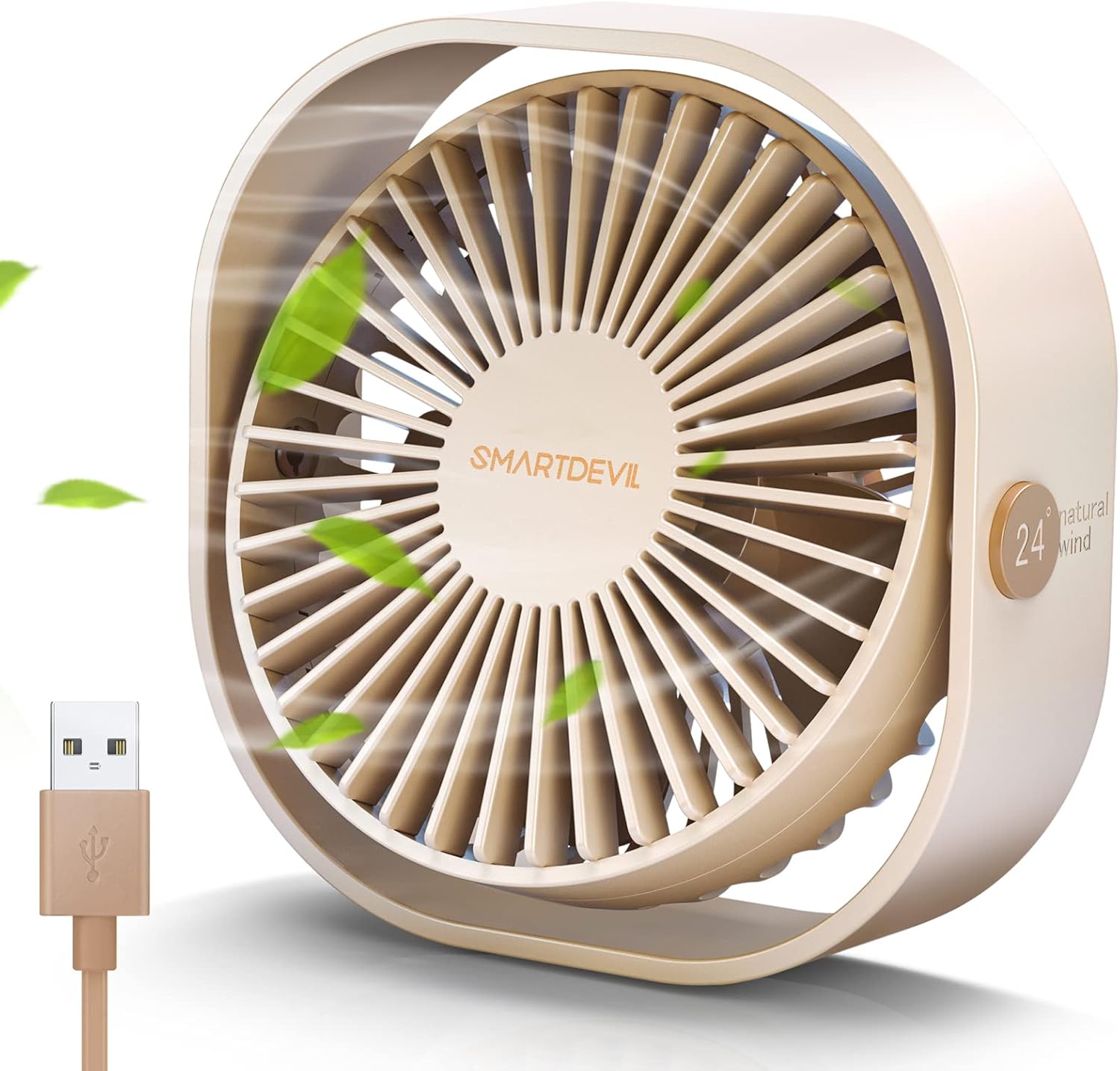
- Desk and tabletop fans: These are suited to personal airflow at a workstation, nightstand, counter, or shelf. Portability and a stable base are especially important.
- Floor fans: Often chosen when stronger, more direct airflow is wanted. Compare the head angle, housing design, handle, and placement requirements.
- Window fans: These are designed around window placement, so measure the opening and review the installation method before choosing one.
- Misting, rechargeable, and wearable fans: These specialized designs can suit outdoor activities, travel, or personal cooling. Compare water reservoir details, battery information, charging requirements, and intended use.
Features and specifications to compare
Airflow and settings: Fan speed options affect how precisely you can adjust comfort. Some products emphasize gentle personal airflow, while others are designed to move air more broadly. If available, compare airflow specifications using the same measurement standard across products.
Controls: Review whether the fan uses onboard buttons, a remote control, a digital panel, or an app. Timers can be useful for nighttime use or scheduled operation. Make sure the control arrangement suits the fan’s location.
Noise: Noise descriptions can vary by product and operating setting. Check whether the specifications identify sound levels or quiet modes, especially if the fan will be used while sleeping, studying, or working.
Size and placement: Compare overall height, width, depth, and base footprint. A fan that fits beside a bed may not be suitable for a crowded desk, and a taller model may require more clearance from furniture or walls.
Power and portability: Corded fans are convenient for consistent use near an outlet. Rechargeable models may be easier to move, but battery capacity, charging time, and charging connection can affect convenience. Portable fans should also be checked for carrying features and stability.
Brands represented in the catalog
The Household Fans catalog includes products from Lasko, Vornado, Comfort Zone, Honeywell, O2COOL, HOLMES, JISULIFE, Simple Deluxe, PELONIS, Xasla, TRUSTECH, and COMLIFE. These brands cover a range of fan formats and feature combinations. Compare individual specifications rather than choosing by brand name alone, since airflow design, controls, power, and intended placement can differ between products.
Placement, care, and safety tips
Keep the fan on a stable, level surface or assemble its stand according to the product instructions. Avoid blocking the intake or exhaust area with curtains, bedding, furniture, or other objects. For window models, verify that the fan is compatible with the opening and can be secured properly.
Dust buildup can restrict airflow and reduce performance. Follow the manufacturer’s cleaning instructions, unplug the fan before cleaning, and do not expose electrical components to water. Check cords, plugs, guards, and housings periodically for damage. Fans circulate air but do not replace ventilation, air conditioning, or other equipment when those systems are needed.
For additional home air-quality and comfort equipment, browse Humidifiers, Air Purifiers, Air Conditioners, Space Heaters, and Dehumidifiers. Parts & Accessories may also be useful when looking for compatible replacement or supporting items.
Frequently asked questions
Which household fan is best for a bedroom?
A bedroom fan should match the available space and airflow preference. Compare quiet-mode information, speed settings, timer controls, display brightness, and whether a remote is included.
Are tower fans or pedestal fans better for a room?
Neither design is universally better. Tower fans can suit narrow spaces, while pedestal fans often provide adjustable height and directed airflow. Compare dimensions, oscillation, tilt, and controls for your room.
What should I check before buying a window fan?
Measure the window opening and review the product’s installation and support requirements. Also compare airflow direction, controls, power connection, and whether the design suits your window style.
Do rechargeable fans work during a power outage?
A rechargeable fan may continue operating after it is unplugged, depending on its battery charge and operating mode. Check the product specifications for battery and charging details.
How can I reduce fan noise?
Choose a model with quiet-operation information or a lower-speed setting, place it on a stable surface, and keep the blades and guard clean. Loose or damaged parts should be addressed according to the manufacturer’s instructions.