

Digital Voice Recorders
Compare digital voice recorders by recording quality, storage, battery performance, microphone design, controls, and file-transfer options to find a practical fit for your needs.
295 products in catalog
295 results
Filters
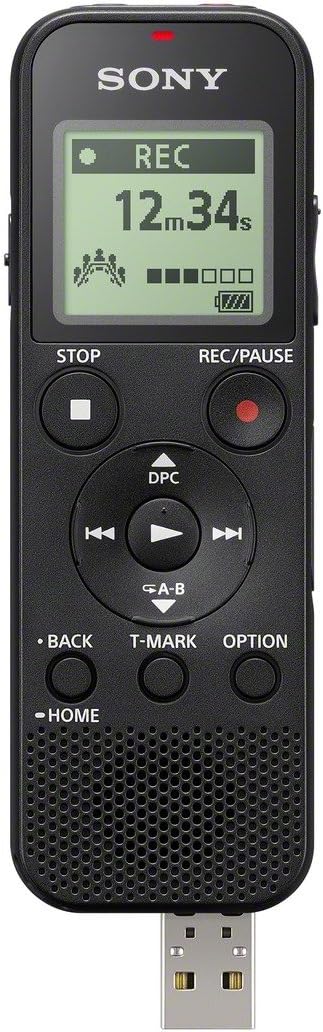
Sony
Sony ICD-PX370 Mono Digital Voice Recorder with Built-In USB Voice Recorder,black
See current price
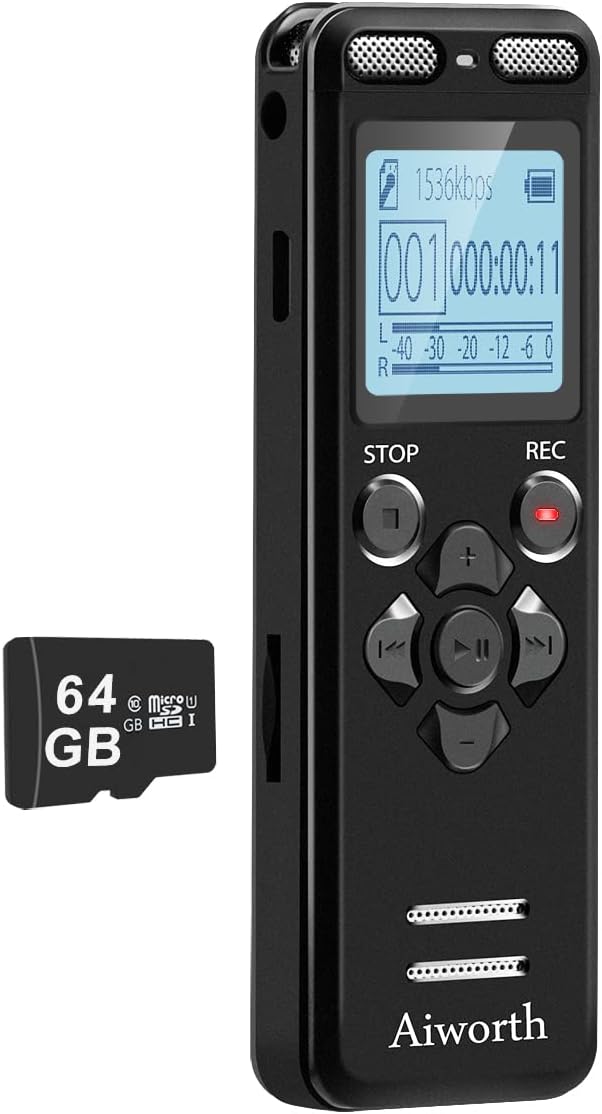


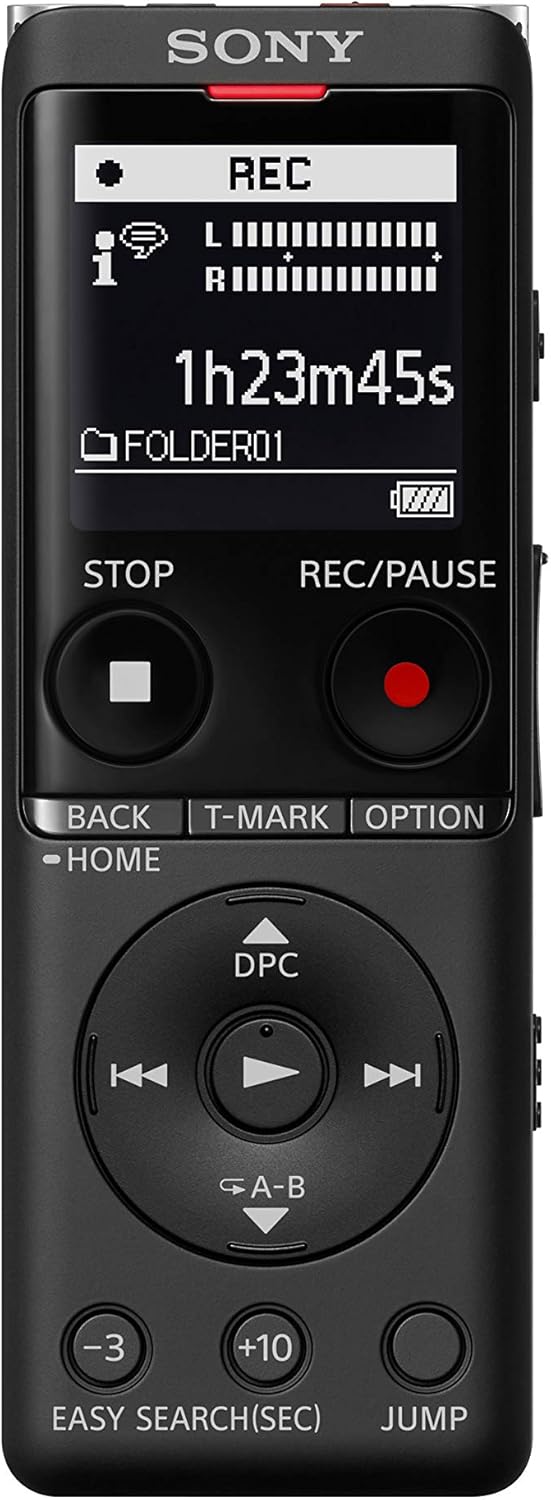

Infinity
Executive Communication Systems Infinity 3 USB Foot Pedal Control with Computer Plug In, one unit
See current price


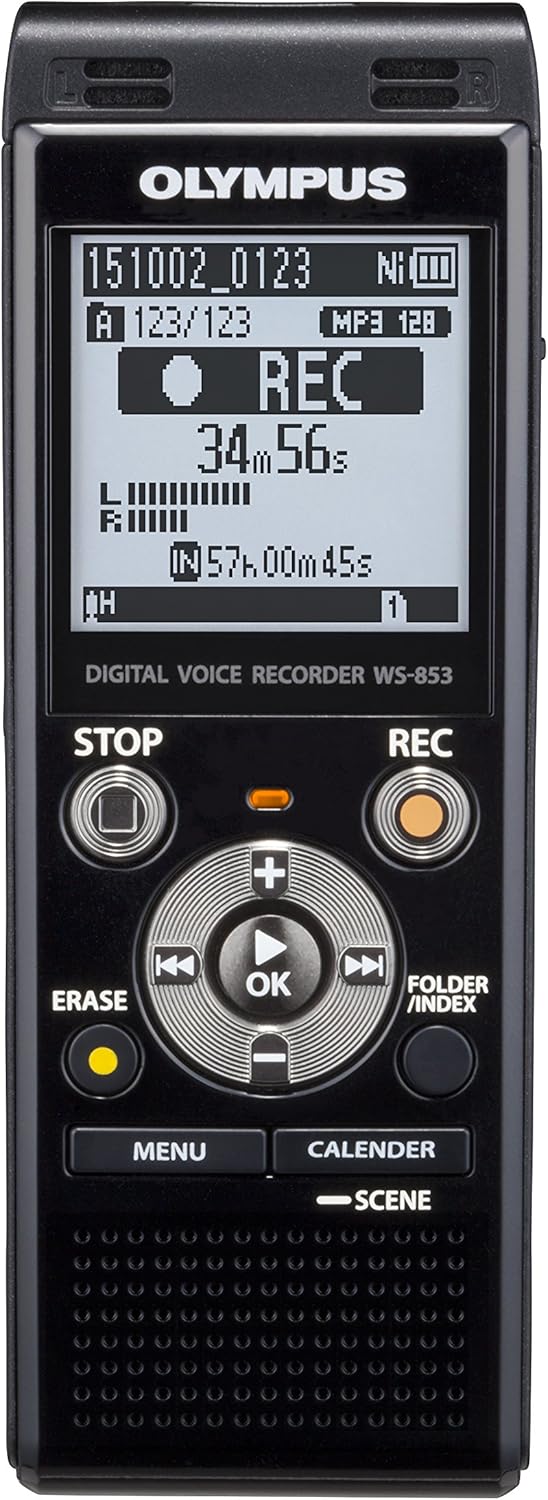


Popular brands in Digital Voice Recorders
Digital voice recorders are useful for capturing lectures, interviews, meetings, dictation, notes, and other spoken audio in a portable format. The right model depends on where you record, how clearly voices need to be captured, and how easily you want to move files to another device.
This K-Catalog category includes options from brands such as Sony, Olympus, Philips, EVISTR, RHDTShop, and others. Compare specifications and features before following through to Amazon to check the current product details.
How to choose a digital voice recorder
Start by considering the recording environment. A compact recorder can be convenient for quick notes and everyday carry, while a model with more control over microphones, recording modes, or file management may suit interviews, classes, and recurring work sessions.
Think about how you will use the files after recording. If you regularly transfer audio to a computer, look for a straightforward connection method and a file format supported by your preferred software. If recordings may remain on the device for a while, storage capacity and file organization become more important.
Other practical questions include:
- Will you record mostly one speaker, a conversation, or a larger room?
- Do you need physical buttons that are easy to operate without looking?
- Will the recorder be carried in a pocket, bag, or equipment case?
- Do you need a headphone connection for monitoring or playback?
Types and use cases
Digital voice recorders vary more by intended use than by appearance. Basic voice recorders are generally suited to personal reminders, dictation, and simple spoken notes. They can be a good choice when ease of use matters more than extensive manual controls.
Recorders designed for meetings, lectures, and interviews may place greater emphasis on microphone pickup, recording modes, playback controls, and file management. For these situations, consider whether the microphone arrangement matches the distance and direction of the voices you expect to capture.
Compact models suit shoppers who prioritize portability. Larger units may offer more accessible buttons or a wider set of controls. Compare the physical layout, display, and dimensions rather than assuming that a smaller recorder will be easier for every user.
For other portable audio equipment, browse Portable Audio & Video. Related categories include Portable Speakers & Docks and MP3 & MP4 Players.
Key specifications and features to compare
Recording format and quality: Check which audio formats are supported and whether the recorder offers selectable recording modes. Higher-quality settings can capture more detail but may use storage more quickly, so flexibility is useful when recordings have different purposes.
Microphone design: Built-in microphone placement affects how sound is captured. Directional designs may help focus on a speaker in front of the recorder, while broader pickup can be useful for group discussions. If microphone input is important, confirm whether the product supports an external microphone and what type of connection it uses.
Storage: Look for built-in storage, expandable storage, or both, depending on the product. Also check whether recordings can be organized into folders and whether the file system makes it easy to find older sessions.
Battery and power: Compare the stated battery type, charging method, and expected recording or playback behavior. A rechargeable design may be convenient for regular use, while replaceable batteries can be useful when access to charging is limited. Consider standby behavior and whether the recorder can be used while connected to power.
Controls and playback: A clear display, large buttons, recording indicators, pause functionality, and adjustable playback speed can make a noticeable difference. Useful playback tools may include fast-forward, rewind, bookmarking, and file deletion, but availability varies by model.
Connections and compatibility: Check how files transfer to a computer or other device. Confirm the connector type and compatibility with the operating systems or software you plan to use. A headphone output can also be helpful when checking a recording privately.
Brands in the catalog
The catalog includes digital voice recorders from Sony, Olympus, Philips, RHDTShop, dB9PRO, EVISTR, EZSound, ACEE DEAL, TOOBOM, Aomago, Attodigit@l, and YEMENREN. These brands may offer different combinations of portability, recording controls, storage approaches, and connectivity. Treat brand presence as a starting point, then compare the specifications of the individual products.
Practical tips before buying
Choose controls that match your recording habits. If you need to begin recording quickly, a dedicated record button and a visible recording indicator may be more useful than a long list of advanced settings. For interviews or meetings, test the planned placement by considering distance, background noise, and whether the recorder will be handled during the session.
Check the included accessories and confirm what is required for charging, file transfer, or external microphone use. Keep recordings organized with clear file names or folders, and transfer important audio regularly rather than relying on a single device for long-term storage.
Shoppers comparing adjacent portable listening and communication products can also explore MP3 & MP4 Player Accessories, CB & Two-Way Radios, Radios, and Boomboxes.
Frequently asked questions
What is a digital voice recorder used for?
It can capture spoken audio for dictation, lectures, interviews, meetings, reminders, and personal notes. The best choice depends on the recording environment and how the files will be used afterward.
Should I choose built-in or expandable storage?
Built-in storage can be simple and convenient, while expandable storage may provide more flexibility for longer or more frequent recordings. Check supported card types and file-management features when relevant.
Does microphone type matter?
Yes. Microphone placement and pickup pattern influence how clearly nearby or distant voices are captured. Consider whether you need focused pickup for one speaker or broader coverage for a group.
What recording format should I choose?
Choose a format supported by the computers, phones, or editing software you plan to use. A recorder with multiple recording modes can provide flexibility between file size and audio detail.
Are rechargeable batteries better?
Rechargeable power can be convenient for routine use, while replaceable batteries may be preferable where charging access is limited. Compare charging time, battery access, and the product’s stated operating specifications.
Can voice recorder files be transferred to a computer?
Many models provide a way to transfer recordings, but the connection and supported devices vary. Review the product specifications for connector type, file compatibility, and any required software.