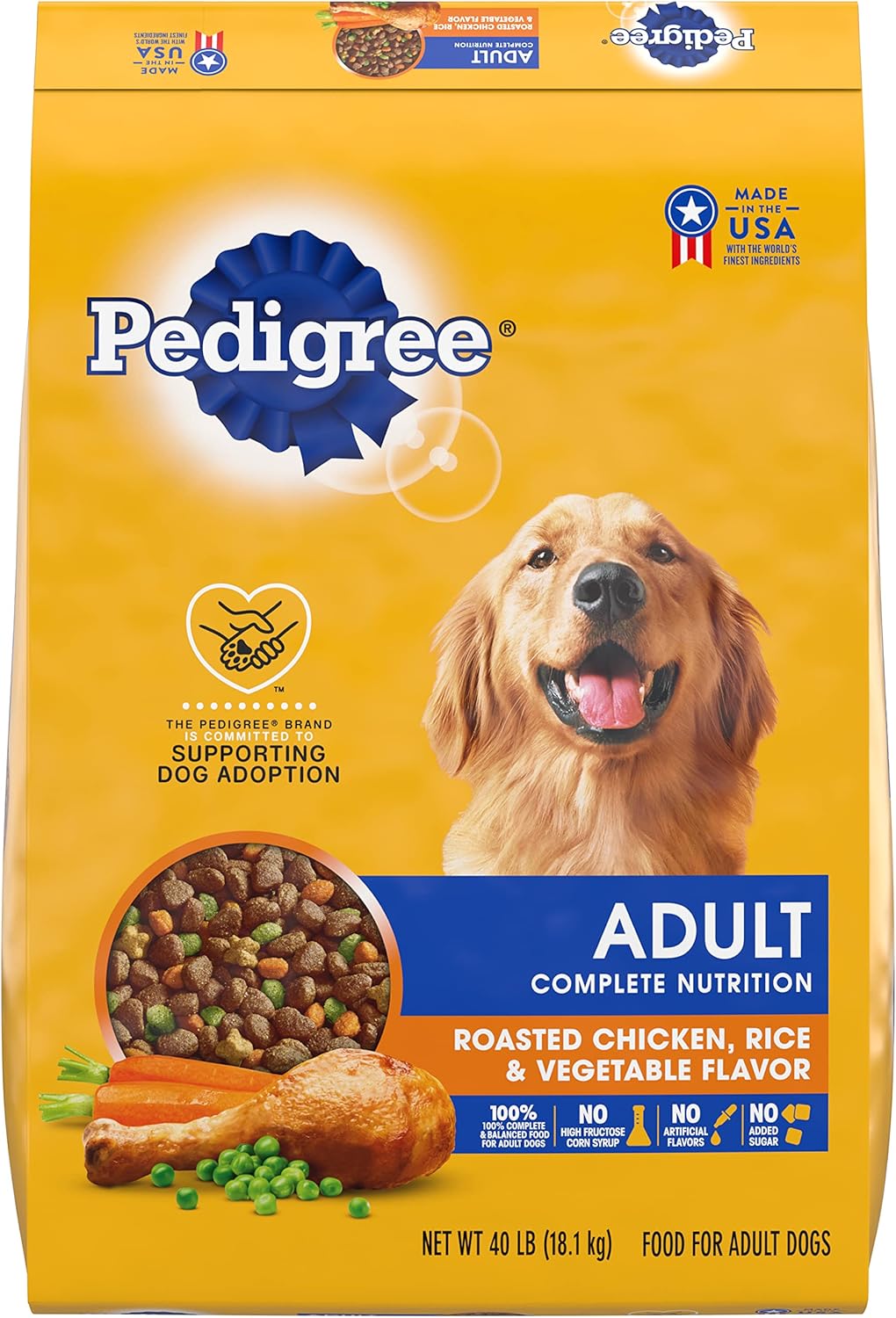
Mars Petcare
Pedigree Complete Nutrition Adult Dry Dog Food Roasted Chicken, Rice & Vegetable Flavor Dog Kibble, 40 lb. Bag
See current price

Compare dog food by ingredients, format, life stage, dietary needs, and feeding convenience. K-Catalog helps you review product specifications before visiting Amazon.
1,448 products in catalog
1,448 results
Mars Petcare
See current price

Blue Buffalo
See current price


Hill's Science Diet
See current price


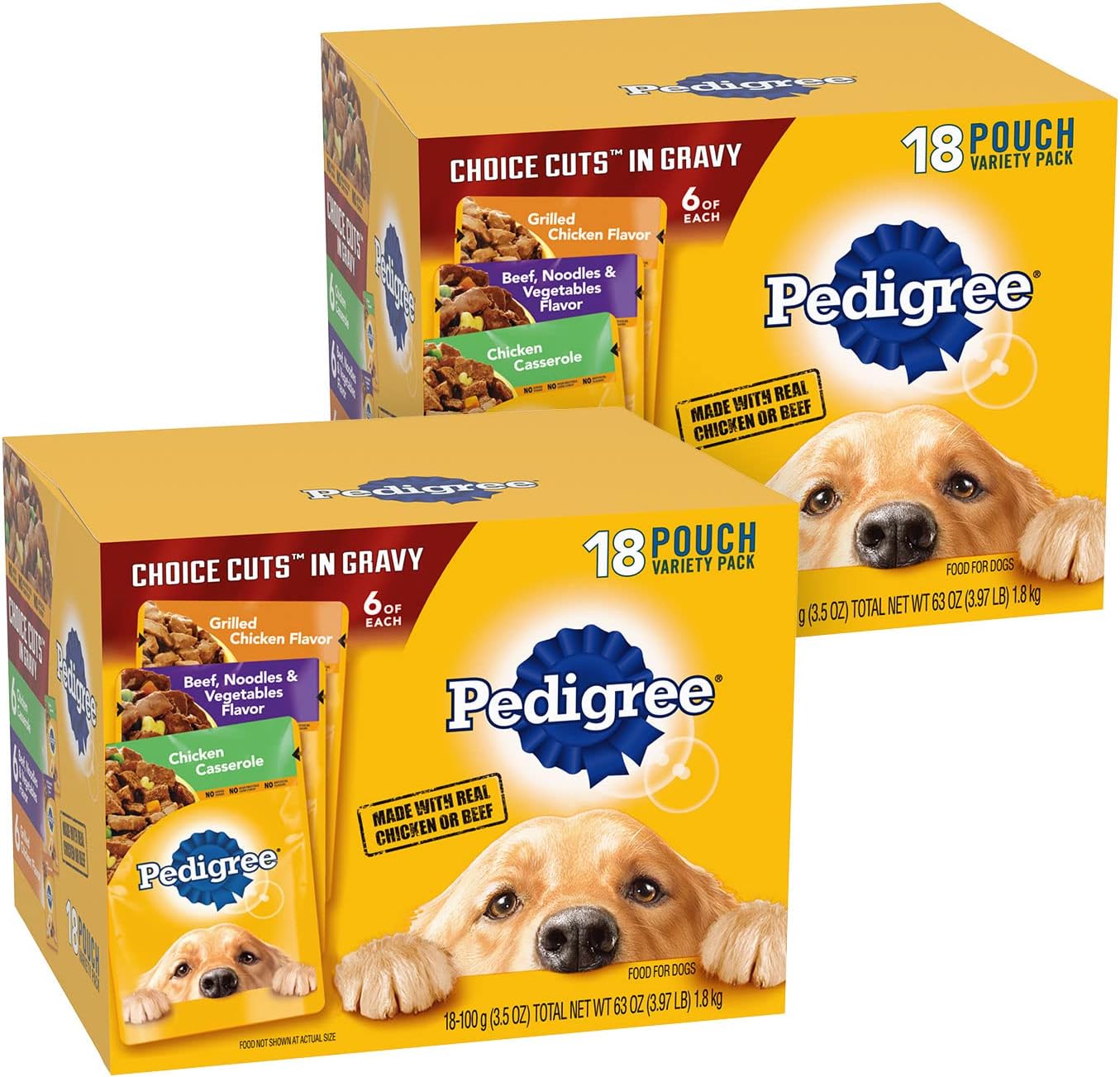
Pedigree
See current price


Purina Moist & Meaty
See current price

Hill's Science Diet
See current price

Purina Pro Plan
See current price

Mars Petcare
See current price

Purina ONE
See current price


Purina Pro Plan
See current price

Purina Pro Plan
See current price
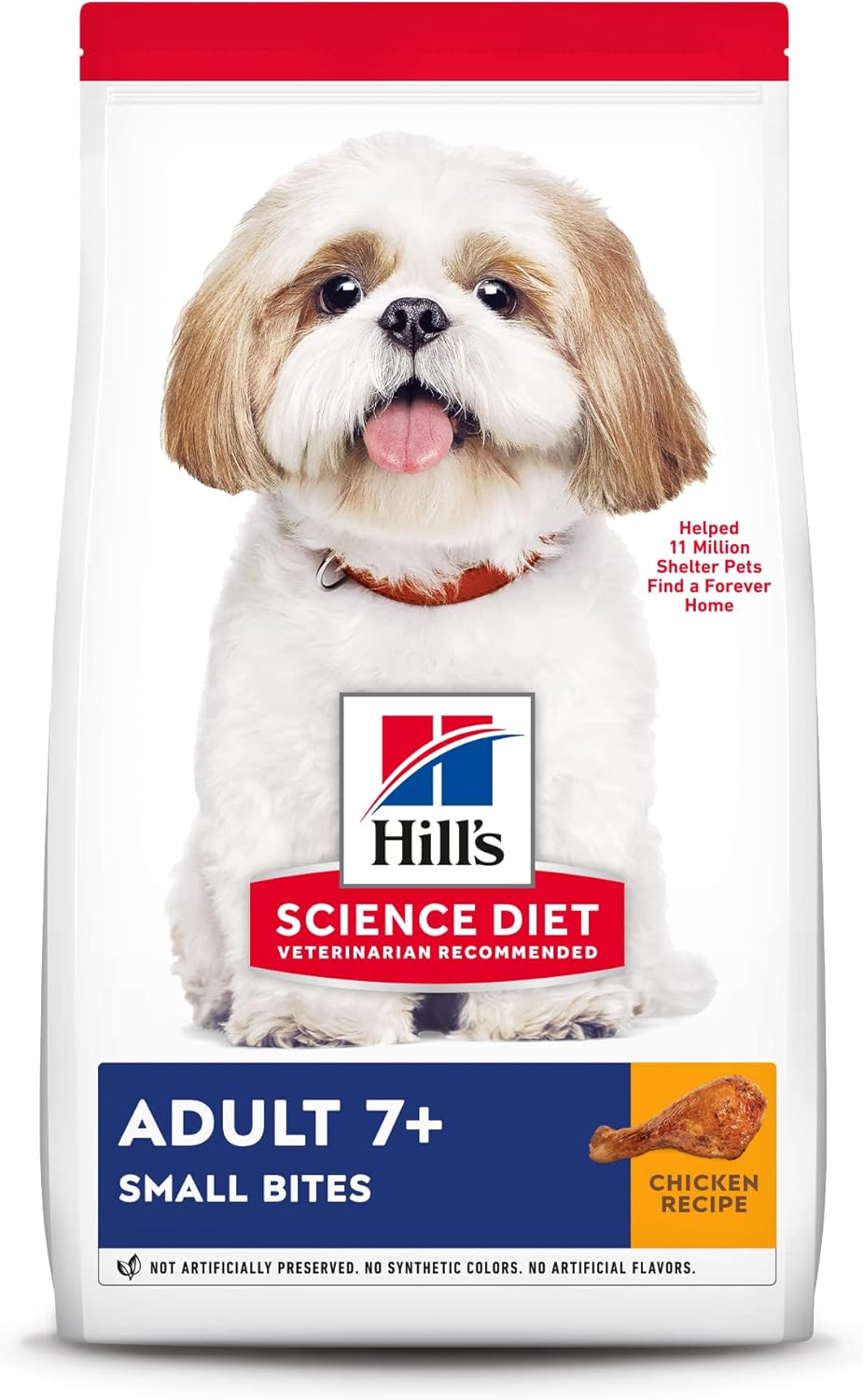
Hill's Science Diet
See current price


Purina ONE
See current price

Blue Buffalo Company, Ltd
See current price
Choosing dog food starts with your dog’s individual needs, but product labels and specifications can make the process easier. Compare recipes by their intended life stage, food format, ingredient profile, and feeding guidance rather than relying on packaging alone.
This category is part of Dogs and includes options from widely represented catalog brands such as Royal Canin, Blue Buffalo, Hill's Science Diet, Nutro, Stella & Chewy's, Wellness, Merrick, and Purina Pro Plan.
Begin with the basics: your dog’s age, size, activity level, and any dietary requirements recommended by a veterinarian. Puppies, adult dogs, and senior dogs may have different nutritional priorities, while highly active dogs may need a recipe suited to their energy needs.
When comparing products, look for a clearly identified recipe purpose and complete feeding information. If your dog has allergies, sensitivities, a medical condition, or a history of digestive issues, discuss suitable ingredients and diet changes with a veterinary professional before switching food.
Dog food is available in several formats, each with practical differences:
You can also compare whether a food is intended as a complete meal, a topper, or a supplemental product. Treats are a separate category; browse Treats when looking for rewards rather than everyday food.
The ingredient list is one of the most useful places to start. Compare the primary protein sources, grains or alternative carbohydrates, added fats, fiber sources, and any ingredients your dog needs to avoid. Ingredient order can help you understand the recipe’s composition, but it does not replace professional dietary advice.
Pay attention to the following product details:
A familiar ingredient does not guarantee that a food will suit every dog. Compare the complete formula and transition gradually when changing diets, unless a veterinarian gives different instructions.
The catalog includes products from Royal Canin, Blue Buffalo, Blue Buffalo Company, Ltd, Hill's Science Diet, Nutro, Nestle Purina Pet, Stella & Chewy's, Cesar, Natural Balance, Wellness, Merrick, and Purina Pro Plan. Treat these brand listings as a way to organize product choices, then compare the specifications of individual recipes rather than assuming all products from one brand have the same features.
Brand names may appear in different forms across listings, so check the product title, recipe type, intended life stage, and packaging details before making a comparison.
Keep dry food sealed in a cool, dry place and follow the package’s storage guidance for wet, fresh, frozen, or rehydrated products. Use clean bowls and provide access to fresh water. Portion sizes should be treated as starting guidance because a dog’s needs can vary with body condition, activity, age, and health.
When changing foods, a gradual transition can help some dogs adjust. Watch for changes in appetite, stool, skin, or energy, and contact a veterinarian if concerning symptoms appear. For broader care, compare Health Supplies, Grooming, and Toys.
Choose a food that matches your dog’s life stage, size, activity, health needs, and eating preferences. A veterinarian can help with medical or sensitivity-related decisions.
Neither format is automatically best for every dog. Compare texture, moisture, storage, portioning, ingredients, and your dog’s ability to eat and tolerate the food.
Start with the primary protein sources, carbohydrates, fats, fiber, and ingredients your dog must avoid. Review the complete label and feeding information rather than one ingredient alone.
Breed or size guidance can be useful, but it is only one comparison factor. Also consider age, activity level, body condition, and any veterinary recommendations.
A gradual change is commonly used to help a dog adjust. Follow the product directions and seek veterinary guidance if your dog has a health condition or develops persistent digestive problems.