
Doskocil
Chuckit Ultra Ball Dog Toy, Medium (2.5 Inch Diameter) Pack of 2, for breeds 20-60 lbs
See current price

Compare dog toys by play style, materials, size, and enrichment features. K-Catalog helps you review specifications so you can choose options suited to your dog.
3,986 products in catalog
3,986 results
Doskocil
See current price

Doskocil
See current price
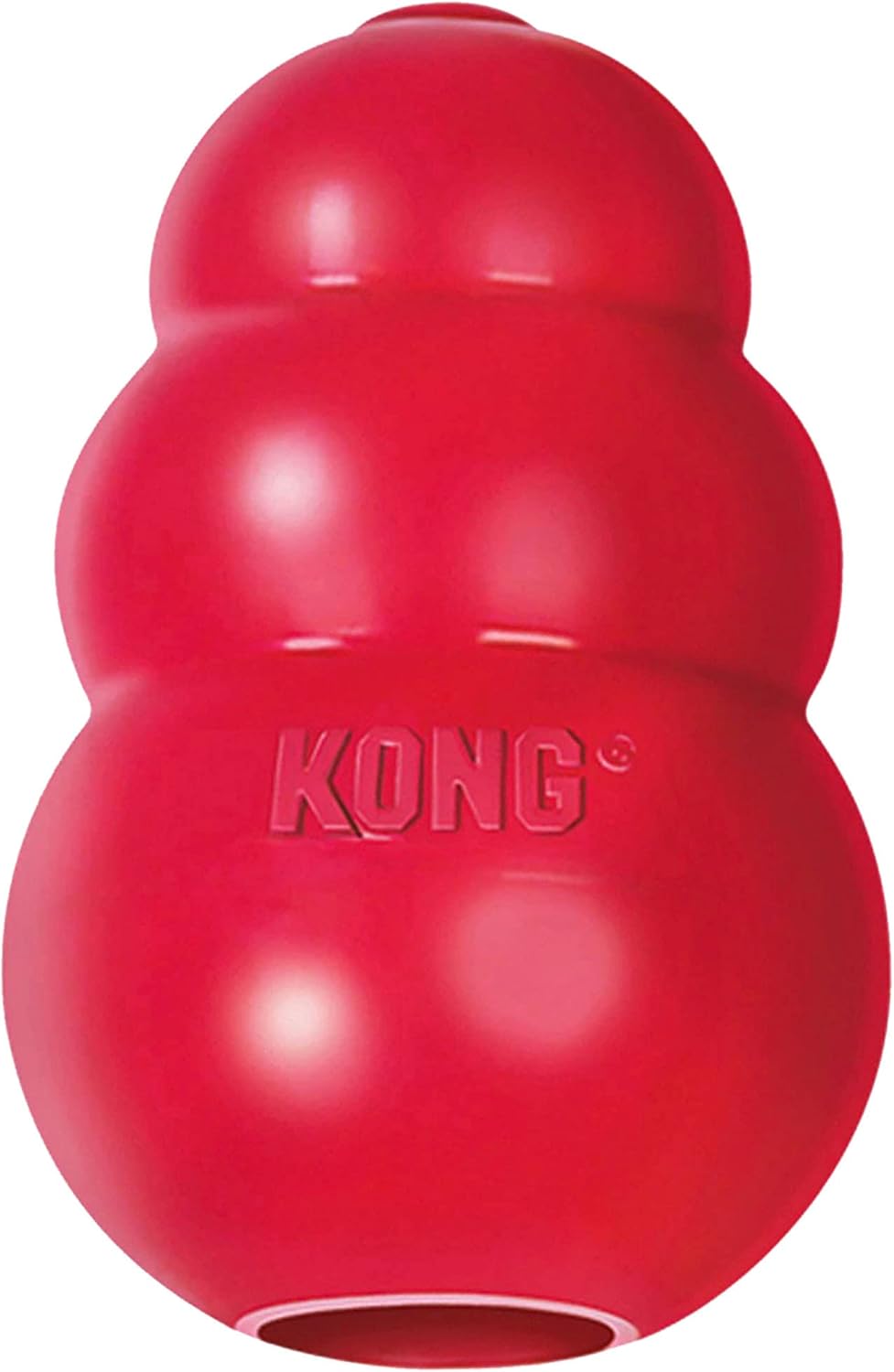


Outward Hound
See current price

Benebone
See current price

Outward Hound
See current price


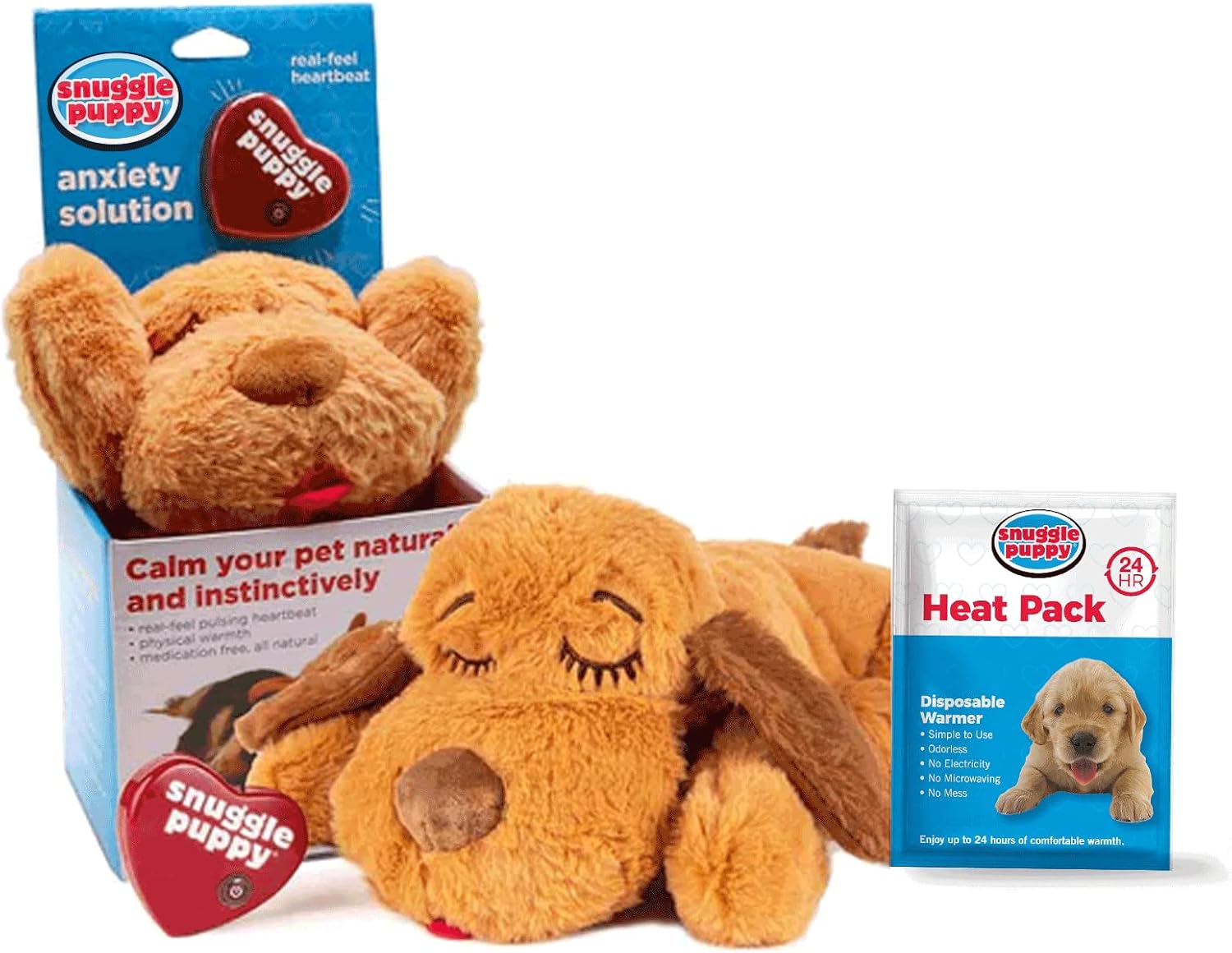
SNUGO - pallet ordering
See current price

Multipet International
See current price

KONG
See current price

Chuckit
See current price

Central Garden & Pet
See current price

Central Garden & Pet
See current price


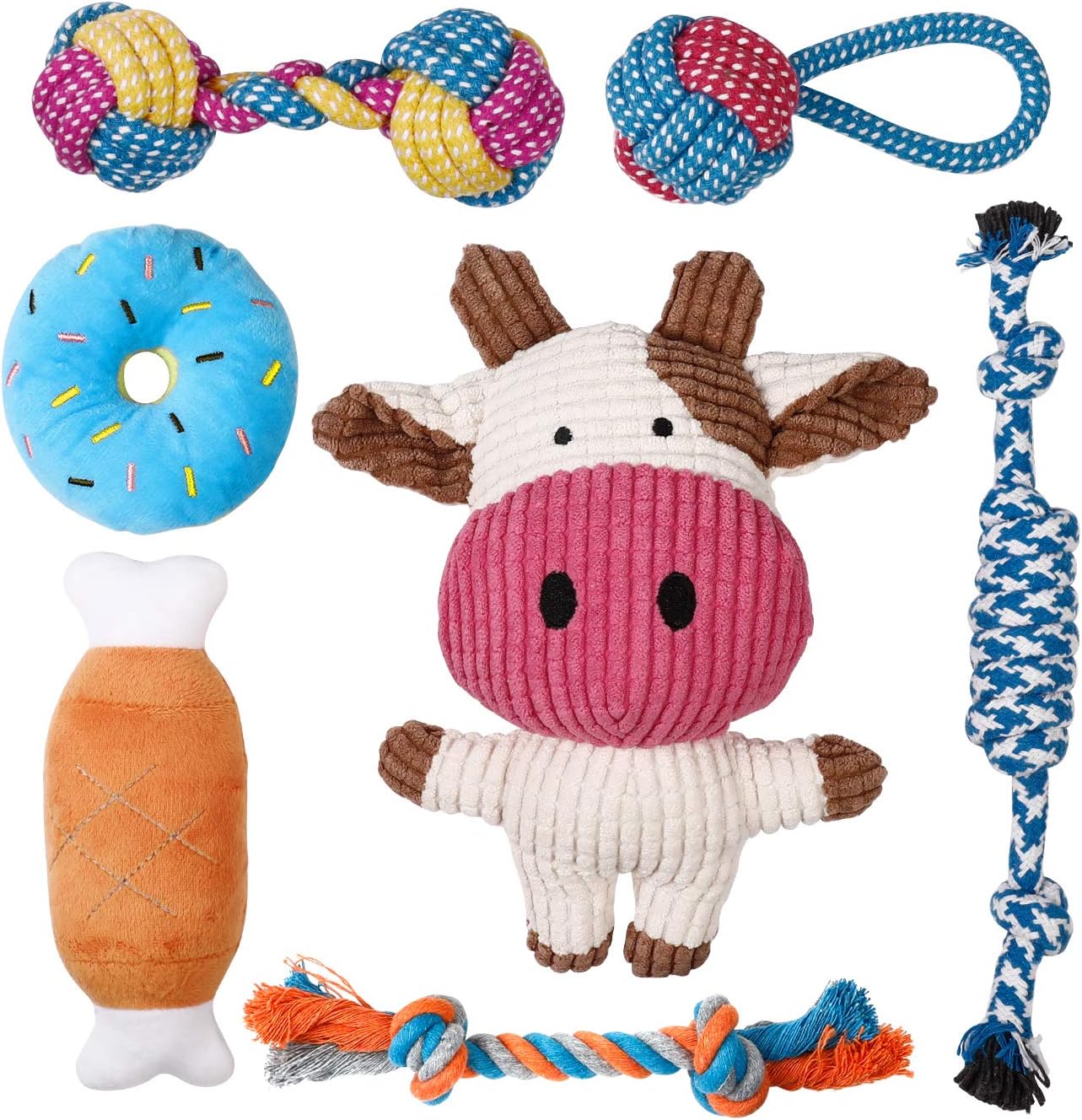


Dog toys can support active play, chewing, fetching, training, and mental enrichment. The right choice depends on your dog’s size, habits, energy level, and preferred way to play—not just the toy’s appearance.
Use this catalog to compare materials, dimensions, construction, intended use, and care instructions before following through to Amazon for the latest product information.
Start with your dog’s normal play behavior. A dog that enjoys chasing may prefer a fetch toy, while a food-motivated dog may get more use from a treat-dispensing or puzzle design. Dogs that like to carry or tug may need a toy with a suitable shape and handle.
Consider these factors:
Although this catalog does not divide dog toys into listed subcategories, products generally fit several practical use cases.
Fetch toys are made for throwing and retrieving. Balls, flying discs, and other tossable designs may suit active dogs and outdoor play. Compare the toy’s size, texture, visibility, and whether it is intended for land or water use.
Tug toys encourage shared play between a dog and handler. Look for a comfortable grip and construction that matches your dog’s strength. Tug toys should be used in a controlled way, with the toy removed if threads, stuffing, or other components begin to loosen.
Chew toys are intended for dogs that enjoy gnawing. Compare the material, shape, hardness, and recommended dog size. Very hard products may not suit every dog, so dental comfort and your veterinarian’s guidance can be relevant considerations.
Puzzle and treat-dispensing toys add mental stimulation by making a dog work for a small portion of food. Check how the toy is filled, cleaned, adjusted, and supervised. These designs can also be useful for slowing fast eaters when the product is intended for that purpose.
Plush and squeaky toys can appeal to dogs that like carrying, shaking, or retrieving soft toys. They may be less suitable for dogs that quickly remove squeakers or pull out stuffing. Construction details and replacement practicality are worth comparing.
Product listings may differ substantially even when toys look similar. Pay attention to the following details:
A toy’s advertised purpose should match how it will actually be used. A lightweight indoor toy may not be appropriate for vigorous outdoor fetching, while a large chew product may be difficult for a small dog to hold comfortably.
The dog toy catalog includes products from KONG, ZippyPaws, Outward Hound, Gramercy Products, Inc., Central Garden & Pet, JW Pet Company, Fetch for Pets, Multipet, Radio Systems Corporation, VIP Products, and Toozey. These brands are represented across the catalog; compare individual product specifications rather than choosing by brand name alone.
Dog toys are one part of a broader care setup. For walking equipment, browse Collars, Harnesses & Leashes. You can also explore Apparel & Accessories, Grooming, Treats, Health Supplies, and Beds & Furniture as needed.
Inspect every toy before and after use. Remove it if it develops sharp edges, loose threads, exposed filling, detached pieces, or cracks. Replace toys according to their condition rather than relying only on the manufacturer’s general guidance.
Choose toys that are large enough to reduce swallowing risk but manageable for the dog to grip and carry. Supervise new toys until you understand how your dog uses them. If a toy is designed to hold food, clean it thoroughly and follow its filling and washing instructions. When chewing behavior causes concern or a dog breaks off and swallows part of a toy, consult a veterinarian.
Look for a fetch-focused design with a suitable size, easy visibility, and a material that is comfortable for your dog to pick up. Compare whether it is intended for indoor, outdoor, or water play.
No toy is appropriate for every dog or completely indestructible. Choose products that match the dog’s size and chewing habits, supervise use, and remove damaged toys promptly.
Puzzle, treat-dispensing, and interactive toys can make dogs solve a simple task to access food or continue play. Compare difficulty, cleaning needs, and supervision requirements.
Replace a toy whenever it becomes damaged, develops loose parts, or can no longer be cleaned properly. Frequent inspection is more useful than following a fixed replacement schedule.
That depends on the dog and the toy’s condition. Dogs that tear fabric, remove squeakers, or swallow stuffing may need supervised play and a different toy type for solo use.