
Milk-Bone
Milk-Bone Original Dog Treats Biscuits for Large Dogs, 4 Pounds (Pack of 2) (Packaging May Vary)
See current price

Compare dog treats by ingredients, texture, size, texture, and intended use. Explore options for training, enrichment, dental routines, and everyday rewards.
3,023 products in catalog
3,023 results
Milk-Bone
See current price

The J.M. Smucker Co.
See current price

Pedigree
See current price


Greenies
See current price


Greenies
See current price

The J.M. Smucker Co.
See current price
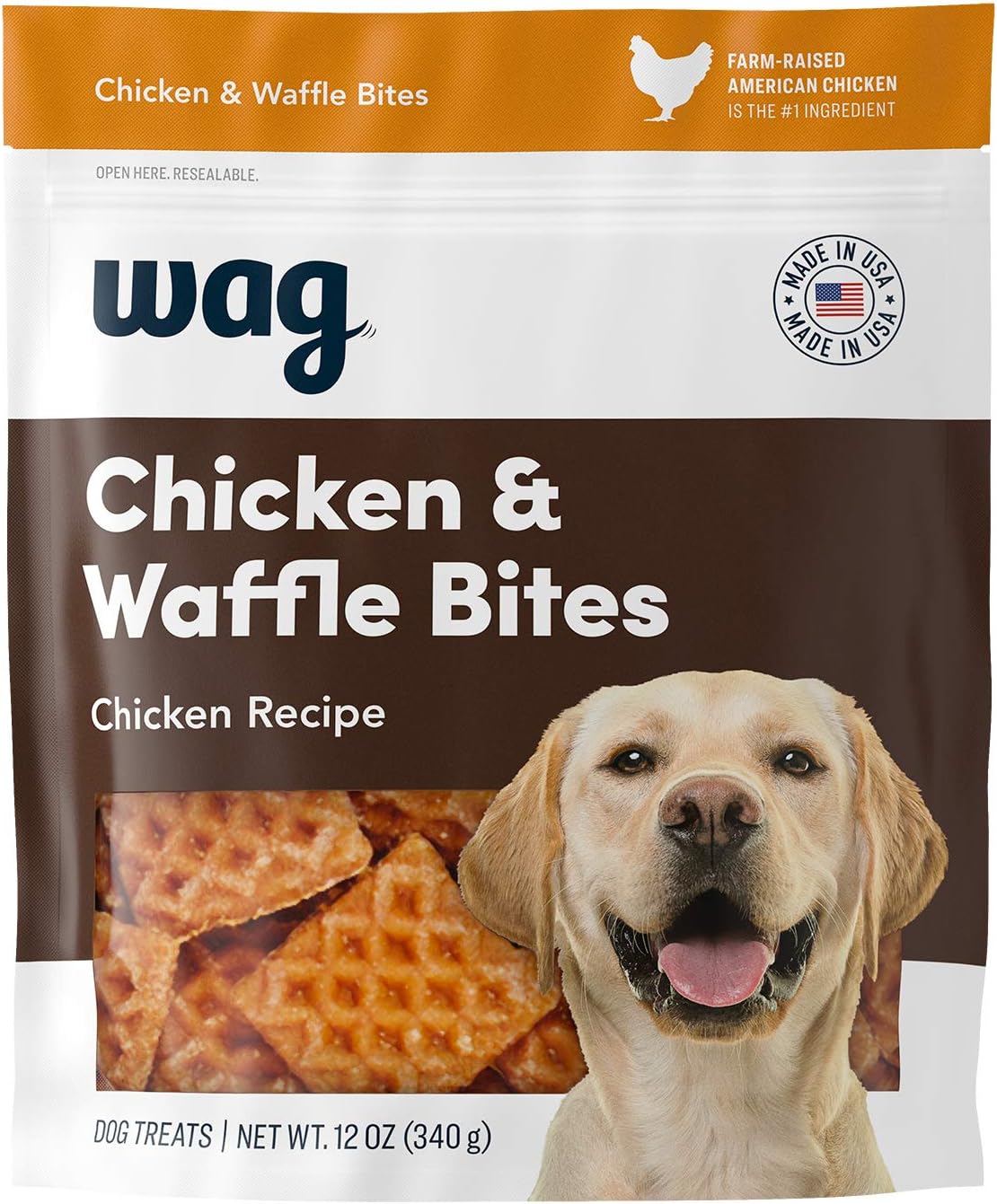


Smartbones
See current price
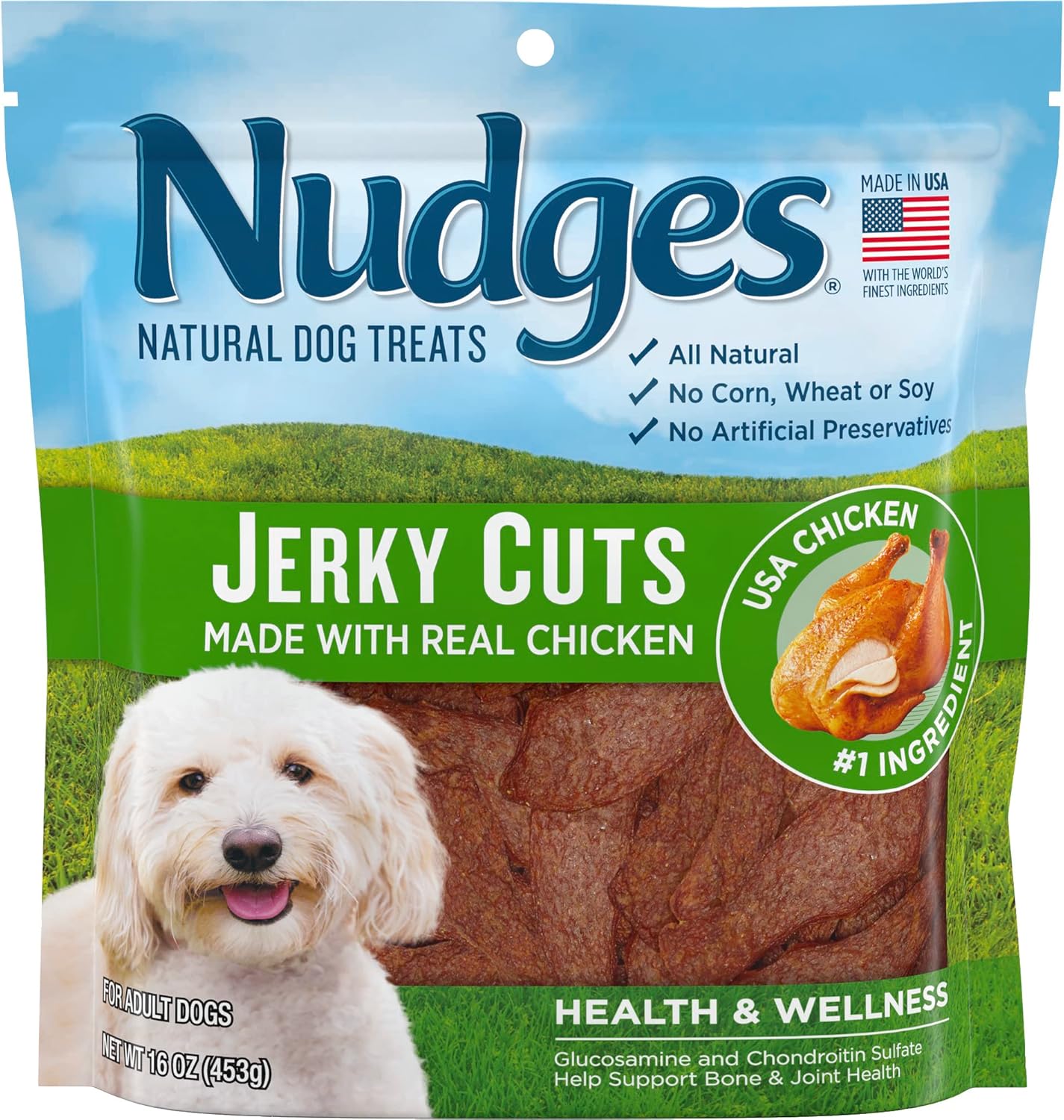

NPIC-The Makers of N-Bone (Natural Polymer International Corporation)
See current price

Blue Buffalo
See current price

Blue Buffalo
See current price

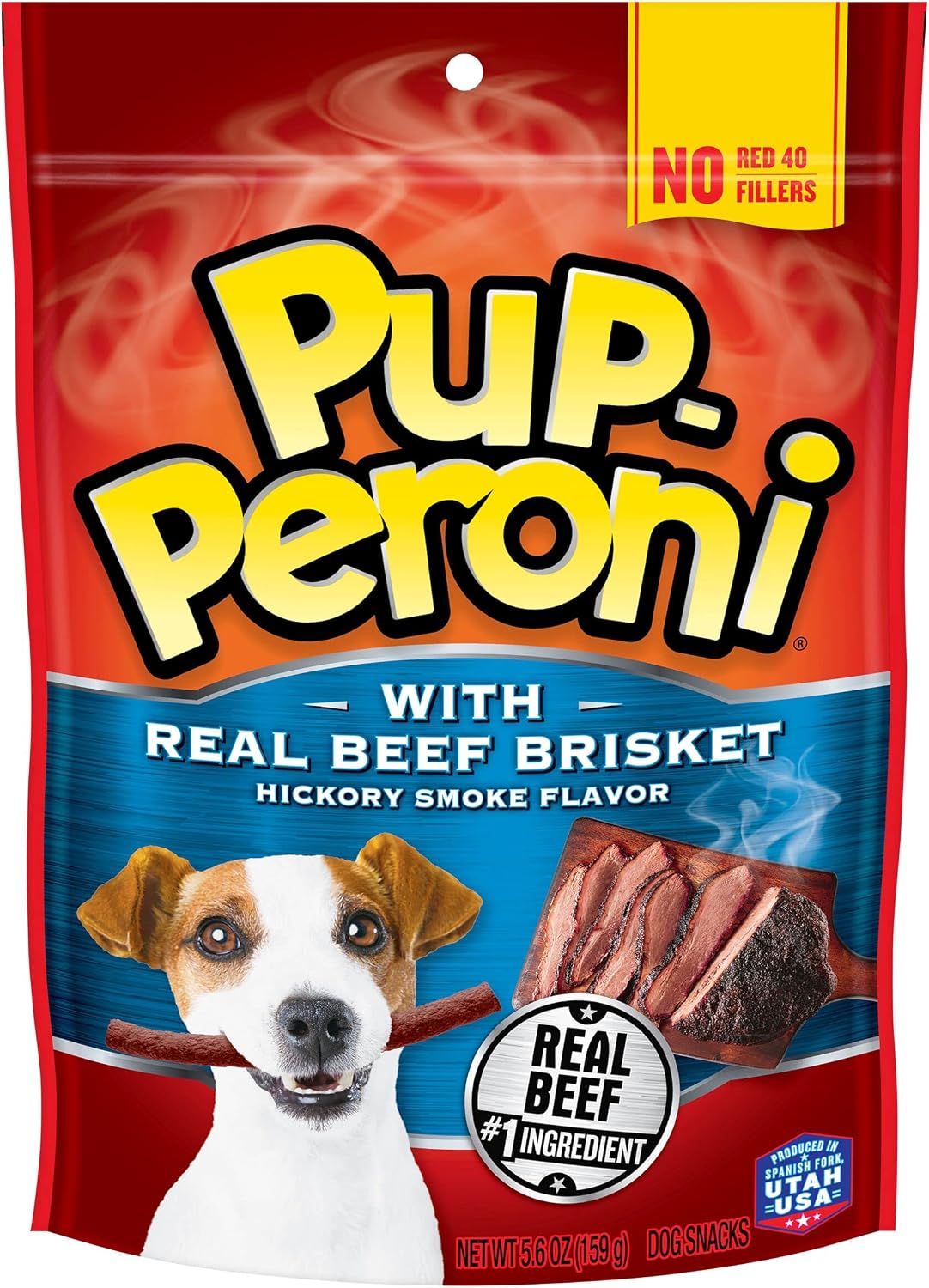
Pup-Peroni
See current price

Rachael Ray Nutrish
See current price

Dog treats can support training, enrichment, bonding, and everyday routines. The right choice depends on your dog’s size, chewing habits, dietary needs, and how you plan to use the treat.
This K-Catalog selection makes it easier to compare product details across a broad range of dog treats. Check the package information and product specifications carefully, since ingredients, textures, serving guidance, and intended uses can vary widely.
Start with the purpose. Small, easy-to-eat treats are often convenient for training, while longer-lasting chews may suit supervised enrichment. Soft treats can be useful for dogs that prefer a tender texture, whereas crunchy options may appeal to dogs that enjoy more resistance.
Consider your dog’s individual needs before choosing:
If your dog has allergies, a sensitive stomach, or a condition requiring a specific diet, consult a veterinarian about suitable ingredients and treat types.
The Treats category includes several formats rather than one standard product type. Comparing by format can help narrow the selection:
Product details matter as much as the treat name. Look for the intended dog size, feeding instructions, storage guidance, and whether the item is meant to be consumed quickly or chewed over time.
Compare the primary protein and other prominent ingredients, especially when rotating between products. If your dog reacts to certain foods, check both the main ingredient list and any allergy or dietary statements on the package.
Packaging format can also affect convenience. Resealable bags, individual portions, or larger containers may suit different households, but freshness depends on following the storage instructions. For chews and hard treats, review the safety guidance and remove pieces that become small enough to swallow whole.
The catalog includes products from Milk-Bone, Pawstruck, Greenies, Dingo, Redbarn Pet Products, Smartbones, Blue Buffalo, Pet 'n Shape, Charlee Bear, Whimzees, Sancho & Lola's Closet, and Good'N'Fun. These brands cover a range of treat formats, textures, ingredient approaches, and intended uses.
Brand familiarity can help with comparison, but the product-level details should guide the decision. Formulas and specifications can differ within the same brand, so check each listing rather than relying only on the brand name.
Treats are only one part of a dog’s daily routine. Training rewards may work alongside Collars, Harnesses & Leashes when practicing walks or basic commands. For enrichment, compare treats with Toys designed for interactive play or food-based activities.
Dogs with grooming or care routines may also need supplies from Grooming and Health Supplies. If you are organizing a broader dog-care setup, browse the Dogs category for additional product areas.
Look for a size and texture that the dog can manage comfortably. Small or breakable treats can make portion control easier, but always follow the product’s feeding guidance.
Neither is universally better. Soft treats may suit quick rewards and dogs that prefer tender textures, while crunchy treats may be preferred for their firmer bite. Choose based on purpose and your dog’s preferences.
Yes. Treats can reinforce desired behavior when offered promptly and in suitable portions. Select rewards that your dog can eat without losing focus for too long.
No. Dental-oriented treats may complement an oral-care routine, but they should not be treated as a universal replacement for brushing or professional veterinary care.
Follow the storage instructions on the package. Reseal products when appropriate, keep them in a suitable location, and discard treats that show signs of spoilage or contamination.
Use the package guidance and account for treats as part of the dog’s overall food intake. A veterinarian can provide individualized advice when weight, allergies, or health conditions are concerns.