
Embroidery Machines for Creative Sewing Projects
Compare embroidery machines by hoop size, built-in features, design transfer options, and included accessories to find a setup that fits your projects and workspace.
6 products in catalog
6 results
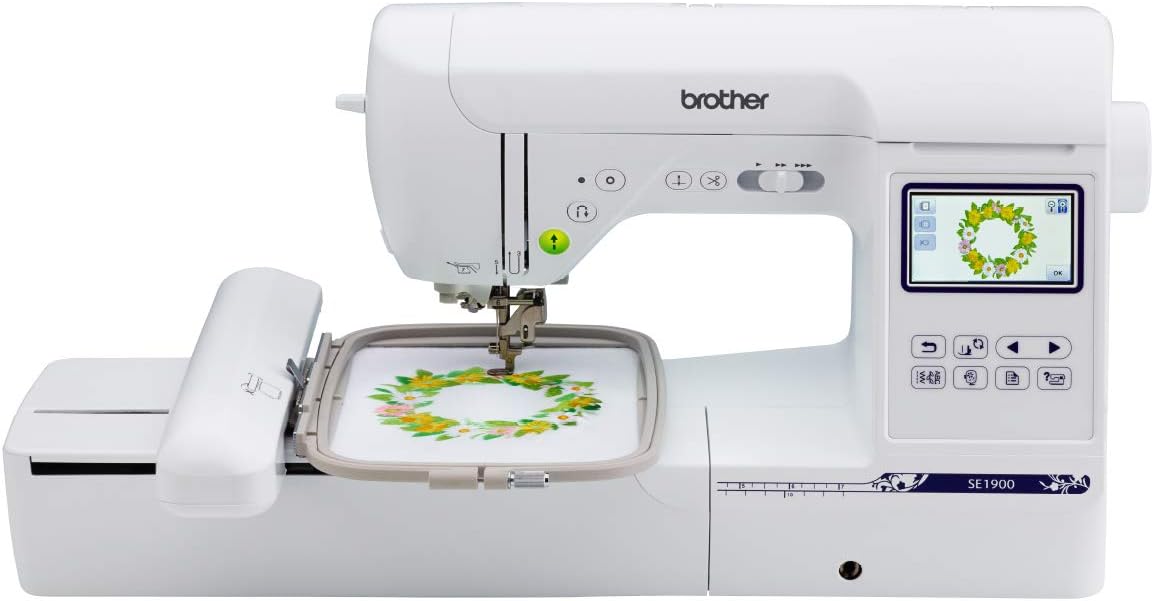
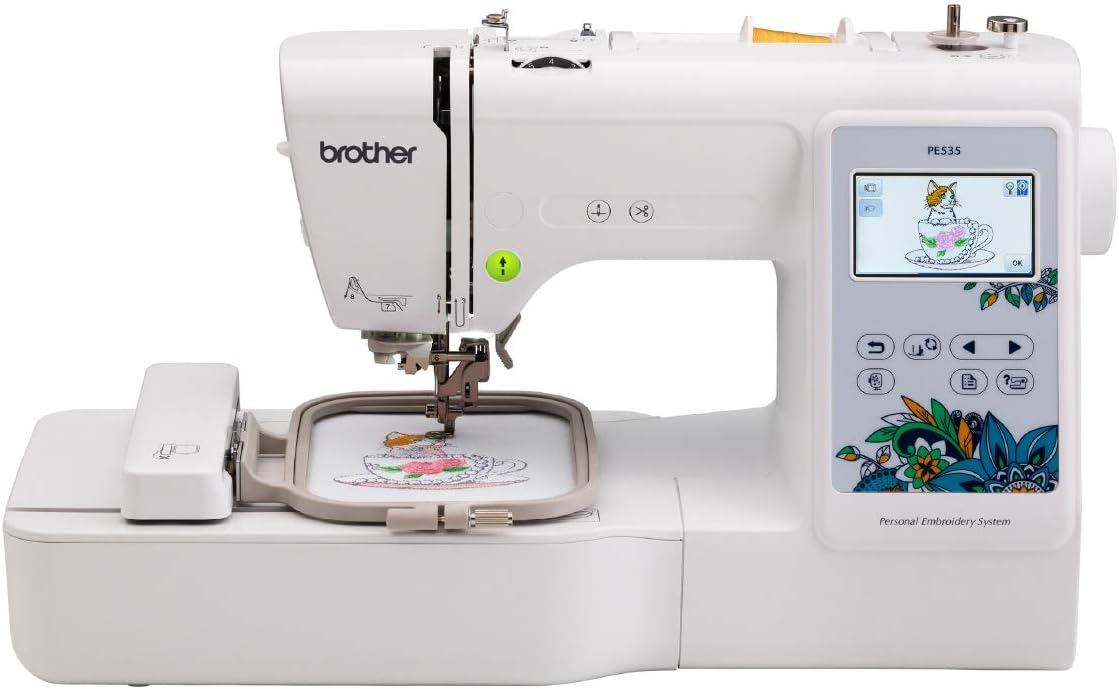
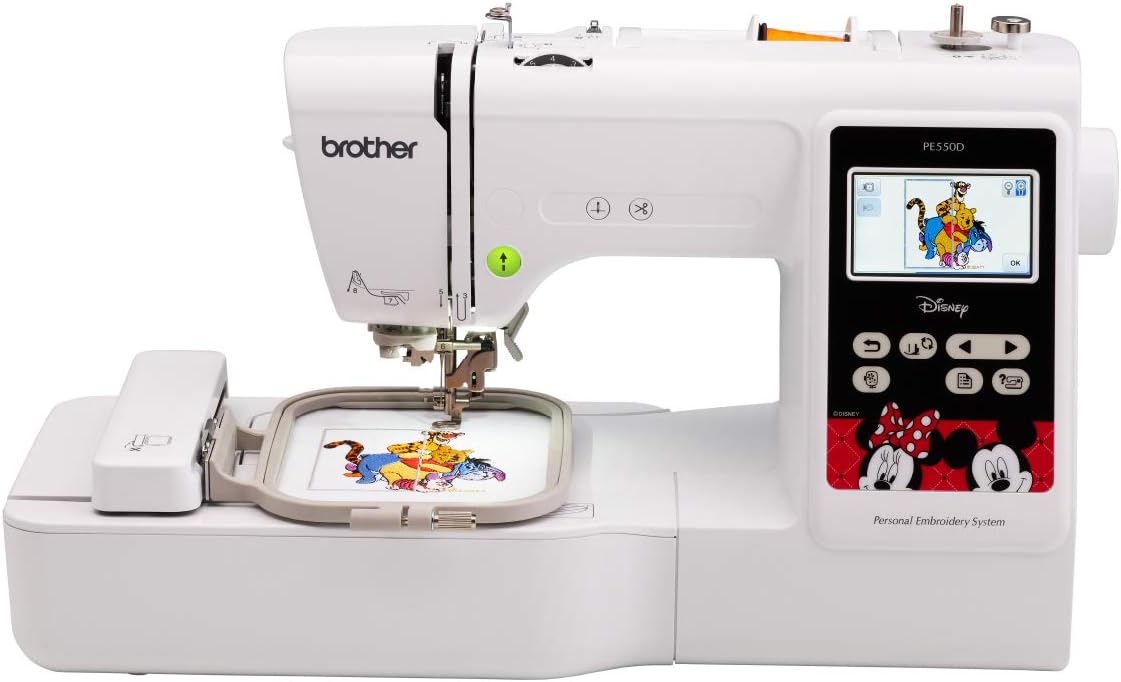

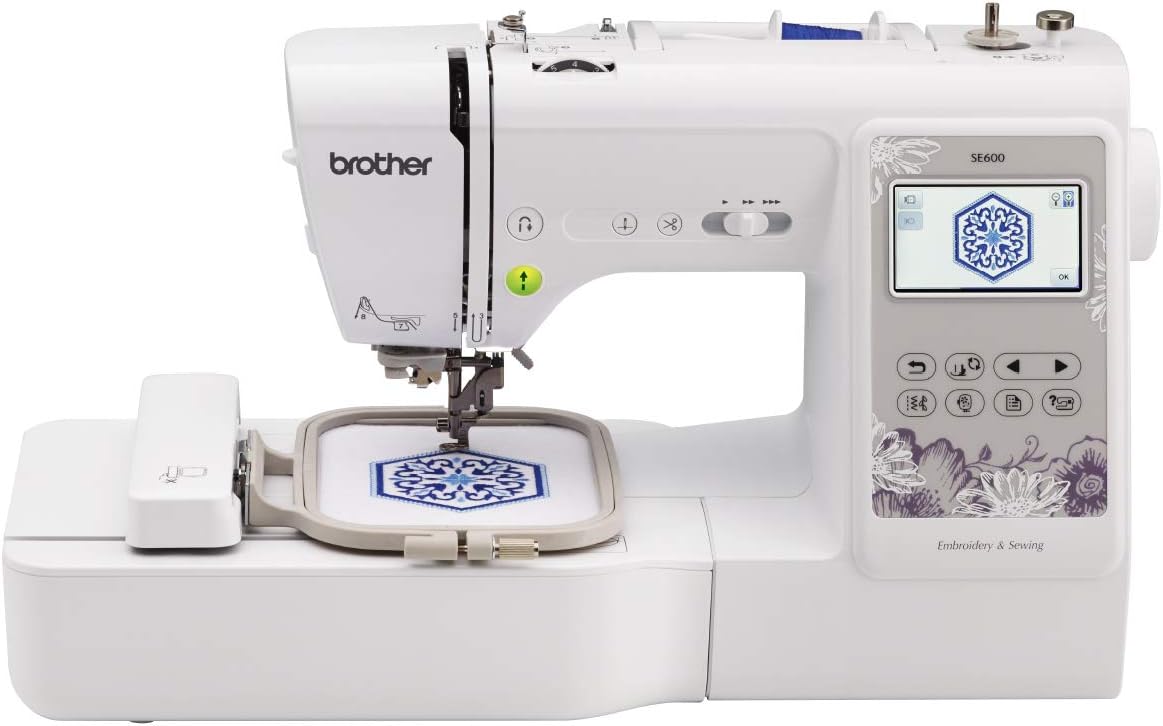
Popular brands in Embroidery Machines
Embroidery machines are designed to stitch decorative lettering, motifs, borders, and other programmed designs onto fabric. The right choice depends on the scale of your projects, how much control you want over designs, and whether you need embroidery only or a machine that also handles conventional sewing.
Use this category to compare available specifications and features before checking the current product details. Consider the machine’s embroidery area, design workflow, controls, and compatibility with the materials and supplies you already use.
How to choose an embroidery machine
Start by defining the projects you expect to make. Small monograms, labels, cuffs, and children’s garments may not require the same workspace as quilts, jacket backs, home décor, or repeated decorative panels. A larger embroidery field can reduce the need to reposition fabric, while a compact machine may be easier to store and move.
Also consider how you prefer to work. Some shoppers want a straightforward machine for selecting and stitching existing designs. Others may prioritize editing tools, imported files, lettering options, or connections that make it easier to move designs from a computer or other device. Choose features that match your comfort with digital design rather than paying attention to capabilities you may not use.
If you need regular straight stitching, buttonholes, or garment construction as well as embroidery, compare embroidery-capable combination machines with embroidery-only models. The broader Sewing Machines category can help when evaluating conventional sewing functions separately.
Types and project considerations
Embroidery machines generally differ in how they handle design creation, fabric placement, and stitching control. Common considerations include:
- Embroidery-only machines: Focus on decorative stitching and may suit dedicated embroidery work.
- Combination machines: Pair embroidery with regular sewing functions for shoppers who want one machine for multiple tasks.
- Compact setups: Often make sense for limited workspaces, occasional projects, or smaller designs.
- Larger-format setups: May be more useful for expansive motifs, quilt blocks, garments, and projects requiring fewer hooping steps.
The machine’s intended design area is only one part of the decision. Think about fabric thickness, stabilizer use, repeated pattern alignment, and whether the available controls make resizing or positioning convenient.
Key specifications and features to compare
Review the product specifications carefully, since similar-looking machines can support different workflows. Important details include:
- Maximum embroidery area: Compare the supported hoop sizes with the dimensions of your typical designs.
- Built-in designs and lettering: Check the included design library, font options, and whether lettering can be adjusted.
- Design transfer: Look for the connection or file-transfer method that fits your computer, storage device, or preferred workflow.
- Editing functions: Useful controls may include resizing, rotating, mirroring, combining designs, changing colors, and repositioning elements.
- Display and controls: A clear screen and intuitive navigation can make setup and design adjustments easier.
- Speed control: Adjustable speed can help when learning, working with delicate fabrics, or prioritizing precision.
- Hoops and accessories: Confirm which hoops, frames, needles, bobbins, presser feet, thread-related items, and stabilizer guidance are included.
- Maintenance access: Consider how easily you can clean lint, change needles, wind bobbins, and reach the areas that require routine care.
Compatibility matters as much as headline features. Confirm supported file formats, operating-system requirements, hoop availability, and any limitations on imported designs before building a larger digital library.
Brands represented in this catalog
Brother and BOTARO are represented in the Embroidery Machines catalog. Compare their listed specifications and included equipment directly, focusing on the functions that matter for your projects rather than treating brand presence as a recommendation. Availability and product details can change, so review the current listing information before making a decision.
Supplies, setup, and project planning
Embroidery results depend on more than the machine. Thread weight and fiber, stabilizer choice, needle type, fabric structure, hooping tension, and design density all affect how a motif stitches. Keep the fabric smooth and secure without stretching it excessively, and use a test piece when working with unfamiliar fabric or a new design.
Related supplies can be found in Thread & Floss, while Sewing Notions & Supplies may help with general project tools. For decorative finishing materials, see Trim & Embellishments. Quilters may also want to compare Quilting resources, and replacement or specialty components may be listed under Sewing Machine Parts & Accessories.
Frequently asked questions
What is the most important embroidery machine specification?
For many shoppers, the maximum embroidery area is a key starting point. Match it to the size of your usual motifs, garments, quilt blocks, or home décor projects, then compare design and transfer features.
Should I choose an embroidery-only or combination machine?
Choose an embroidery-only model if decorative stitching is your main purpose. A combination machine may suit you better if you also want one machine for conventional sewing tasks, but compare those sewing functions carefully.
Do I need design software?
Not always. Built-in designs and machine controls may be sufficient for basic projects. Software becomes more relevant when you want to create, digitize, organize, or extensively edit designs outside the machine.
What supplies should I have ready?
Plan for suitable embroidery thread, bobbins, needles, stabilizer, fabric, and compatible hoops. The right combination depends on the material and design density, so follow the machine and supply specifications.
How can I compare two similar machines?
Compare embroidery field size, included hoops, design-transfer methods, editing tools, display controls, supported file formats, maintenance access, and the functions included for your intended projects.