

Emergency Response Equipment
Compare emergency response equipment for workplaces, facilities, vehicles, and organized response plans. Review kit contents, materials, storage, and intended use before choosing supplies.
28 products in catalog
28 results
Filters


Swiss Safe
Swiss Safe EMT Vital Waterproof Notebook, 140 Pages/Notepad and Pens, for Emergency First Responders, 3 Pack
See current price


Harrier Hardware
Harrier Hardware Utility Strap with Quick-Release Buckle, Black, 72-Inch, 6-Pack
See current price


Reliance Medical
Reliance Medical 901 Sterile Saline Eyewash 20 mL Ampoules, Plastic (Pack of 25)
See current price


CPR Savers -
CPR Savers and First Aid Supply CPR Training Face Shields for Easy Sanitation on Manikins (10)
See current price

Honeywell
Honeywell HC26A1008/U Pad for He200, He250, He260, He265, He300, He360 and He365
See current price


PhysiciansCare
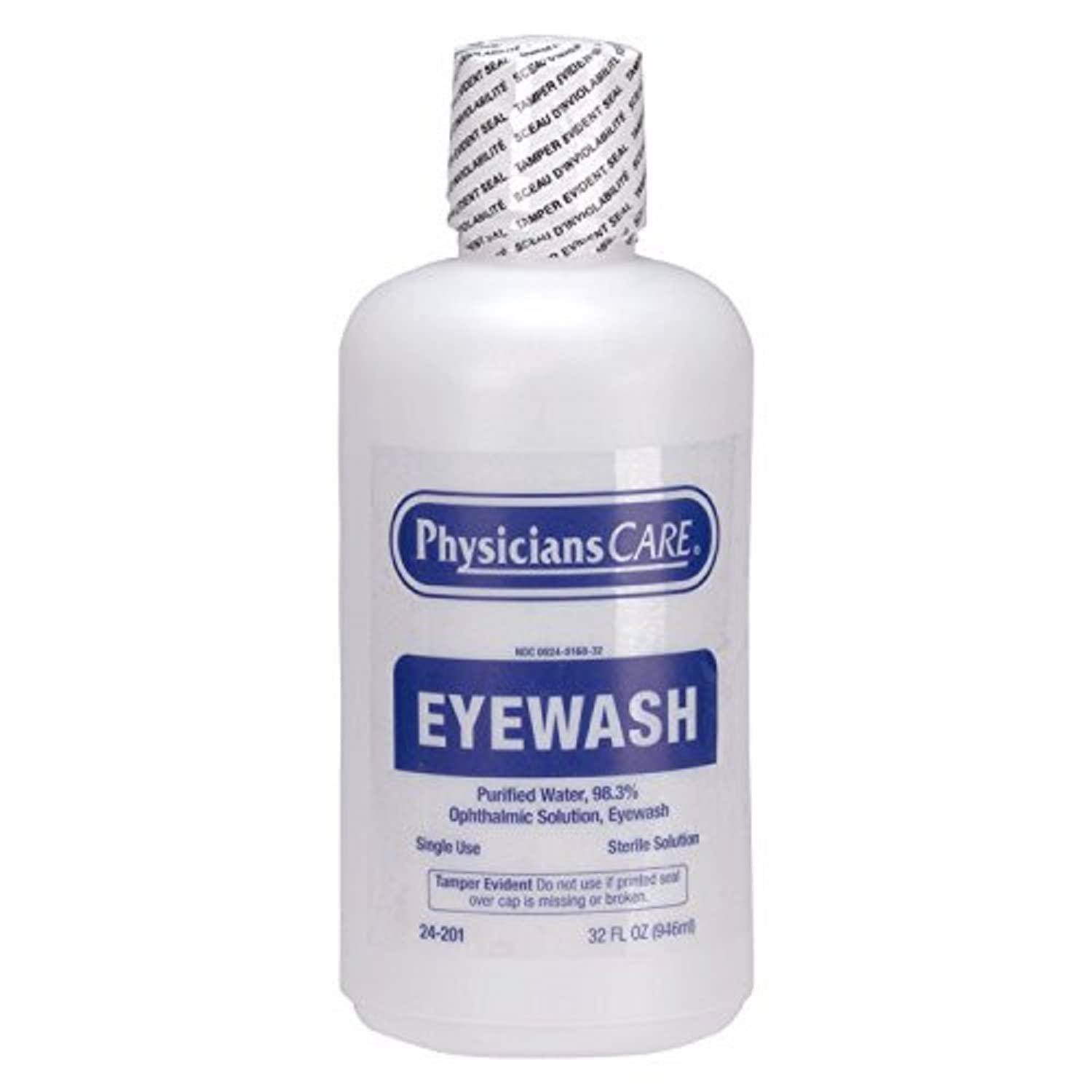
PhysiciansCare 24-300 Eyewash Station with Ophthalmic Solution Eyewash (Box of 2), Green, Double - 32 Ounce
See current price


LINE2design
LINE2design Triangular Bandage - First Aid Bandage Wound Dressing Fracture Fixation Emergency 5Pk
See current price


Honeywell International, Inc
Fendall Eyesaline Eyewash Saline Solution Bottle Refill, 32 oz (2 Pack)
See current price
Popular brands in Emergency Response Equipment
Emergency response equipment helps workplaces prepare for injuries, hazards, evacuations, and other unexpected situations. The right choice depends on the risks present, how quickly supplies must be accessed, and whether equipment needs to remain portable or support a fixed response station.
K-Catalog helps you compare listed products by specifications and features before clicking through to Amazon for current availability and purchasing information. For broader workplace safety planning, browse Occupational Health & Safety Products as well.
How to choose emergency response equipment
Start by identifying the situations the equipment is meant to support. A small office, warehouse, workshop, construction area, vehicle, and public-facing facility may require different supplies and storage arrangements. Consider your site layout, staff training, environmental conditions, and how often equipment may need to be moved.
Key questions include:
- Is the equipment intended for first response, evacuation, injury care, or general emergency preparedness?
- Can users identify and reach it quickly in low-light, crowded, or stressful conditions?
- Does the kit or container suit the expected number of users and the available storage space?
- Are the contents appropriate for the hazards covered by your workplace procedures?
- Will the equipment remain at one location, or should it be portable?
Equipment should complement, not replace, established emergency procedures and appropriate training.
Common types to compare
Emergency response equipment can range from compact supplies for immediate care to organized kits and storage solutions for larger facilities. Product listings may differ substantially in purpose, contents, and intended setting, so read each specification carefully rather than choosing by appearance alone.
First aid and injury-response supplies
First aid kits and related supplies are designed to keep essential care items organized and accessible. Compare the included components, container format, labeling, closure, and whether the kit is suitable for wall mounting, transport, or vehicle storage.
Emergency kits and preparedness supplies
Preparedness kits may group multiple supplies for quick access during an incident. Look at the stated use, included items, packaging, and portability. A compact kit may suit mobile response, while a larger organized case may be more appropriate for a designated workplace station.
Protective and hazard-response equipment
Some response situations require protection from a specific workplace hazard. Check whether the product is intended for the relevant environment and whether additional protective equipment, containment supplies, or procedures are required. For related handling products, see Hazardous Material Handling.
Specifications and features that matter
The most useful comparison points depend on the equipment type, but several details are broadly important:
- Contents: Check the complete item list, quantities where provided, and whether consumable supplies can be replaced.
- Organization: Compartments, labels, transparent sections, and clear opening systems can make supplies easier to locate.
- Portability: Handles, cases, pouches, and compact designs may matter when equipment must travel to an incident.
- Durability: Compare case materials, closures, seams, and construction for the intended workplace conditions.
- Visibility: Bright colors, markings, and easy-to-identify storage can help users find equipment quickly.
- Storage requirements: Confirm dimensions and consider mounting, shelving, vehicle compartments, temperature, moisture, and exposure to dust or chemicals.
- Maintenance: Review expiration dates, replacement needs, inspection routines, and the ease of restocking individual items.
Do not assume that a larger kit is automatically more suitable. Extra contents can increase storage needs and make organization more difficult if they are not relevant to the hazards at hand.
Brands represented in the catalog
The catalog includes emergency response products from First Aid Only, LINE2design, Pac-Kit, Reliance Medical, Honeywell, A2Z, Swiss Safe, Honeywell International, Inc, SmarterFresh, Group Medical Supply, CGOLDENWALL, and Skywin. These brands provide options to compare across product format, kit organization, materials, and intended use. Brand familiarity should be considered alongside the actual specifications and contents of each listing.
Planning, placement, and upkeep
Place emergency equipment where authorized personnel can reach it without unnecessary delay, while keeping it protected from damage and unauthorized removal. Mark the location consistently and make sure employees know what it is for and how to report missing or used supplies. Safety Signs & Signals may help with broader visibility and identification planning.
Inspect stored equipment according to your workplace procedures. Replace used, damaged, contaminated, or expired supplies, and check that closures, labels, mounting hardware, and protective cases remain functional. Keep instructions aligned with the site’s emergency plan, and use Safety Training to support employee readiness.
For equipment that controls access to hazardous machinery during servicing, Lockout & Tagout Products is a separate category to review.
Frequently asked questions
What is emergency response equipment used for?
It supports immediate action during workplace incidents, such as injury response, evacuation, hazard control, or organized emergency preparedness. The appropriate equipment depends on the site’s risks and procedures.
How do I choose between a portable kit and a fixed station?
Choose based on whether supplies must travel to an incident. Portable kits suit mobile response, while fixed stations can provide larger or more organized storage in a known location.
What should I check in a first aid or emergency kit listing?
Review the complete contents, container dimensions, materials, organization, closure, portability, storage guidance, and any replacement or maintenance information provided by the manufacturer.
Where should emergency equipment be stored?
Store it in an accessible, clearly identified location that protects it from likely damage and environmental exposure. Follow workplace procedures and keep access routes clear.
Does emergency response equipment replace safety training?
No. Equipment is most effective when employees understand the emergency plan, know where supplies are kept, and receive training appropriate to their responsibilities.