

Hazardous Material Handling Products
Compare hazardous material handling products for storing, containing, transferring, and responding to hazardous substances. Review specifications and features to identify equipment suited to your workplace.
104 products in catalog
104 results
Filters

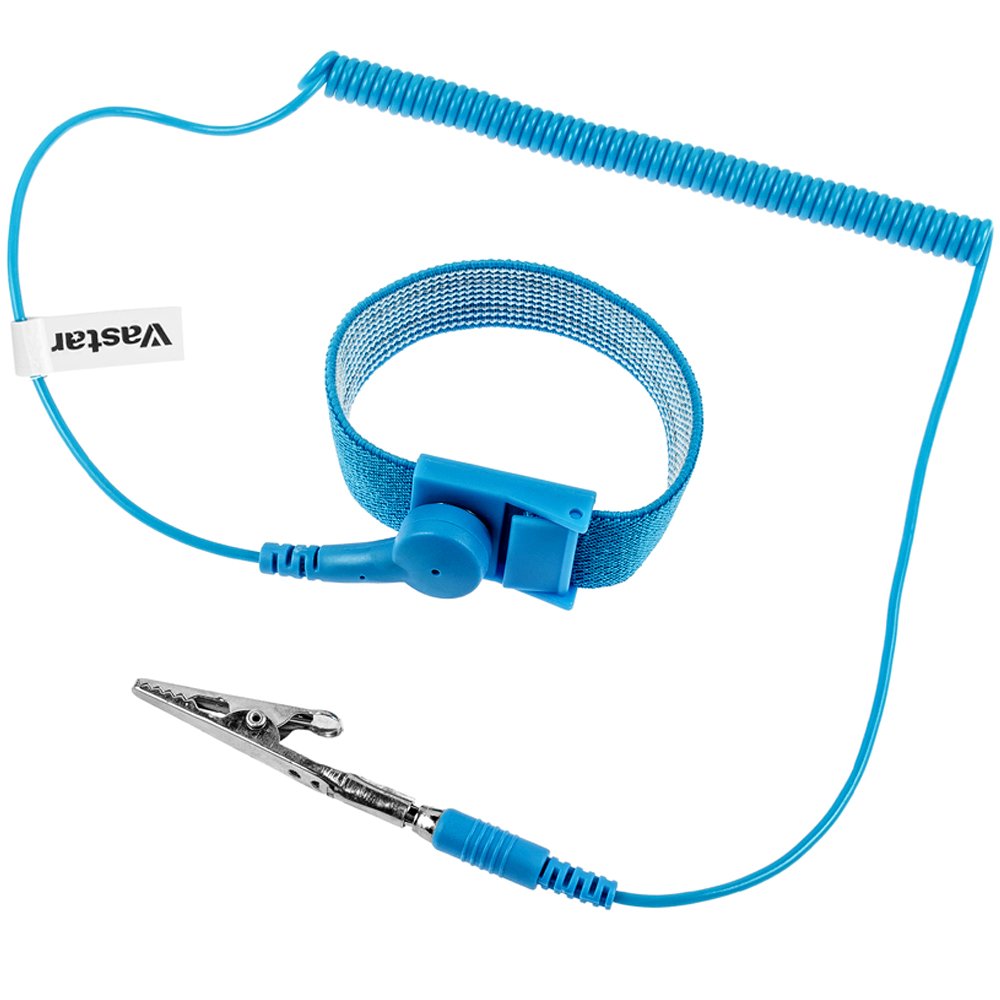
![Anti Static Wrist Strap, 11" Anti Static Wristband Grounding Bracelet with Alligator Clip and Extendable Long Cable, Fits Wrist Circumference" 6" to 8.5". [Regular Size]](https://m.media-amazon.com/images/I/71Pe5W8+hfL._SL1500_.jpg)


GQ Electronics
GQ GMC-300E Geiger Counter Nuclear Radiation Detector Data Recorder Beta Gamma X-ray
See current price
GQ Electronics
GQ GMC-300E Geiger Counter Nuclear Radiation Detector Data Recorder Beta Gamma X-ray
See current price

iFixit
iFixit Anti-Static Wrist Strap (Adjustable up to Size XL) - ESD Grounding Wristband
See current price


GQ Electronics
GQ GMC-500Plus Geiger Counter Nuclear Radiation Detector Monitor Dosimeter, White
See current price


Brady
Brady SPC BPO100 15" x 17" Heavy Weight Economical Oil Only Absorbent Pads - 100 ct
See current price

HOSPECO
Hospeco KL Waxed Kraft Feminine Hygiene Liner Bag with Gusset,10.25" x 7.5" x 3.5",(Case of 500)
See current price

Durham Manufacturing
Durham 385-95 Gray Cold Rolled Steel 6 Sections Aerosol Can Caddy, 21-1/2" Width x 5-1/4" Height x 3-1/8" Depth
See current price
Durham Manufacturing
Durham 385-95 Gray Cold Rolled Steel 6 Sections Aerosol Can Caddy, 21-1/2" Width x 5-1/4" Height x 3-1/8" Depth
See current price


Popular brands in Hazardous Material Handling
Hazardous material handling equipment supports safer storage, movement, containment, and cleanup of substances that may present chemical, environmental, fire, or workplace hazards. The right product depends on the material involved, the task being performed, and the conditions where the equipment will be used.
Use this category to compare product specifications and features before checking current availability and purchasing options. Always follow the applicable workplace procedures, safety data sheet guidance, and local requirements for the materials in use.
How to choose hazardous material handling equipment
Start by identifying the handling task rather than choosing by appearance alone. A product used for temporary spill containment may require different properties from one intended for routine storage or transport.
Consider these factors:
- Material compatibility: Check whether the container, liner, mat, tray, cabinet, or other component is suitable for the chemical or substance involved. Compatibility information should come from the manufacturer and the applicable safety documentation.
- Capacity and dimensions: Match the product’s internal capacity, footprint, opening, and clearance to the containers or work area it must accommodate.
- Containment needs: Look for features that help limit leaks, drips, splashes, or the spread of spilled material during handling.
- Work environment: Consider indoor or outdoor use, temperature, moisture, ventilation, traffic, and available floor or wall space.
- Handling requirements: If the equipment will be moved, compare wheels, handles, lifting points, stackability, and overall weight when loaded.
- Visibility and access: Labels, color, covers, doors, openings, and access points can affect identification and response speed.
Common product types and uses
Hazardous material handling is a broad category, so compare products according to the role they serve in a safety plan. Storage products may be appropriate for organizing containers and separating materials, while spill-control equipment is intended to help contain or collect releases.
Absorbent products can be useful for managing liquid spills, but the absorbent type should be matched to the substance and the cleanup procedure. Spill pallets, trays, berms, and other containment products can help protect floors and surrounding work areas from leaks or overflow. Drums, cans, cabinets, and specialized containers may support storage or collection, subject to the material and facility requirements.
For signs, labels, and visual warnings, browse Safety Signs & Signals. Products intended for an incident response plan can also be compared with Emergency Response Equipment.
Specifications and features to compare
Product pages may differ substantially in the specifications they provide. Pay attention to the details most relevant to the task:
- Construction material and any stated resistance or compatibility information
- Capacity, dimensions, opening size, and storage configuration
- Absorbency or containment characteristics where applicable
- Cover, lid, door, closure, or sealing design
- Mobility features such as casters, handles, or lifting points
- Mounting, stacking, nesting, or installation requirements
- Reusable or disposable design and cleaning considerations
- Included components, replacement parts, and compatible accessories
Do not assume that products with similar names perform the same function. A container designed for collection may not be intended for long-term storage, and an absorbent made for one type of spill may not be suitable for another. Read the manufacturer’s specifications and usage instructions carefully.
Brands represented in the catalog
The catalog includes hazardous material handling products from brands such as Justrite, Eagle, Quarta Rad, GQ Electronics, Bertech, New Pig, Eagle Manufacturing, Galuku International, Durham Manufacturing, GQ, Medical Action Industries, and PIG Home Solutions. Compare each product on its own specifications and intended use rather than selecting by brand name alone.
For related workplace controls, see Lockout & Tagout Products and Safety Training. These categories address different parts of a broader occupational safety program and may complement hazardous material handling equipment.
Practical handling and maintenance tips
Keep compatible equipment accessible where hazardous materials are stored, transferred, or used. Make sure employees know where response supplies are located and understand the site’s procedures for reporting, isolation, cleanup, disposal, and escalation.
Inspect containers, closures, absorbents, wheels, seams, and other high-use components before use. Replace damaged, contaminated, saturated, or expired supplies according to the manufacturer’s guidance and workplace procedures. Keep labels legible and verify that replacement items match the original equipment and the substance being handled.
Frequently asked questions
What is hazardous material handling equipment used for?
It can support the storage, containment, transfer, identification, spill response, and cleanup of hazardous substances. The suitable product depends on the material and the specific task.
How do I check chemical compatibility?
Review the manufacturer’s compatibility information and the relevant safety data sheet. Confirm that every material contacting the substance is appropriate for the intended conditions.
Should I choose reusable or disposable spill-control products?
Reusable products may suit recurring tasks when they can be safely cleaned and maintained. Disposable products may be more suitable when contamination, disposal procedures, or rapid replacement is a priority.
What capacity should a containment product have?
Choose a capacity that fits the containers, equipment, and expected spill scenario. Check the product dimensions as well as its stated capacity, and follow applicable site requirements.
How should hazardous material handling products be maintained?
Inspect them regularly for damage, contamination, wear, and missing components. Follow the manufacturer’s cleaning, replacement, storage, and disposal instructions.