

Engine Cooling & Climate Control Parts
Compare engine cooling and climate control parts by vehicle fitment, component type, specifications, and installation needs. Explore options for maintaining engine temperature and cabin comfort.
1,279 products in catalog
1,279 results
Filters

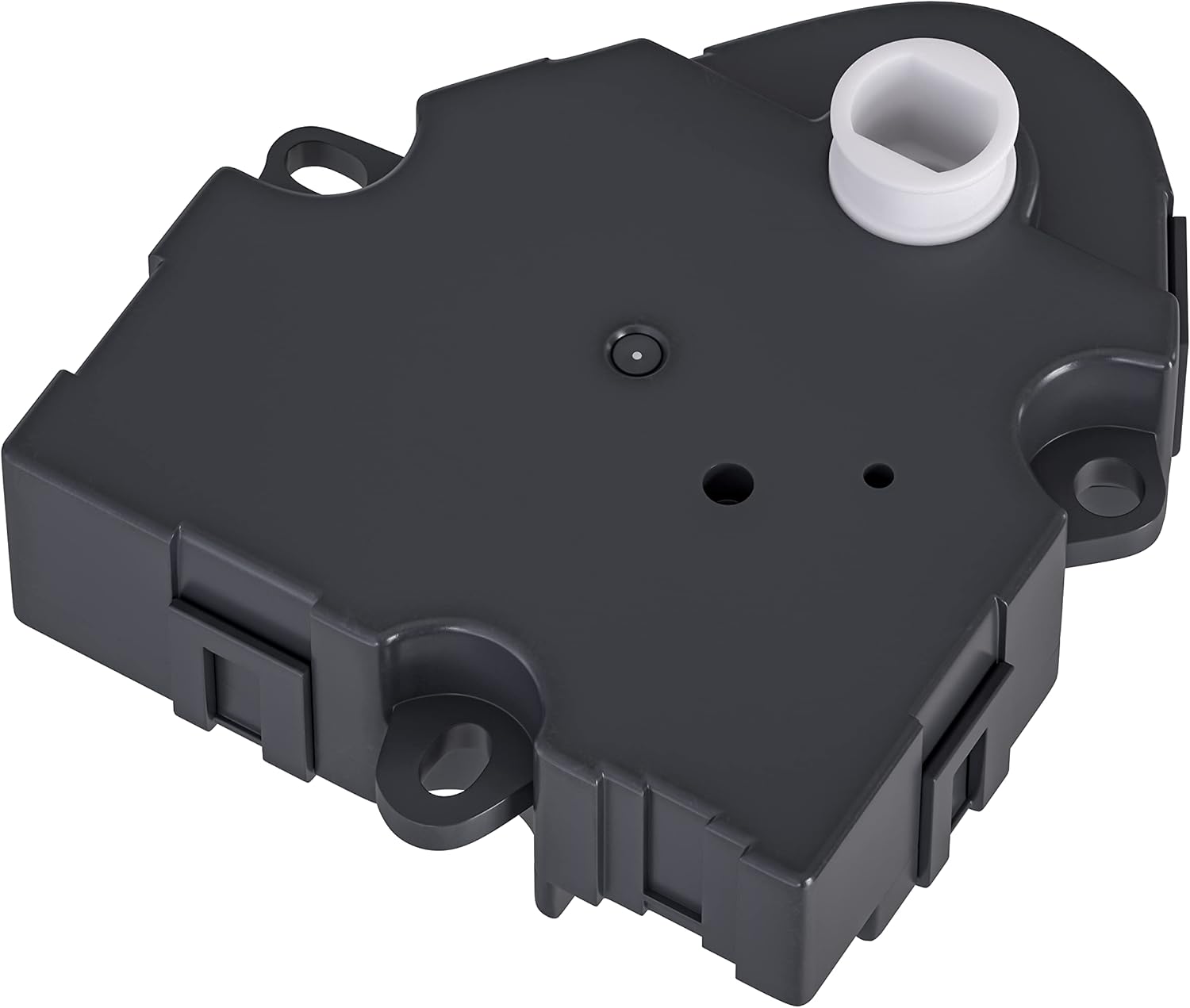


Dorman
Dorman 973-434 HVAC Blower Motor Resistor Kit Compatible with Select Chevrolet / GMC Models
See current price


Dorman
Dorman 949-000 Air Suspension Compressor for Select Cadillac/Chevrolet/GMC Models
See current price


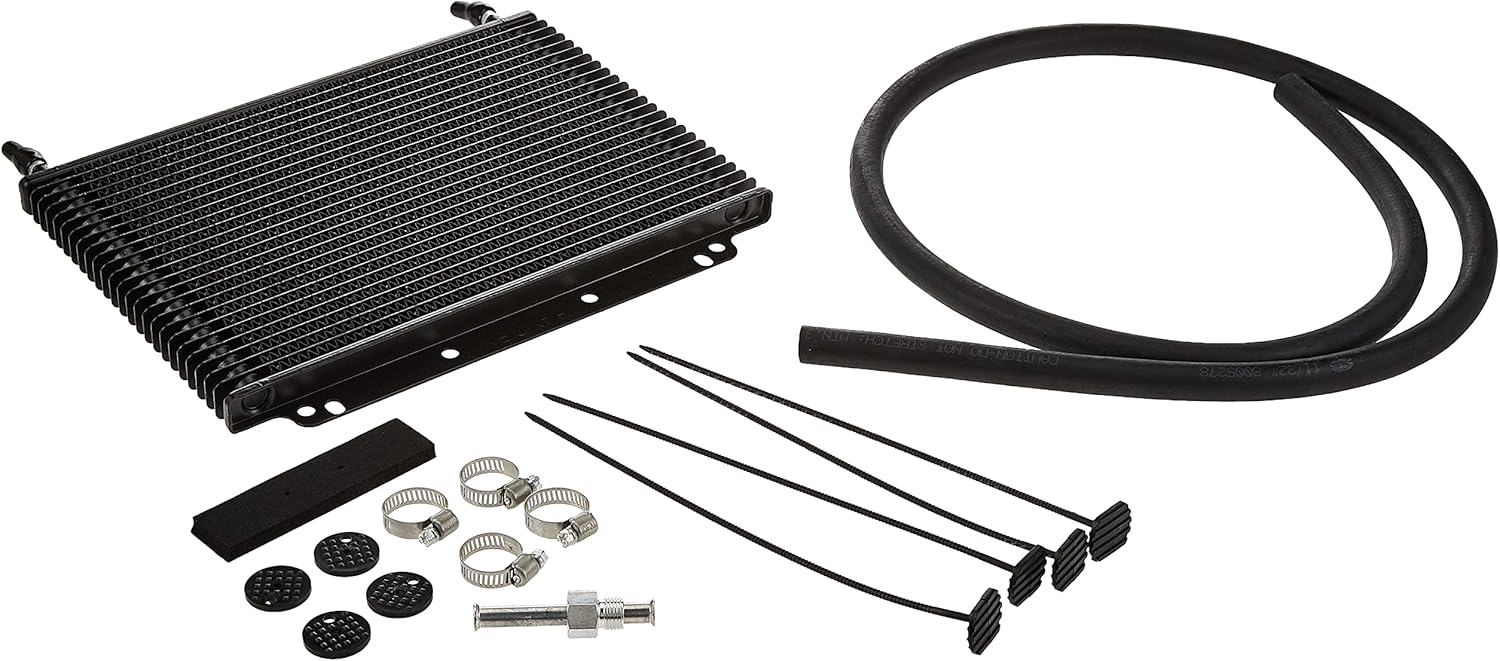
Hayden Automotive
Hayden Automotive 678 Universal Rapid-Cool 9.5” x 11” Add-On Transmission Cooler – Not for Direct Replacement of the OE Cooler
See current price
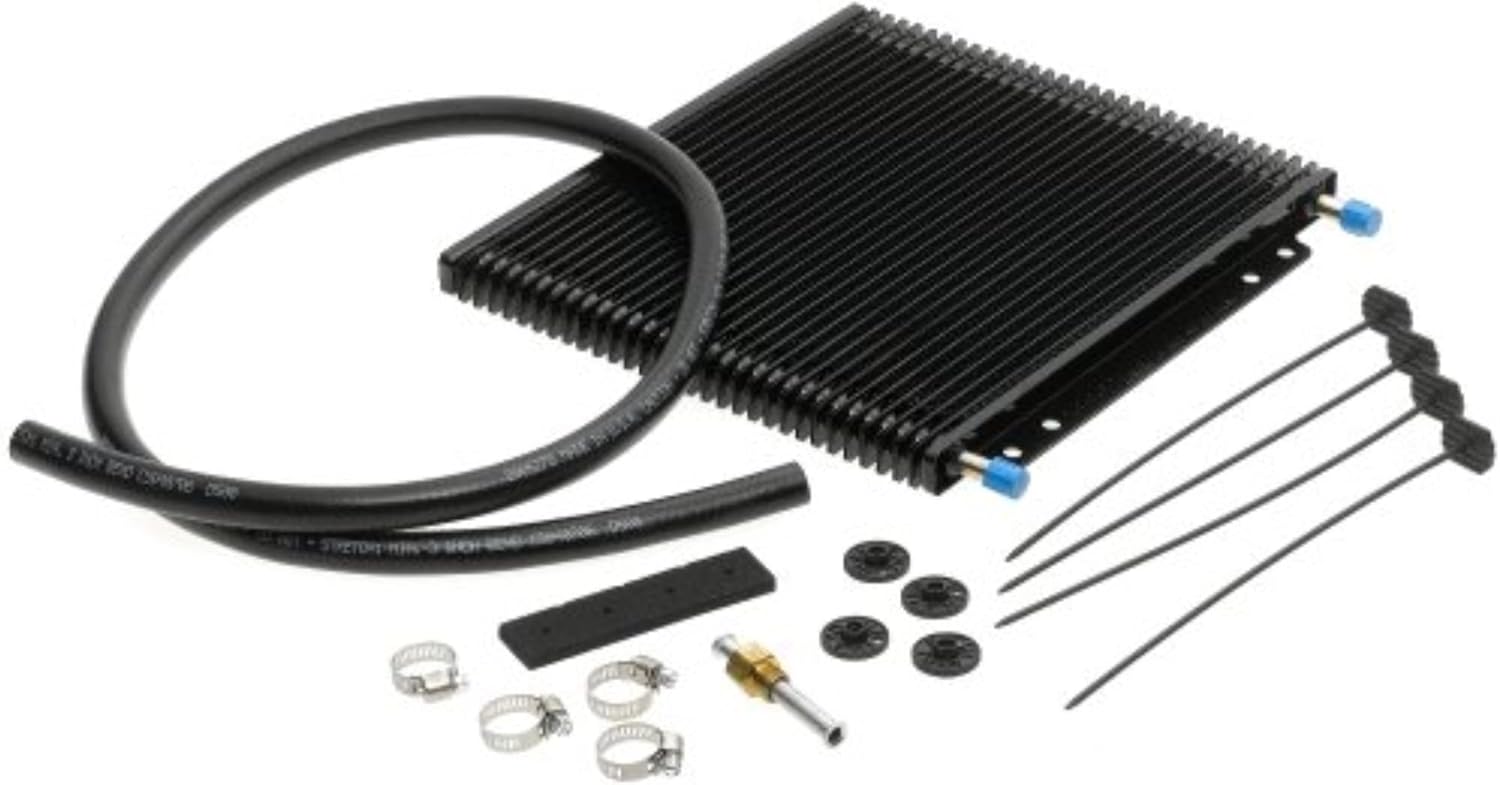
Hayden Automotive
Hayden 679 Universal 11” Rapid-Cool Add-On Transmission Cooler to Enhance Cooling (not for direct replacement of the factory unit)
See current price

Popular brands in Engine Cooling & Climate Control
Engine cooling and climate control parts support two closely related vehicle systems: keeping the engine within its operating temperature range and managing air temperature inside the cabin. This catalog category includes replacement options for routine maintenance, repairs, and system restoration across many vehicle applications.
Choosing the right part starts with exact vehicle compatibility. Confirm the year, make, model, engine, trim, drivetrain, and any applicable production details before comparing specifications. A visually similar component may still have different connections, dimensions, electrical requirements, or control characteristics.
How to choose the right replacement part
Start by identifying the failed or worn component rather than shopping only by general system name. Cooling-system concerns may involve a thermostat, radiator-related component, coolant hose, water-pump component, cooling fan, expansion or recovery tank, or temperature-control sensor. Climate-control repairs may involve an air-conditioning component, heater component, blower-related part, actuator, switch, or control module.
Use the original part number when available, then verify it against the vehicle application information. Also compare:
- Vehicle fitment: Match the complete application details, not just the model name.
- Part function: Make sure the replacement performs the same job as the original component.
- Connection and mounting details: Check hose outlets, electrical connectors, mounting points, and thread or port specifications where applicable.
- System configuration: Similar vehicles can use different cooling or climate-control layouts.
- Replacement scope: Determine whether the listing is for one component, an assembly, or a kit.
Main types of cooling and climate-control parts
Engine cooling parts regulate coolant flow, move heat away from the engine, and help maintain stable operating conditions. Common replacement categories include thermostats, radiators, coolant hoses, water pumps, cooling fans, fan controls, reservoirs, caps, and temperature sensors. The correct choice depends on the vehicle’s cooling design and the symptoms being addressed.
Climate-control parts manage heating, cooling, airflow, and temperature selection in the passenger compartment. Air-conditioning compressors, condensers, evaporators, blower motors, heater components, expansion devices, pressure switches, actuators, and control elements can differ substantially by vehicle and system configuration.
Some repairs affect both systems. For example, engine temperature and coolant circulation can influence cabin heat, while electrical controls and sensors may affect how cooling fans or climate-control functions operate. Diagnose the system relationship before ordering replacement parts.
Specifications and features to compare
Beyond basic fitment, compare the details that affect installation and operation. For cooling parts, look at dimensions, inlet and outlet locations, hose compatibility, fan design, sensor provisions, pressure ratings, and included seals or hardware when those specifications are provided.
For climate-control components, review refrigerant-system compatibility, port locations, electrical connector style, voltage requirements, pulley or mounting configuration, airflow direction, and control compatibility. Components that interact with refrigerant should be selected carefully and installed according to the vehicle and part instructions.
Material and construction details can also matter. Metal and composite housings, molded hose materials, seal designs, fan assemblies, and corrosion-resistant finishes may suit different repair situations. Compare the catalog specifications with the original component and the vehicle service information rather than relying on appearance alone.
Brands represented in the catalog
The catalog includes parts from Dorman, TYC, ACDelco, Gates, AA Ignition, Four Seasons, Spectra Premium, Stant, GM, UAC, DENSO, and Motorcraft. These brands cover a range of replacement components and vehicle applications, but brand selection should remain secondary to confirmed fitment, specifications, and the needs of the repair.
Check the product details for the intended vehicle, included components, connector or mounting information, and any installation requirements. Brand availability and product coverage can vary by component type.
Installation and maintenance considerations
Before beginning work, allow the engine and cooling system to cool fully. Follow the vehicle service procedure for coolant draining, bleeding, pressure checks, electrical testing, and refrigerant-system service. Some climate-control repairs require specialized tools or procedures, particularly when opening a sealed refrigerant circuit.
After installation, inspect for coolant or refrigerant leaks where applicable, confirm electrical connections are secure, and verify that hoses are routed away from hot or moving components. Use the correct coolant type and service method for the vehicle. If overheating, poor cabin cooling, unusual noise, or recurring leaks remain after replacement, further diagnosis may be needed.
For other vehicle replacement needs, browse Replacement Parts or compare adjacent categories such as Filters, Lighting & Electrical, Ignition Parts, and Switches & Relays.
Frequently asked questions
How do I verify compatibility?
Match the vehicle year, make, model, engine, trim, and drivetrain with the product’s application information. Compare the original part number and physical connections when available.
What is the difference between engine cooling and climate control?
Engine cooling manages engine temperature through components such as coolant, radiators, thermostats, fans, and pumps. Climate control manages cabin heating, cooling, airflow, and temperature selection.
Should I replace related parts at the same time?
That depends on the diagnosis and the condition of connected components. Inspect hoses, seals, connectors, mounting hardware, and nearby parts before deciding whether additional replacement is appropriate.
Can climate-control parts be installed without special tools?
Some basic components may be accessible with standard tools, but refrigerant-system service, electrical diagnosis, coolant bleeding, or system charging may require specialized equipment and procedures.
What specifications matter most for a cooling part?
Fitment, dimensions, connection locations, pressure or temperature requirements, mounting details, and compatibility with the vehicle’s cooling-system design are important starting points.