

Exercise Wheels for Small Animals
Compare exercise wheels for small animals by running surface, wheel size, mounting style, and habitat fit. Review the specifications that affect safe, comfortable daily exercise.
120 products in catalog
120 results
Filters


Central Garden & Pet
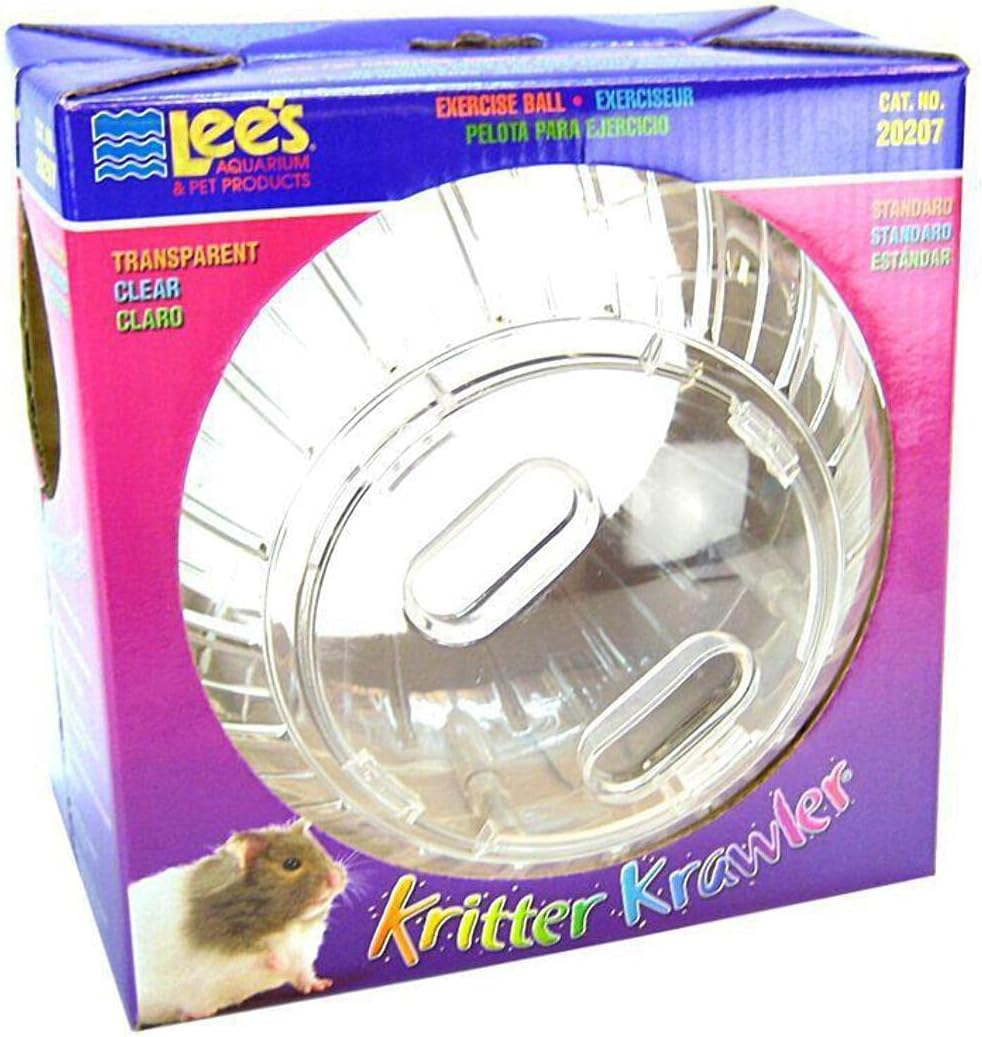
Kaytee Silent Spinner Wheel For Pet Syrian or Large Breed Hamsters, Sugar Gliders and Gerbils, Large 10 Inch
See current price



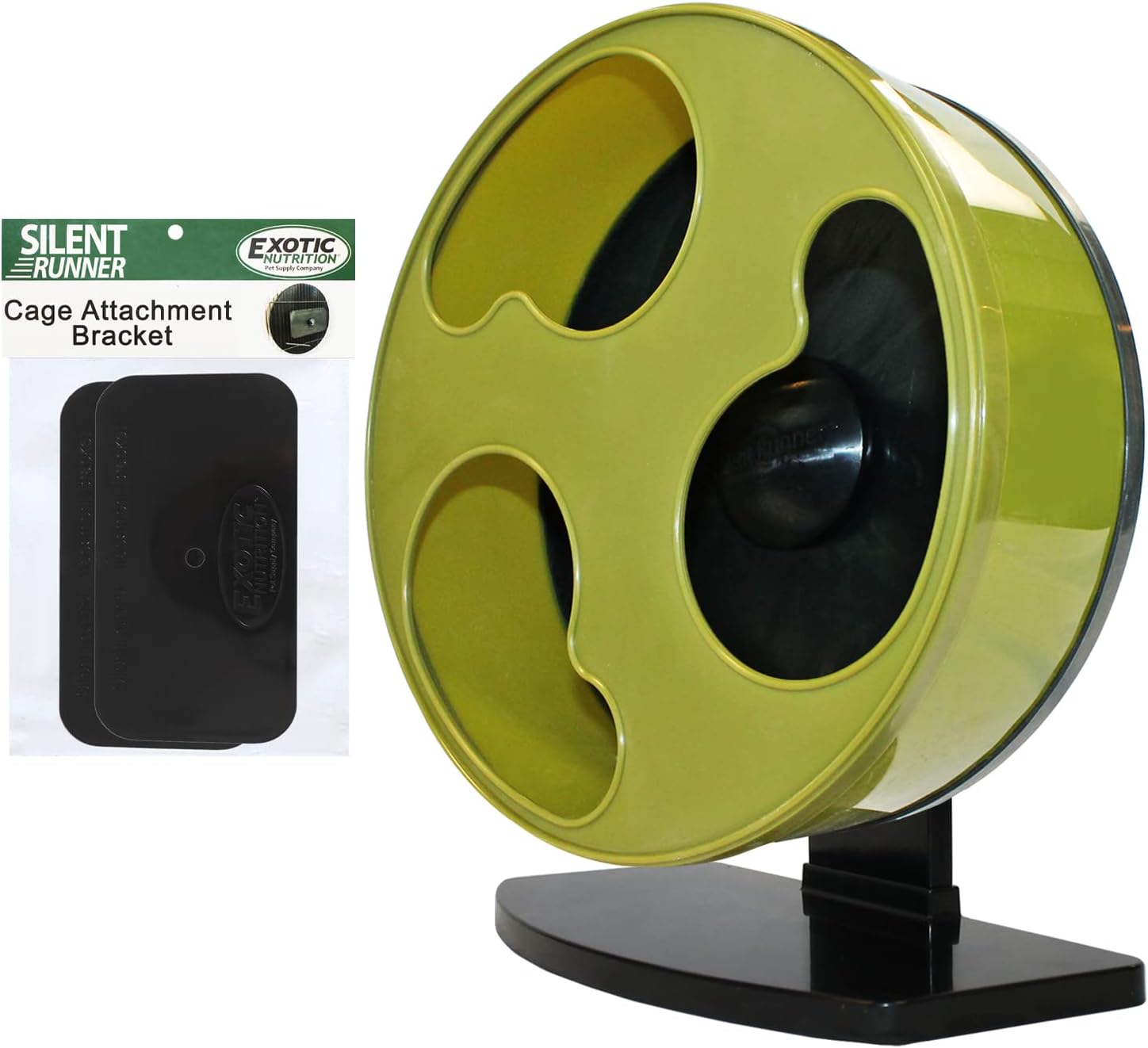
Exotic Nutrition
Silent Runner 12" Regular | Wheel + Cage Attachment | Sugar Gliders, Hamsters, Rats
See current price



Ware Manufacturing Inc.
Ware Manufacturing Flying Saucer Exercise Wheel for Small Pets, 7 1/4-Inch - Colors May Vary
See current price


Ware Manufacturing Inc.
Ware Manufacturing Metal Small Pet Tread Exercise Wheel, Large
See current price
Popular brands in Exercise Wheels
Exercise wheels can add movement and enrichment to a small-animal habitat, but the right design depends on the species, body size, enclosure, and individual needs. A wheel should allow natural running posture and steady footing without creating avoidable pinch or entanglement hazards.
K-Catalog helps shoppers compare listed specifications and features across exercise wheels before visiting Amazon for current availability and purchase details. For broader habitat planning, browse Small Animals and consider how the wheel will fit alongside bedding, hides, food, and other enrichment.
How to choose an exercise wheel
Start with the animal rather than the appearance of the wheel. Hamsters, mice, gerbils, and other small pets have different body sizes and movement patterns, so a wheel that suits one animal may be uncomfortable or impractical for another. Check the product’s stated species guidance, dimensions, and recommended habitat setup.
The wheel should be large enough for the animal to run with a relatively straight back. If the animal must bend sharply while running, the wheel may be too small. Also consider the full exterior dimensions, not only the running surface, so it does not crowd the habitat or block access to food, water, or a shelter.
Wheel types and running surfaces
Most exercise wheels fall into a few practical design groups:
- Solid-surface wheels: A continuous running track helps keep feet from catching in gaps and is often the first style to compare for small pets.
- Stand-mounted wheels: These can be placed inside an enclosure and moved as needed, provided the base is stable and difficult to tip.
- Habitat-mounted wheels: These attach to a cage or enclosure wall and can preserve floor space, but shoppers should confirm compatibility with the enclosure bars or mounting points.
- Quiet or enclosed designs: Some products use a covered mechanism or smooth construction to reduce operating noise and limit access to moving parts.
Wire or open-spoke designs deserve careful scrutiny because small feet and toes can become caught. Look for a smooth, continuous track and a construction that does not expose the animal to a sharp edge, large gap, or accessible axle.
Features and specifications to compare
Product listings can vary considerably in the information they provide. Focus on the details most likely to affect safety and everyday use:
- Wheel diameter and width: Compare these with the animal’s adult size and natural running posture.
- Running-track material: Smooth plastic, metal, wood, and coated surfaces may differ in grip, cleaning needs, and durability.
- Stability: A broad base, low center of gravity, or secure attachment can help prevent wobbling and tipping.
- Noise: If the habitat is near a sleeping area, check whether the design addresses squeaking or vibration.
- Cleaning access: Removable or easy-to-wipe components are useful because wheels can collect bedding, dust, and waste.
- Clearance and moving parts: Inspect the space around the wheel, stand, axle, and frame for possible pinch points.
- Assembly requirements: Check whether tools, enclosure hardware, or a particular bar spacing are needed.
A wheel should not replace open habitat space, supervised interaction where appropriate, or other forms of enrichment. Observe how the animal uses it and remove or replace it if it becomes damaged, unstable, or difficult to clean.
Habitat and enrichment planning
The wheel needs to work with the rest of the enclosure. In a smaller habitat, a wall-mounted design may leave more room for bedding and hides, while a freestanding model may be easier to reposition or remove for cleaning. Measure door openings and interior height before choosing a bulky product.
A balanced setup can include a suitable shelter from Houses & Habitats, along with species-appropriate enrichment from Toys. Food and water should remain easy to reach without forcing the animal to climb over the wheel or run beneath unstable components. Explore Feeding & Watering Supplies when planning the complete enclosure.
Not every small animal should use an exercise wheel. Guinea pigs and some other species may be better served by floor space and other enrichment rather than a wheel. Follow species-specific care guidance and ask an exotic-animal veterinarian when suitability is uncertain.
Brands represented in the catalog
The catalog includes exercise wheel listings from Exotic Nutrition, MouseBro, Central Garden & Pet, JUILE YUAN, Lee's Pet Products, TRIXIE, AWITHZ, Niteangel, Ware Manufacturing Inc., Petzilla, TopDawg Pet Supply, and GOLDEAL. These brands may offer different construction materials, mounting options, sizes, and habitat-focused designs, so compare the individual specifications instead of relying on brand name alone.
Frequently asked questions
What size exercise wheel should a small animal use?
Choose a wheel based on the animal’s species, adult body size, and running posture. The product should allow comfortable movement without forcing the back into a pronounced curve.
Is a solid running surface important?
A solid surface can reduce the chance of feet catching in openings. Check the track for gaps, rough edges, exposed fasteners, and other areas that could cause injury.
Should I choose a freestanding or mounted wheel?
A freestanding wheel is easier to move and remove, while a mounted model can save floor space. Compare stability, enclosure compatibility, and access to the mounting hardware.
How can I reduce wheel noise?
Look for listings that describe quiet operation, enclosed mechanisms, or reduced vibration. A stable base and level placement can also help limit rattling.
Can every small pet use an exercise wheel?
No. Suitability depends on species, size, health, and individual behavior. Some animals are better served by floor space and other enrichment, so use species-specific care guidance.