
Houses & Habitats for Small Animals
Compare houses and habitats for small animals by species suitability, usable space, materials, ventilation, access and cleaning needs. Explore specifications to help create a comfortable, practical home.
1,002 products in catalog
1,002 results
Filters

CareFresh
carefresh Dust-Free Confetti Natural Paper Small Pet Bedding with Odor Control, 10L
See current price

CareFresh
Carefresh 99% Dust-Free Natural Paper Small Pet Bedding with Odor Control, 30 L
See current price
MidWest Homes for Pets
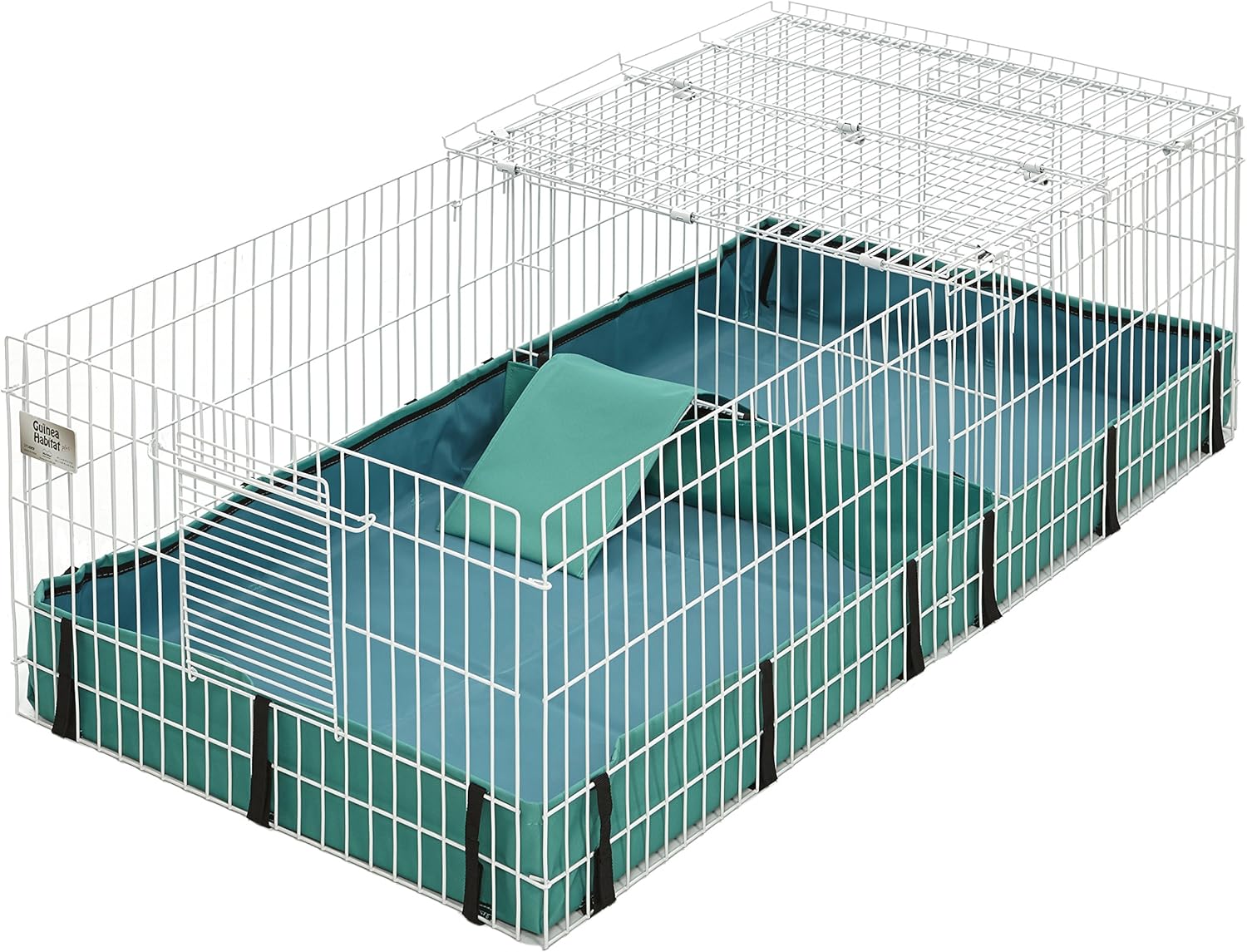
Guinea Habitat Plus Guinea Pig Cage by MidWest w/ Top Panel, 47L x 24W x 14H Inches
See current price


Central Garden & Pet
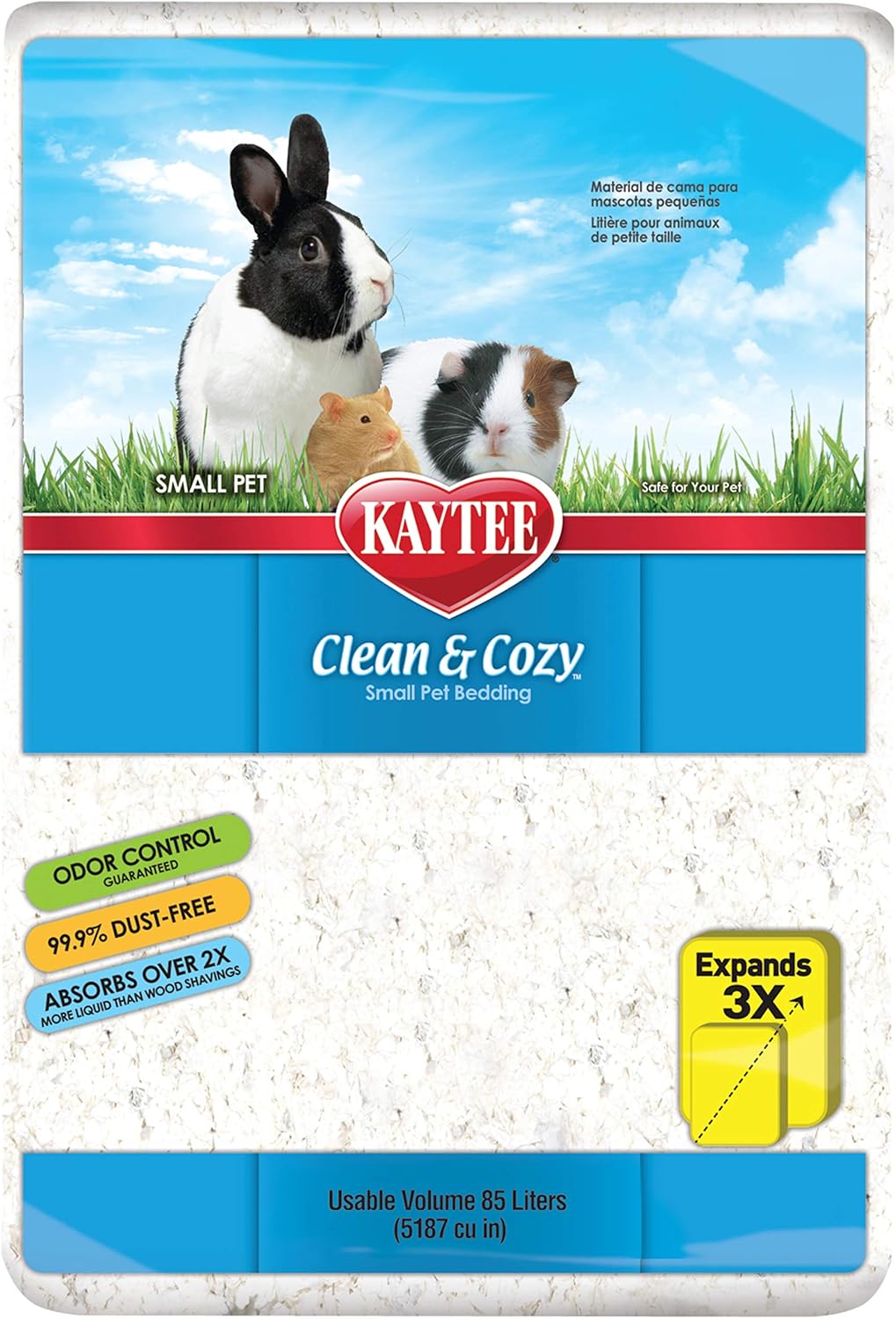
Kaytee Clean & Cozy Extreme Odor Control Bedding for Pet Guinea Pigs, Rabbits, Hamsters, Gerbils, and Chinchillas, 65 Liters
See current price

MidWest Homes for Pets
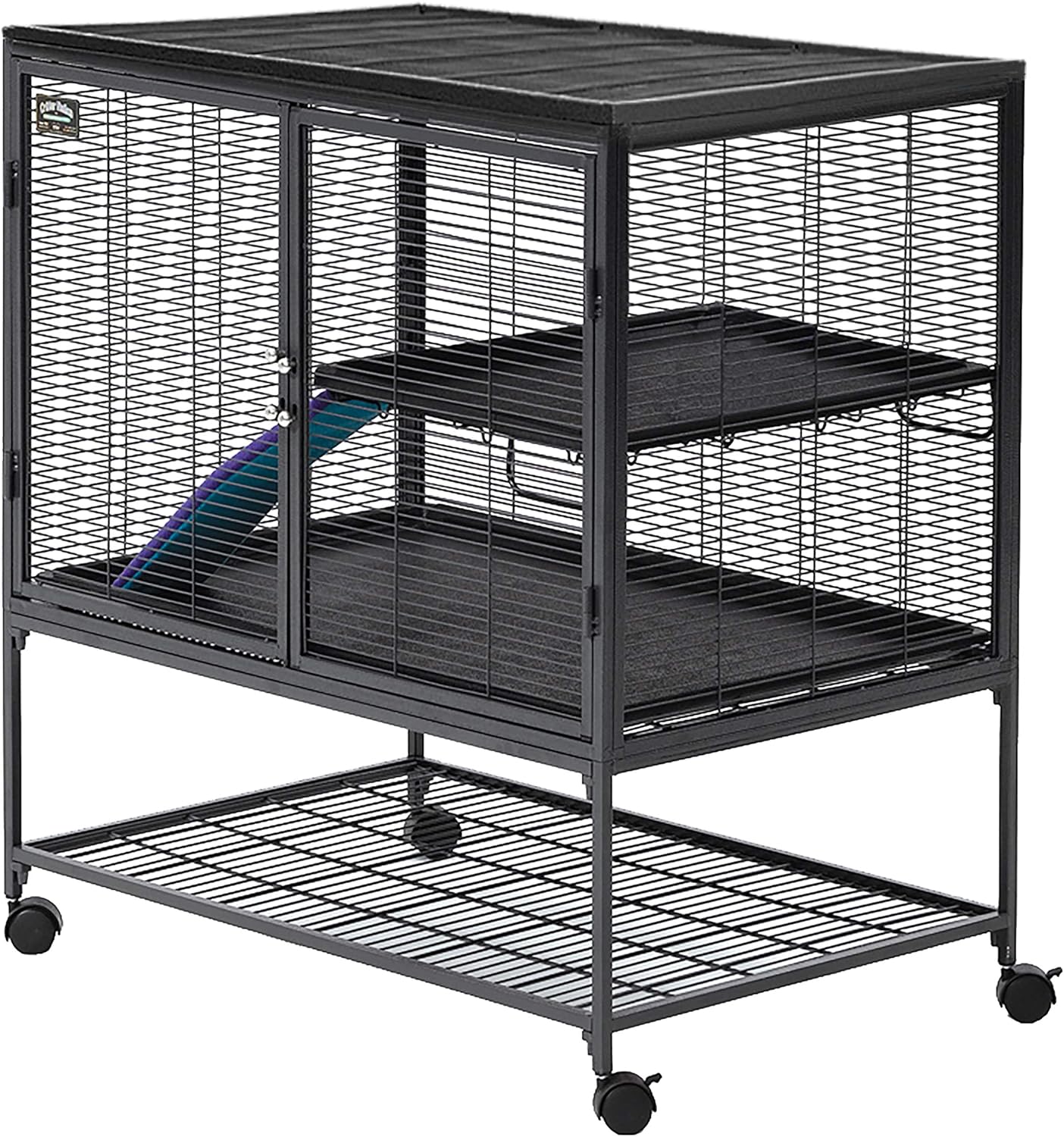
MidWest Homes for Pets Deluxe Critter Nation Single Unit Small Animal Cage (Model 161),Gray Quartz
See current price


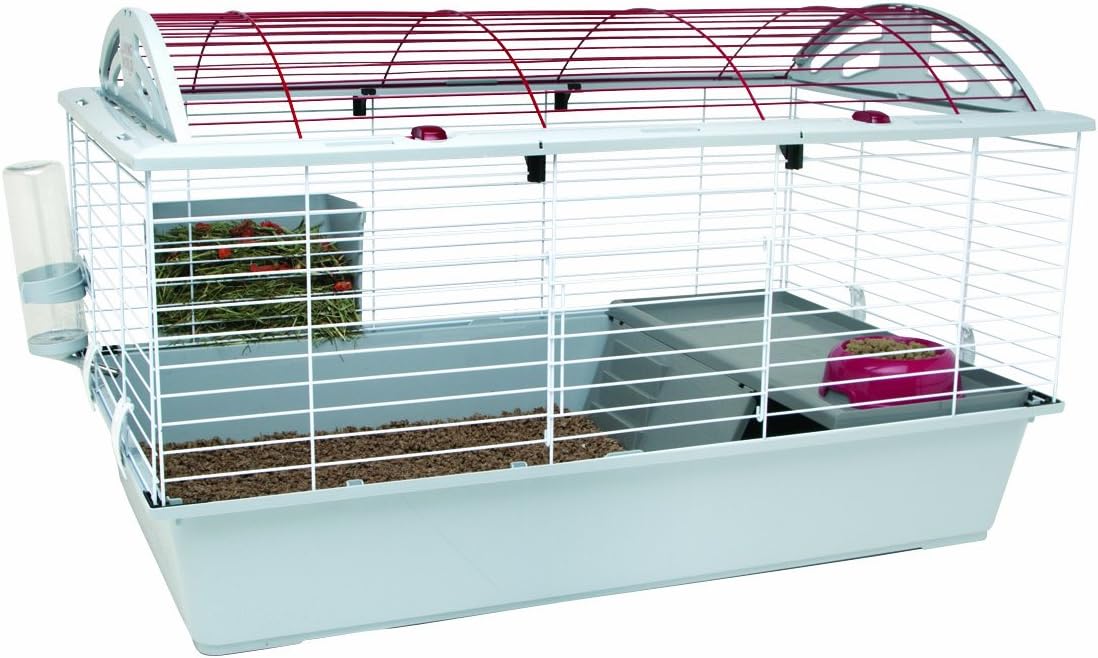
Living World.
Living World - Deluxe Hybrid Habitat, Large - Rabbit, Guinea Pig, Chinchillas, and Small Animal Cage
See current price

Central Garden & Pet
Kaytee CritterTrail Fun-nel 5-Pack Straight Small Animal Habitat Tubes
See current price

Ware Manufacturing
Ware Manufacturing Plastic Scatterless Lock-N-Litter Bigger Pet Pan, Jumbo - Colors May Vary
See current price


MidWest Homes for Pets
MidWest Homes for Pets Rabbit Hutch Extension | Wood Rabbit Hutch Extension Fits Midwest Models 158 & 158XL, 158HEX
See current price

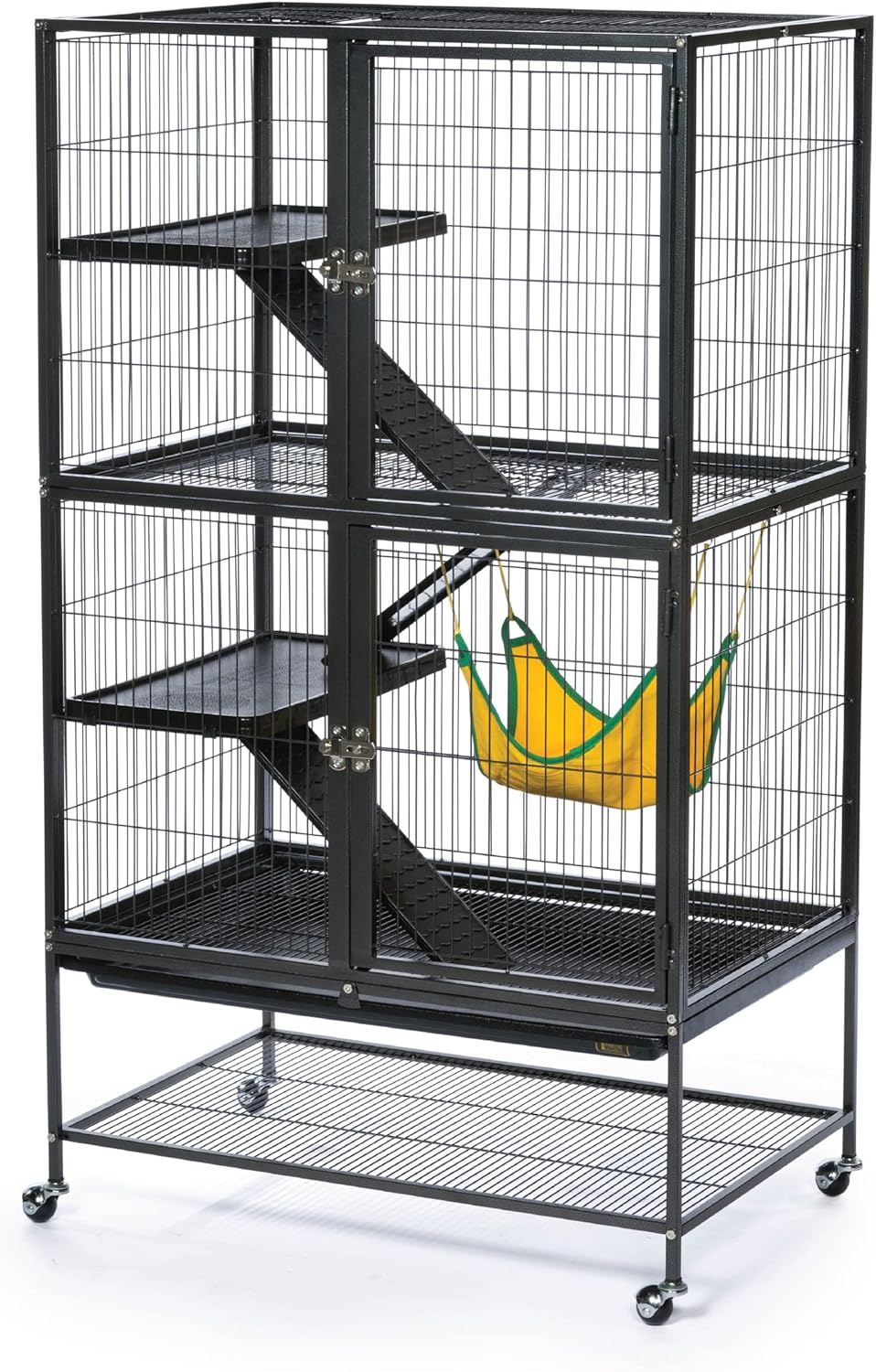
Prevue Pet Products
Prevue Pet Products 485 Feisty Ferret Home with Stand, Black Hammertone Small
See current price
Prevue Pet Products Inc
Prevue Pet Products 485 Feisty Ferret Home with Stand, Black Hammertone Small
See current price

Prevue Pet Products
Prevue Pet Products 485 Feisty Ferret Home with Stand, Black Hammertone
See current price

Niteangel
Niteangel Small Pet Fun Tunnel, 39 x 4 inches - Fit Adult Ferrets and Rats (Orange)
See current price

Small Pet Select
Small Pet Select Premium Small Animal Bedding, Natural Soft Paper Bedding for Small Indoor and Outdoor Pets, Made in USA, 56 L Pack
See current price

Popular brands in Houses & Habitats
A suitable house or habitat gives a small animal a secure place to rest, explore and settle into a daily routine. The right choice depends on the animal’s species and size, how much space is available, and how easily the enclosure can be cleaned and maintained.
This K-Catalog category brings together small-animal housing options to compare by construction, layout and practical features. Check the product details carefully, since a compact hideaway and a complete habitat may serve very different purposes.
How to choose a house or habitat
Start with the needs of the animal rather than the appearance of the enclosure. Hamsters, mice, rats, guinea pigs and rabbits can differ considerably in their space, ventilation, access and enrichment requirements. A product intended as a sleeping hide may not provide enough room for everyday living, while a larger habitat may need additional furnishings.
Consider these questions before choosing:
- Is it a complete habitat or an accessory? Determine whether the product is an enclosure, a cage, a house, a hideout or a modular component.
- Will the animal fit comfortably? Look at interior dimensions, entrances and usable floor area rather than exterior size alone.
- Can it accommodate essentials? Allow room for bedding, food, water, enrichment and any exercise equipment your pet uses.
- Is it suitable for the intended location? Check the footprint, height and access points before placing it in a room or on furniture.
For broader supplies, browse the Small Animals category and compare housing with the other care essentials available there.
Common housing formats
Small-animal houses and habitats can vary from simple shelters to more structured enclosures. A hideout may be useful as a quiet resting space within a larger setup. Enclosures and cages generally provide the primary living area, with doors or removable sections that make feeding, handling and cleaning easier.
Some habitats use wire, mesh, plastic, wood or combinations of these materials. Wire designs can support airflow and visibility, while solid panels may help contain bedding and create more sheltered areas. Wooden products can offer a natural-looking environment, but the finish and cleanability are important considerations. Plastic components are often easy to wipe down, though ventilation and durability still need to be checked.
A habitat may also be designed to connect with accessories or additional sections. Confirm compatibility before planning a multi-part setup, since connection points and dimensions are not universal.
Features and specifications to compare
Product details can help distinguish similar-looking options. Pay particular attention to:
- Dimensions and layout: Compare length, width, height, floor levels and the amount of uninterrupted floor space.
- Bar spacing or openings: Openings should be appropriate for the animal so it cannot escape or become trapped.
- Ventilation: Look for airflow through mesh, bars or designed vents, while avoiding locations exposed to drafts or excessive heat.
- Doors and access: Large, secure openings can make routine cleaning and gentle handling more manageable.
- Cleaning features: Removable trays, washable surfaces and accessible corners may simplify bedding changes and spot cleaning.
- Security: Check latches, hinges, seams and any detachable parts to ensure the habitat can be closed securely.
- Included components: Note whether shelves, ramps, trays, bowls or other accessories are included or need to be purchased separately.
Avoid choosing solely by external dimensions. Interior layout, door placement and the space taken up by accessories can significantly affect how usable a habitat is.
Brands represented in the catalog
The catalog includes houses and habitats from brands such as Kaytee, Niteangel, TRIXIE, PawHut, RIOUSSI, Central Garden & Pet, Hamiledyi, Mcage, Kathson, Oncpcare, Amakunft and Aivituvin. Compare each listing by its own specifications, materials, intended animal and included features rather than relying on brand name alone.
Building a complete setup
A habitat is only one part of a small animal’s environment. Depending on the species and enclosure, you may also need suitable bedding, food, water equipment, hiding areas and enrichment. Compare related Toys for activity options, along with Feeding & Watering Supplies for daily care equipment.
Food should be selected for the animal’s species and life stage; see Food when planning the rest of the setup. If the habitat has enough room, an appropriate Exercise Wheel may provide additional activity, but confirm that its size and design suit the animal.
Place the habitat away from direct sunlight, strong drafts, loud disturbances and household hazards. Follow the product’s care instructions, inspect it regularly for damage, and replace worn or difficult-to-clean components when necessary.
Frequently asked questions
What is the difference between a house and a habitat?
A house is usually a shelter or hideout, while a habitat is a larger enclosure intended to contain the animal and its daily essentials. Check the product description to confirm its intended use.
How much space should a small-animal habitat provide?
The appropriate space depends on the species, number of animals and furnishings. Compare interior dimensions and usable floor area, and leave room for movement, resting, feeding and enrichment.
Are wire or solid-sided habitats better?
Neither material is automatically right for every animal. Wire can support airflow and visibility, while solid sides may help contain bedding and provide shelter. Evaluate ventilation, spacing, durability and cleaning requirements together.
What should I check before buying a habitat?
Review the interior dimensions, openings, ventilation, door design, latches, cleaning features, materials and included accessories. Also confirm that the layout is suitable for the intended species.
Can I add toys and exercise equipment to any habitat?
Not necessarily. Check the available floor space, attachment points and entrance dimensions before adding accessories. Equipment should fit securely without blocking ventilation or essential areas.