
Central Garden & Pet
Kaytee 5" Clear Run-About Exercise Ball For Pet Dwarf Hamsters & Mice
See current price

Compare toys for hamsters, guinea pigs, rabbits, rats, mice, and other small pets by size, materials, enrichment value, and habitat compatibility.
283 products in catalog
283 results
Central Garden & Pet
See current price
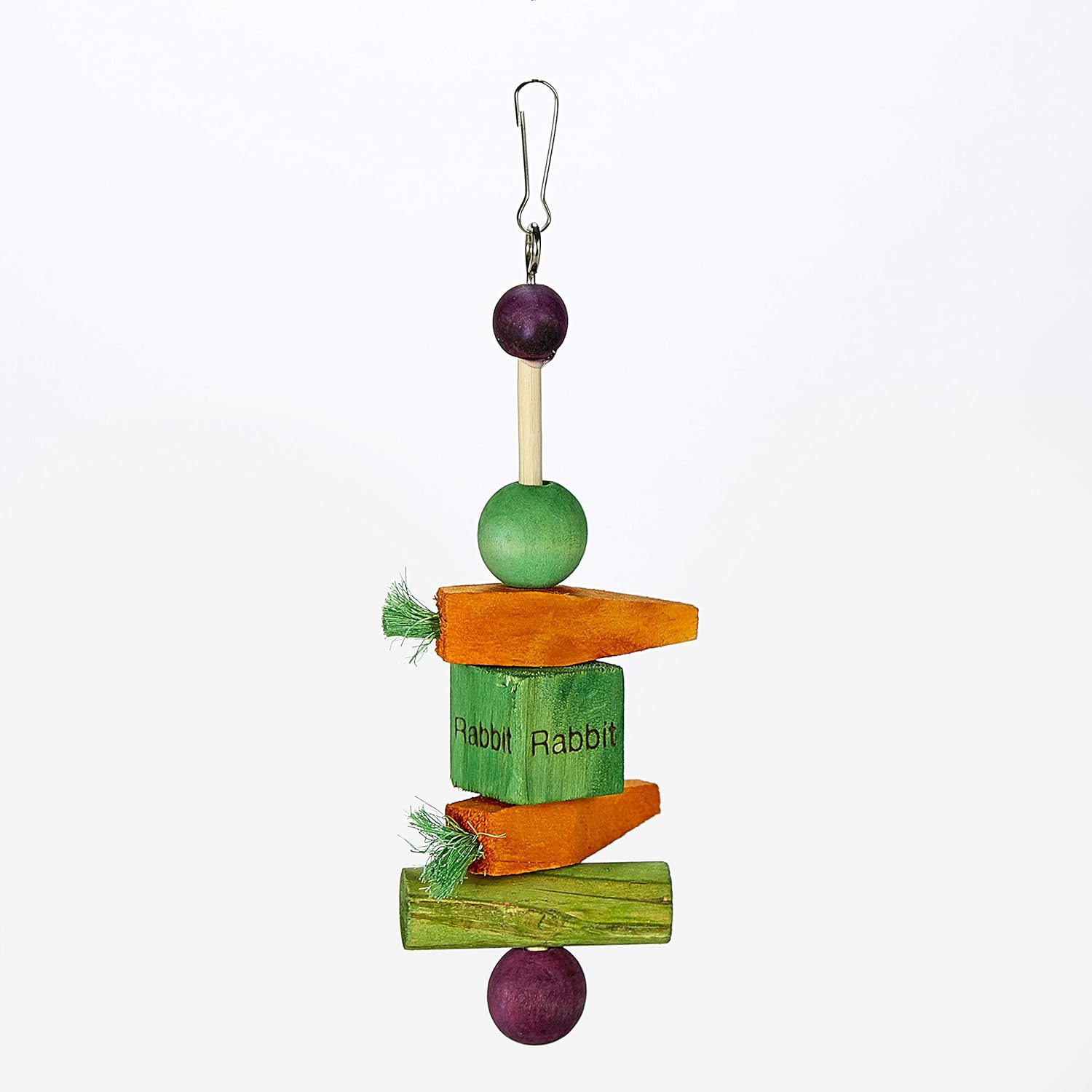
Central Garden & Pet
See current price


Central Garden & Pet
See current price
Central Garden & Pet
See current price


Niteangel
See current price
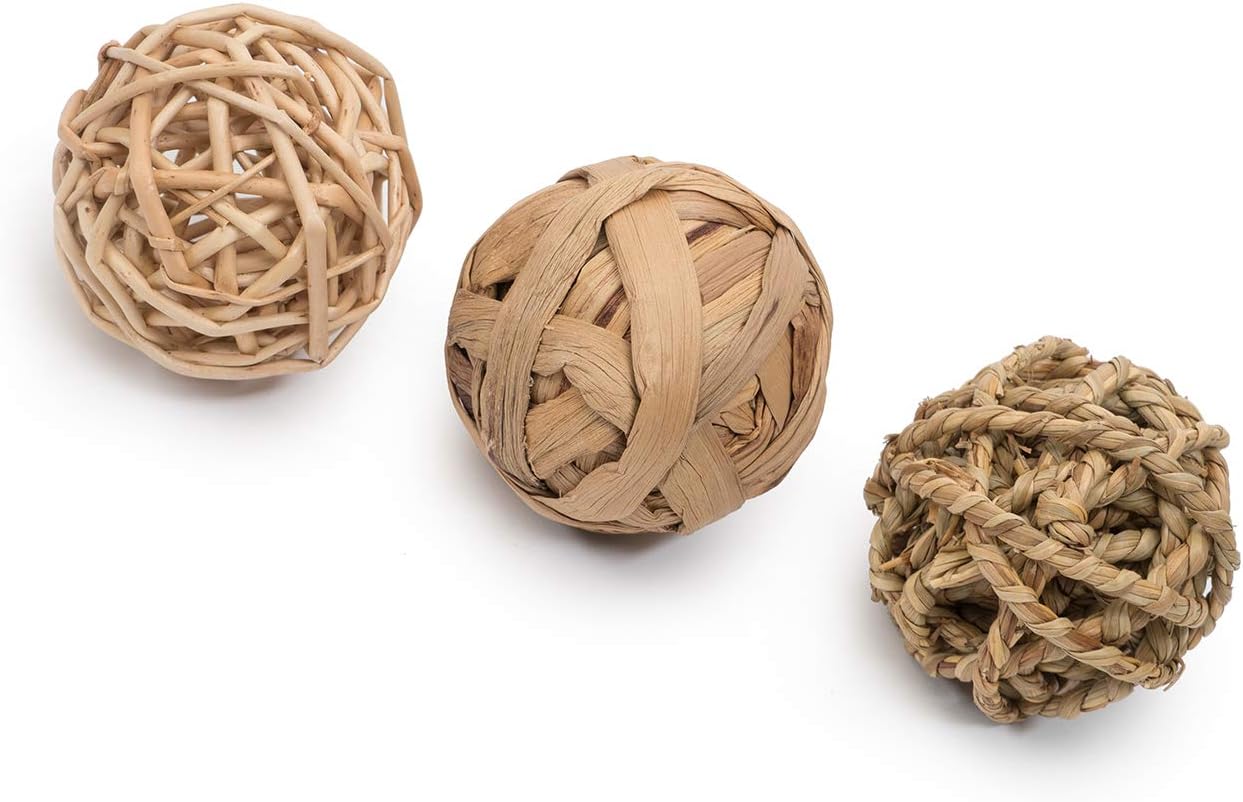

William Craft
See current price

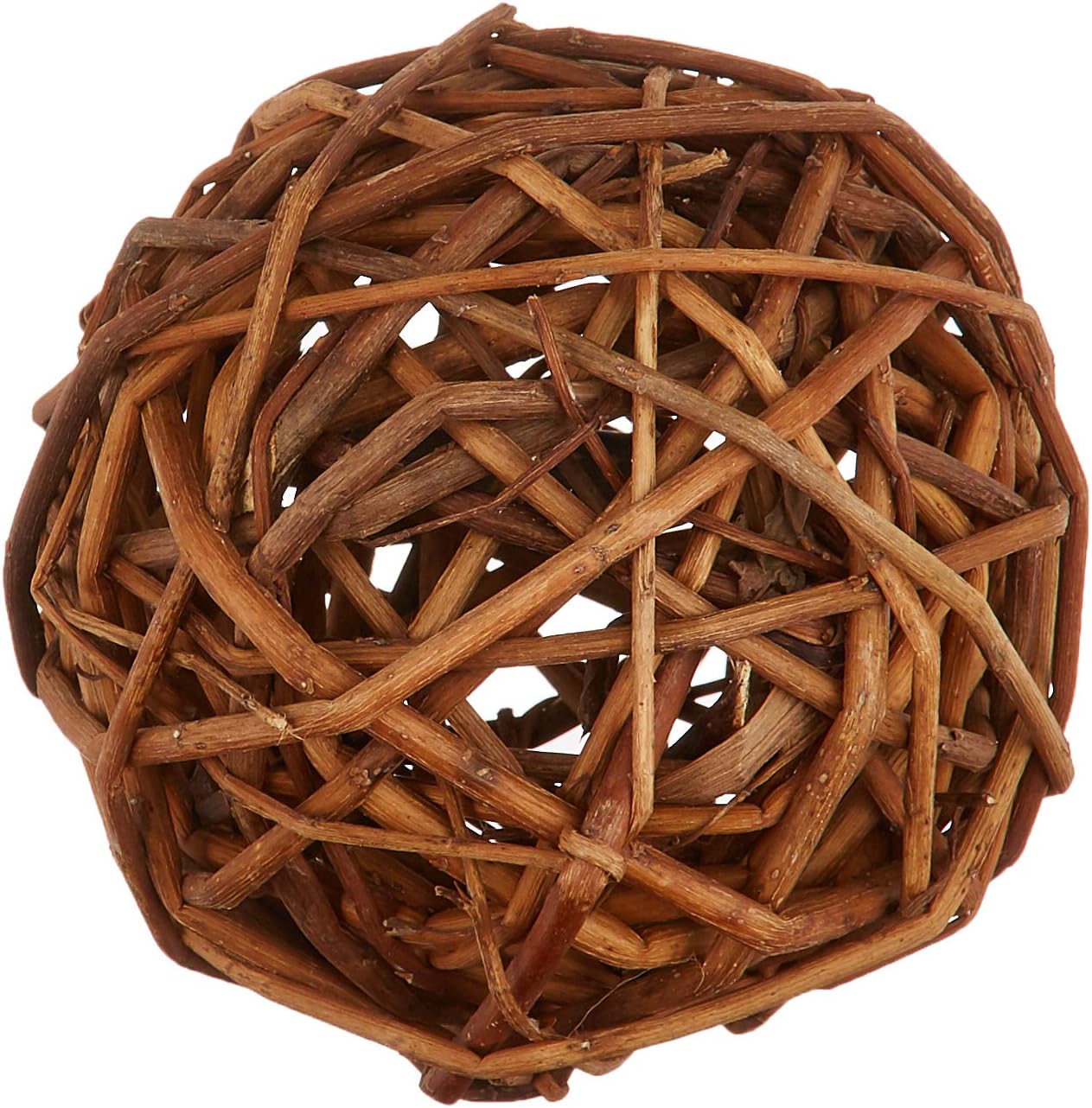

TRIXIE
See current price
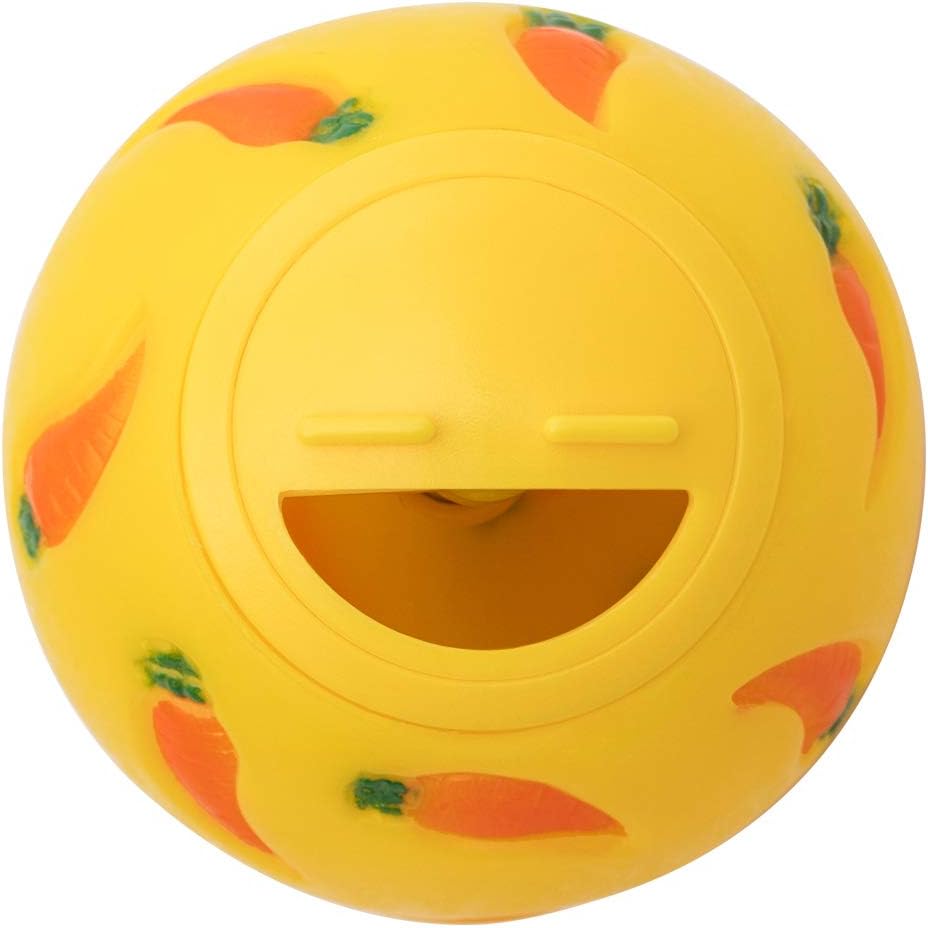
Niteangel
See current price


Central Garden & Pet
See current price


Small animal toys can add variety to a habitat and encourage natural behaviors such as chewing, exploring, climbing, hiding, and foraging. The right choice depends on the species, the pet’s size, the available enclosure space, and whether the toy is intended for active play, quiet enrichment, or chewing.
K-Catalog helps you compare product specifications and features before visiting Amazon to check the latest product details and availability. For broader habitat options, browse Small Animals and compare toys alongside the rest of your pet’s setup.
Start with the animal’s size and behavior. A toy designed for a small hamster may be too narrow or unstable for a guinea pig or rabbit, while a larger toy may take up too much room in a compact enclosure. Look for dimensions, recommended animal size, and any stated weight or capacity information where available.
Consider how the toy will be used:
A toy should complement, rather than overcrowd, the habitat. Leave enough room for normal movement, sleeping, feeding, and access to water.
Material is one of the most important specifications for small animal toys. Wood, untreated fiber, rope, plastic, and metal may each suit different uses, but the material should be appropriate for the animal and its chewing habits. Check the product description for information about coatings, dyes, adhesives, and intended use.
Inspect construction details such as seams, fasteners, openings, edges, and attachment points. Avoid toys with sharp edges, loose parts, or openings where a paw, leg, or head could become trapped. For chewable products, expect normal wear and replace the toy when it becomes splintered, broken, or too small to use safely.
Easy-clean designs may be useful for toys placed near bedding, food, or water. If a product is washable, follow the manufacturer’s care instructions and allow it to dry completely before returning it to the habitat.
Toys work best as part of a balanced environment. A hideout can add security, while a tunnel or chew item can make the enclosure more engaging. If the pet needs structured running activity, compare dedicated Exercise Wheels separately. Wheel size, running surface, stability, and ease of cleaning are important considerations and should match the animal.
For pets that enjoy climbing or moving between levels, verify that the toy can be attached securely and that falls are limited. Small animals differ in their ability to climb and balance, so observe how a new item is used and remove anything that creates a hazard.
Food-based enrichment should also fit the pet’s normal diet. Compare toys with Food and Treats in mind, and account for any extra calories or ingredients introduced through foraging activities. Feeding items can be reviewed alongside toys in Feeding & Watering Supplies.
The catalog includes small animal toys from Central Garden & Pet, Niteangel, Hamiledyi, KATUMO, JanYoo, ERKOON, Sofier, Kathson, TRIXIE, Bissap, Ware Manufacturing Inc., and Kaytee. Comparing these brands by material, dimensions, attachment method, intended animal, and cleaning requirements can help narrow the options without relying on brand name alone.
Other habitat accessories may also be useful when planning a complete enclosure. Browse Houses & Habitats for shelter and enclosure options. Although Collars, Harnesses & Leashes are a separate category, they may be relevant for supervised handling of species and pets for which such products are appropriate.
Introduce new toys gradually and monitor the pet’s interaction with them. Some animals may chew immediately, while others may need time to investigate. Check toys often for damage, contamination, loose fibers, exposed fasteners, or changes in stability.
Rotate several suitable toys instead of filling the habitat with every item at once. This can preserve enclosure space and make familiar toys feel more engaging when reintroduced. Keep toys away from damp bedding, and clean or replace them according to their material and condition.
Suitable options depend on the species, body size, chewing habits, and enclosure. Common choices include chew items, tunnels, hideouts, foraging toys, and climbing accessories with secure construction.
Compare the toy’s dimensions with the animal’s body size and movement needs. Openings should allow comfortable passage without creating a risk of getting stuck, and the toy should not restrict normal habitat activity.
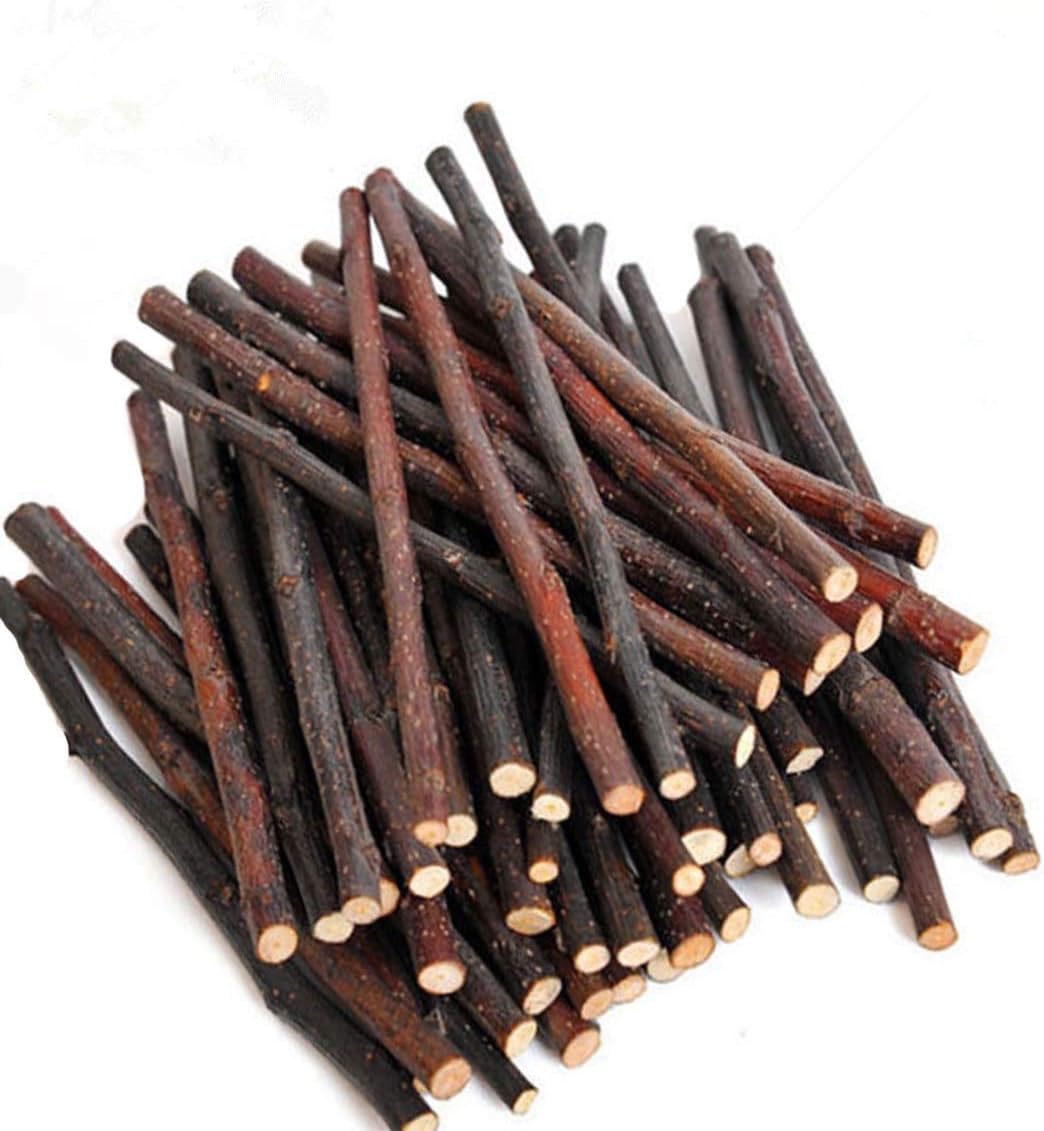
Wood can be suitable when it is made for the intended animal and free from unsafe coatings, sharp edges, and loose components. Check the listed materials and remove the toy when it becomes damaged.
Replace a toy whenever it is broken, splintered, heavily soiled, unstable, or worn enough to create a safety concern. Chew toys may need replacement sooner because they are designed to be used and worn down.
Not necessarily. Rotate toys based on the pet’s behavior, available space, and condition. Any item left in the enclosure should remain stable, clean, and appropriate for unsupervised use.