

Faucet Parts for Repairs and Replacement
Compare faucet parts by compatibility, connection type, material, and function. This guide helps you identify the right replacement or repair component before shopping.
740 products in catalog
740 results
Filters


Moen Incorporated
Moen 1222 One-Handle Posi-Temp Faucet Cartridge Replacement for Moen Tub Shower and Shower Only Configurations, Brass and Plastic
See current price


Moen Incorporated
Moen 11985 Replacement Pivot Rod for 50/50 Bathroom Drain Assembly
See current price

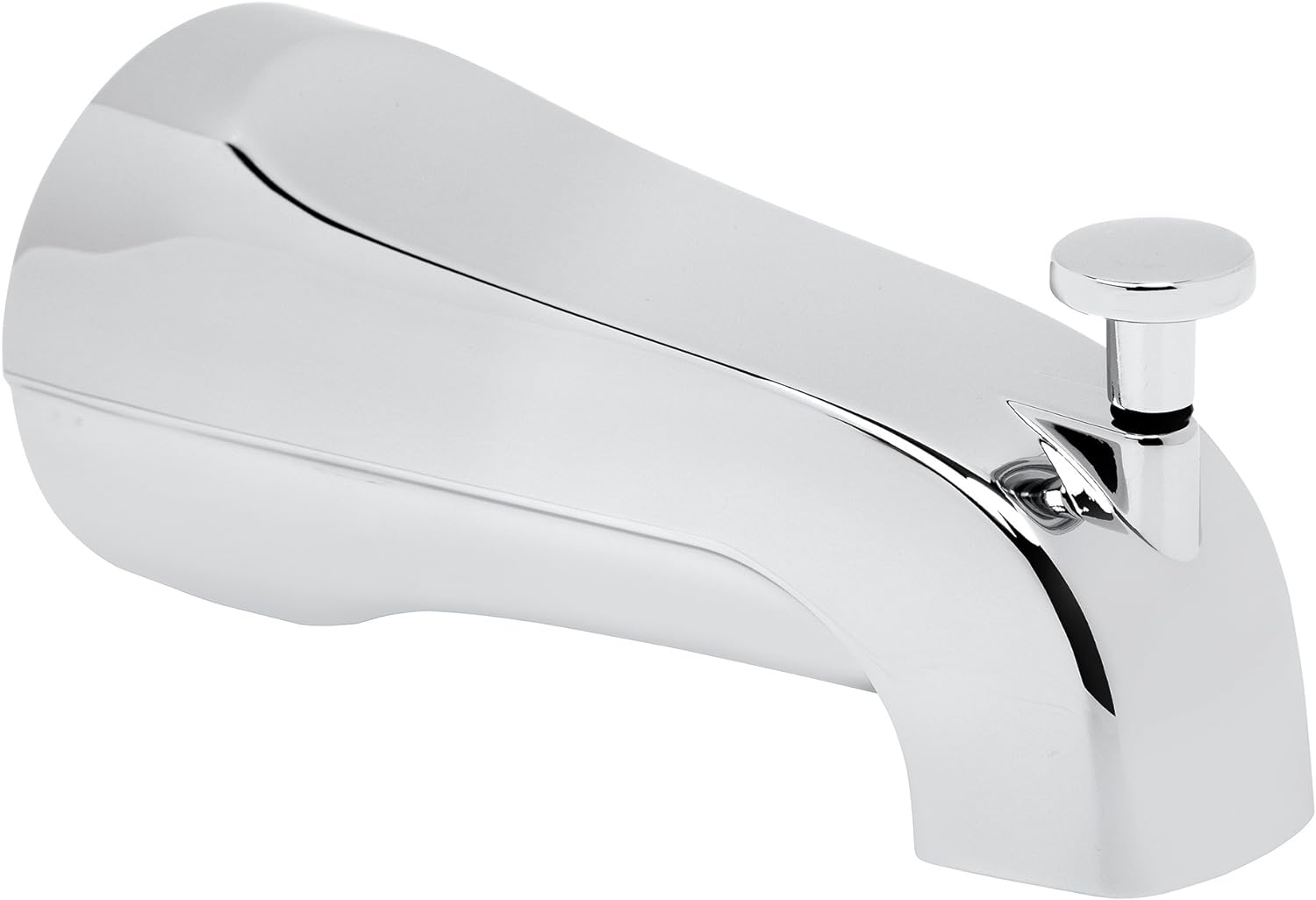
American Standard
American Standard 8888026.002 Bath Slip-On Diverter Tub Spout, 4 in, Polished Chrome (For 1/2" copper water tube)
See current price


Popular brands in Faucet Parts
Faucet parts help restore performance, stop leaks, and replace worn or damaged components without necessarily replacing an entire fixture. The right part depends on the faucet design, brand, installation location, and the symptom you are trying to address.
K-Catalog brings together faucet repair and replacement products for comparison. Check each listing’s specifications and features, then verify the current product details before ordering through Amazon.
How to choose faucet parts
Start by identifying the faucet type and the part that needs attention. A kitchen faucet, bathroom faucet, utility faucet, or tub and shower valve may use different internal components, even when the visible issue seems similar.
Before comparing products, gather:
- The faucet brand and any identifying markings
- The location of the part, such as the handle, spout, valve, or connection
- The number of handles and the general faucet configuration
- The existing part’s shape, dimensions, and connection style
- The problem, such as dripping, a loose handle, restricted flow, or a damaged seal
A matching replacement is usually more dependable than choosing a part based only on appearance. When the original component is available, compare it directly with product diagrams, listed measurements, and compatibility information.
Common types of faucet parts
Faucet parts cover a broad range of repair needs. Common categories include cartridges, stems, valves, handles, aerators, washers, O-rings, seals, escutcheons, spouts, supply connectors, and mounting hardware.
- Cartridges and stems: Internal control components that regulate water flow and temperature in many single- and dual-handle faucets.
- Washers, O-rings, and seals: Small sealing components that can address leaks around handles, spouts, or connections when the surrounding hardware is still in good condition.
- Aerators: Threaded pieces at the end of a faucet spout that influence the water stream and may need cleaning or replacement.
- Handles and trim pieces: Exterior components used to restore appearance or replace damaged controls, caps, and escutcheons.
- Spouts and connectors: Replacement parts for worn outlets or connections, subject to the faucet’s specific mounting and plumbing arrangement.
If the repair involves nearby plumbing rather than the faucet itself, the Pipes, Pipe Fittings & Accessories category may be more relevant. For a toilet-related repair, browse Toilet Parts.
Specifications and features to compare
Compatibility should be the first filter, but several other details can affect whether a part is suitable.
- Part type: Confirm that the listing is for the component needed, rather than a similar-looking accessory or complete repair kit.
- Dimensions: Compare length, diameter, stem shape, thread dimensions, and mounting measurements where provided.
- Connection type: Threaded, slip-fit, compression, push-fit, and other connection styles are not automatically interchangeable.
- Material: Brass, stainless steel, plastic, rubber, and other materials may be used for different components and installation conditions.
- Handle or valve configuration: A part designed for a single-handle faucet may not fit a two-handle design, and hot- or cold-side components may differ.
- Included pieces: Check whether the product includes gaskets, screws, adapters, caps, or other installation hardware.
- Finish and appearance: For visible parts, compare the finish with the existing faucet so the replacement looks consistent.
Product photos can help with visual identification, but listed measurements and compatibility details are more useful for confirming fit.
Brands represented in the catalog
Faucet parts in the catalog include products associated with Danco, Delta Faucet, Moen, Kohler, Pfister, GROHE, American Standard, LASCO, Moen Incorporated, Danco, Inc, Decor Star, and Iyax. Brand names can help narrow a search, but compatibility should still be confirmed because a single brand may use different parts across faucet families and generations.
Installation and troubleshooting tips
Shut off the water supply before removing faucet components, and open the faucet briefly to release residual pressure. Keep removed screws, clips, and seals organized so they can be compared with the replacement part.
Clean mineral buildup from reusable surfaces, but avoid forcing a cartridge or stem that does not align correctly. A replacement part may not solve the problem if the faucet body, valve seat, threads, or surrounding plumbing is damaged. For concealed valves, uncertain shutoff locations, or difficult access, professional plumbing help may be appropriate.
For other water-system components, explore Water Pumps, Parts & Accessories, Water Heaters & Parts, Drain Cleaning Equipment, or Garbage Disposals & Parts.
Frequently asked questions
How do I identify the faucet part I need?
Identify the faucet brand, configuration, problem area, and existing component. Compare its shape, dimensions, connection style, and markings with the product specifications.
Can a universal faucet part fit any faucet?
Not necessarily. “Universal” parts may suit several designs, but fit still depends on dimensions, connections, valve style, and the faucet’s construction.
Should I replace a cartridge or the whole faucet?
A cartridge or other internal part may be sufficient when the faucet body and connections are in good condition. Extensive corrosion, damage, or obsolete components may make full replacement more practical.
Do faucet parts include installation hardware?
Some products include gaskets, screws, adapters, or other hardware, while others contain only the primary replacement component. Check the included-parts information for each listing.
Why is a faucet still leaking after a part replacement?
The wrong part, incorrect installation, damaged sealing surfaces, mineral buildup, or a separate worn component can all cause continued leakage. Recheck compatibility and inspect the surrounding assembly.