

Pipes, Pipe Fittings & Accessories
Compare pipes, fittings, connectors, and plumbing accessories for repairs, replacements, and new rough-in work. Check materials, connection methods, sizing, and compatibility before choosing products.
771 products in catalog
771 results
Filters
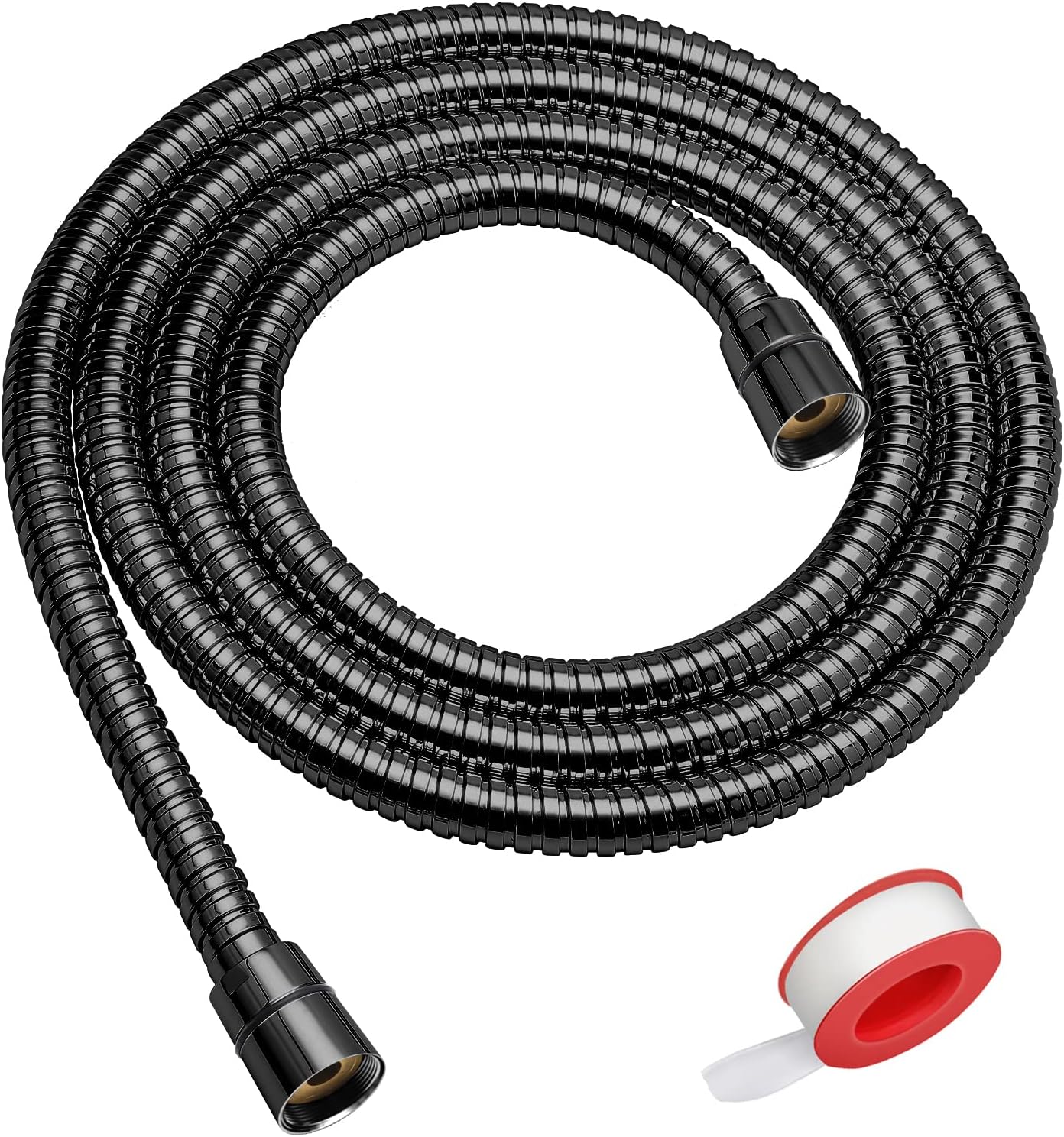


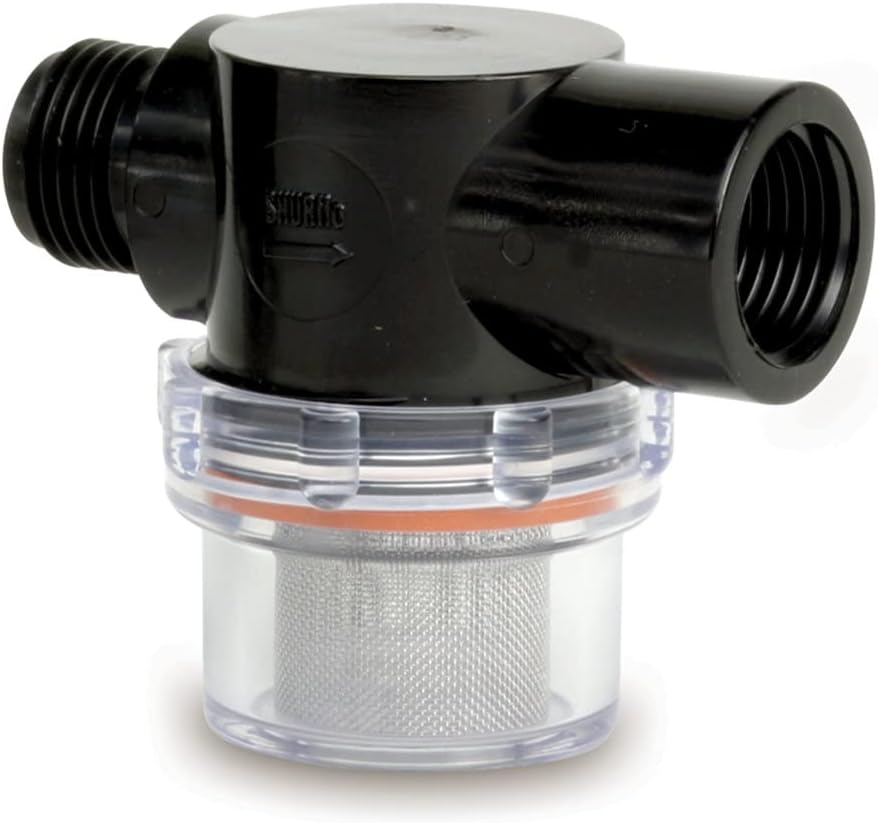

SharkBite
SharkBite 1 Inch x 300 Feet Blue PEX-B, PEX Pipe Flexible Water Tubing for Plumbing, U880B300
See current price

Highcraft
Highcraft ID256x100 Half Clamp J-Hook with Nail For Pex Tubing Pipe Support, 3/4 in, Black
See current price

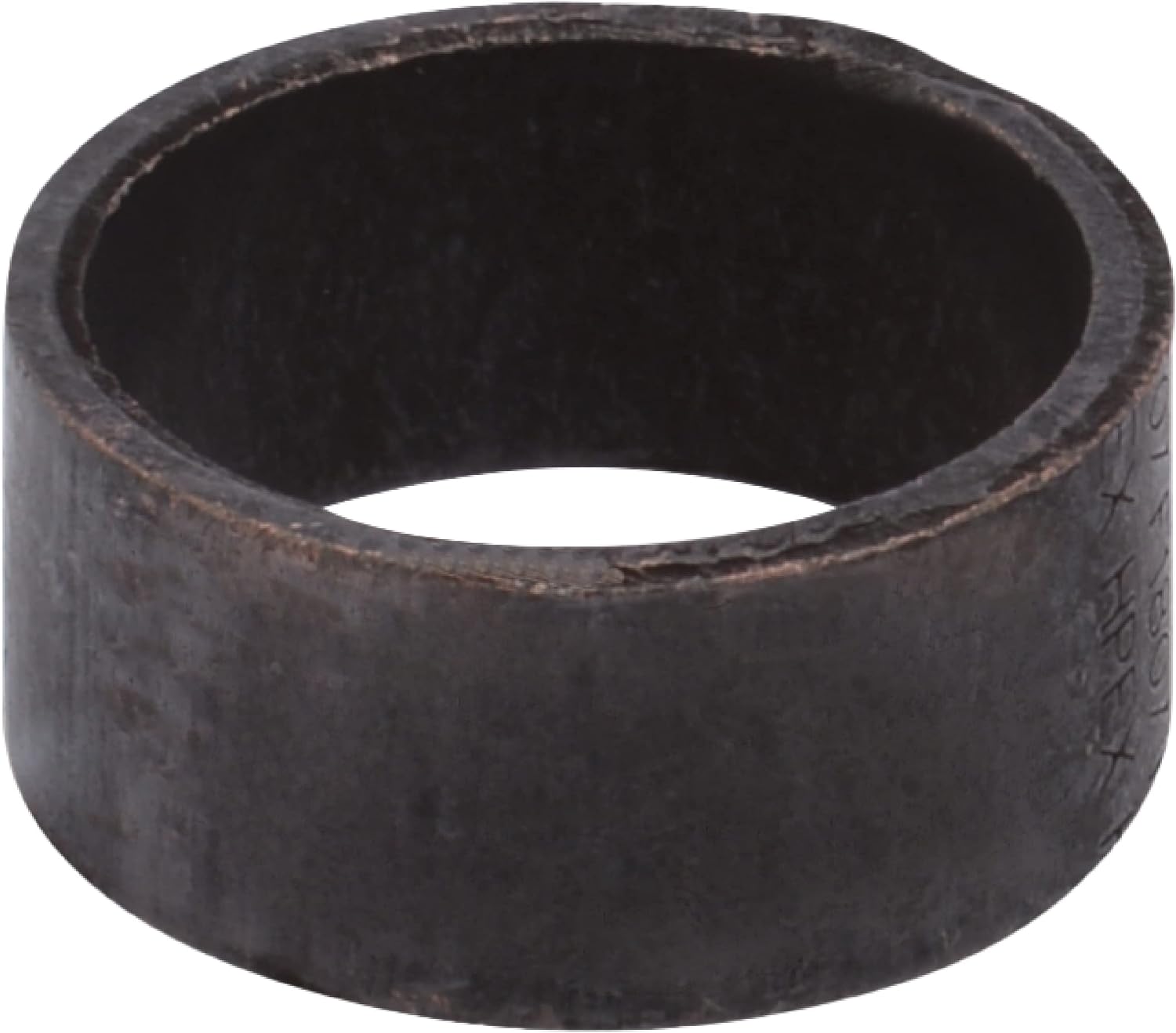
SharkBite
SharkBite 1/2 Inch Copper Crimp Rings, Pack of 100, PEX Pipe, PE-RT, 23102CP100
See current price

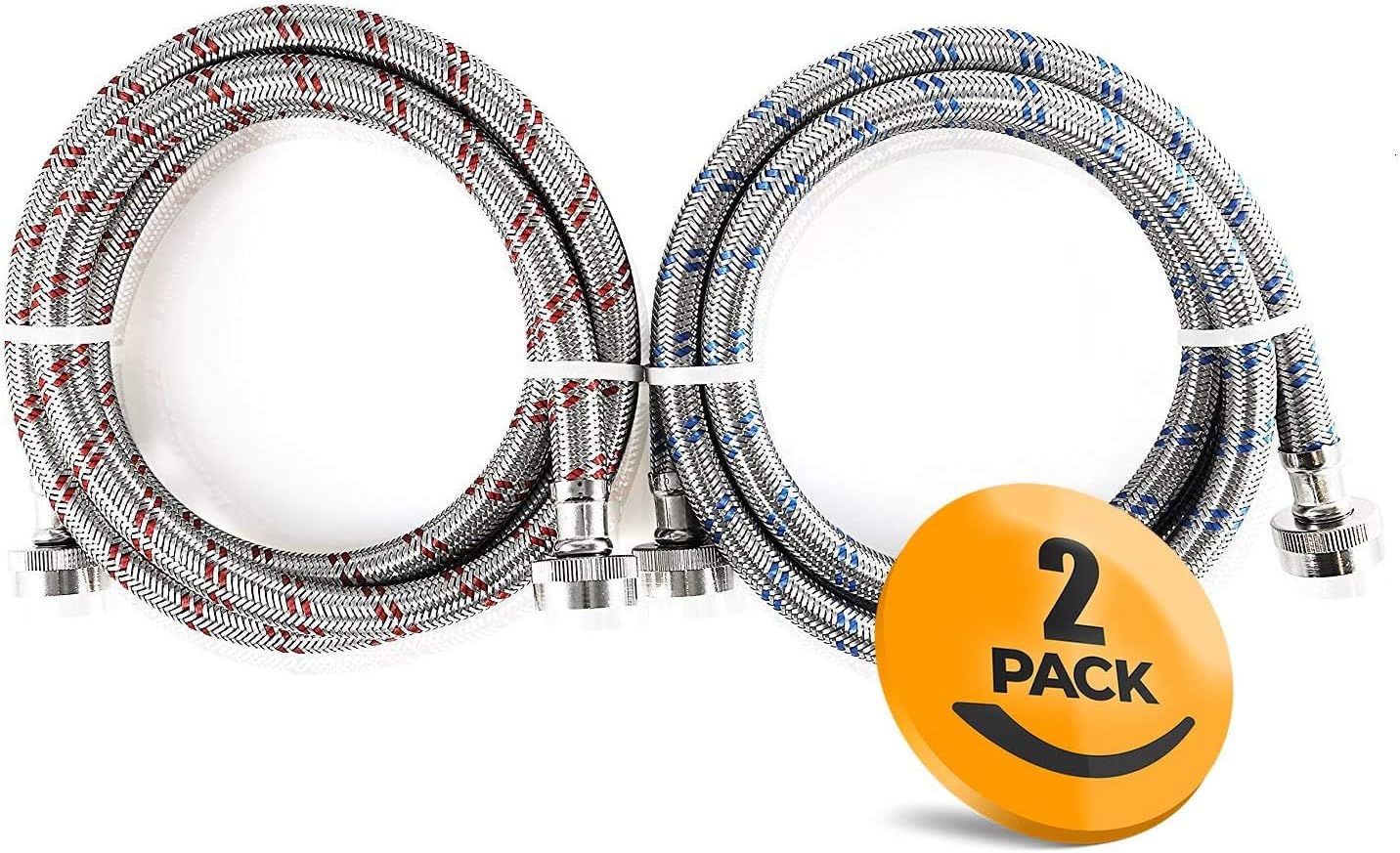

SharkBite
SharkBite 1/4 Inch to 1 Inch Depth Gauge and Pipe Deburring Tool, Copper, PEX, CPVC, PE-RT, HDPE, U702A
See current price


Popular brands in Pipes, Pipe Fittings & Accessories
Pipes and fittings form the working network behind water supply, drainage, and other rough plumbing systems. The right combination depends on the fluid being carried, installation location, local requirements, and how the components connect.
K-Catalog brings together products in this category so shoppers can compare specifications and features before checking the current product details on Amazon. Use the information on each listing to confirm material, dimensions, connection style, and intended application.
How to choose pipes and fittings
Start by identifying the system and the existing pipe material. A replacement fitting needs to match the pipe’s nominal size and connection method, while a new installation may give you more flexibility in selecting compatible components.
Consider these factors before buying:
- Application: Determine whether the part is intended for potable water, drainage, waste, venting, irrigation, or another plumbing use.
- Material: Common plumbing materials include PVC, CPVC, PEX, copper, brass, stainless steel, and other metal or plastic options. Material affects compatibility, durability, installation method, and suitability for the environment.
- Size and dimensions: Check nominal pipe size, outside diameter, fitting depth, and overall length where relevant. Nominal sizing is not always the same as a direct measurement across the pipe.
- Connection type: Options can include threaded, soldered, solvent-weld, crimp, clamp, compression, and push-to-connect designs. The connection must suit both the pipe and the tools available.
- Configuration: Elbows, tees, reducers, couplings, unions, adapters, and caps each solve a different layout or termination need.
If you are repairing an existing line, photograph or measure the connection before ordering. Matching the visible pipe is helpful, but the fitting’s internal design and joining method also need to be compatible.
Common types of products
This category can include straight pipe sections, flexible tubing, fittings, connectors, repair parts, and installation accessories. Product availability varies by listing, so compare the specifications rather than choosing by appearance alone.
Rigid pipe is often selected for stable runs and fixed layouts. Flexible tubing can be useful where routing around obstacles or connecting equipment is important. Fittings help change direction, branch a line, transition between materials or connection styles, reduce or expand the line, and close an unused opening.
Adapters deserve particular attention when connecting different plumbing systems. A threaded adapter, compression fitting, or push-to-connect fitting may be designed for a specific pipe material and installation method. Confirm whether a fitting creates a male or female connection and whether an included gasket, insert, or seal is required.
Key specifications to compare
Read the product specifications for more than the product name. Look for the material of the pipe or fitting body, the compatible pipe type, connection style, pressure or temperature information when provided, and whether the item is intended for indoor, outdoor, underground, or exposed use.
For fittings, compare the number and orientation of openings, the size at each opening, and whether the part is straight, angled, reducing, or branching. For pipe and tubing, check the supplied length, wall construction, flexibility, and whether the listing describes a complete section or a component intended to be cut during installation.
Also check what is included. Some listings may contain a single fitting, while others may be packaged as a set. Tools, sealants, rings, valves, and mounting hardware may need to be purchased separately unless the listing specifically says they are included.
Brands represented in the catalog
The catalog includes products from SharkBite, EFIELD, Supply Giant, LASCO, SUNGATOR, Home TZH, Oatey, Brooklyn Pipe, Eastman, Plumb Pak, LitOrange, and MUELLER. These brands are represented across the category, but the most important choice is still the individual product’s material, dimensions, connection method, and stated application.
Installation and compatibility tips
Dry-fit components before making a permanent connection whenever the installation method allows it. Confirm the route, orientation, and access for future maintenance. Avoid forcing mismatched threads or combining materials without the appropriate transition fitting and joining method.
For threaded connections, use a sealant that is suitable for the application and follow the fitting manufacturer’s instructions. For solvent-weld, solder, crimp, clamp, or push-to-connect installations, use the preparation and tooling required for that connection type. Shut off the water supply and relieve pressure before working on an existing line.
For projects involving concealed plumbing, drinking-water lines, gas, structural changes, or local permit requirements, consult applicable plumbing codes and a qualified professional. Product specifications do not replace code requirements or job-site assessment.
If the project extends beyond pipe and fittings, related catalog sections may help: browse Faucet Parts, Toilet Parts, or Water Heaters & Parts. For equipment-focused work, see Water Pumps, Parts & Accessories, Drain Cleaning Equipment, and Garbage Disposals & Parts.
Frequently asked questions
How do I match a fitting to an existing pipe?
Identify the pipe material, measure or verify its nominal size, and match the fitting’s connection type. Check both ends when the fitting transitions between different materials or sizes.
What is the difference between a coupling and an adapter?
A coupling generally joins compatible pipe sections in line. An adapter is used to change the connection style, material, or sometimes the size of the connected components.
Should I choose rigid pipe or flexible tubing?
Rigid pipe suits fixed, straight layouts, while flexible tubing can simplify routing around obstacles or connecting certain fixtures and equipment. The application and local requirements should guide the choice.
Are pipe fittings interchangeable between materials?
Not always. A fitting must be designed for the pipe material and joining method being used. When transitioning between materials, select a fitting specifically made for that combination.
What should I check before installing a push-to-connect fitting?
Verify pipe compatibility, size, cut the pipe cleanly and squarely, remove burrs, and confirm that the fitting is fully engaged according to its instructions. Make sure the connection remains accessible when required by local practice or code.