

Water Pumps, Parts & Accessories
Compare water pumps, replacement parts, and accessories by specifications and features. Find options for drainage, transfer, boosting, wells, basements, and other plumbing needs.
351 products in catalog
351 results
Filters


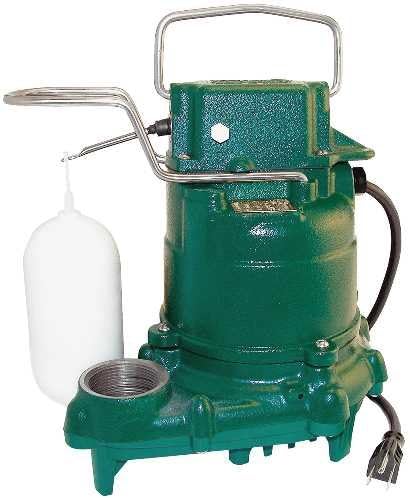


Jabsco
Flojet 03526-144A Triplex Diaphragm Automatic Water System Pump, 2.9 GPM 50 PSI, 12 volt DC
See current price


Lippert Components
Lippert Flow Max 12V RV Water Pump, 3.0 GPM, 50 PSI, 9.5 Max Amp, Self-Priming, Screen Filter Included - 689052
See current price


Superior Pump
Superior Pump 92341 1/3 HP Cast Iron Submersible Sump Pump with Vertical Float Switch
See current price

Superior Pump
Superior Pump 99624 Universal Discharge Hose Kit, 24-Feet, with 1-1/4-Inch and 1-1/2-Inch Adapters
See current price


Watts Premier
Watts Premier WP596816 Sensor Valve Kit for Watts Hot Water Recirculating Pump, Silver
See current price
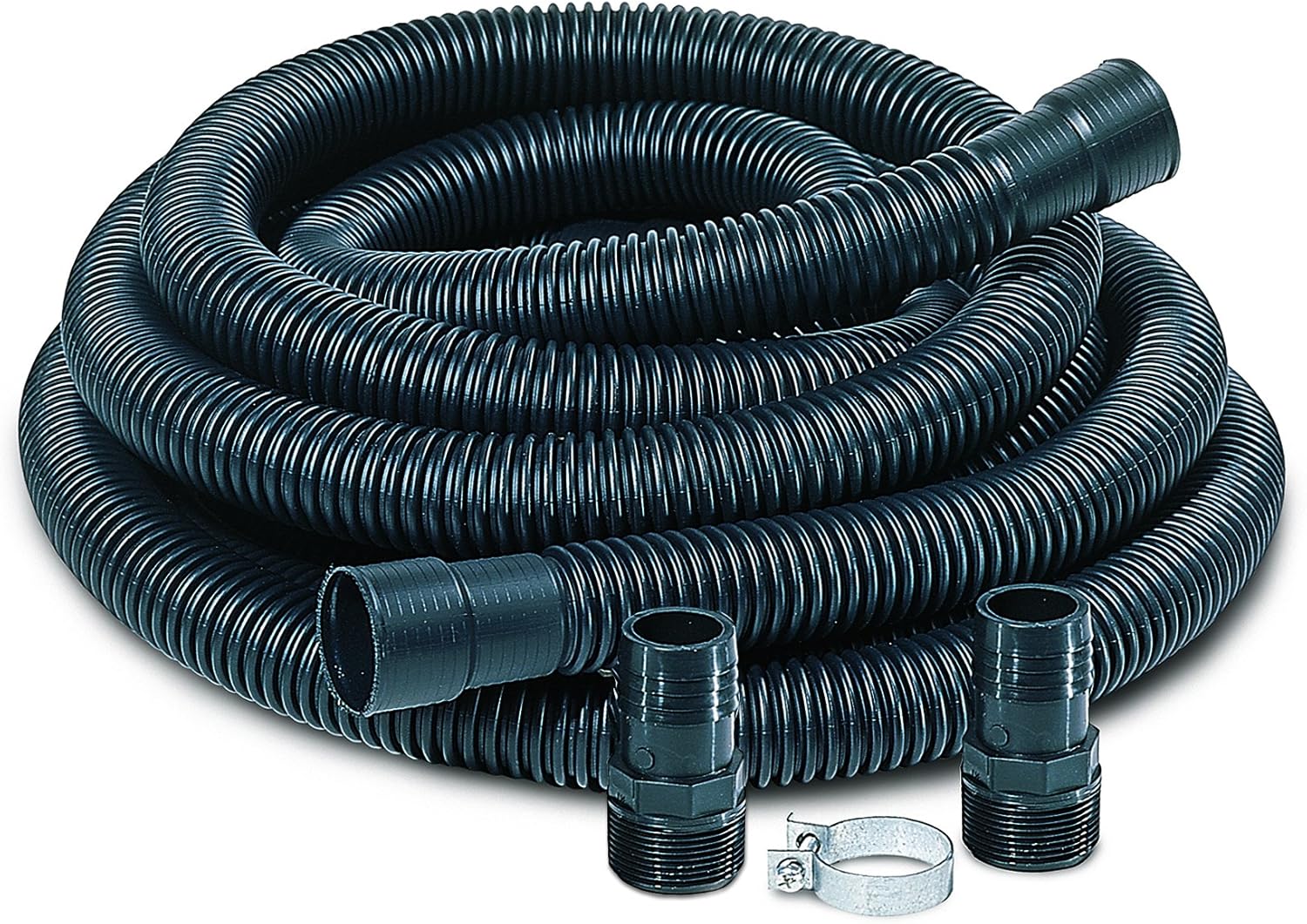
Little Giant
Little Giant SPDK Sump Pump Discharge Hose Kit, 1-1/4-inch Hose – 1-1/2 Inch and 1-1/4 Inch Adaptors, 24-Feet
See current price

Wayne
Wayne BGSP50 Guardian Premium Wi-Fi Connected Total Basement Protection System, Black
See current price

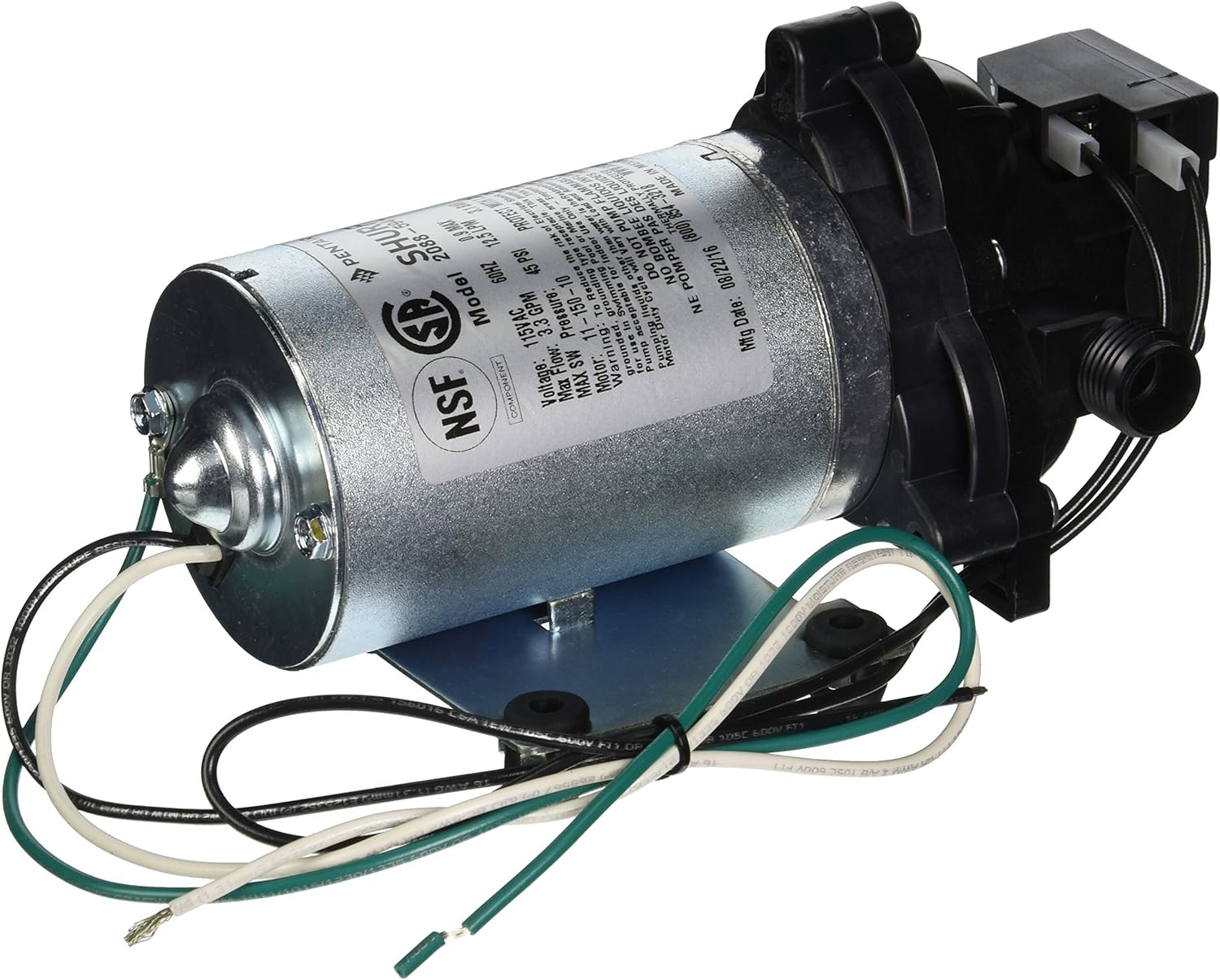


Diversitech
DIVERSITECH CP-22 Series Condensate Removal Pump, 12X6X6-3/4", 120 Volts, Red/Black
See current price
Popular brands in Water Pumps, Parts & Accessories
Water pumps help move, remove, or pressurize water in residential, utility, agricultural, and light commercial applications. The right choice depends on the water source, destination, flow requirements, available power, and whether the pump will operate occasionally or continuously.
This K-Catalog category brings together pumps, replacement components, and accessories for different rough-plumbing projects. Use the specifications to narrow your options, then check the product listing for installation details and current availability on Amazon.
How to choose a water pump
Start by identifying the job the pump must perform. A pump for clearing a flooded area has different requirements from one used to supply water from a well or maintain pressure in a plumbing system. Consider:
- Water type: Determine whether the pump will handle clean water, lightly dirty water, wastewater, or solids. Debris size and screen design can affect suitability.
- Pump location: Decide whether the pump will sit in the water, above the source, or connect to an existing line. Submersible and external pumps have different installation needs.
- Distance and height: Review the vertical lift and total run to the discharge point. Hose or pipe length, bends, and elevation can influence performance.
- Power source: Confirm the voltage, outlet requirements, cord length, and whether the pump is intended for continuous or intermittent operation.
- Controls and protection: Automatic switches, float controls, thermal protection, and dry-run safeguards may be important depending on the application.
Common water pump types
Although this category does not use separate subcategory pages, products generally fall into several practical groups:
- Sump pumps remove water from basement or crawl-space pits. Automatic float operation can help manage changing water levels.
- Utility and transfer pumps move water between containers, pools, tanks, or low-lying areas. Portability, priming, and hose connections are key considerations.
- Submersible pumps operate while placed in the water. Check the permitted water conditions, submersion requirements, and discharge connection.
- Sewage and effluent pumps are designed for wastewater applications. Compare solids-handling capability, outlet size, and approved use before installation.
- Well, booster, and pressure pumps support water delivery from a well, storage tank, or low-pressure system. System pressure, flow, and compatibility with controls matter here.
- Parts and accessories include switches, control components, replacement hoses, fittings, strainers, and other items used to install, maintain, or adapt a pump.
Specifications and features to compare
Pump specifications are most useful when viewed together rather than individually. Flow rate indicates how quickly water can move, while maximum head describes the lift the pump can overcome under specified conditions. Actual performance may change as the lift, pipe size, and resistance increase.
Also compare inlet and discharge sizes, connection style, construction materials, motor design, and the required power supply. A corrosion-resistant housing may be useful in demanding environments, while a compact design can simplify installation in a confined pit or tank. For automatic systems, examine how the float or pressure control works and whether it fits the available space.
Check operating-temperature limits, permitted fluid type, noise considerations, and duty cycle. Product documentation should also clarify whether a check valve, strainer, hose, pipe adapter, or separate control box is required.
Parts, compatibility, and installation
Before buying a replacement part, match the pump brand and exact product specifications rather than relying only on appearance. Thread size, voltage, switch type, impeller design, seal dimensions, and connector style can vary between otherwise similar components.
Measure the existing connection and confirm the intended pipe or hose material. Adapters can solve some connection differences, but they may also add restrictions or leak points. For a new installation, plan the intake, discharge route, drainage location, access for maintenance, and protection from accidental contact with electrical components.
Water and electricity require careful handling. Follow the manufacturer’s installation instructions, use appropriate electrical protection, and disconnect power before servicing. If the installation involves a well, sewage system, permanent wiring, or structural drainage work, professional assistance may be appropriate.
Brands and related plumbing categories
Catalog listings include water-pump products and components from Wayne, Superior Pump, Little Giant, Zoeller, Flotec, EXTRAUP, Grundfos, FLUENTPOWER, Red Lion, TERA PUMP, Tuf-Tite, and SHURFLO. Compare each listing by its stated application and specifications rather than choosing by brand name alone.
A pump may need to connect with other rough-plumbing components. Browse Pipes, Pipe Fittings & Accessories for compatible routing materials, or explore Water Heaters & Parts when the project involves water heating equipment. For other household plumbing repairs, related sections include Faucet Parts, Toilet Parts, and Drain Cleaning Equipment. The broader Rough Plumbing category can help with additional installation components.
Frequently asked questions
What size water pump do I need?
Choose based on the required flow, total lift, discharge distance, connection size, water type, and available power. The pump’s performance chart is more useful than flow alone.
What is the difference between a submersible and external pump?
A submersible pump operates in the water, while an external pump remains outside the source and draws or moves water through connected lines. Installation conditions determine which design is suitable.
Can one pump handle clean water and wastewater?
Not necessarily. Wastewater pumps may have different impellers, screens, clearances, and solids-handling capabilities. Confirm the permitted fluid type before use.
Do I need an automatic float switch?
A float switch can turn a pump on or off as water levels change, which is useful for many drainage applications. Verify that the switch has enough room to move and is compatible with the pump.
How can I find a compatible replacement part?
Match the pump’s manufacturer information, specifications, connection details, and part requirements. A visually similar component may not fit or operate correctly.