
Novelty Place
Novelty Place Retro Style Plastic Popcorn Containers for Movie Night - 7" Tall x 7" Top Diameter (3 Pack)
See current price

Compare concession and vending equipment for serving, dispensing, and presenting food or drinks. Review specifications and features to find options suited to your space, workflow, and service style.
61 products in catalog
61 results
Novelty Place
See current price
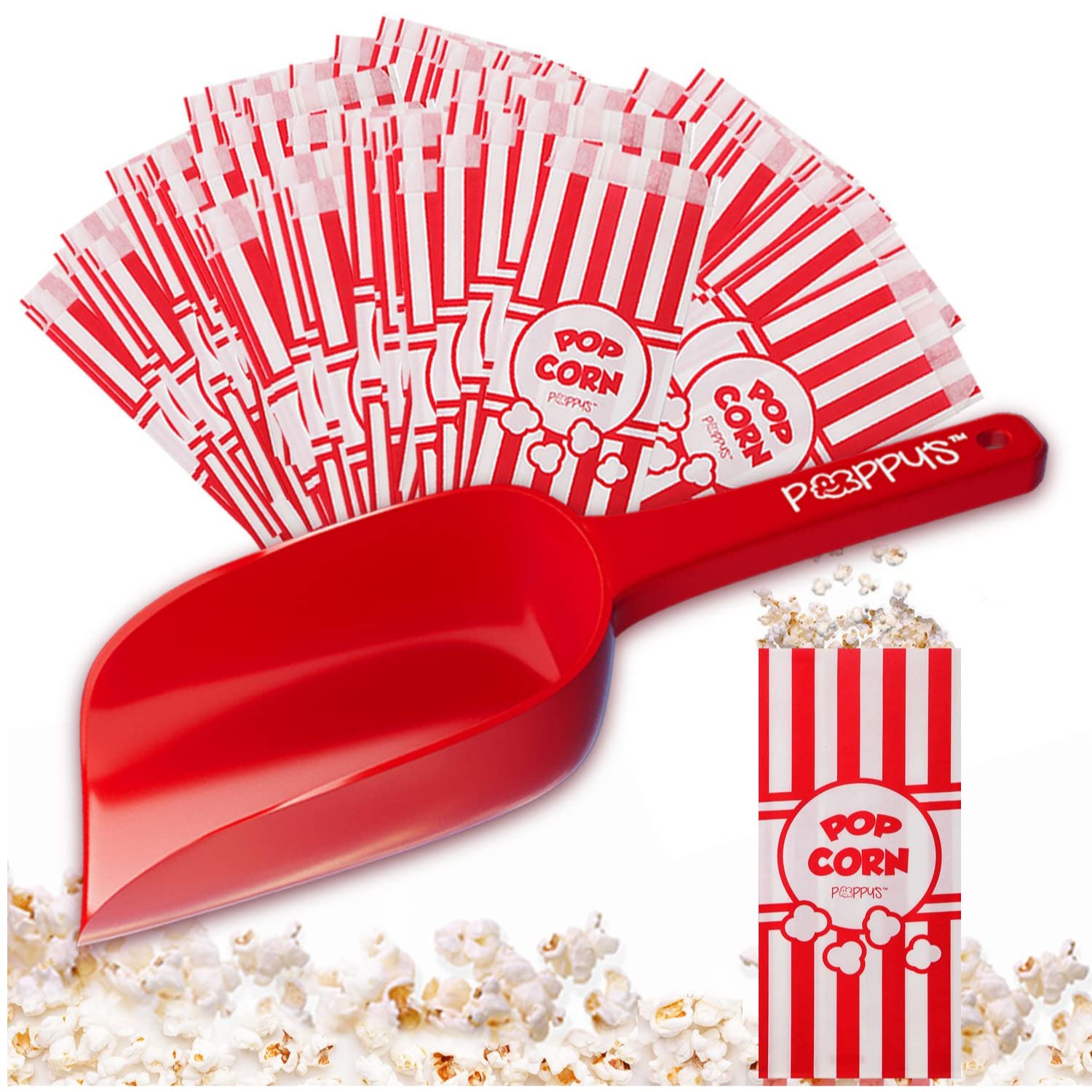

![110 Movie Night Popcorn Paper Boxes Buckets 7.75 Inches Tall Large & Holds 46 Oz Old Fashion Vintage Retro Party Design Red & White Colored Nostalgic Carnival Stripes Bags & Tubs [various qty avail]](https://m.media-amazon.com/images/I/91EXIUgezML._AC_SL1500_.jpg)


Great Northern Popcorn Company
See current price

CUSINIUM
See current price

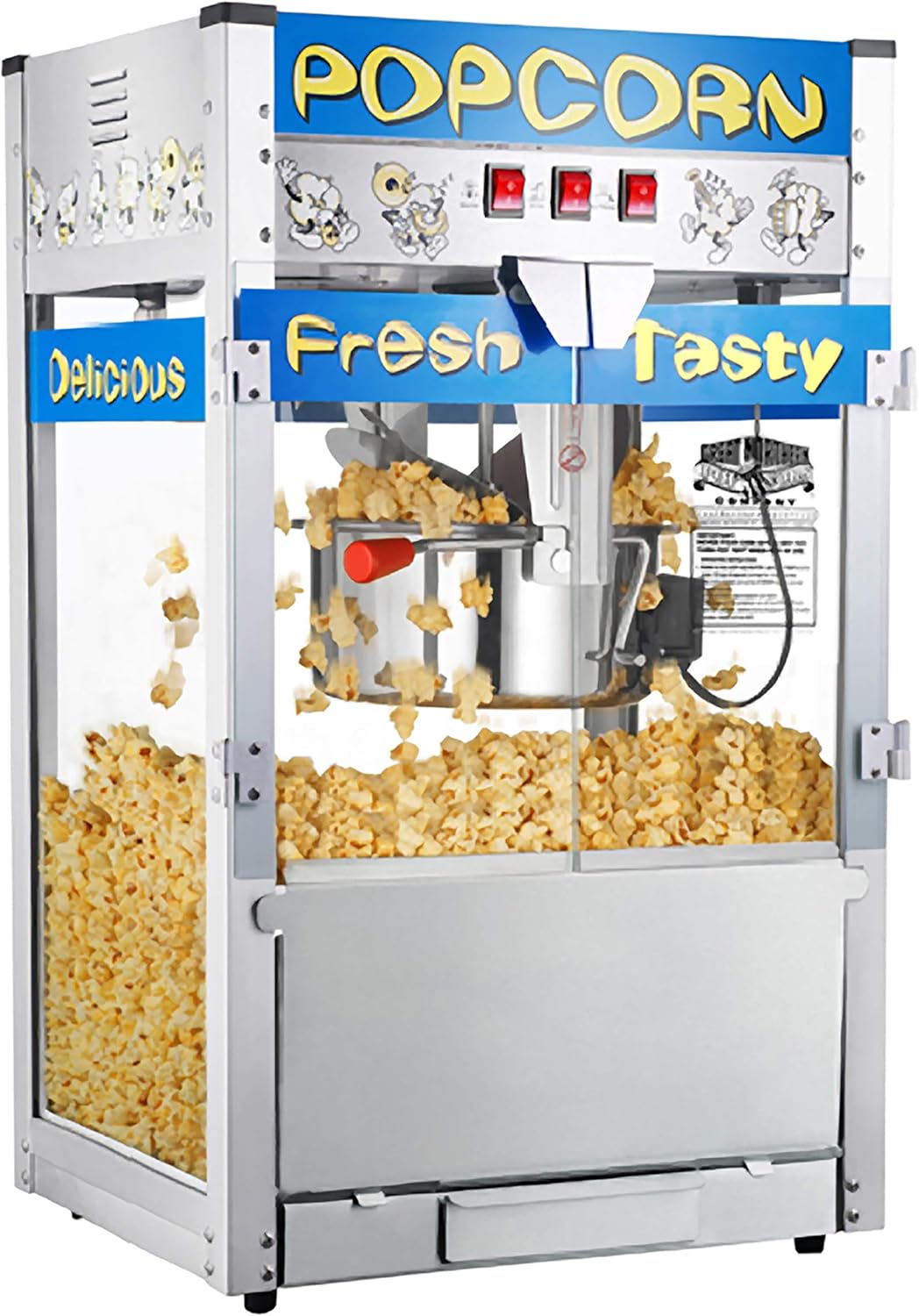
Great Northern Popcorn Company
See current price

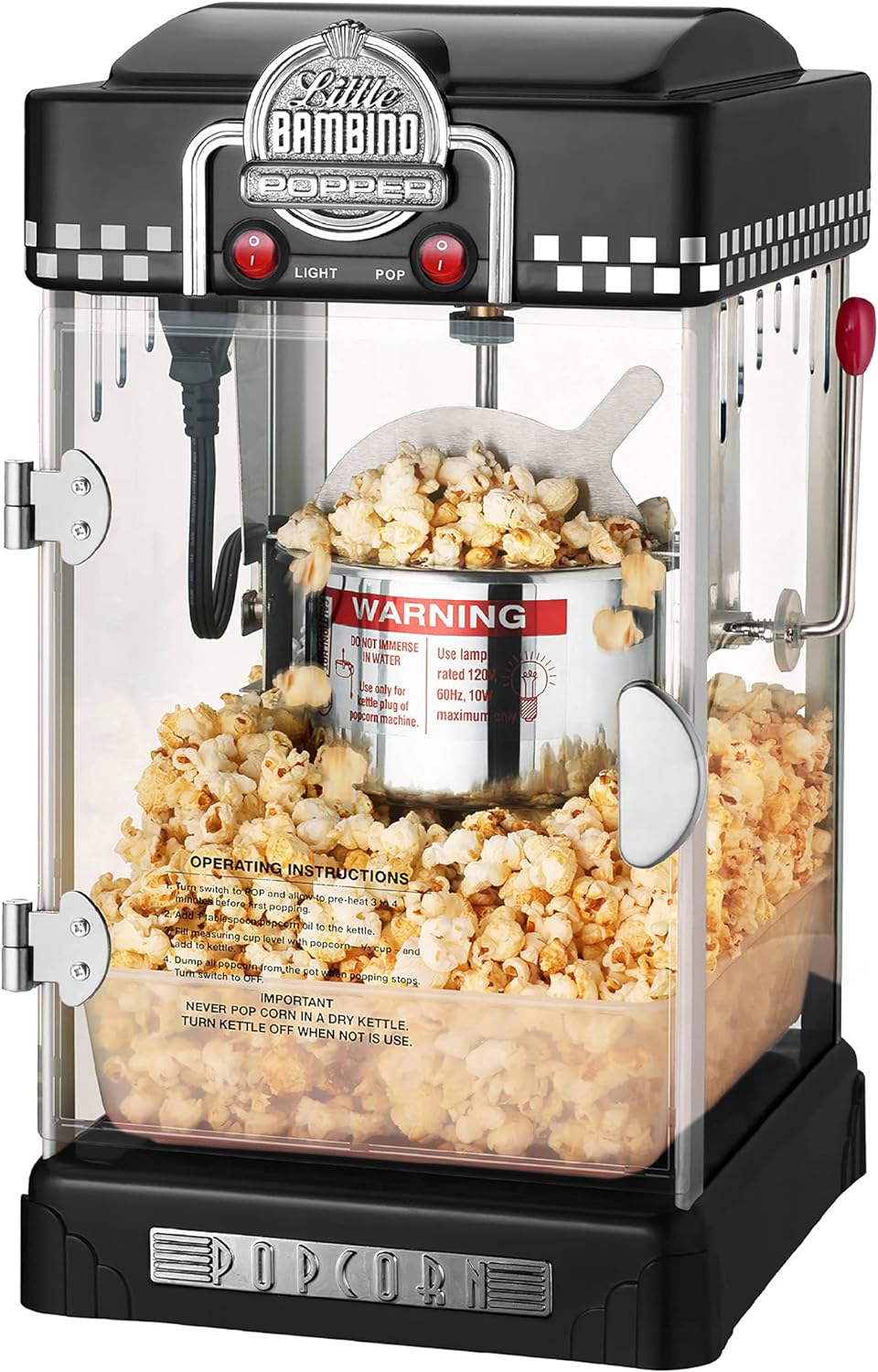
Great Northern Popcorn Company
See current price


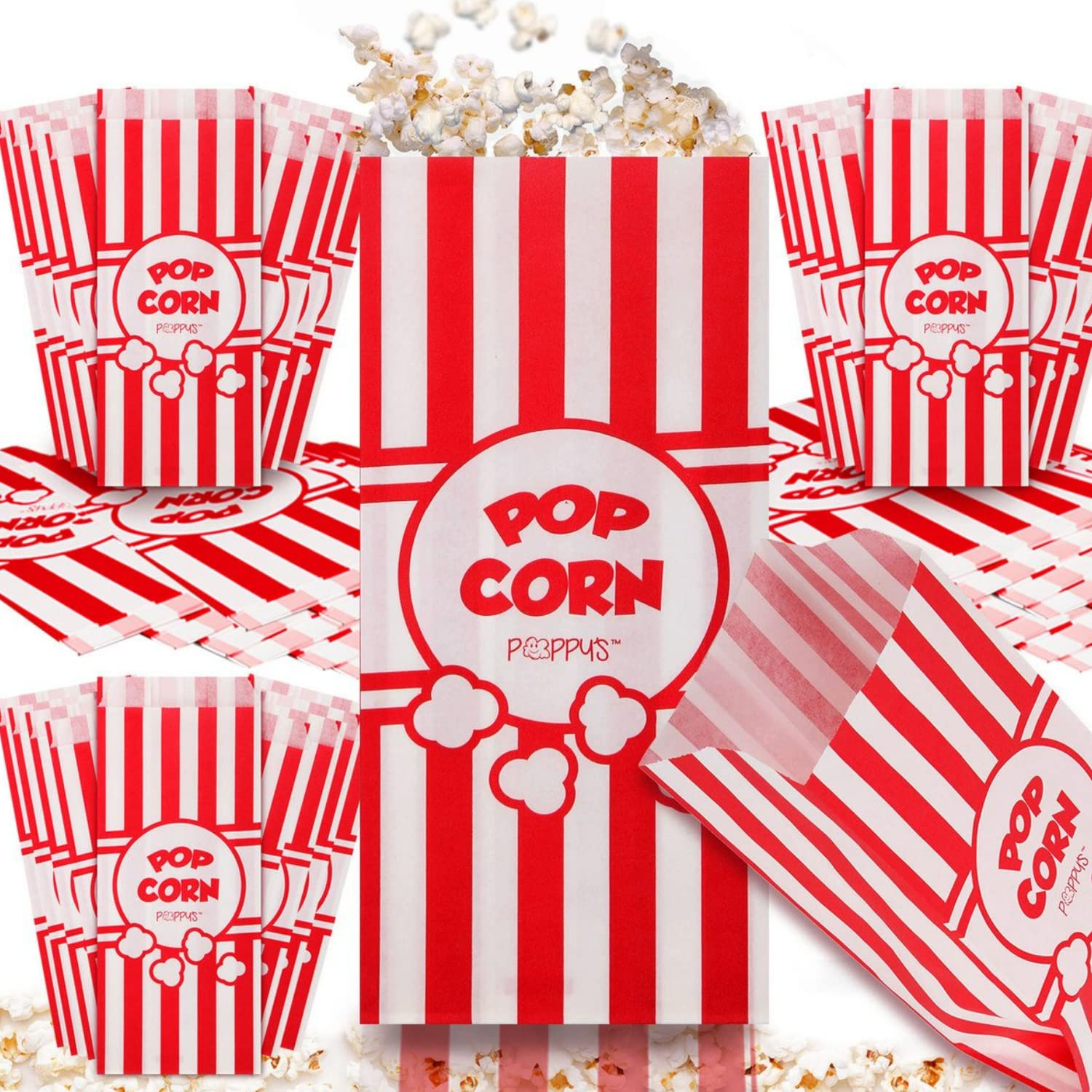
![[50 Pack] Movie Theater Popcorn Boxes Disposable Red & White Striped - 30 oz Capacity - Vintage Snack Box Concession and Carnival Party Supplies, Individual Popcorn Bucket Containers](https://m.media-amazon.com/images/I/91CdWrIKiTL._SL1500_.jpg)


Concession and vending equipment can support snack service at events, self-service areas, offices, entertainment venues, and other food service settings. The right choice depends on what you are serving, how often the equipment will be used, and whether staff or customers will operate it.
This category brings together equipment and accessories for preparing, holding, dispensing, and presenting concession-style products. Use the specifications to compare practical details before selecting an option for your operation.
Start with the service task rather than the equipment name. A setup for popcorn, candy, beverages, or packaged snacks may have different requirements for capacity, dispensing, cleanup, and customer access.
Consider these questions:
For broader food service needs, browse Food Service Equipment & Supplies alongside this category.
Concession and vending equipment may serve several roles, so product descriptions and specifications are especially important. Common applications include:
Capacity is one of the first specifications to compare, but it should be considered alongside footprint and replenishment needs. A larger internal capacity may reduce how often staff reload the unit, while a compact design may be more practical for a crowded counter or mobile setup.
Pay attention to construction and surfaces. Stainless steel, coated metal, plastic, glass, and other materials can differ in durability, visibility, weight, and cleaning requirements. Product descriptions may also identify removable parts, access doors, viewing panels, and other features that affect routine care.
For powered equipment, compare voltage, wattage, controls, heating functions, and startup requirements. Make sure the available electrical connection is appropriate and that the equipment can operate safely with sufficient clearance. For non-powered equipment, focus on loading, portion control, stability, and ease of access.
If the equipment will be moved or stored between events, compare weight, handles, wheels, folding features, and overall portability. Storage & Transport can help with related organization and movement needs.
Equipment works best when the surrounding setup is planned at the same time. Leave room for ingredients or packaged inventory, serving supplies, waste collection, and staff movement. Position customer-facing equipment where products can be seen and accessed without obstructing queues or work surfaces.
Presentation also matters for concession service. Displayware & Signage can help organize product information and make the service area easier to navigate. For plates, trays, utensils, and other presentation pieces, compare options in Tabletop & Serveware. Larger operations may also benefit from browsing Restaurant Appliances & Equipment for complementary equipment.
The catalog includes products from Stock Your Home, Paramount, Gold Medal, Great Northern Popcorn Company, Poppy's, Wabash Valley Farms, Novelty Place, Juvale, CUSINIUM, BLUE PANDA, Packsure, and SNAPPY. Compare each item by its listed specifications, intended use, materials, dimensions, and operating features rather than relying on brand name alone.
Identify the product being served, the expected service method, available space, and any power requirements. Then compare capacity, loading, dispensing, cleaning, and portability features.
Some equipment may be designed for customer access, while other options are better suited to staff operation. Check the product description for access, controls, portioning, and safety-related details.
Measure the space carefully and compare the equipment's footprint, access clearance, and loading area. Compact equipment may be easier to place, but it may require more frequent replenishment.
Review voltage, wattage, controls, operating functions, cord placement, and clearance requirements. Confirm that the equipment matches the electrical setup where it will be used.
Depending on the service format, you may need disposable containers, serving utensils, storage supplies, display materials, or signage. Choose accessories that match the equipment and the products being served.