

Restaurant Appliances & Equipment
Compare restaurant appliances and equipment by their capacity, power requirements, construction, cleaning needs, and fit within your food-service operation.
160 products in catalog
160 results
Filters


Master Class
Master Class Professional Triple Table-Top Tea Light Food/Plate Warmer, Small (4-5 inches), Black/Grey
See current price

HALLY SINKS & TABLES H
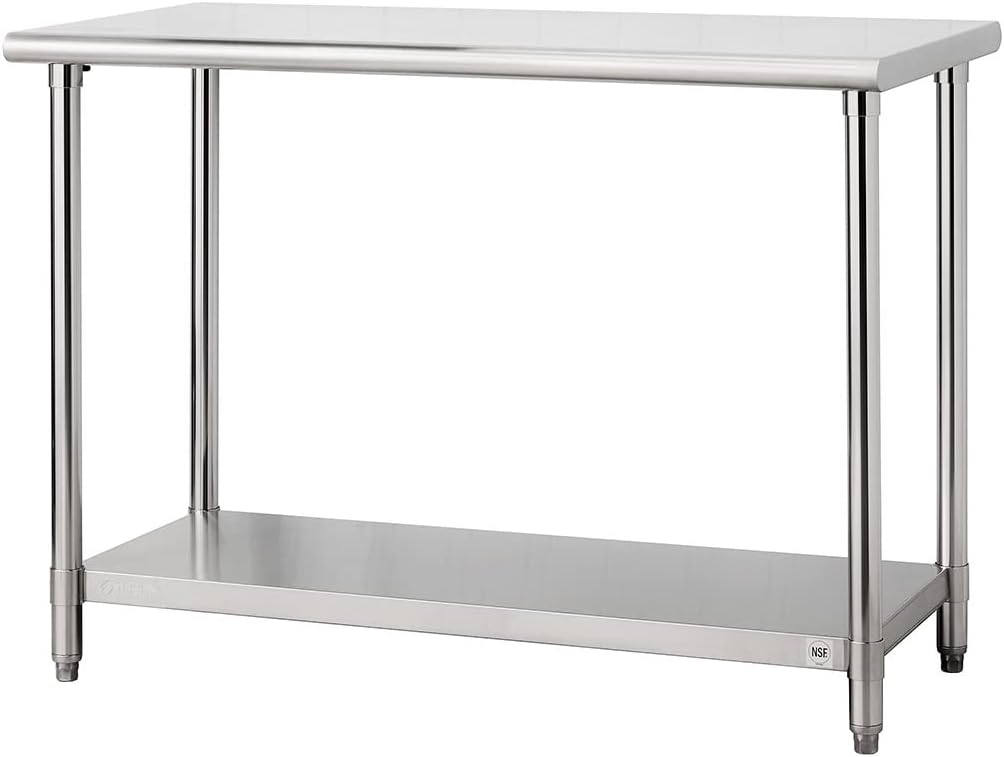
Hally Stainless Steel Table for Prep & Work 24 x 36 Inches, Commercial Heavy Duty Table with Undershelf and Backsplash for Restaurant, Home and Hotel
See current price


LazyMe
LazyMe Easter Basket Cellophane Shrink Bags, 24x30 inch, Shrink Wrap Bags Large, Clear (20)
See current price



Aroma Housewares
Aroma Housewares 60-Cup (Cooked) (30-Cup UNCOOKED) Commercial Rice Cooker (ARC-1033E),White
See current price




Popular brands in Restaurant Appliances & Equipment
Restaurant appliances and equipment support preparation, cooking, holding, cleaning, and service in commercial food-service settings. The right choice depends on your menu, workflow, available space, expected workload, and installation requirements—not just the appliance’s main function.
K-Catalog helps shoppers compare listed specifications and features across restaurant equipment before visiting Amazon to check current product details and availability.
How to choose restaurant equipment
Start with the task the equipment must perform and how often it will be used. A compact appliance may suit a small kitchen, beverage station, office pantry, or occasional service, while a larger unit may be more appropriate for a busy operation with continuous demand.
Consider these practical questions:
- What is the intended workload? Match capacity and operating pace to your menu and service schedule.
- Where will it go? Measure the counter, floor area, doorway, and clearance around the unit before ordering.
- What utilities are needed? Check voltage, wattage, plug type, water connections, drainage, ventilation, and other installation details.
- How will it be cleaned? Removable components, smooth surfaces, accessible controls, and compatible cleaning methods can make daily maintenance easier.
- Who will operate it? Clear controls and straightforward loading may matter when multiple staff members use the same equipment.
For a broader view of food-service supplies, browse Food Service Equipment & Supplies, the parent category for this selection.
Common types of restaurant appliances
Restaurant appliances and equipment can cover several stages of service. Cooking and heating equipment is used for preparing menu items or keeping food ready for service. Refrigeration and beverage equipment supports chilled ingredients, drinks, and cold storage. Food-preparation appliances can assist with tasks such as mixing, processing, or portion preparation.
Countertop equipment is often useful where floor space is limited or where a task needs to be positioned close to a prep area. Freestanding equipment may offer more capacity but requires careful planning for placement, movement, and utility access. Sink and work-table equipment can support washing, preparation, and organization in a commercial kitchen.
The catalog does not divide this category into listed subcategories, so comparing each product’s intended use and specifications is especially important. Related supplies may also help complete a workstation:
- Disposables for single-use service and food-contact items.
- Storage & Transport for organizing ingredients, supplies, and prepared items.
- Tabletop & Serveware for dining and presentation needs.
- Concession & Vending Equipment for self-service, mobile, or specialty food operations.
- Displayware & Signage for presenting products and communicating selections.
Specifications and features to compare
Pay close attention to the full specification list rather than relying on the product title alone. Capacity may be expressed through interior space, work-surface dimensions, container size, or the amount of food the appliance can accommodate. Compare those measurements with the batches, vessels, pans, or containers used in your operation.
Power details are equally important. Confirm electrical requirements and make sure the planned location can support the appliance safely. For equipment that uses water, drainage, gas, or ventilation, review connection and installation information before purchase. Some appliances may be intended for countertop use, while others require a dedicated location or professional installation.
Construction materials affect durability, appearance, and cleaning. Stainless-steel surfaces are common in food-service environments, but the exact material, finish, removable parts, control layout, and included accessories can vary. Check whether the listed features match your cleaning routine and food-preparation process.
Brands represented in the catalog
Brands represented in this catalog include Frigidaire, GRIDMANN, HALLY SINKS & TABLES H, Aplancee, Supplement and Supply, MagicWater Supply, ATCG, Sharp, SibyTech, METRONIC, SYBO, and Seville Classics. Brand availability can vary by product, so compare the specifications, dimensions, included components, and intended application for each individual listing rather than choosing by brand name alone.
Planning, compatibility, and maintenance tips
Measure twice before ordering, including the space needed to open doors, remove trays, connect utilities, and clean behind or around the unit. Confirm that the appliance’s operating environment suits your facility and that its materials are appropriate for the intended food-service use.
Keep manuals and installation information available for staff. Establish a routine for removing food residue, checking seals and connections, emptying collection areas, and inspecting cords or controls. Follow the manufacturer’s care instructions, especially when a component is not clearly dishwasher-safe or when specialized cleaners are required.
For shared kitchens or changing menus, flexibility can be valuable. Adjustable shelving, removable containers, multiple settings, or a compact footprint may support different tasks, but extra features should be weighed against cleaning time, storage needs, and operating complexity.
Frequently asked questions
What should I check first when choosing restaurant equipment?
Start with the intended task, required capacity, available space, utility connections, and expected frequency of use. These factors narrow the options before comparing smaller features.
Is countertop equipment suitable for a commercial kitchen?
It can be suitable when its dimensions, power requirements, construction, and intended use fit the operation. Confirm clearance, ventilation, and placement requirements before ordering.
Why are dimensions important for restaurant appliances?
Dimensions determine whether the equipment will fit through access points, sit safely in its planned location, leave room for operation, and remain accessible for cleaning and maintenance.
How can equipment be easier to maintain?
Look for accessible surfaces, removable parts where appropriate, clear care instructions, and a design that allows staff to clean around controls, seals, trays, and connections.
What if an appliance has special electrical or plumbing requirements?
Verify the requirements before purchase and confirm that the installation area has compatible utilities. Professional installation may be appropriate for equipment involving dedicated circuits, water, drainage, gas, or ventilation.