

Storage & Transport for Food Service
Compare food-service storage and transport equipment by capacity, construction, mobility, and compatibility. Review specifications and features to find options suited to kitchens, prep areas, and service operations.
207 products in catalog
207 results
Filters


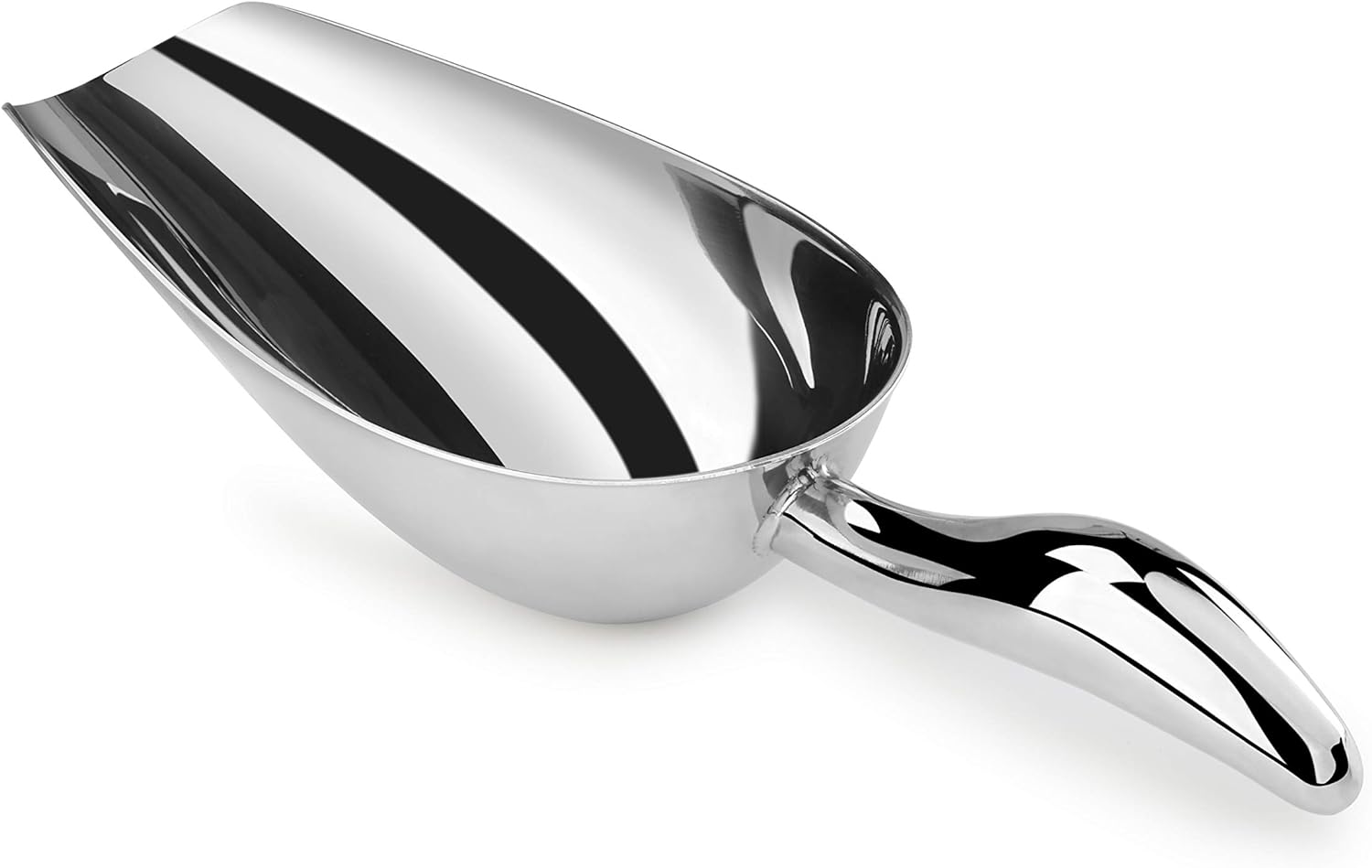
New Star Foodservice
New Star Foodservice 1028508 Stainless Steel Bar Ice Flour Utility Scoop, 6-Ounce
See current price


Homevative
Homevative XL Insulated Food & Grocery Delivery Bag - For Catering, Restaurants, Delivery Drivers, etc
See current price


Popular brands in Storage & Transport
Storage and transport equipment helps food-service operations organize ingredients, supplies, prepared food, and service items between receiving, prep, storage, and serving areas. The right choice depends on what needs to be moved or stored, how often it is handled, and the space available.
Use this K-Catalog page to compare specifications and features across the category, then check the current product details on Amazon before buying. For a broader view of food-service supplies, browse the Food Service Equipment & Supplies category.
How to choose storage and transport equipment
Start with the workflow rather than appearance. A container for dry ingredients has different requirements from a cart used to move prepared food, while a rack or shelving unit must work within a fixed footprint.
Consider these factors:
- Capacity: Check internal volume, shelf area, load limits, or the number of items the product is designed to hold.
- Dimensions: Measure doorways, aisles, counters, refrigerators, shelving bays, and storage rooms before choosing a larger item.
- Material: Look for construction suited to the environment, such as materials that are easy to clean and resistant to moisture, stains, or routine commercial use.
- Mobility: For carts and transport units, compare wheel design, maneuverability, handle placement, and whether the unit can be secured when parked.
- Access: Lids, doors, drawers, open shelving, and clear sides each support different workflows. Choose the format that makes contents easy to identify and retrieve.
- Compatibility: Confirm that containers, racks, trays, shelves, or accessories fit the equipment already in use.
Common storage and transport formats
Although this category has no listed subcategory breakdown, storage and transport products generally fall into several practical groups.
Containers and bins
Containers and bins suit dry goods, ingredients, utensils, and back-of-house supplies. Compare the opening, lid style, stacking design, material, and whether the shape makes efficient use of shelf space. Clear or labeled formats can make inventory identification easier, while sealed designs may be more appropriate when contents need additional protection from dust or incidental contact.
Shelving, racks, and organizers
Shelving and rack systems help use vertical space in pantries, prep areas, storerooms, and service stations. Compare overall dimensions, shelf spacing, adjustability, stability, and the surface design. A rack intended for trays or containers may need a different spacing pattern from one used for packaged goods.
Carts and mobile transport
Carts are useful when supplies, cookware, ingredients, or service items need to move between work areas. Pay attention to wheel size and type, turning clearance, handle height, shelf configuration, and the amount of weight each level can support. Consider whether the cart must pass over thresholds, fit in an elevator, or remain compact when stored.
Insulated and covered carriers
Covered or insulated carriers can be relevant when food or beverages must be transported while helping limit exposure to the surrounding environment. Compare internal dimensions, access points, closure design, carrying handles, and compatibility with the containers or trays used by the operation.
Specifications worth comparing
Product names can sound similar, so the specification table is often the best place to distinguish options. Check whether listed dimensions refer to the outside of the product or usable interior space. For containers and carriers, interior measurements matter when matching pans, trays, or packaged ingredients. For carts and shelving, exterior measurements determine whether the product will fit through the intended route.
Also compare assembly requirements, care instructions, included components, and the product’s intended setting. A unit that works well in a dry storage room may not be the right choice for a damp wash area. If multiple pieces are meant to work together, verify dimensions and attachment points instead of assuming compatibility from appearance alone.
Brands represented in this catalog
The catalog includes storage and transport products from KITMA, Kitma Direct, Rubbermaid, Winco, New Star Foodservice, Bodaon, OGEFOTED, GRIDMANN, cherrboll, Update International, RideShareTags, and Carlisle FoodService Products. These brands may cover different formats, materials, capacities, and commercial-use requirements, so compare the specifications of individual products rather than relying on the brand name alone.
For adjacent purchasing needs, Disposables may be useful for single-use service items, while Tabletop & Serveware covers items used to present and serve food. Equipment-focused shoppers can also review Restaurant Appliances & Equipment.
Practical tips for fit, care, and daily use
Measure the full path from storage location to destination, not just the final parking space. Include clearance for doors, people, handles, and turns. Before ordering a container or carrier, measure the items it must hold and allow room for lids, handles, or dividers.
Follow the manufacturer’s cleaning and use instructions, especially for products with wheels, moving parts, seals, insulation, or multiple materials. Avoid exceeding stated load limits, distribute weight evenly on carts and shelves, and keep mobile equipment stable while moving. For operations involving public-facing service, Displayware & Signage may complement storage and transport planning; Concession & Vending Equipment is another related area to explore.
Frequently asked questions
What should be stored in food-service containers?
Choose containers based on the contents, required capacity, access frequency, available space, and whether the contents need a lid, stackability, or additional protection.
How do I choose the right cart size?
Measure the route, storage area, doorways, and turning points. Then compare platform or shelf dimensions, wheel design, handle height, and load capacity.
Are storage products suitable for every food-service environment?
Not necessarily. Check the material, cleaning guidance, moisture suitability, capacity, and intended use before placing a product in a prep, storage, wash, or service area.
What dimensions matter most for a carrier or container?
Interior dimensions determine whether the contents fit; exterior dimensions determine whether the product fits on shelves, in refrigerators, through doorways, or in transport spaces.
Should storage and transport equipment be stackable?
Stackability can save space, but it should match the workflow and the product’s design. Confirm that stacked items remain stable and that contents can still be accessed safely.