

Fresh Fruits: Compare Types and Features
Browse fresh fruits and compare the details that matter for flavor, ripeness, storage, preparation, and everyday use. Check product information before visiting Amazon for current availability.
504 products in catalog
504 results
Filters
Availability
Brand
Price





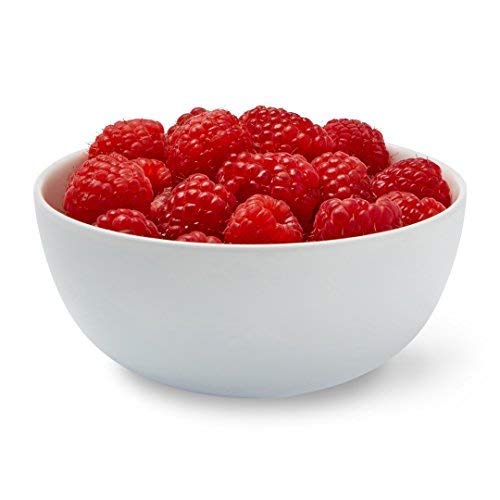


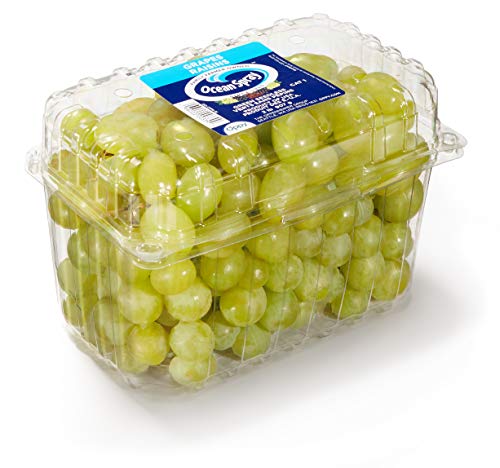


Popular brands in Fresh Fruits
Fresh fruit can be a convenient snack, a breakfast ingredient, a dessert component, or a flavorful addition to salads and cooked dishes. Because freshness and handling can vary by fruit, comparing product details helps you choose options that suit your plans and how quickly you expect to use them.
K-Catalog brings together fresh fruit listings so shoppers can review available specifications and features in one place. Use the information provided for each product to check the fruit type, presentation, packaging, and other details before clicking through to Amazon.
How to choose fresh fruit
Start with how you plan to use the fruit. Fruit for immediate snacking may be chosen differently from fruit intended for smoothies, baking, garnishes, lunch boxes, or entertaining. The right choice depends on ripeness, portion needs, texture, and how long the fruit must be stored.
Consider these points as you compare listings:
- Fruit type: Choose familiar everyday fruit or try tropical, specialty, or seasonal varieties.
- Ripeness: If stated, ripeness information can help you decide whether the fruit is ready to eat or may need additional time.
- Quantity and format: Compare individual pieces, grouped packaging, and prepared formats when those details are provided.
- Size and appearance: Product descriptions may identify fruit size, color, grade, or other visual characteristics.
- Storage needs: Check whether the listing provides guidance about refrigeration, room-temperature storage, or handling.
- Use-by considerations: Fresh produce is perishable, so consider delivery timing and how soon the fruit will be consumed.
For broader produce shopping, browse Produce and compare fresh fruit with other items in the category.
Types of fresh fruit to compare
Fresh fruit listings can cover several practical groups, each suited to different meals and preferences.
Everyday snack fruit
Apples, pears, citrus, grapes, and similar options are often selected for simple snacking, packed lunches, or fruit bowls. Compare texture, size, packaging, and storage information to find a practical fit for your household.
Berries and delicate fruit
Berries and other soft fruit can work well in yogurt, cereal, desserts, and smoothies. Their delicate texture makes packaging, handling, and freshness details especially useful to review. Choose quantities that match your expected use to reduce waste.
Stone fruit
Peaches, nectarines, plums, cherries, and related fruit are useful for snacking, salads, baking, and seasonal recipes. Pay attention to any available ripeness information, since texture and readiness can affect how the fruit is used.
Tropical and specialty fruit
Mangoes, kiwifruit, pineapples, melons, and other less traditional choices can add variety to breakfast, drinks, desserts, and savory dishes. Compare preparation requirements, serving size, and storage guidance when choosing among them.
If shelf-stable fruit is a better fit for your pantry, see Dried Fruits & Vegetables. For prepared options, Packaged Produce may be more suitable.
Key features and specifications
Product details are particularly important for fresh food because the same broad fruit category can include different formats and handling requirements. Look for the following information where available:
- Whole or prepared: Whole fruit may offer more flexibility, while washed, trimmed, sliced, or otherwise prepared formats can reduce preparation time.
- Packaging: Packaging can affect portability, protection during delivery, and how easily the fruit can be stored after opening.
- Origin or growing information: If listed, origin details can help shoppers understand where the produce was sourced.
- Organic or specialty labels: Review the exact product description and labeling rather than assuming a fruit has a particular certification or production method.
- Allergen and handling information: People with food sensitivities should check the listing and packaging information carefully.
- Serving and preparation guidance: Some fruits require peeling, cutting, pitting, or removal of seeds before serving.
Fresh produce may look or feel different from one item to another. Product descriptions can help set expectations, but shoppers should also review the current listing details before ordering.
Brands represented in the catalog
The Fresh Fruits catalog includes listings associated with PRODUCE, PRODUCE-WFM, Produce (Brands May Vary), produce aisle, Oppenheimer Group, DRISCOLL, Rainier Fruit, 365 By Whole Foods Market, Domex Superfresh Growers, Melissa's, Zespri, and Tropical Importers. These names are represented in the catalog, so compare the specifications and handling details of individual listings rather than relying on a brand name alone.
Related produce categories
Fresh fruit pairs naturally with other produce when planning meals, snacks, and recipes. Compare Fresh Vegetables for salad and cooking ingredients, or browse Fresh Herbs for garnishes and flavor. Shoppers looking for plant-based meal components can also explore Vegetarian Proteins.
Tips for storing and using fresh fruit
Read the product’s storage instructions and plan to refrigerate or leave fruit at room temperature as directed. Keep delicate produce protected from crushing, wash fruit according to the product guidance before eating, and prepare only what you expect to use soon. When combining fruit in a bowl or container, consider differences in firmness and ripeness so softer items are not damaged.
Before selecting a listing, confirm the format, quantity, preparation status, and any delivery or handling information shown on the product page. Availability and product details can change, so check the current information on Amazon before purchase.
Frequently asked questions
How should I choose fresh fruit for snacking?
Consider fruit that matches your preferred texture, preparation time, and storage space. Compare ripeness, size, packaging, and quantity before choosing.
What should I check when buying delicate fruit?
Review packaging, handling, freshness, and storage information. Select a quantity that can be used within the expected storage period.
Is whole fruit better than prepared fruit?
Neither format is universally better. Whole fruit offers preparation flexibility, while prepared fruit may save time. Compare the format with your intended use.
How can I compare fruit for recipes?
Check the fruit type, quantity, ripeness, preparation needs, and any size or serving information. These details can help determine whether a listing suits baking, smoothies, salads, or desserts.
Should fresh fruit be refrigerated?
Storage depends on the fruit and the product’s instructions. Follow the guidance provided with the listing or packaging, and handle perishable produce promptly.