

Vegetarian Proteins
Compare vegetarian proteins by ingredients, format, texture, and storage needs. This K-Catalog selection helps shoppers evaluate options for cooking, meal planning, and everyday pantry use.
55 products in catalog
55 results
Filters


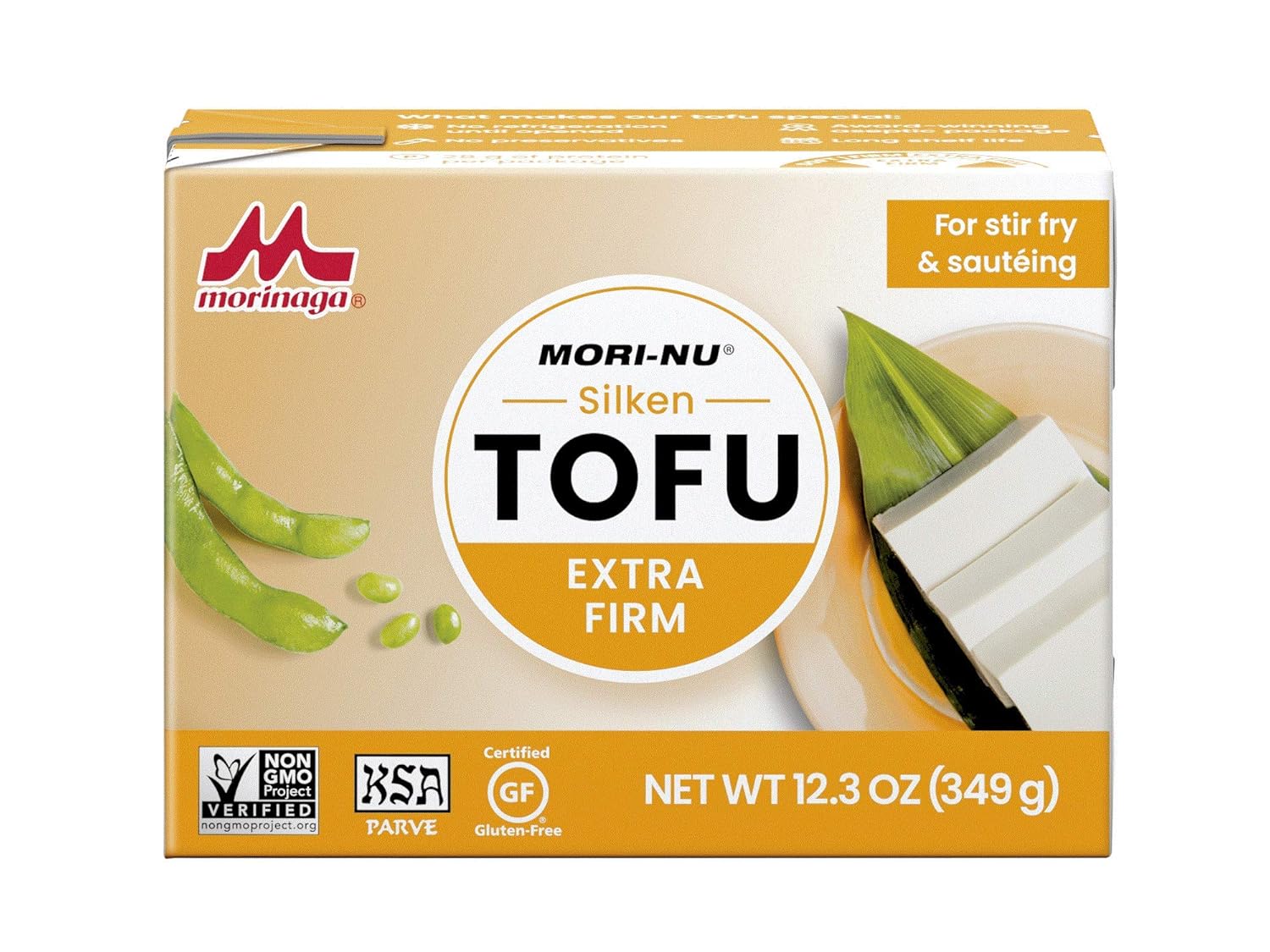


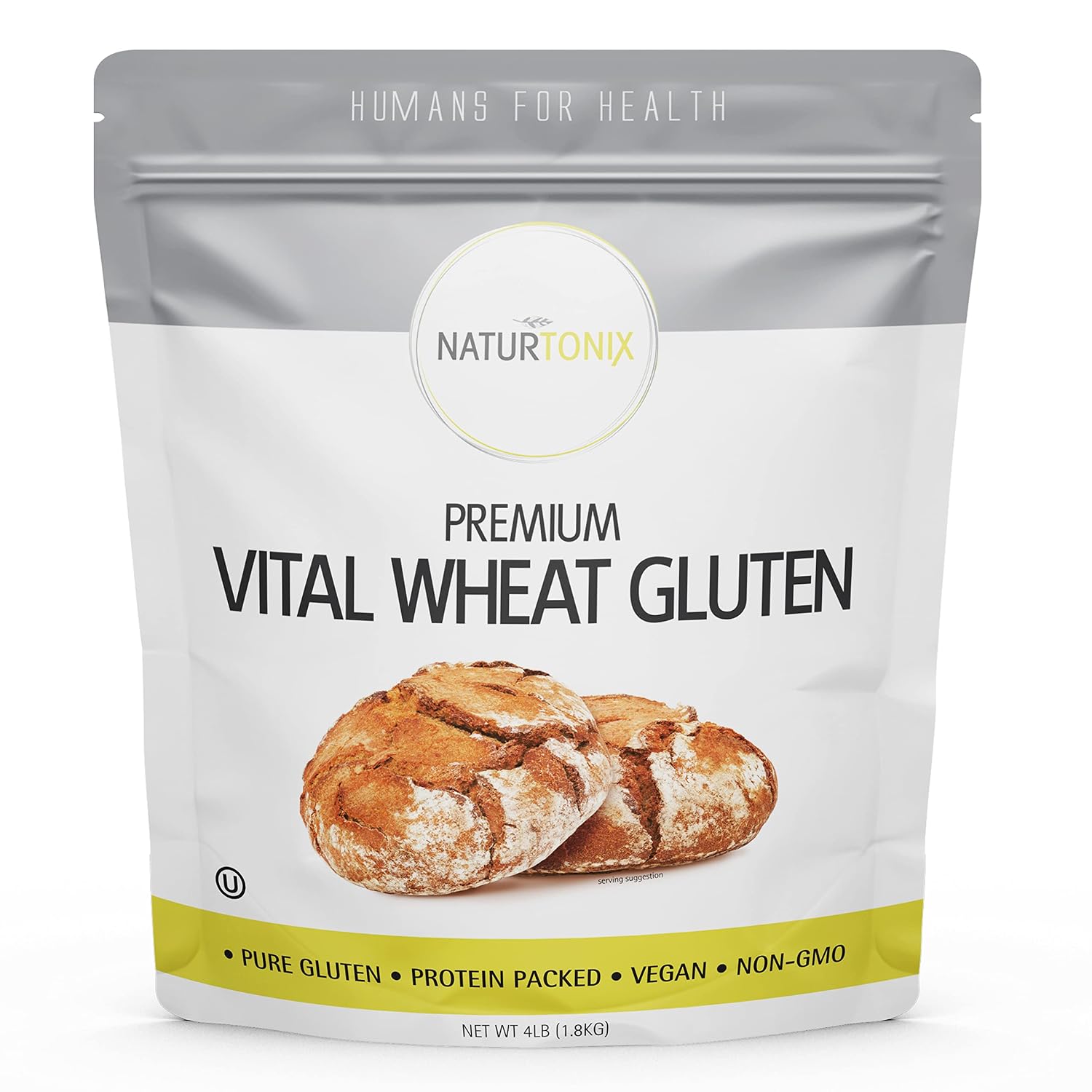

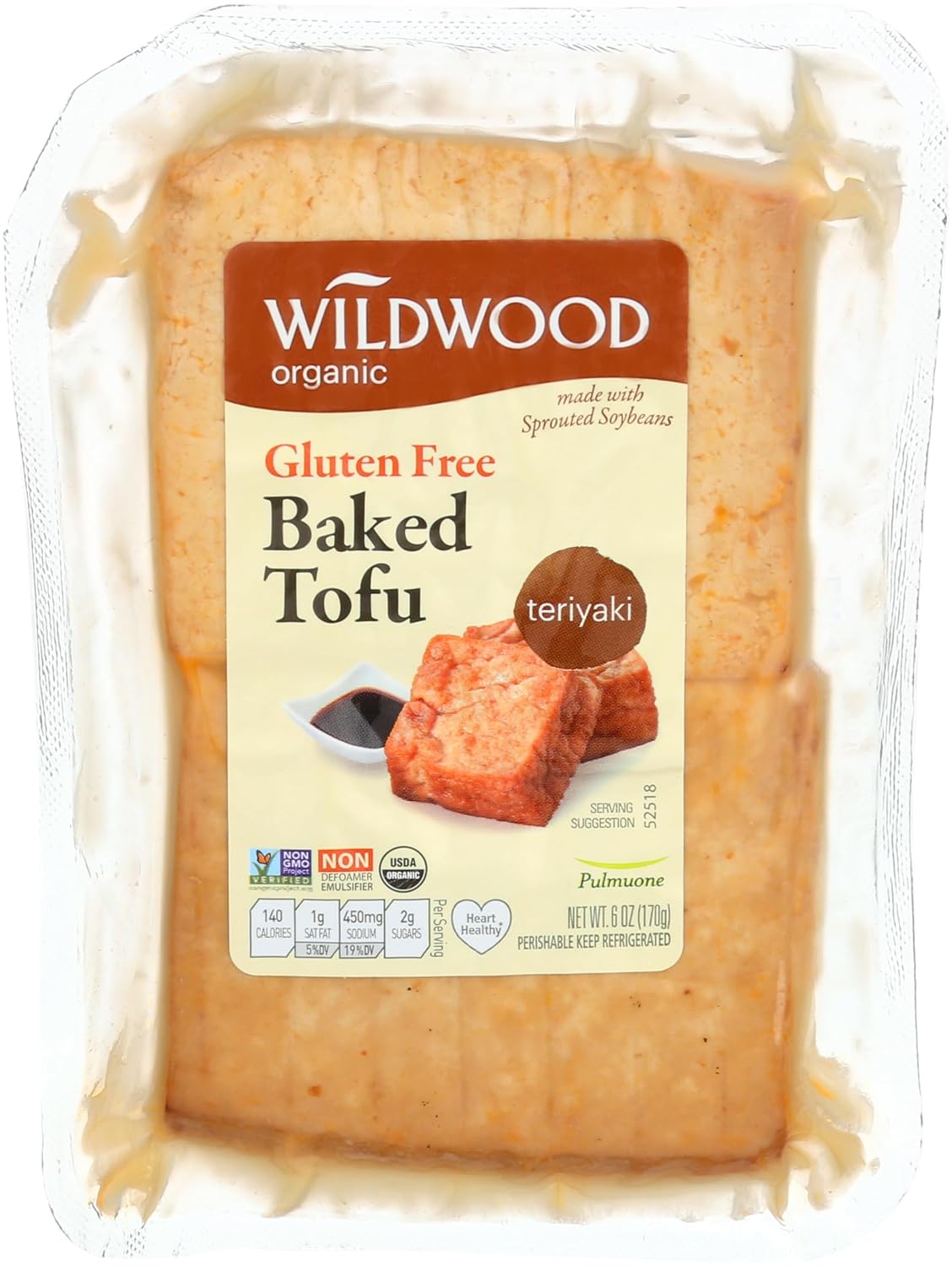


365 By Whole Foods Market
365 by Whole Foods Market, Tofu Extra Firm Organic, 14 Ounce
See current price


Soymerica
Soymerica Tofu Coagulant - 200g Premium Glucono Delta Lactone (GDL). Food Grade. 100% Product of USA
See current price
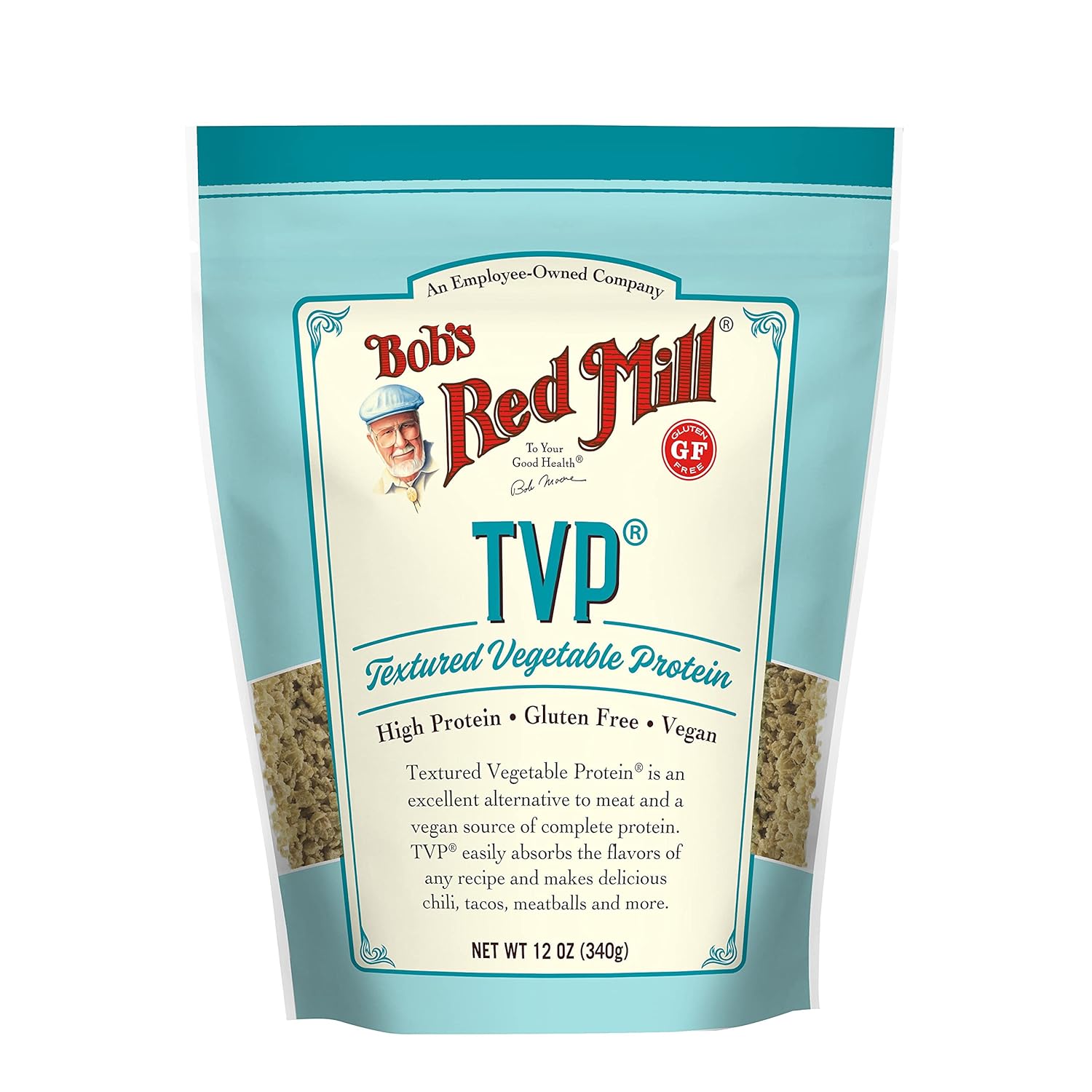


Popular brands in Vegetarian Proteins
Vegetarian proteins can add substance, texture, and variety to meals without relying on meat. The category may include products made from soy, grains, legumes, or other plant-based ingredients, with formats ranging from ready-to-use refrigerated foods to shelf-stable pantry products.
When comparing options, start with how you plan to use them. A firm product may work well in stir-fries or grilling, while a softer format can suit soups, sauces, scrambles, and blended recipes. Check the product details carefully because ingredients, preparation requirements, packaging, and storage can vary.
How to choose vegetarian proteins
Consider these factors before selecting a product:
- Intended recipe: Decide whether you need a protein for crumbling, slicing, cubing, baking, blending, or adding directly to a prepared dish.
- Texture: Firm, extra-firm, soft, chewy, and ground-style textures behave differently during cooking. Texture can be especially important when replacing meat in a familiar recipe.
- Ingredients: Review the ingredient list for the main protein source, seasonings, binders, oils, grains, and potential allergens. Soy and wheat are common ingredients in some vegetarian protein products.
- Preparation: Some products can be served after simple heating, while others may need pressing, marinating, soaking, draining, or cooking from scratch.
- Storage: Refrigerated, frozen, and shelf-stable products have different storage requirements. Confirm the package instructions and plan around the available space in your kitchen.
- Nutrition details: Compare the nutrition label for protein, fiber, sodium, fat, serving size, and other details that matter to your diet.
Common types to compare
Because vegetarian proteins can be made in several ways, comparing the product format is often as useful as comparing the primary ingredient.
Tofu and other soy-based foods are versatile choices for bowls, stir-fries, soups, sandwiches, and blended dishes. The firmness affects how well a product holds its shape and how much moisture it releases during cooking. Silken-style products are often better suited to sauces, desserts, and smoothies, while firmer varieties can be pressed, marinated, and seared.
Tempeh-style products have a denser, more substantial texture and can be sliced, cubed, or crumbled. They may work well in sandwiches, grain bowls, and skillet recipes where a hearty bite is useful.
Textured or formed plant proteins can be designed to resemble crumbles, strips, patties, or other familiar meal components. Check whether the product is seasoned, plain, ready to heat, or intended to be combined with a recipe.
Legume- and grain-based options may include ingredients such as beans, peas, lentils, or wheat. These can be useful in patties, mixes, and prepared dishes, but the texture and cooking method depend on the formulation.
For ingredients to serve alongside a vegetarian protein, browse Fresh Vegetables, Fresh Herbs, and Packaged Produce. The wider Produce category can also help when planning a complete shopping list.
Key specifications and features
Product details are worth comparing even when two options appear similar. Look for the following information:
- Protein source and formulation: Identify whether the product is primarily soy, wheat, legumes, grains, or a combination.
- Plain versus seasoned: Plain products offer more control over marinades and sauces. Seasoned choices may be more convenient for quick meals.
- Serving and package format: Note whether the food is sold as a block, pouch, crumbles, slices, pieces, or a dry mix.
- Cooking instructions: Check recommended methods such as pan-frying, baking, steaming, microwaving, or simmering.
- Dietary suitability: Review statements and ingredients for vegetarian, vegan, gluten-free, organic, or allergen-related needs rather than relying only on the product name.
- Moisture and draining: Products with significant moisture may require draining or pressing for better browning and texture.
Brands represented in the catalog
The catalog includes vegetarian protein products from House Foods, Mori-Nu, 365 By Whole Foods Market, Pulmuone Foods USA, Inc., Soymerica, HOdo, Green Leaf Foods, Cultures For Health, Jennys Tofu, Naturtonix, Bob's Red Mill, and Pulmuone Foods USA. Brand availability can vary by product type, so compare each listing’s ingredients, format, preparation guidance, and storage information rather than choosing by brand name alone.
Storage and preparation tips
Keep refrigerated or frozen products stored according to their package directions, and check whether an opened package has different handling instructions. Shelf-stable products should be stored in a cool, dry place until opened when the label permits.
For better texture, drain wet products thoroughly and use the cooking method suited to the specific format. Pressing, marinating, or seasoning can improve firm soy-based foods, while delicate products may need gentle handling to prevent breaking. Always follow the package’s cooking and food-safety guidance.
If you are comparing vegetarian proteins for a broader meal plan, Dried Fruits & Vegetables can provide pantry ingredients, while Fresh Fruits offers options for sides, snacks, and balanced meals.
Frequently asked questions
What are vegetarian proteins?
Vegetarian proteins are foods made from plant-based ingredients or other non-meat sources that can contribute protein and substance to meals. Formats and ingredients vary widely.
Is tofu the same as every soy-based protein?
No. Soy-based products can differ in firmness, moisture, processing, seasoning, and intended use. Always check the product details and preparation instructions.
How do I choose between refrigerated and shelf-stable products?
Choose based on how soon you plan to use the product, your available storage, and the preparation format you prefer. Check package instructions for storage after opening.
Which vegetarian protein is best for stir-fries?
Firm or extra-firm formats often hold their shape well in a stir-fry, but the best choice depends on the recipe and the texture you prefer.
Should I compare nutrition labels?
Yes. Compare serving size, protein, fiber, sodium, fat, and ingredients to find an option that fits your dietary preferences and meal plan.