

Packaged Produce: Compare Types and Features
Compare packaged produce by format, preparation level, ingredients, storage needs, and serving size. K-Catalog helps you review product specifications before checking availability on Amazon.
433 products in catalog
433 results
Filters
Availability
Brand
Price

365 By Whole Foods Market
365 by Whole Foods Market, Romaine Hearts Salad Bag Organic, 12 Oz, 3 Ct
See current price


365 By Whole Foods Market
365 by Whole Foods Market, Carrot Baby Peeled Bag, 32 Ounce
See current price


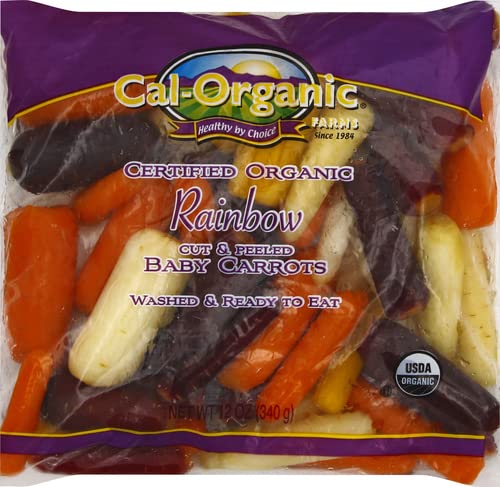


365 By Whole Foods Market
365 by Whole Foods Market, Shaved Brussels Sprouts, 12 Ounce
See current price


365 By Whole Foods Market
365 by Whole Foods Market, Organic Italian Salad, 10 Ounce
See current price


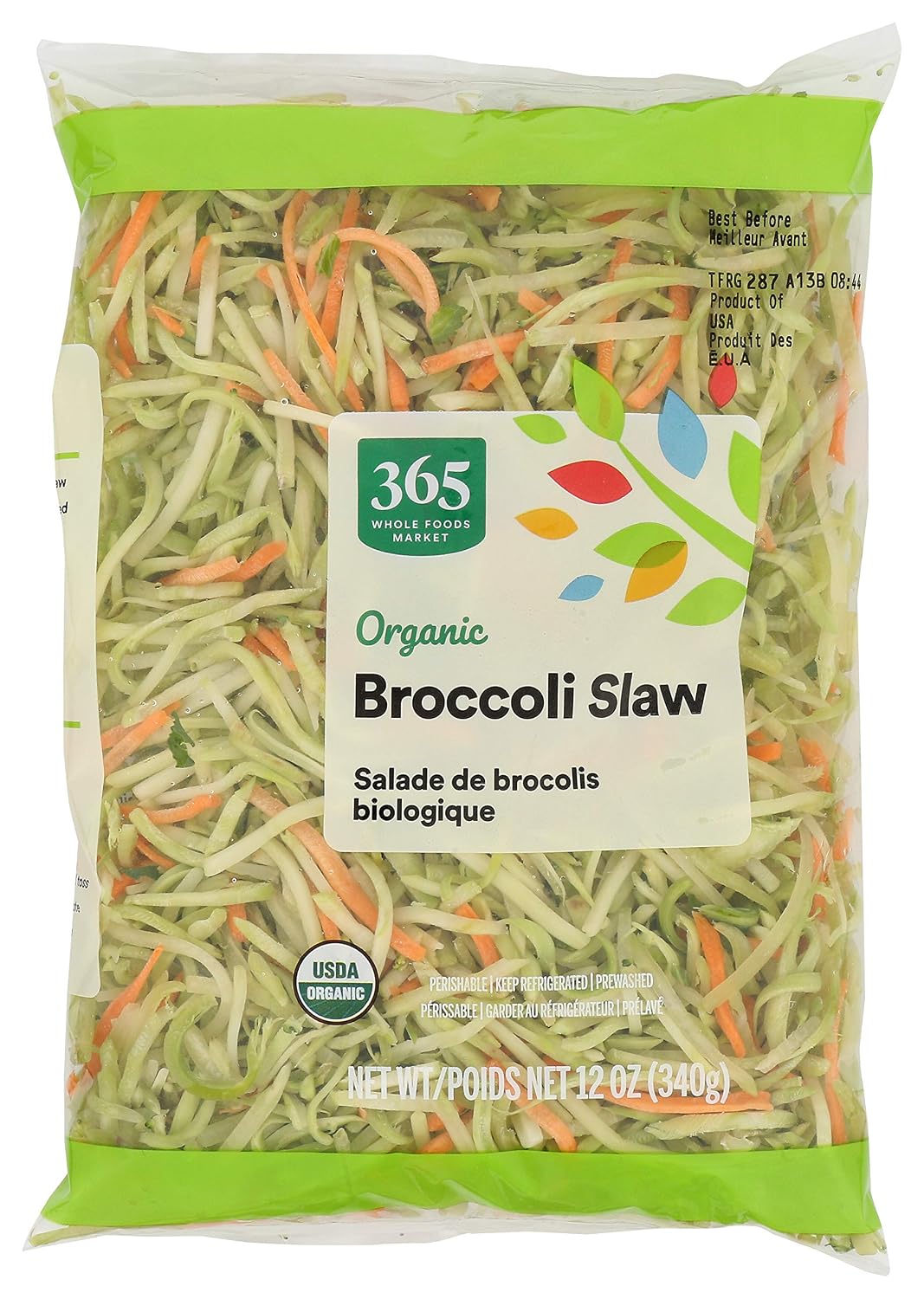
365 By Whole Foods Market
365 by Whole Foods Market, Organic Broccoli Slaw, 12 Ounce
See current price


365 By Whole Foods Market
365 by Whole Foods Market, Trimmed Brussels Sprouts, 12 oz
See current price


365 By Whole Foods Market
365 by Whole Foods Market, Salad Bag Arugula Organic, 5 Ounce
See current price

365 By Whole Foods Market
365 by Whole Foods Market, Organic Salad Kit, Kale Caesar, 9.25 Ounce
See current price
Popular brands in Packaged Produce
Packaged produce can make it easier to plan meals, prepare snacks, or keep useful ingredients on hand. The category may include produce that is washed, trimmed, cut, combined, preserved, or otherwise prepared for convenient use, so comparing the package format is an important first step.
K-Catalog brings together packaged produce listings so shoppers can compare specifications and features in one place. Use the product information to check what is included, how it should be stored, and whether the format matches the way you plan to serve it.
How to choose packaged produce
Start with the job the product needs to do. A ready-to-use option may suit salads, lunches, and quick side dishes, while a less-prepared format may offer more flexibility for cooking. If the product is intended for a specific recipe, check the ingredient list and preparation instructions rather than relying only on the product name.
Consider these questions before selecting a listing:
- What is the format? Look for whole, cut, mixed, cooked, frozen, canned, dried, or otherwise preserved produce when the listing specifies it.
- How much preparation is needed? Check whether washing, draining, thawing, peeling, or cooking is required.
- How will it be stored? Storage directions can differ considerably between refrigerated, frozen, and shelf-stable products.
- How will it be used? A snack, smoothie ingredient, meal component, garnish, or cooking ingredient may call for a different format.
- What ingredients are included? Mixed products may contain dressings, sauces, seasonings, sweeteners, preservatives, or other additions.
For a broader look at the parent category, browse Produce, or compare packaged items with Fresh Vegetables and Fresh Fruits.
Packaged produce formats to compare
Packaged produce is not a single preparation style. Product pages can vary by the amount of handling and preservation involved, so read the specifications closely.
Ready-to-use produce
Cut vegetables, salad components, fruit portions, and mixed produce can be convenient when minimizing prep is a priority. Compare the cut style, included ingredients, serving format, and storage instructions. Products intended for immediate use may have different handling requirements from whole produce.
Preserved or shelf-stable produce
Canned, jarred, dried, or otherwise preserved options can be useful for pantry planning and recipes that do not require fresh texture. Compare the preservation method, liquid or seasoning details, ingredient list, and directions for storing an opened package. For dried options, check whether rehydration is recommended.
Frozen produce
Frozen formats may be suited to cooking, smoothies, or keeping ingredients available beyond a single meal. Check whether the product is whole, cut, mixed, seasoned, or prepared, along with thawing and cooking guidance. Packaging details can also indicate whether the item is designed to be resealed.
Features and specifications that matter
Packaging and preparation details often determine whether a product fits your routine. Compare the listed net quantity and serving information, but also consider how much usable produce you expect from the package. For mixed products, review the full contents to confirm that the combination suits your preferences.
Other useful details include:
- Ingredient and allergen information, especially for seasoned or prepared products
- Organic labeling or other production descriptions when stated in the listing
- Refrigeration, freezing, or pantry-storage requirements
- Preparation, cooking, thawing, or serving instructions
- Package type, resealability, and portability
- Whether the product is plain or includes dressing, sauce, seasoning, or sweetener
If texture is important, the format and preservation method may matter as much as the produce itself. Fresh-cut, frozen, canned, and dried products can serve different culinary purposes, so compare them based on the planned recipe rather than treating them as interchangeable.
Brands represented in the catalog
The catalog includes packaged produce listings associated with PRODUCE, 365 By Whole Foods Market, PRODUCE-WFM, RFG, Taylor Farms, Whole Foods Market, Produce (Brands May Vary), produce aisle, AeroFarms, Pero Family Farms, organicgirl, and Earthbound Farm. Brand availability and product details can vary by listing. Compare the actual ingredients, package information, and preparation guidance for each item instead of choosing by brand name alone.
Shoppers looking for alternatives by food type may also want to browse Dried Fruits & Vegetables, Fresh Herbs, or Vegetarian Proteins.
Storage and handling tips
Follow the product’s own storage and preparation directions, particularly when the package has been opened. Keep refrigerated or frozen products in the appropriate conditions, and check whether the instructions call for resealing, transferring, draining, thawing, or cooking.
For products used in meal preparation, keep ready-to-eat items separate from ingredients that require cooking. Use clean utensils and surfaces, and pay attention to any date or handling information shown on the package. When comparing listings, prioritize clear storage instructions if the product will be kept for later use.
Frequently asked questions
What counts as packaged produce?
Packaged produce generally refers to produce sold in a prepared, combined, preserved, or packaged format. The exact range varies by listing, so check each product’s ingredients and specifications.
Is packaged produce ready to eat?
Some products may be ready to eat, while others require washing, draining, thawing, or cooking. Always follow the preparation directions provided with the specific item.
How should I compare packaged produce with fresh produce?
Compare preparation time, storage requirements, texture, ingredients, and intended use. Fresh Vegetables and Fresh Fruits can be useful comparison categories when you prefer less-processed formats.
What should I check in a mixed produce package?
Review the complete ingredient list, included sauces or seasonings, cut style, storage directions, and serving information. This helps confirm that every component fits your meal plan.
Are dried fruits and vegetables part of the same category?
They may be listed separately depending on the product format. For a more focused comparison, visit Dried Fruits & Vegetables.