
Lisle
Lisle 35800 Tools Blue, Yellow, red, Green, Orange, Silver Aluminum Disconnect Set
See current price

Compare fuel system tools by their intended repair, vehicle compatibility, fittings, pressure capabilities and construction before choosing equipment for the job.
71 products in catalog
71 results
Lisle
See current price

Berryman Products
See current price


Bar's Leaks
See current price

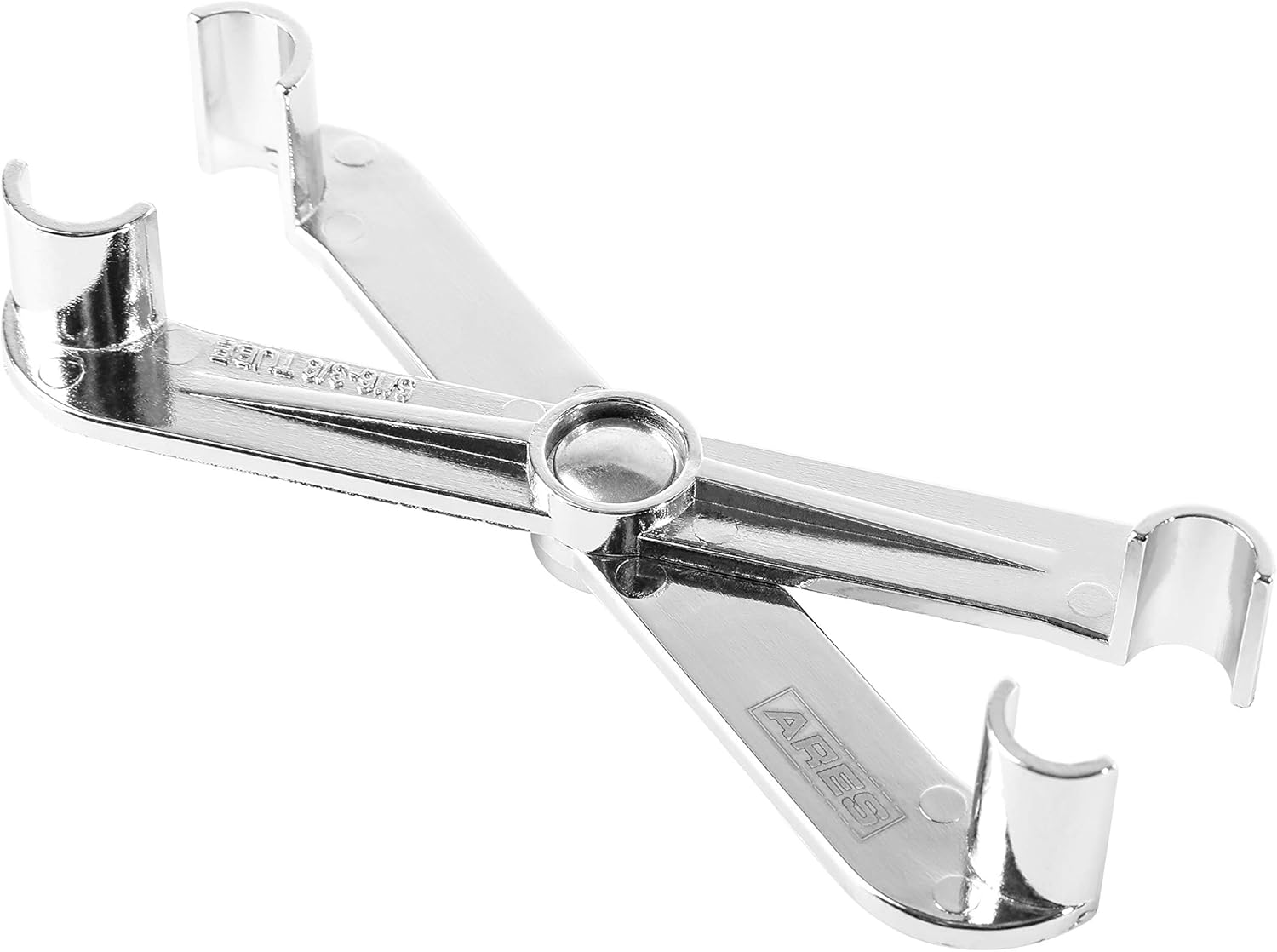


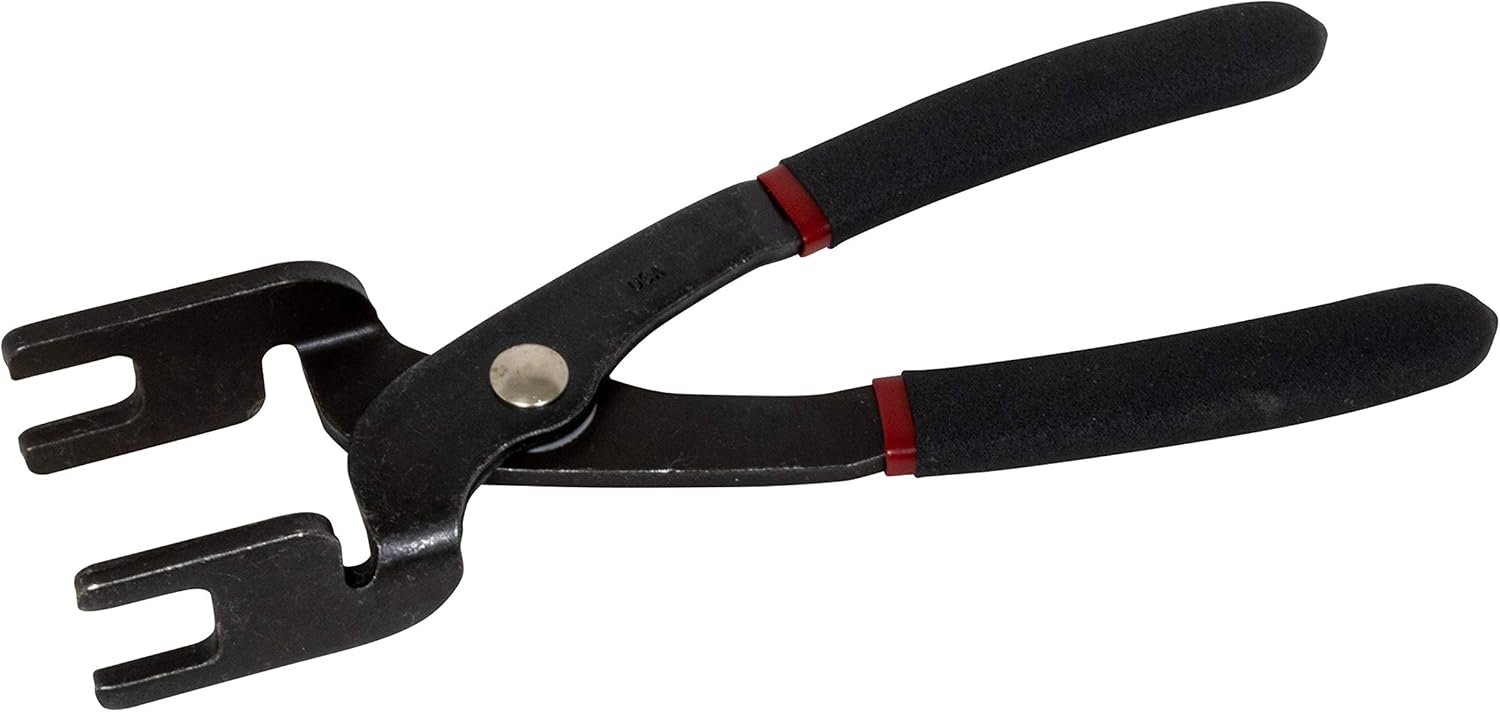

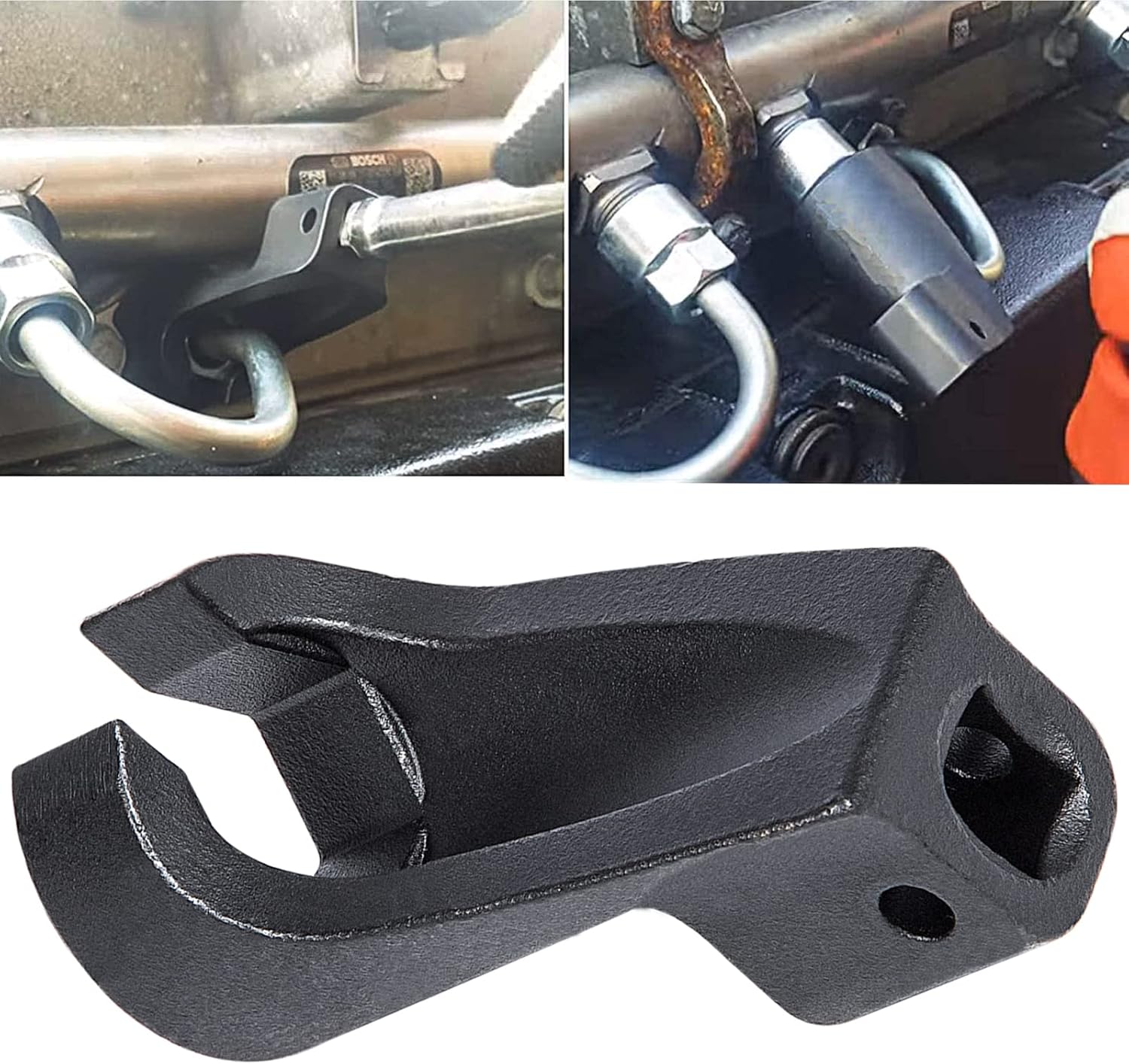
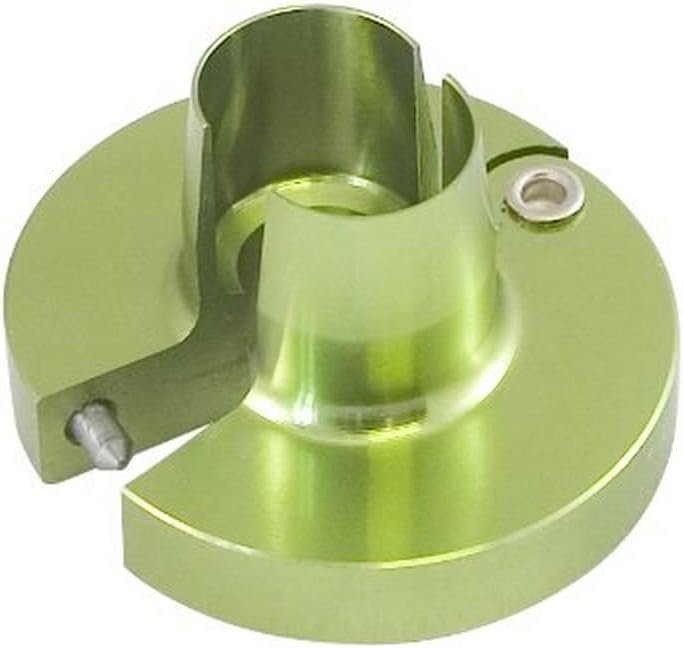
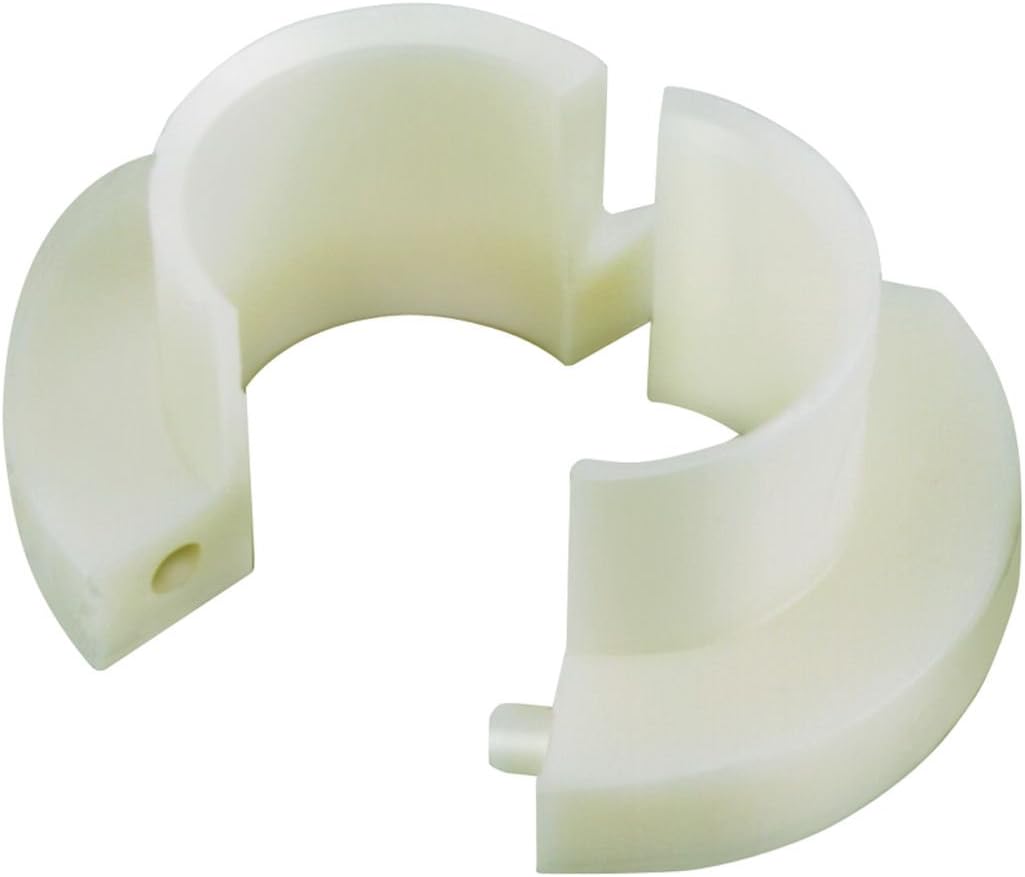


Fuel system tools help with testing, servicing and diagnosing components that deliver fuel to an engine. The right tool can make tasks such as checking pressure, disconnecting lines or servicing fuel-system components more controlled and efficient.
K-Catalog organizes options from brands including Lisle, OTC, Dorman, ABN, AUTOOL and Orion Motor Tech. Use the product listings to compare specifications and features, then check the retailer listing for the latest availability and purchase details.
Start with the exact repair or diagnostic task. A pressure-testing kit is intended for a different job than a fuel-line disconnect tool, injector service accessory or tool for removing a fuel tank component. Choosing by application helps avoid buying a tool that lacks the required adapter or connection type.
Consider these factors before selecting a product:
Fuel system tools cover several kinds of maintenance and diagnostic work. Common options include:
For broader workshop equipment, browse Tools & Equipment or compare related Garage & Shop products.
Compatibility is usually more important than the number of accessories in a kit. Match the tool to the vehicle’s fuel-system design, connector type and service instructions. For pressure testers, compare the gauge range, unit markings, hose length and pressure-release arrangement. For disconnect tools, check the required diameter and connector format.
If a kit includes adapters, review the complete list rather than assuming universal fit. Photos can help identify fittings, but written specifications should take priority. Also consider whether the tool is intended for professional shop use, occasional home maintenance or a specific vehicle group.
When a fuel-system issue may involve electrical signals, sensors or broader engine diagnostics, Diagnostic, Test & Measurement Tools may be a useful related category to explore.
The Fuel System Tools catalog includes products from Lisle, OTC, Dorman, ABN, AUTOOL, Bar's Leaks, Orion Motor Tech, YOTOO, A ABIGAIL, ARES, AutoLine Pro and Glarks. These brands offer different approaches to tool design, kit contents and intended use. Compare each product’s specifications and included components rather than choosing by brand name alone.
Fuel-system work requires care because fuel can be flammable and components may be pressurized. Follow the vehicle manufacturer’s service procedure and the tool instructions. Work in a well-ventilated area, keep ignition sources away and use appropriate eye and hand protection.
Relieve pressure only as directed for the vehicle and tool. Inspect hoses, seals and fittings before use, and stop if a connection does not seat securely. Keep absorbent materials available for small spills, dispose of fuel-contaminated materials properly and confirm that connections are secure before operating the vehicle.
Related workshop categories may also include Body Repair Tools, Jump Starters, Battery Chargers & Portable Power, Tire & Wheel Tools and Air Conditioning Tools & Equipment.
Compatibility with the vehicle and the specific repair should come first. Check the connector type, required fittings, pressure capability and intended service procedure.
Not necessarily. A tester may require a particular adapter, gauge range or hose connection. Review the included fittings and the vehicle application before selecting one.
They help release certain quick-connect fuel lines while reducing the risk of damaging the connector. The tool must match the connection style and size.
A kit can be useful when working on varied vehicles, but extra pieces do not guarantee compatibility. Compare the adapter list with the vehicles and repairs involved.
No. Fuel-system tools are designed for particular tasks, and some repairs require specialized equipment or procedures. Follow the service information for the vehicle and the tool manufacturer’s instructions.