

Hair Accessories for Every Style and Routine
Compare hair accessories for everyday styling, special occasions, organization, and protective wear. Use product specifications and features to find pieces that suit your hair type, routine, and preferred look.
7,720 products in catalog
7,720 results
Filters


Conair
Conair Pin & Match Bobby Hair Pins, Black Bobby Pins packed inside a Storage Container, 75ct
See current price





YOUXUAN
Youxuan 600-Pack Elastic Hair Ties Non-slip Rubber Hair Bands for Girls, Black
See current price


Popular brands in Hair Accessories
Hair accessories can make a practical difference in how hair is styled, secured, and organized. The right piece may help create a polished look, keep hair away from the face, add decoration, or simplify a routine without relying on heat or chemical products.
K-Catalog brings together hair accessories from brands including WILLBOND, Goody, Scunci, SWEETV, Kitsch, Chuangdi, Hicarer, Syhood, Whaline, Funtopia, Elcoho, and CEELGON. Compare each product’s materials, dimensions, closure or grip design, intended use, and care instructions before choosing.
How to choose hair accessories
Start with the job the accessory needs to perform. A simple elastic may be suited to ponytails and buns, while a claw clip can provide a faster updo. Headbands and wraps may be useful for keeping hair away from the face, and decorative pieces can add detail to an otherwise simple style.
Your hair’s length, thickness, texture, and condition also matter. Fine hair may need a lighter accessory with a secure but gentle grip. Thick or long hair may require a larger opening, a stronger closure, or a wider band. Curly and textured hair can benefit from designs that reduce snagging and avoid excessive compression.
Consider when and where the accessory will be used. An everyday piece should be comfortable for extended wear and easy to remove. Accessories for formal styling may prioritize appearance, while pieces for exercise, travel, or sleep may need a stable fit and a low-profile design.
Types of hair accessories to compare
Because hair accessories cover many different designs, comparing the construction and intended use is more useful than choosing by appearance alone.
- Hair ties and elastics: Useful for ponytails, braids, buns, and sectioning. Compare stretch, thickness, surface texture, and whether the design is intended to minimize pulling or snagging.
- Claw clips and barrettes: These can secure sections or gather hair into an updo. Check the clip opening, teeth or gripping structure, hinge construction, and whether the size matches the amount of hair being held.
- Headbands and hairbands: These range from understated daily styles to decorative options. Look at width, flexibility, inner grip, and pressure around the head.
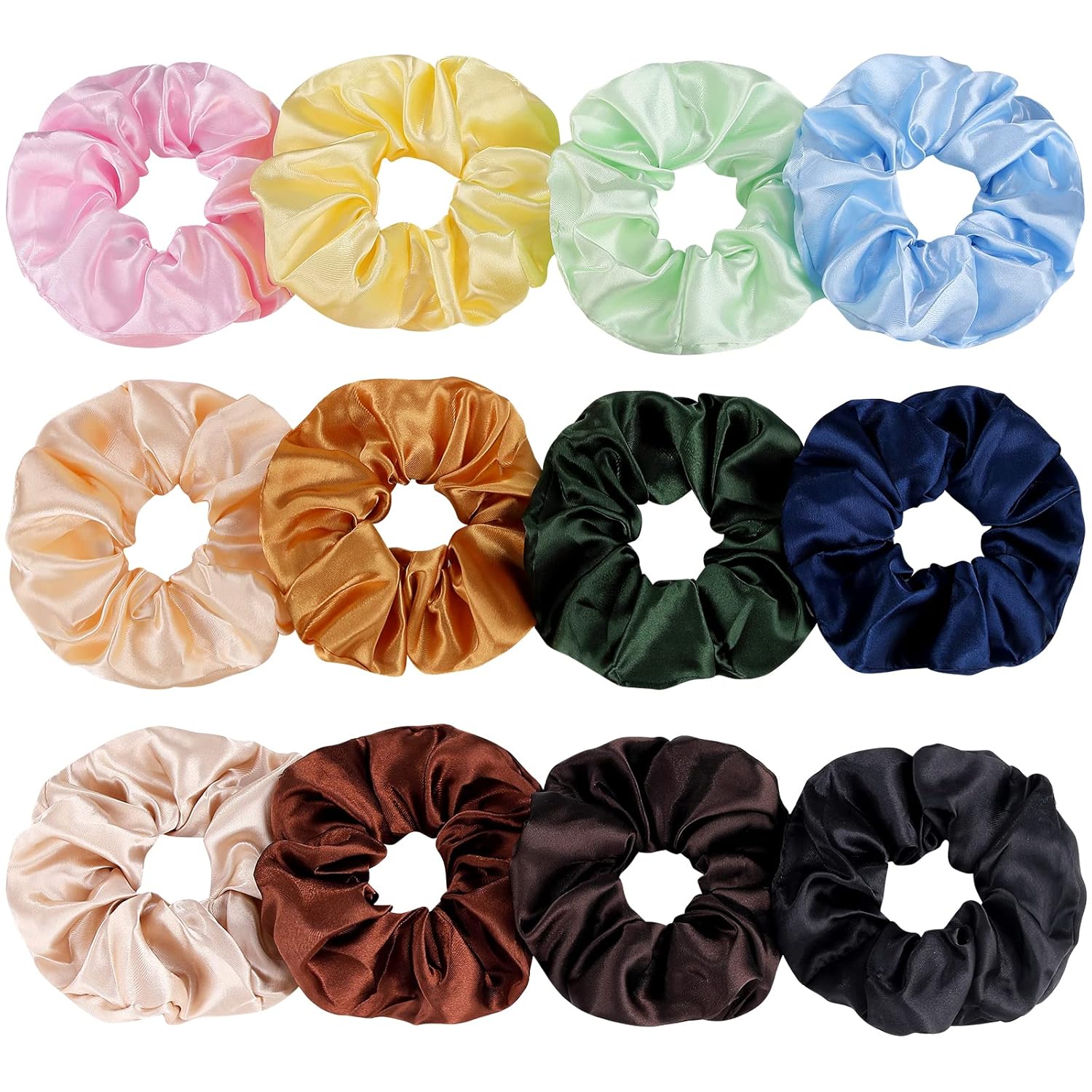
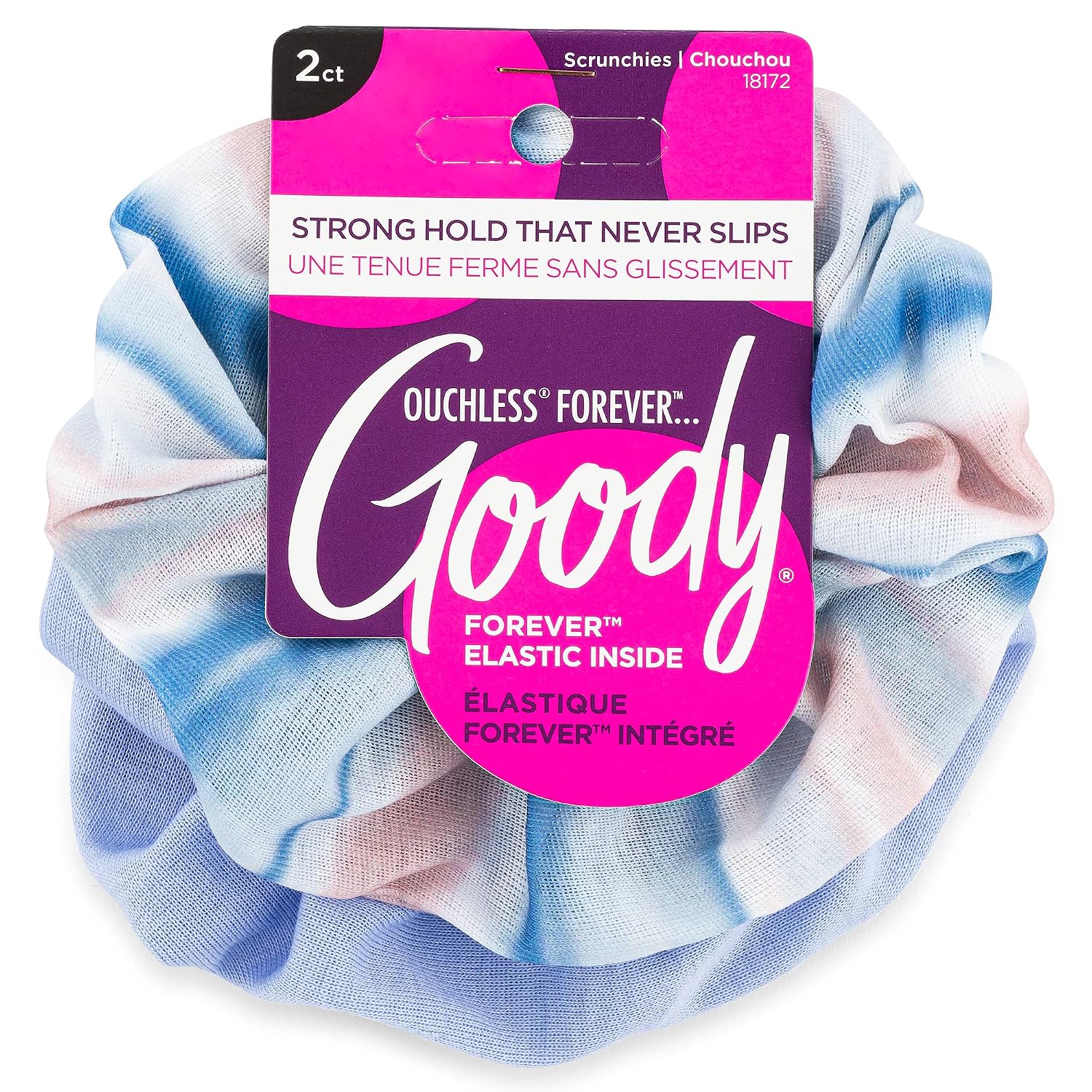
- Scrunchies and fabric-covered ties: A fabric covering can change the look and feel of an elastic. Compare the fabric, stretch, size, and how much hair the tie is designed to hold.
- Hair pins, combs, and decorative clips: These can add detail or help anchor a style. Pay attention to the length of the pins, the spacing of the teeth, and how securely the piece closes or stays in place.
- Hair wraps, scarves, and protective accessories: These may be used for styling, covering, or reducing friction during rest and daily activities. Compare the fabric, dimensions, closure method, and care requirements.
For related products beyond this category, browse Hair Extensions, Wigs & Accessories. It may be a useful destination when you are looking for accessories designed to work alongside extensions, wigs, or hairpieces.
Key features and specifications
Product photos can show color and overall shape, but specifications reveal whether an accessory is likely to fit your routine. Compare the following details where they are provided:
- Material: Common materials can affect softness, flexibility, grip, durability, and care. Fabric, plastic, metal, silicone, and blended constructions may each feel different in the hair.
- Dimensions: Length, width, diameter, and opening size help indicate how much hair an item can accommodate. Check measurements rather than relying only on labels such as small, medium, or large.
- Closure and grip: Look for information about elastic stretch, snap closures, clips, combs, teeth, or other securing elements. A firm hold is not always the same as a comfortable hold.
- Weight and profile: A bulky or heavy accessory may be less suitable for prolonged wear. A low-profile design can be more practical under hats, helmets, or other headwear.
- Finish and edges: Smooth edges and covered components may be more comfortable and less likely to catch on hair. Inspect the product description for construction details when this is important to you.
- Color and decoration: If the accessory is part of an outfit or event look, compare color, pattern, finish, and embellishments. Neutral tones may be more versatile, while decorative options can serve as a focal point.
- Care instructions: Some accessories can be wiped clean, while others may require gentle hand washing or careful storage. Follow the instructions provided with the product.
Hair care products can complement accessories but serve different purposes. For cleansing and conditioning, see Shampoo & Conditioner. For heat-based styling, compare Styling Tools & Appliances, while Styling Products covers products used to shape, smooth, hold, or finish hair.
Matching accessories to hair type and routine
Fine or fragile hair may be more comfortable with smooth, lightweight accessories and gentle removal. Avoid choosing solely by maximum hold; excessive tension can be inconvenient or uncomfortable. Look for a design that secures the intended style without needing to be pulled tightly.
Thick, long, or highly textured hair often needs more room and structural support. Check the accessory’s opening, stretch, teeth, or clasp design. If you are building a bun or updo, consider whether the product is designed to hold all the hair or only a section.
For curly or coily hair, the shape and release of the accessory can be especially important. Choose designs that are easy to remove without catching or compressing curls unnecessarily. For protective or overnight use, compare soft materials, coverage, and the ability to stay in place without feeling restrictive.
Keep a practical mix for different situations: a dependable everyday option, a gentler choice for relaxed wear, and a decorative piece for occasions when appearance matters most.
Brands and catalog comparison
The K-Catalog selection includes WILLBOND, Goody, Scunci, SWEETV, Kitsch, Chuangdi, Hicarer, Syhood, Whaline, Funtopia, Elcoho, and CEELGON. Brand familiarity can help narrow a search, but the specific product details should guide the final comparison. Products from the same brand can still differ in size, material, construction, and intended use.
When comparing similar listings, place the most relevant specifications side by side. Check what is included, whether the listed dimensions match your needs, and whether the design is intended for a particular styling method. If you need to cut or shape hair as well as style it, see Hair Cutting Tools. For color-related routines, Hair Coloring Products is a separate category to explore.
Care, storage, and everyday use
Remove accessories gently rather than pulling them through tangles. Store clips, pins, and decorative pieces where they will not bend, snag fabric, or collect dust. Keeping elastics and fabric accessories dry and clean can help them remain more pleasant to use.
Inspect items periodically for stretched elastic, cracked plastic, loose decorations, sharp edges, or damaged closures. Replace an accessory if it no longer holds securely or becomes uncomfortable. Avoid sharing items that contact the scalp unless they can be cleaned appropriately, and follow any product-specific care guidance.
Frequently asked questions
What hair accessory should I choose for everyday use?
Choose a comfortable, easy-to-remove design that matches the amount and texture of hair you usually wear up. Compare grip, stretch, dimensions, and surface finish rather than appearance alone.
How do I choose an accessory for thick hair?
Look for an appropriate opening or length, a secure closure, and enough structural support for the amount of hair being gathered. Product dimensions can provide a better guide than a general size label.
Which accessories are suitable for fine or delicate hair?
Lightweight designs with smooth surfaces and gentle tension may be more comfortable. Avoid excessive tightness and check that the accessory can be removed without pulling or snagging.
Are hair accessories suitable for curly or textured hair?
Many designs can work, but the best choice depends on the curl pattern, density, and style. Prioritize easy release, suitable capacity, and a grip that holds without unnecessary compression.
How can I compare similar hair accessories?
Compare material, dimensions, closure, grip, weight, care instructions, and intended use. Also check what is included and whether the accessory is designed for a full style or only a section of hair.