

Styling Tools & Appliances for Every Hair Routine
Compare styling tools and appliances by the features that affect control, comfort, and results. Explore options for drying, smoothing, curling, straightening, and everyday hair maintenance.
6,381 products in catalog
6,381 results
Filters


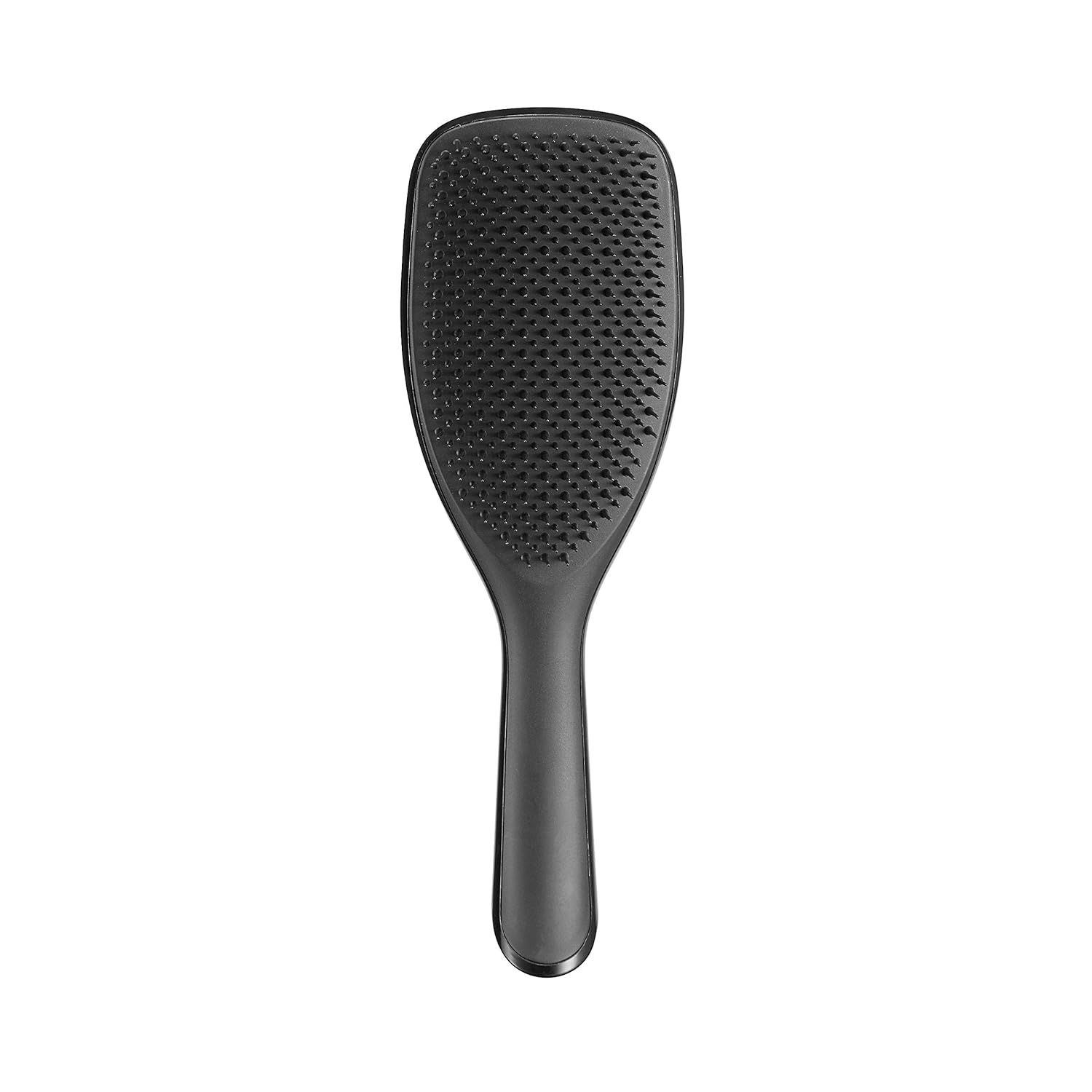
Denman
Denman D3 M Monsieur Hair Brush 7 Row Brush with Black Handle Black Rubber Pad
See current price

Revlon
Revlon Compact Hair Dryer | 1875W Lightweight Design, Perfect for Travel, (Yellow)
See current price


Revlon
Revlon One-Step Hair Dryer and Styler | Detangle, Dry, and Smooth Hair, (Pink)
See current price

Revlon
Revlon One-Step Hair Dryer and Styler | Detangle, Dry, and Smooth Hair, (Black)
See current price


VARTA Consumer Batteries GmbH & Co. KGaA Remington
Remington Haarglätter S8590 Keratin Therapy
See current price
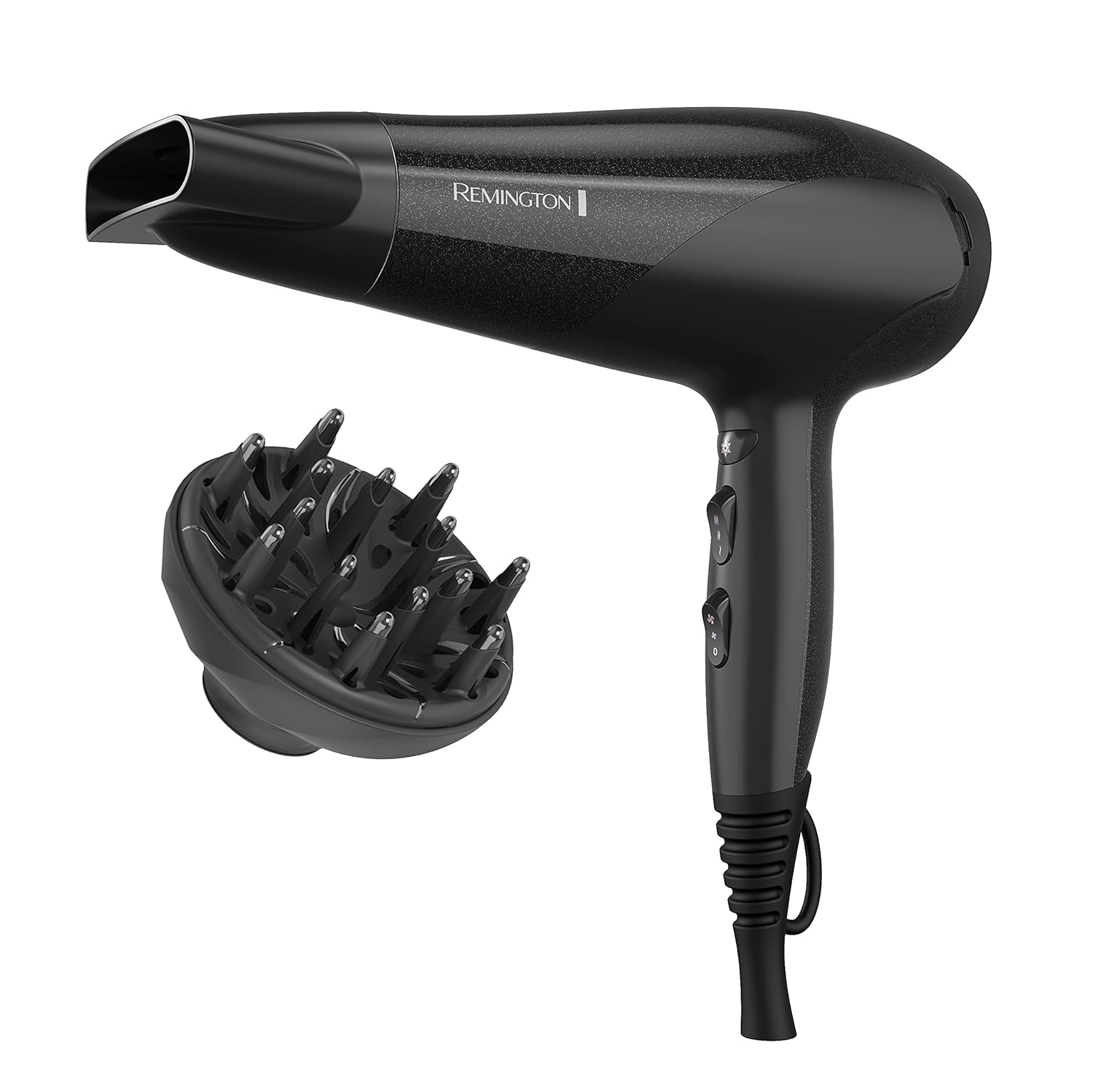
Remington
Remington Damage Protection Hair Dryer with Ceramic + Ionic + Tourmaline Technology, Black, 3 Piece Set
See current price

Revlon
Revlon Infrared Hair Dryer | 1875 Watts of Maximum Shine, Softness and Control, (Rose Gold)
See current price


Revlon
REVLON 1100 Watt 3 Heat 2 Speed Pro Collection One Step Ionic Hair Dryer and Volumizer
See current price


Popular brands in Styling Tools & Appliances
Styling tools and appliances can help with many parts of a hair routine, from quick drying and basic touch-ups to creating curls, waves, volume, or a smoother finish. The right choice depends on your hair type, preferred styles, available time, and how much control you want over heat and airflow.
This category brings together equipment with different designs, functions, and included accessories. Compare the specifications carefully so the tool fits both your routine and the way you normally style your hair. For products used with a particular hair type or finish, you may also want to browse the broader Hair Care category and related product groups.
How to choose styling tools and appliances
Start by identifying the main job the tool needs to perform. A dryer may be the most useful option for removing moisture and building volume, while a flat iron is intended for smoothing or creating controlled bends. Curling tools and wavers are designed for texture, and hot brushes can combine brushing with heat styling.
Consider these questions before comparing individual products:
- What style do you create most often? Choose a tool built around your usual result rather than occasional styling experiments.
- How much control do you need? Adjustable heat, airflow, speed, or styling modes can make it easier to adapt the tool to different sections of hair.
- Will you travel with it? Size, weight, cord design, and storage features can matter if the appliance will be used away from home.
- How long is your routine? A tool with useful attachments or a larger styling surface may help reduce the number of steps.
- What level of handling feels comfortable? Grip shape, button placement, balance, and overall weight affect ease of use.
If hair is frequently exposed to heat, look for a routine that includes suitable heat protection and careful temperature selection. A higher setting is not automatically the right setting for every hair type or style.
Main types to compare
Hair dryers and blow-drying tools
Hair dryers are useful for removing moisture, shaping the roots, and preparing hair for additional styling. Compare airflow and heat controls, included concentrators or diffusers, filter access, cord length, and the tool’s overall size. A concentrator can help direct airflow for a smoother finish, while a diffuser-style attachment may be useful for drying textured hair with less direct disturbance.
Flat irons and straighteners
Flat irons are commonly used to smooth hair or create bends and waves with controlled passes. Important specifications include plate material, plate width, temperature adjustment, heating behavior, cord movement, and automatic shutoff features where listed. Narrower plates can offer more control around shorter sections, while wider plates may suit longer or fuller hair.
Curling irons and wands
Curling tools differ in barrel shape, diameter, clamp design, and temperature control. A clamp can help hold a section in place, while a wand requires the user to wrap the hair manually. Compare the shape of the barrel with the type of curl or wave you want, and check whether the design suits the length of hair being styled.
Hot brushes and styling brushes
Hot brushes combine brushing with heat and may be useful for smoothing, shaping, adding lift, or creating a softer bend. Compare brush size, bristle design, heat settings, rotating or fixed construction, and whether the tool is intended for damp or dry hair. A traditional detangling brush, such as products associated with Wet Brush or Denman, serves a different purpose from a heated styling brush.
Wavers and specialty appliances
Wavers, crimpers, heated combs, and other specialty tools are designed for particular textures or finishes. Before choosing one, check the working surface, temperature range, barrel or plate shape, and whether the result is intended to be subtle or more defined. Specialty appliances can be useful additions when you already have a primary dryer or straightener and want more styling variety.
Features and specifications that matter
The most useful comparison points depend on the appliance, but several details appear across many styling tools:
- Heat settings: Multiple settings provide more flexibility than a single fixed temperature. Look for clearly described controls and an easy way to adjust them during use.
- Airflow and speed: For dryers, separate heat and speed controls can make drying more adaptable to different sections and techniques.
- Attachments: Concentrators, diffusers, combs, clips, brushes, and storage cases can affect how versatile the tool is. Check exactly what is included rather than assuming an accessory comes with the appliance.
- Working surface or barrel: Plate width, barrel shape, brush dimensions, and material can influence control and the type of finish produced.
- Ease of handling: Weight, grip, swivel cord, cord length, and control placement are especially important for longer styling sessions.
- Safety features: Look for information about cool-touch areas, heat-resistant stands, locking controls, or automatic shutoff. Follow the manufacturer’s instructions for every appliance.
- Cleaning and maintenance: Removable filters, accessible surfaces, and simple storage can make regular care easier.
Pay attention to compatibility as well. Some tools are intended for dry hair only, while others may be designed for use on damp hair. Electrical specifications can also matter when buying a tool for travel or use with a different outlet system.
Brands represented in the catalog
The catalog includes products from a range of established and specialty brands, including Conair, Revlon, Remington, Hot Tools, BaBylissPRO, and Diane. It also includes Wet Brush, Denman, Patelai, Boao, WILLBOND, and TORINO PRO WAVE BRUSHES BY BRUSH KING.
Brand name alone does not determine whether a tool is right for your routine. Compare the specifications of individual products, including controls, attachments, dimensions, intended use, and care instructions. This is particularly important when comparing tools designed for different techniques or hair textures.
Build a complete styling routine
A styling appliance is only one part of hair care. Detangling tools, clips, and other non-heated accessories can help with sectioning and preparation; these are covered in Hair Accessories. If you use added hair pieces, browse Hair Extensions, Wigs & Accessories to compare products intended for those needs.
Preparation and finishing products also affect how a style is created and maintained. Shampoo & Conditioner covers cleansing and conditioning products, while Styling Products includes products used for hold, texture, smoothing, or definition. For trimming and shaping rather than heat styling, see Hair Cutting Tools.
For safer, more consistent results, begin with clean, properly prepared hair when appropriate, work in manageable sections, and avoid holding a heated tool in one place longer than necessary. Let an appliance cool before storing it, keep cords away from hot surfaces, and follow the care and safety guidance supplied with the product.
Frequently asked questions
Which styling tool should I choose first?
Choose the tool that supports your most common routine. A dryer is a practical starting point for drying and preparation, while a straightener, curling tool, or hot brush may be more suitable if you regularly create a specific finish.
Are adjustable heat settings important?
They can be useful because different hair types, sections, and styling techniques may call for different levels of heat. Compare the available controls and use the lowest setting that works for your routine.
What should I compare when choosing a hair dryer?
Look at heat and speed controls, airflow direction, attachments, weight, cord design, filter access, and listed safety features. Also check whether the included accessories match your styling technique.
How do I choose between a curling iron and a curling wand?
A curling iron uses a clamp to hold the section, while a wand generally requires manual wrapping. Compare the barrel shape and size with the type of curl you want, along with the control layout and heat settings.
Can one appliance replace every styling tool?
Some multi-use tools can handle several tasks, but they may not provide the same control as a dedicated appliance. Compare the included attachments and intended functions to see whether they cover your regular styles.
What safety details should I check?
Review the manufacturer’s instructions, heat range, automatic shutoff information, cool-touch areas, and storage guidance. Use heat protection as appropriate, keep hot surfaces away from skin and flammable materials, and unplug the appliance when it is not in use.