
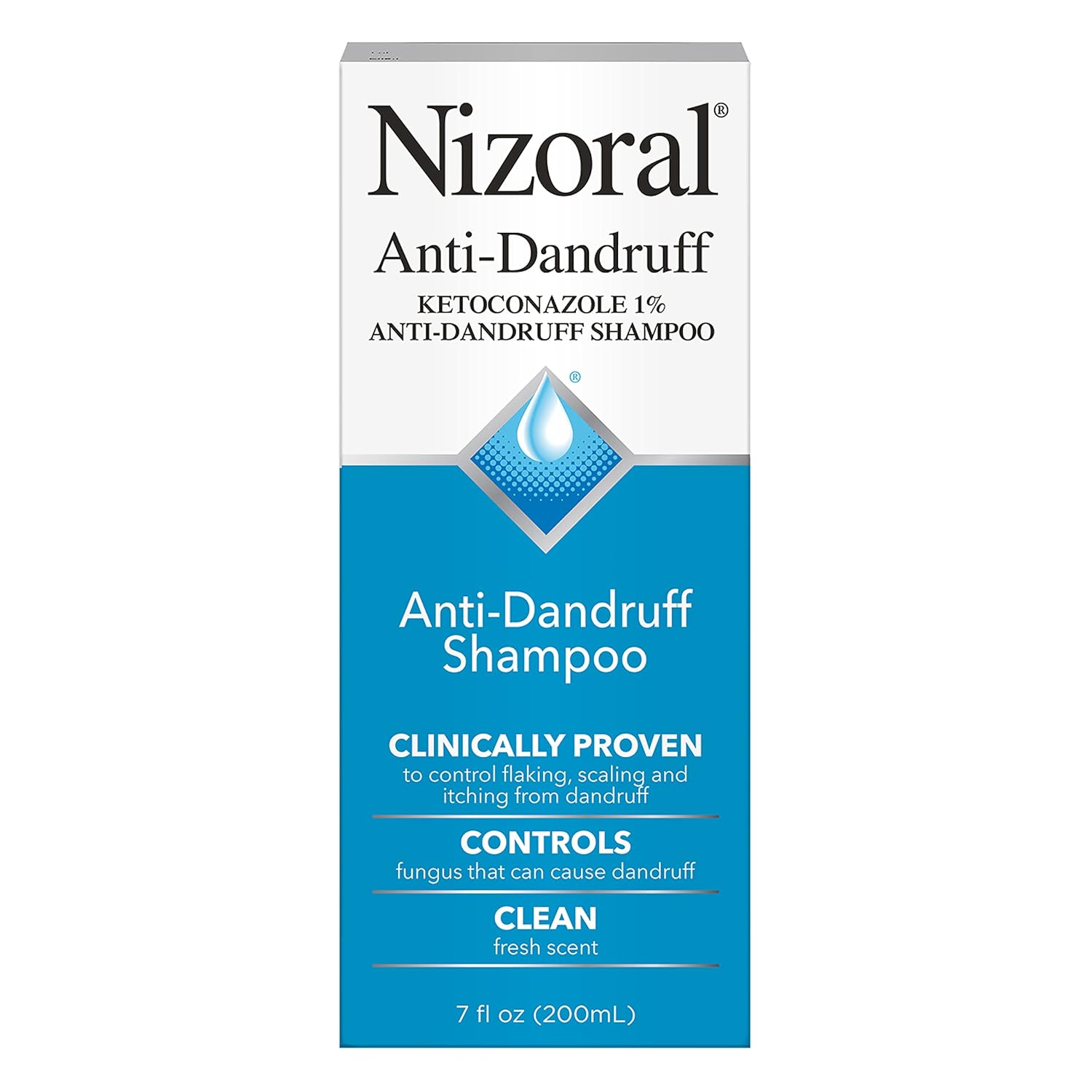
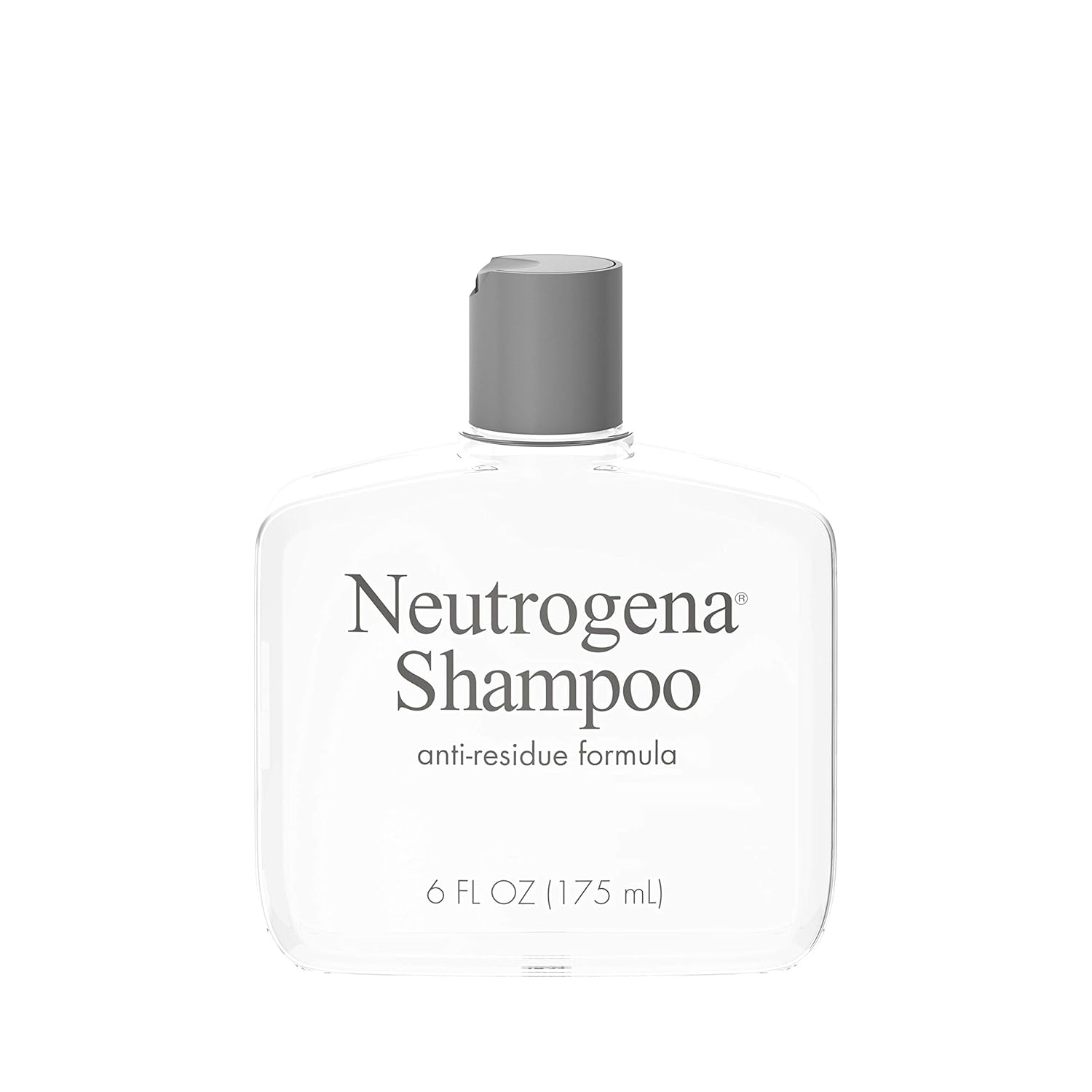
Shampoo & Conditioner Buying Guide
Compare shampoos and conditioners by hair needs, formula, ingredients, and format. K-Catalog helps you explore available options and choose products that fit your routine.
7,341 products in catalog
7,341 results
Filters


L'Oreal Paris
L'Oreal Paris Elvive Total Repair 5 Repairing Shampoo and Conditioner for Damaged Hair, 28 Ounce (Set of 2)
See current price




![Tigi Bed Head Tween Recovery Shampoo + Conditioner je 750 ml [Badartikel] by Re](https://m.media-amazon.com/images/I/61Z7yj+GtmL._SL1000_.jpg)
Bed Head
Tigi Bed Head Tween Recovery Shampoo + Conditioner je 750 ml [Badartikel] by Re
See current price

SheaMoisture
SheaMoisture Conditioner Curl and Shine Silicone Free for Curly Hair Coconut Hibiscus Moisturize & Define 13oz.
See current price


Selsun Blue
Selsun Blue Medicated Anti-dandruff Shampoo with Menthol, 11 fl. oz., Maximum Strength, Selenium Sulfide 1%
See current price

Popular brands in Shampoo & Conditioner
Shampoo and conditioner are the foundation of many hair-care routines, but the right combination depends on more than scent or packaging. Hair texture, scalp condition, styling habits, color treatment, and the finish you want can all affect which formulas make sense.
Use this category to compare product specifications and features across a broad selection of shampoo and conditioner options. The catalog sits within Hair Care, making it easy to explore related products when you are building a complete routine.
How to choose shampoo and conditioner
Start by identifying your main hair or scalp concern. A product designed for an oily scalp may feel very different from one intended for dry, coarse, or curly hair. If your needs vary along the length of your hair, you may prefer a cleansing product for the scalp and a more moisturizing conditioner for the mid-lengths and ends.
Consider these factors before selecting a formula:
- Hair texture: Fine, thick, straight, wavy, curly, and coily hair can respond differently to moisturizing and cleansing ingredients.
- Scalp needs: Look for product descriptions that address oiliness, dryness, buildup, sensitivity, or flaking when those concerns apply.
- Hair condition: Chemically treated, heat-styled, brittle, or damaged-looking hair may call for conditioning and smoothing features.
- Desired finish: Compare whether the product is intended to leave hair feeling soft, smooth, lightweight, defined, volumized, or refreshed.
- Routine preferences: Decide whether you want a simple shampoo-and-conditioner pair, a specialized treatment, a solid format, or a product suited to frequent washing.
The best pairing is not always from the same line. Matching products can be convenient, but comparing individual formulas lets you select cleansing and conditioning properties separately.
Product types and formats to compare
Shampoo is primarily used to cleanse the scalp and hair, while conditioner is generally applied to improve manageability and softness. Within those broad categories, product descriptions can point to more specific uses.
Cleansing shampoos
These are useful when removing oil, styling residue, sweat, or everyday buildup is the main priority. Compare how the formula is described and whether it is intended for regular use or occasional deeper cleansing. A strong cleansing focus may not suit hair that is already dry or fragile.
Moisturizing and smoothing formulas
Moisturizing shampoos and conditioners are commonly considered by people with dry-feeling, coarse, textured, or frizz-prone hair. Check for descriptions centered on hydration, softness, detangling, smoothing, or manageability. Heavier conditioning formulas may not be ideal if your hair is fine or easily weighed down.
Volumizing and lightweight options
Products labeled for volume or body may suit shoppers who want hair to feel fuller without a heavy finish. Compare whether the product emphasizes lift at the roots, lightweight conditioning, or texture. Fine hair can still need moisture, so balance volume claims with the formula’s conditioning characteristics.
Color-care and repair-focused products
If hair is dyed, bleached, heat-styled, or prone to breakage, compare products that focus on color care, strengthening, protection, or repairing the appearance of damage. Read the product details carefully to understand whether the formula is intended for maintaining color, improving feel, or supporting a particular hair-care routine.
Specialty formats
The catalog may include liquid products, sets, bars, travel-friendly formats, and treatments used alongside shampoo and conditioner. Format affects storage, portability, application, and how easily you can control the amount used. For a broader selection of products used after washing, compare Styling Products.
Key features and specifications
Product pages can differ in how much information they provide, so compare the details that matter most to your routine.
- Intended hair type: Check whether the product is described for fine, thick, curly, dry, oily, damaged, color-treated, or other hair types.
- Ingredient focus: Look for details about moisturizing agents, oils, botanical extracts, proteins, or other highlighted ingredients. If you have known sensitivities, review the full ingredient list where available rather than relying only on front-label claims.
- Silicone, sulfate, or fragrance preferences: Shoppers who avoid or prefer particular ingredients should verify the specific formula, since product lines can contain multiple variations.
- Pairing instructions: Some conditioners are designed for daily use, while masks and intensive treatments may be used less often. Follow the product’s directions.
- Size and packaging: Compare container size, pump or squeeze packaging, refill options, and portability based on where and how you wash your hair.
- Set contents: Bundles may combine shampoo, conditioner, and treatments. Confirm which products are included instead of assuming a set contains a complete routine.
For heat styling, detangling, or finishing after washing, browse Styling Tools & Appliances alongside your shampoo and conditioner choices. Shoppers changing hair color can also compare Hair Coloring Products, while those trimming at home may want Hair Cutting Tools.
Brands in the catalog
The shampoo and conditioner catalog includes products from Pantene, L'Oreal Paris, SheaMoisture, OGX, Garnier, Suave, TRESemmé, Batiste, Tigi, Herbal Essences, Aveda, and Dove. These brands are well represented in the catalog, but the right choice depends on the specific product formula and your hair-care requirements rather than the brand name alone.
Compare product-level details such as intended hair type, highlighted ingredients, format, application instructions, and whether the product is sold individually or as part of a set. Even within one brand, different lines can target very different concerns.
Building a practical routine
A simple routine usually starts with shampoo applied mainly to the scalp, followed by conditioner through the lengths and ends. Exact application depends on the product instructions and your hair’s needs. Rinsing thoroughly can help prevent unwanted residue, especially when using richer formulas.
If your hair becomes weighed down, compare a lighter conditioner or adjust how much product is applied. If it feels dry or difficult to detangle, consider a formula with more conditioning emphasis or add a treatment designed for occasional use. Introduce one change at a time so you can better understand how your hair responds.
Keep bottles closed between uses and store products according to the label. For wigs, extensions, and related care needs, explore Hair Extensions, Wigs & Accessories. Combs, clips, brushes, and other finishing items are grouped under Hair Accessories.
Frequently asked questions
Should shampoo and conditioner be from the same product line?
No. A matching pair can simplify shopping, but separate products may work better when your scalp and hair lengths have different needs. Compare each formula independently.
How do I choose products for dry hair?
Look for descriptions emphasizing moisture, softness, smoothing, detangling, or manageability. Compare the formula with your hair texture so a rich product does not leave fine hair feeling heavy.
What should I look for if my scalp gets oily?
Compare products focused on cleansing, freshness, or oil control, and consider whether the product is intended for regular use. Apply conditioner mainly where your hair needs it, rather than automatically concentrating it on the scalp.
Can I use conditioner without shampoo?
Some routines use conditioner between shampoo washes, but suitability depends on the product and your hair. Check the directions and choose a formula that matches how often you wash and how your hair feels afterward.
How should I compare products for color-treated hair?
Look for product descriptions that specifically mention color care or color-treated hair. Also compare cleansing strength, conditioning features, ingredient details, and instructions for use.
Are treatments the same as conditioner?
Not always. Treatments or masks may be formulated for more intensive conditioning and may have different instructions from everyday conditioner. Check the intended frequency and application time on the product page.