

Hand Tools for Home, Workshop, and Trade Work
Compare hand tools by their intended job, construction, ergonomics, and compatibility. K-Catalog helps you narrow the options by specs and features before visiting Amazon.
14,094 products in catalog
14,094 results
Filters
![Guardians of the Galaxy Vol. 2 [4K UHD]](https://m.media-amazon.com/images/I/91NwCShGBHL._SL1500_.jpg)
Chris Pratt (Actor), Bradley Cooper (Actor), James Gunn (Director, Writer) & 0 more Rated: PG-13 Format: Blu-ray
Guardians of the Galaxy Vol. 2 [4K UHD]
See current price


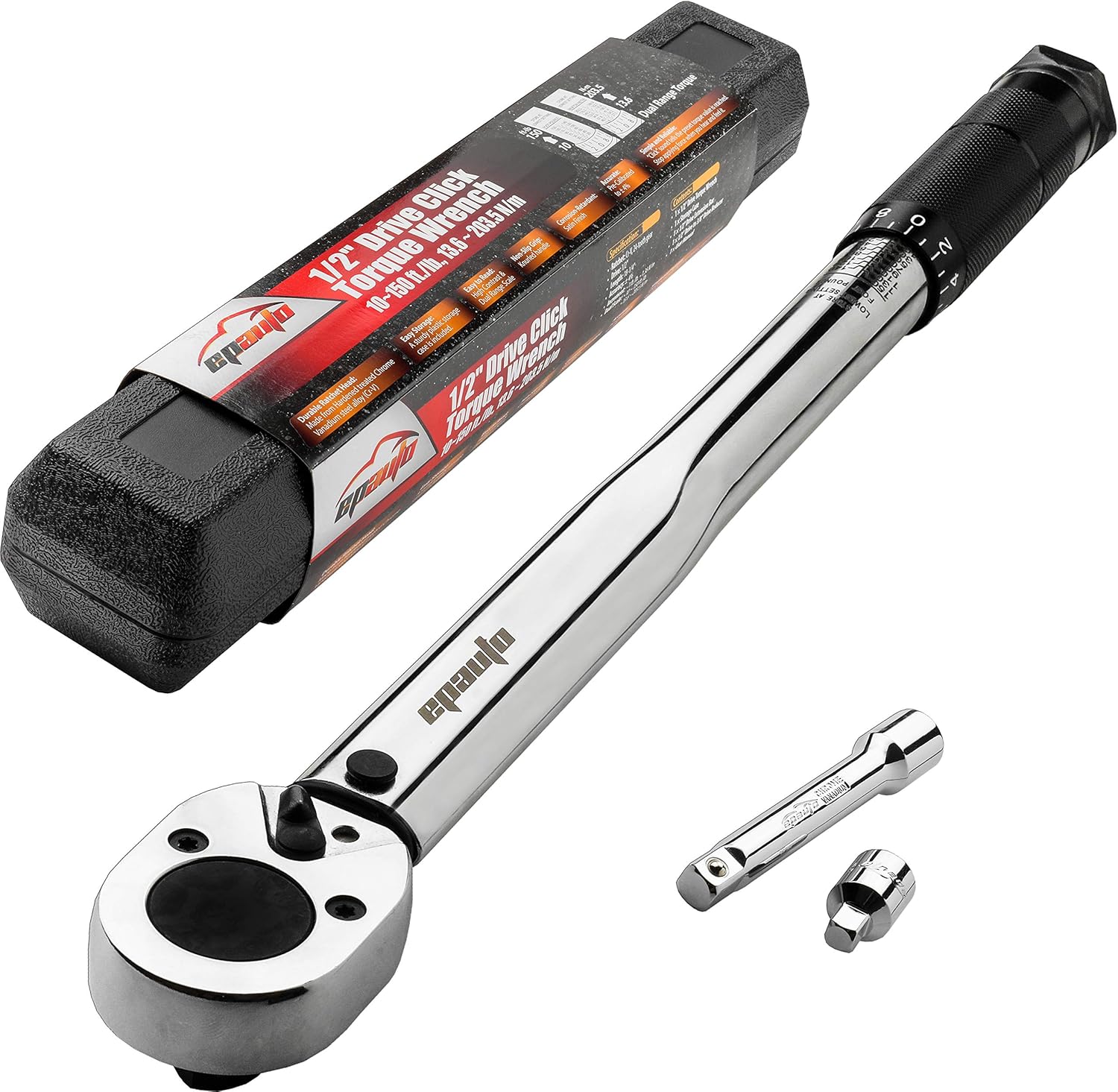


Dewalt
DEWALT Socket Set, 1/4-Inch & 3/8-Inch Drive, SAE/Metric, 34-Piece (DWMT73804)
See current price
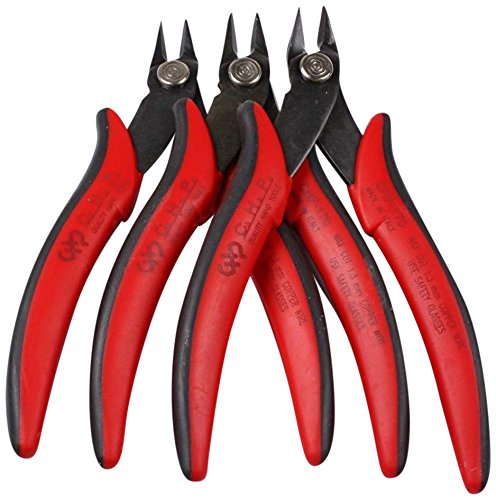


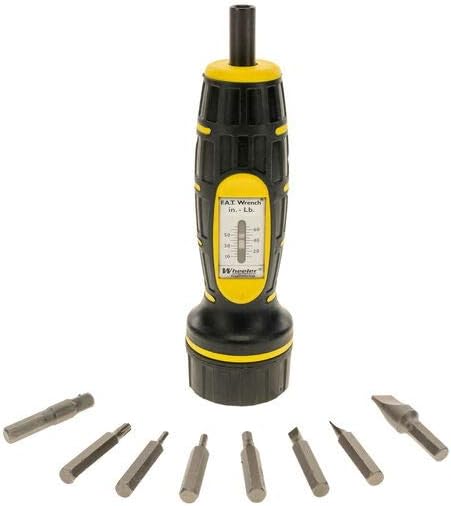


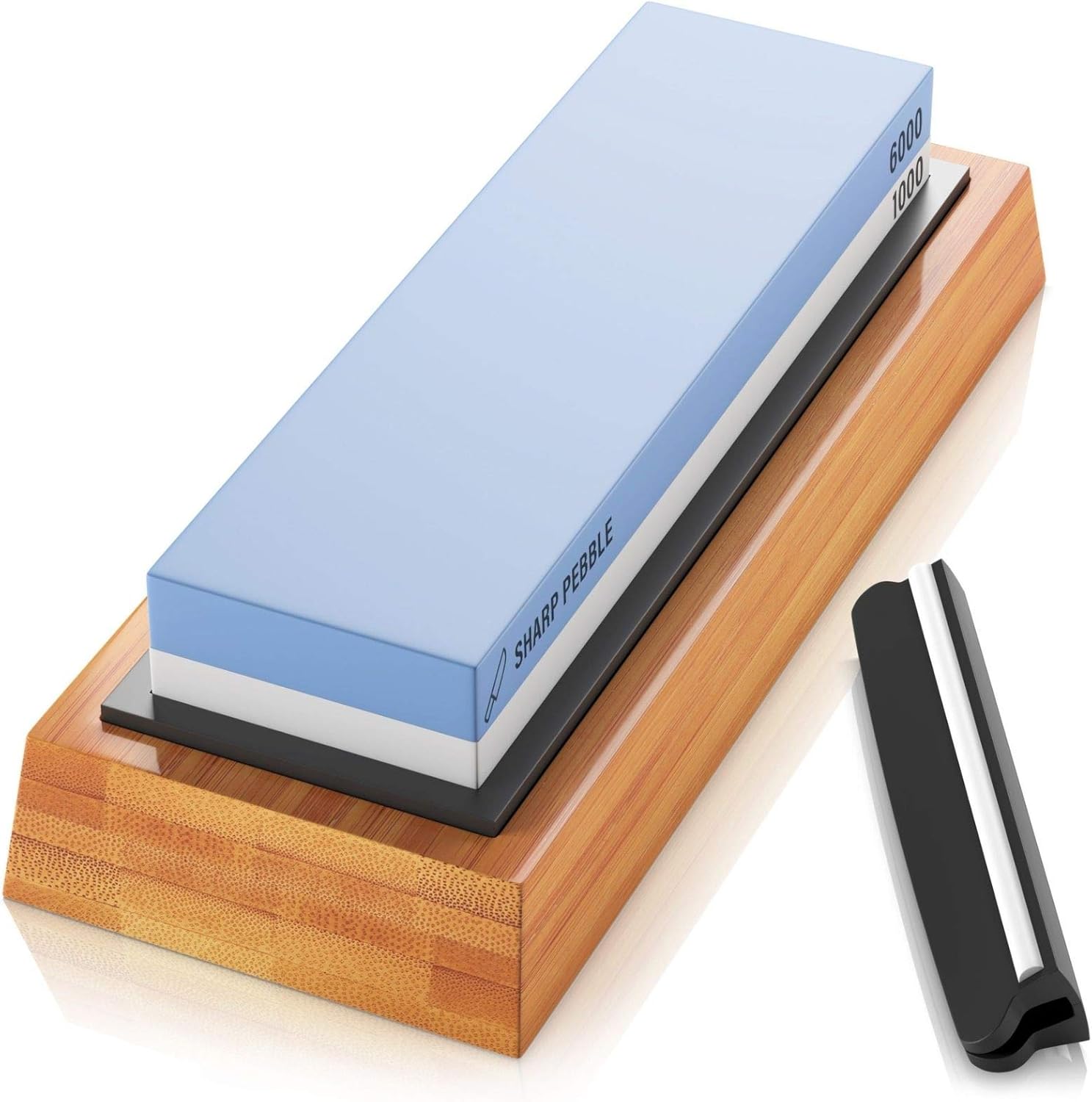


Internet's Best
Internet's Best Utility Knife - Set of 2 - Retractable Razor Knife Set - Box Cutter - Full Metal Body
See current price
Popular brands in Hand Tools
Hand tools cover the essentials for assembling, repairing, maintaining, measuring, cutting, fastening, and working with materials by hand. The right choice depends on the task, the space available, and how often the tool will be used.
K-Catalog brings together a broad selection of hand tools from brands including TEKTON, Klein Tools, Craftsman, Stanley, GEARWRENCH, KNIPEX, Wera, Irwin, Leatherman, Dewalt, Sunex Tools, and Amazon Basics. Compare the specifications and features that matter for your work, whether you are preparing a household kit, outfitting a workshop, or replacing a particular tool.
How to choose hand tools
Start with the job rather than the brand. A tool designed for occasional household repairs may prioritize compact storage and versatility, while a tool for trade work may need a specialized shape, higher resistance to wear, or an easier grip during repeated use.
Consider these questions before comparing individual products:
- What task will it perform? Identify whether you need to fasten, grip, cut, strike, pry, measure, strip, or assemble.
- What material will you work with? Wood, metal, wiring, plastic, and masonry can call for different tool designs and working surfaces.
- How much access is available? Slim profiles, short handles, angled heads, or flexible extensions can help in confined spaces.
- How often will it be used? Occasional users may value versatility, while frequent users should pay closer attention to ergonomics and wear resistance.
- Where will it be stored? A complete kit, compact multi-tool, or organized set may be more practical than individual loose tools.
Common types of hand tools
Hand tools vary widely, so grouping them by function can make the catalog easier to browse. Fastening tools include screwdrivers, nut drivers, hex keys, and wrenches. Compare the drive type, size coverage, handle design, and whether the tool is intended for manual use or use with a compatible accessory.
Pliers and gripping tools are useful for holding, bending, pulling, cutting, and reaching into restricted areas. Jaw shape, opening capacity, cutting position, joint construction, and handle insulation can all affect suitability. Specialized designs may be preferable when working with wire, fasteners, tubing, or small components.
Cutting and shaping tools can include utility knives, snips, saws, chisels, files, and specialty cutters. Look at the blade or cutting material, replacement options, locking features, handle control, and the kind of material the tool is designed to handle.
Measuring and layout tools help with planning and accurate placement. Check the measurement system, scale readability, length or working range, markings, and construction. For impact and material-removal tasks, compare hammer or mallet head design, handle material, balance, and the intended surface.
Multi-tools combine several functions in one compact body. They can suit travel, quick repairs, emergency kits, and limited storage, but a dedicated tool may provide better reach, leverage, or comfort for a repeated task.
Key specifications and features to compare
Materials and finish are important indicators of how a tool is built and maintained. Look for the listed material of the working parts, handle, and any coating or finish. Corrosion-resistant materials and protective finishes can be useful in humid environments, but the specific care instructions still matter.
Fit and sizing are especially important for wrenches, sockets, drivers, pliers, and cutting tools. Match the tool to the fastener, component, or material rather than choosing only by overall size. For sets, check which sizes and profiles are included so the contents match the jobs you expect to perform.
Ergonomics affect control and fatigue. Compare handle shape, grip texture, cushioning, balance, and the amount of leverage provided. A comfortable handle does not replace proper technique, but it can make repeated work easier to manage.
Access and control can matter as much as strength. Low-profile heads, angled jaws, long-reach designs, flexible shafts, and compact bodies each solve different access problems. Check the product dimensions and working orientation when space is limited.
Safety features may include locking mechanisms, nonslip grips, insulated construction, blade guards, or controlled-release designs. Select features that suit the task, and follow the manufacturer’s instructions for intended use and protective equipment.
Brands represented in the catalog
The Hand Tools catalog includes products from TEKTON, Klein Tools, Craftsman, Stanley, GEARWRENCH, KNIPEX, Wera, Irwin, Leatherman, Dewalt, Sunex Tools, and Amazon Basics. These brands are represented across different hand-tool formats, from individual tools and specialty designs to sets and compact multi-tools.
Brand name alone should not determine the choice. Compare the exact tool’s construction, dimensions, included pieces, compatibility, and intended application. Two tools serving a similar purpose can differ in reach, drive style, grip, maintenance requirements, or the materials they are designed to handle.
Building and maintaining a useful tool collection
A practical collection usually starts with tools that match the repairs and projects you perform most often. Add specialized items when a recurring task requires them, rather than selecting a large assortment without checking its contents. If you are comparing sets, confirm that the set includes the sizes and tool types you need and that the case or storage method suits your workspace.
Keep tools clean and dry, and remove debris after use. Moving joints may require care according to the manufacturer’s guidance, while cutting edges should be protected during storage. Do not use a tool beyond its intended purpose: a screwdriver is not a substitute for a pry bar, and a general-purpose cutter may not be appropriate for hardened materials or live electrical work.
For storage, compare the hand tools with Tool Organizers to help keep frequently used items visible and protected. If a hand tool is part of a larger powered setup, Power Tool Parts & Accessories may provide compatible add-ons. For jobs that require motorized operation, browse Power Tools as a separate category.
Frequently asked questions
What hand tools should a basic household kit include?
A useful starting point can include screwdrivers, pliers, a measuring tool, a utility knife, a hammer or mallet, and suitable wrenches. Choose the sizes and functions based on the repairs and assembly tasks you expect to handle.
Should I buy a hand-tool set or individual tools?
A set can provide coordinated tools and convenient storage, while individual purchases let you select exact sizes and specialized designs. Compare the included contents carefully instead of assuming every set covers the same tasks.
How do I choose the right pliers or wrench?
Match the tool’s jaw or drive size and shape to the fastener or material. Also check reach, opening capacity, handle design, and whether the tool is intended for gripping, cutting, turning, or a specialized application.
What makes a hand tool comfortable to use?
Handle shape, grip texture, balance, leverage, and tool weight all contribute to comfort. For repeated work, prioritize a design that allows controlled movement without forcing an awkward wrist or hand position.
How should hand tools be stored?
Store them in a dry location with cutting edges protected and moving parts kept clean. A suitable organizer, case, or drawer layout can reduce damage and make it easier to select the right tool for each task.