

Power Tools for Home, Workshop, and Jobsite Projects
Compare power tools by their intended use, power source, compatibility, and important specifications. K-Catalog helps you review options before checking current availability on Amazon.
3,667 products in catalog
3,667 results
Filters

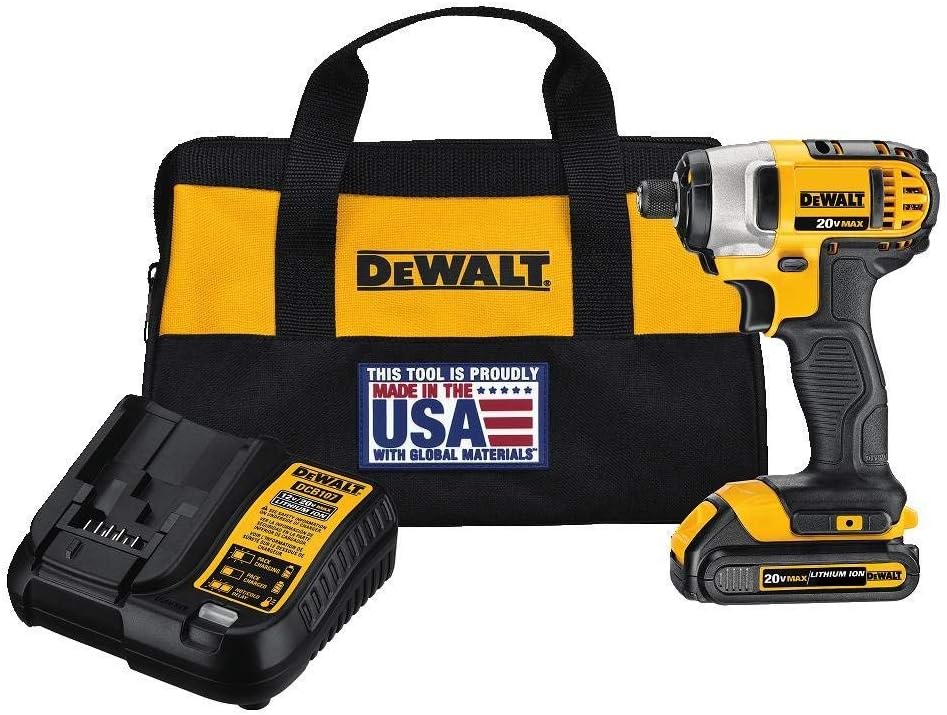
Dewalt
DEWALT 20V MAX Impact Driver Kit, 1/4-Inch, Battery and Charger Included (DCF885C1)
See current price


BLACK+DECKER
BLACK+DECKER LDX120PK 20-Volt MAX Lithium-Ion Drill and Project Kit w/ BDCCS20B Circular Saw
See current price


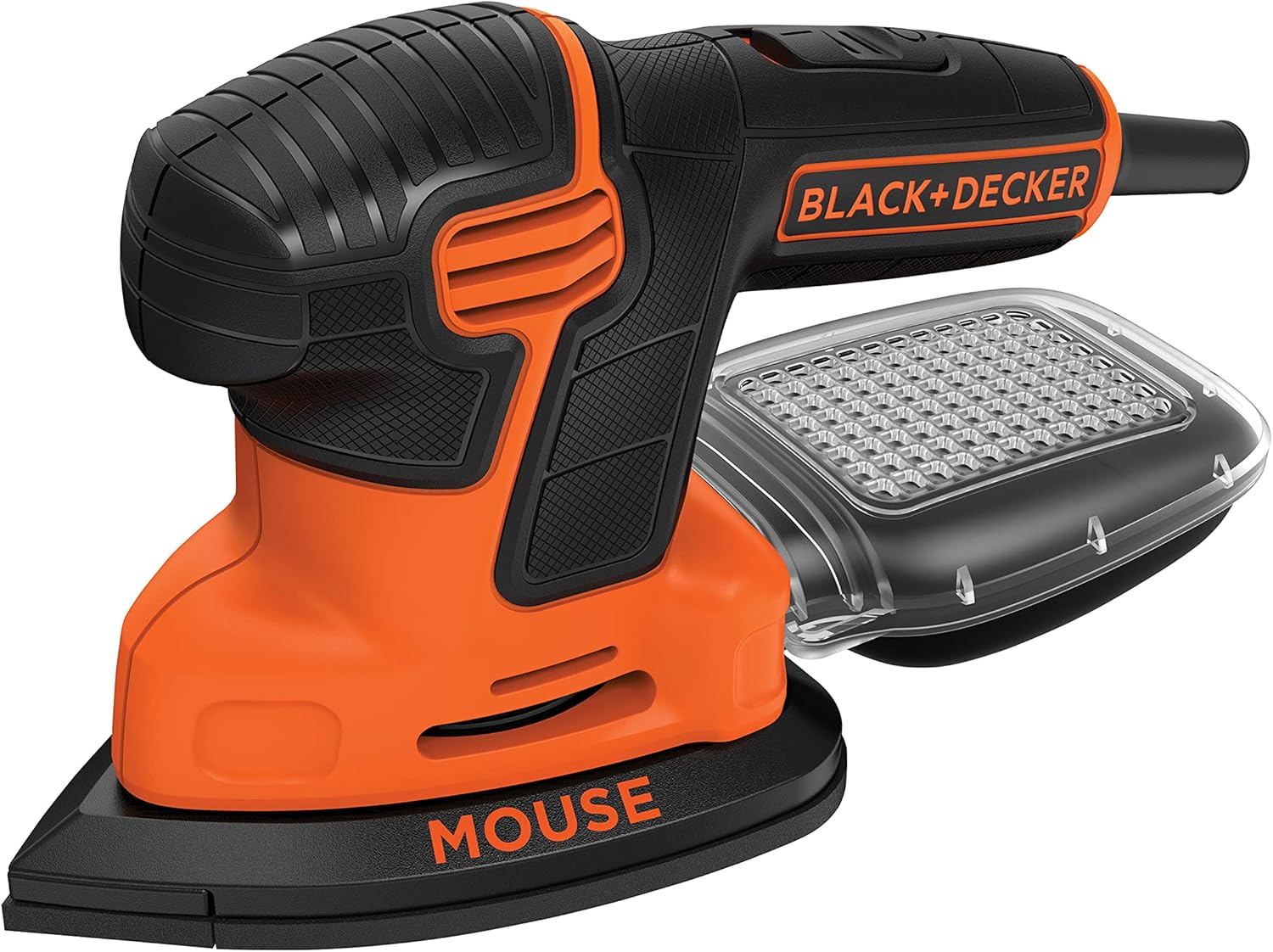
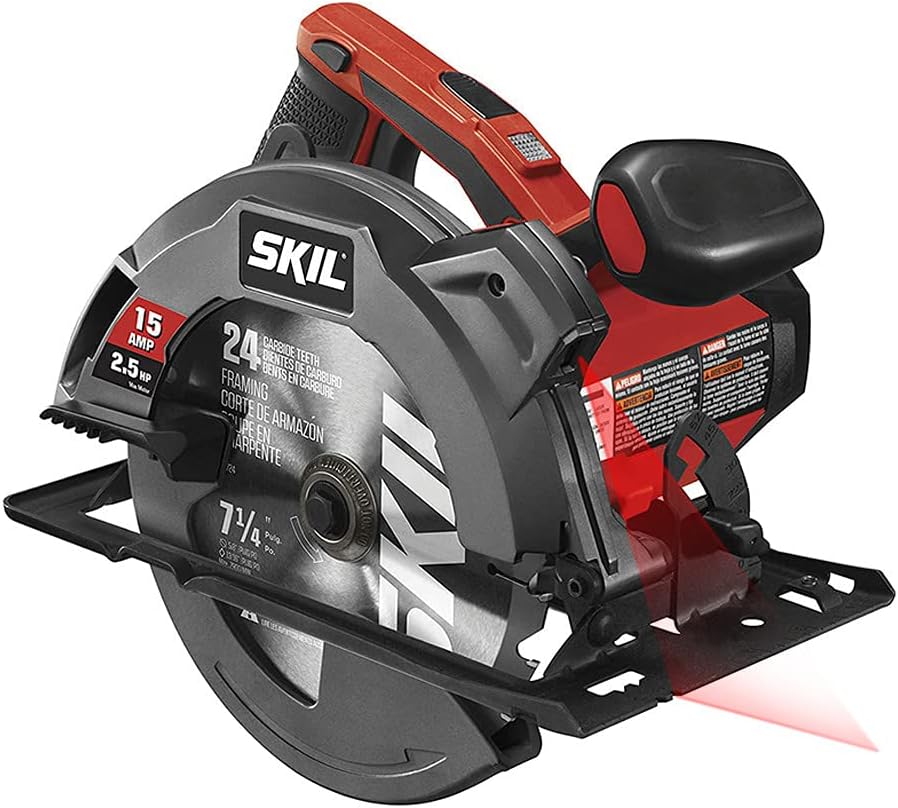


Dewalt
DEWALT 20V Max XR Oscillating Multi-Tool, Variable Speed, Tool Only (DCS356B)
See current price

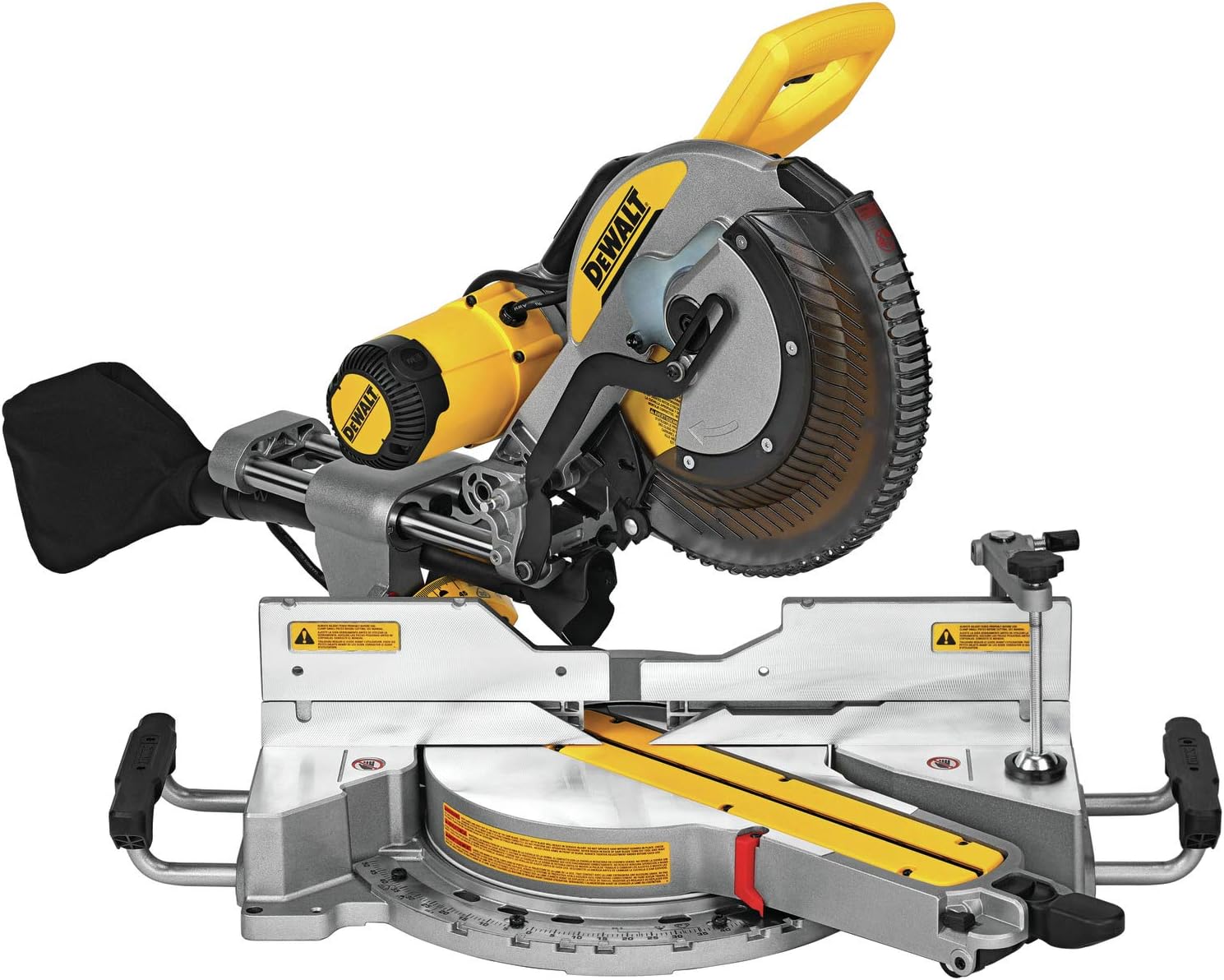


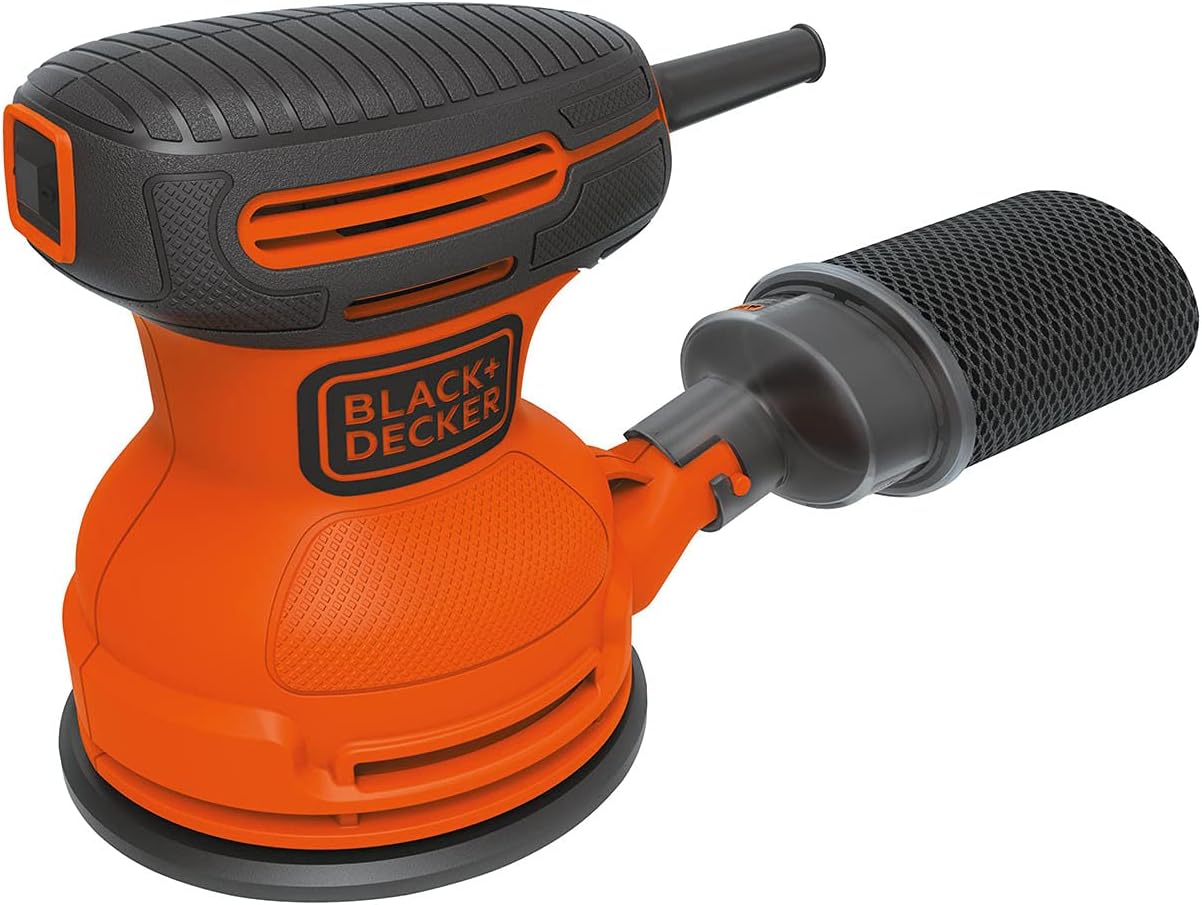
BLACK+DECKER
BLACK+DECKER Orbital Sander, 5 Inch, 2.0 Amp, 12000 OPM, Corded, 1 Sandpaper Sheet and Dust Bag Included (BDERO100)
See current price

Popular brands in Power Tools
Power tools can make drilling, cutting, sanding, fastening, grinding, and other tasks more efficient. The right choice depends on the material, workload, available workspace, and whether you need a compact tool for occasional projects or a more capable setup for frequent use.
This K-Catalog category brings together power tools from brands including Dewalt, Makita, Milwaukee, RYOBI, BLACK+DECKER, Bosch, Craftsman, PORTER-CABLE, WEN, Dremel, Skil, and Ingersoll Rand. Compare specifications and features to narrow your options, then check the current product details on Amazon.
How to choose a power tool
Start with the job rather than the brand. A tool designed for drilling may not be suitable for driving large fasteners, while a compact rotary tool is intended for different work from a full-size grinder or saw. Consider these questions:
- What material will you work with? Wood, metal, masonry, plastic, and tile may require different tool types, accessories, and operating speeds.
- How often will you use it? Occasional home repairs may call for a straightforward, easy-to-store tool. Repeated or demanding work makes durability, ergonomics, and accessory availability more important.
- Where will you use it? Cordless tools offer mobility, while corded models avoid battery charging and may suit a fixed workshop area.
- What else do you already own? A tool that uses batteries, chargers, blades, bits, or other accessories already in your system can simplify setup.
For broader tool research, compare power tools with related Hand Tools when a task is better suited to manual control or does not require powered operation.
Common power tool categories
Power tools cover several functions, and choosing the correct type is often more important than selecting a particular feature set.
- Drills and drivers: Useful for making holes and installing fasteners. Look at chuck design, speed settings, torque control, and whether the tool supports hammer action.
- Saws: Circular, reciprocating, jig, miter, and other saw types serve different cutting tasks. Compare cutting capacity, blade compatibility, adjustment range, and handling.
- Sanders and polishers: Designed for smoothing, refinishing, or preparing surfaces. Dust collection, pad or disc size, speed control, and grip comfort can affect usability.
- Grinders and rotary tools: Often selected for cutting, shaping, sharpening, deburring, or detail work. Check the supported attachments, speed range, and intended materials.
- Nailers and staplers: Useful for fastening wood, trim, upholstery, and other materials. Compare fastener compatibility, firing modes, depth adjustment, and air or battery requirements.
- Planers, routers, and specialty tools: These are suited to more specific woodworking and finishing tasks, so accessory support and adjustment controls deserve close attention.
Key specifications and features to compare
Power ratings are not directly comparable across every tool type, so read the manufacturer’s stated specifications in context. For corded tools, check voltage, cord length, and whether the design fits your workspace. For cordless models, compare battery platform compatibility, included battery equipment, charging requirements, and overall balance.
Also examine operating speed, variable-speed control, torque, cutting or drilling capacity, stroke length, and adjustment ranges where relevant. A tool with several settings can offer more control, but simple controls may be preferable for straightforward tasks.
Ergonomics matter during extended use. Look for a comfortable grip, manageable weight, well-placed controls, work lights, and provisions for dust collection where appropriate. For louder or higher-powered tools, consider whether hearing protection, eye protection, respiratory protection, or other safety equipment will be needed.
Accessories, compatibility, and storage
A power tool is only as useful as the accessories that fit it. Confirm the required bit, blade, disc, sanding pad, nail, staple, or attachment size before choosing a model. Some accessories are designed for particular mounting systems or tool families, so compatibility should be verified rather than assumed.
Browse Power Tool Parts & Accessories when you need replacement components, consumables, or add-ons. Storage can also affect how practical a tool is to own; Tool Organizers may help keep batteries, bits, blades, and small accessories easy to find.
Brands represented in the catalog
The catalog includes a broad selection from Dewalt, Makita, Milwaukee, RYOBI, BLACK+DECKER, Bosch, Craftsman, PORTER-CABLE, WEN, Dremel, Skil, and Ingersoll Rand. Brand selection can be useful when you want to stay within an existing battery or accessory ecosystem, but specifications should still be compared between individual products. Consider the tool’s intended task, included equipment, compatibility, and handling characteristics rather than relying on brand familiarity alone.
Safe and practical use
Read the product instructions before operating any power tool, and use accessories recommended for the tool and material. Keep hands away from moving parts, secure the workpiece, inspect cords and batteries, and disconnect power before changing accessories or clearing a jam. Use suitable protective equipment and maintain a stable working position.
Store tools in a dry location and follow the manufacturer’s guidance for battery storage, cleaning, lubrication, and maintenance. Before buying, check what is included in the package and whether batteries, chargers, cases, blades, or bits must be obtained separately.
Frequently asked questions
Should I choose a corded or cordless power tool?
Choose cordless for mobility and work in areas without convenient outlets. Choose corded when continuous operation and a fixed workspace are more important than portability.
How do I know which power tool type I need?
Match the tool to the task and material. Drills, saws, sanders, grinders, drivers, and specialty tools each perform different functions, so identify the operation first.
Are batteries and chargers included?
Not necessarily. Check the individual product listing carefully to confirm whether a battery, charger, case, or accessories are included.
Can accessories from one brand fit another brand’s tool?
Compatibility varies by mounting system, size, battery platform, and accessory type. Confirm the manufacturer’s specifications before purchasing.
What should I compare for frequent use?
Pay particular attention to durability-related specifications, ergonomics, power source, operating controls, accessory availability, maintenance requirements, and safety features.