

Power Tool Parts & Accessories
Compare power tool parts and accessories by tool compatibility, intended use, materials, and essential specifications. Find options for maintenance, repairs, upgrades, and workshop projects.
8,996 products in catalog
8,996 results
Filters
![LEXIVON [2-Pack] Impact Grade Socket Adapter Set, 3" Extension Bit With Holder | 3-Piece 1/4", 3/8", and 1/2" Drive, Adapt Your Power Drill To High Torque Impact Wrench (LX-101X2)](https://m.media-amazon.com/images/I/812dnSWbWpL._AC_SL1500_.jpg)

Dewalt
DEWALT DW4810-2 4-Inch 18 TPI Straight Back Bi-Metal Reciprocating Saw Blade (2-Pack)
See current price






Popular brands in Power Tool Parts & Accessories
Power tool parts and accessories can help maintain equipment, adapt a tool for a specific task, or expand what a familiar tool can do. The right choice depends less on appearance than on precise compatibility: the tool type, brand, model family, connection system, dimensions, and intended application all matter.
Use this category to compare specifications and features before visiting Amazon for the latest product details. Whether you need a replacement component, a cutting accessory, a drilling aid, or a workshop attachment, check the fit and operating requirements first.
How to choose power tool parts and accessories
Start by identifying the exact tool and the job you need to complete. A part designed for a drill may not fit an impact driver, while an accessory made for a compact rotary tool may not be suitable for a larger saw or sander. If the original component is available, use its markings, dimensions, or documentation as a reference.
Key questions to answer include:
- What tool does it fit? Check the tool category, brand, model compatibility, and attachment system.
- What task is it for? Cutting, sanding, drilling, routing, fastening, dust collection, and storage each call for different designs.
- What material will you work with? Wood, metal, masonry, plastic, and composite materials can require different accessory types.
- How will it connect? Compare shank, arbor, chuck, blade, socket, mounting, or battery interfaces as applicable.
- What are the operating limits? Review size, capacity, speed, torque, voltage, and other specifications listed for the part or accessory.
Compatibility should be confirmed before focusing on convenience features. An accessory with useful functions is not a practical choice if it cannot attach securely or operate within the tool’s requirements.
Common types to compare
Power tool parts and accessories cover a broad range of workshop needs. Replacement parts are intended to restore function when a component is worn, damaged, or missing. These may include switches, brushes, chucks, guards, belts, bases, guides, and other tool-specific components. Exact fit is especially important for replacement parts, so compare the manufacturer’s compatibility information carefully.
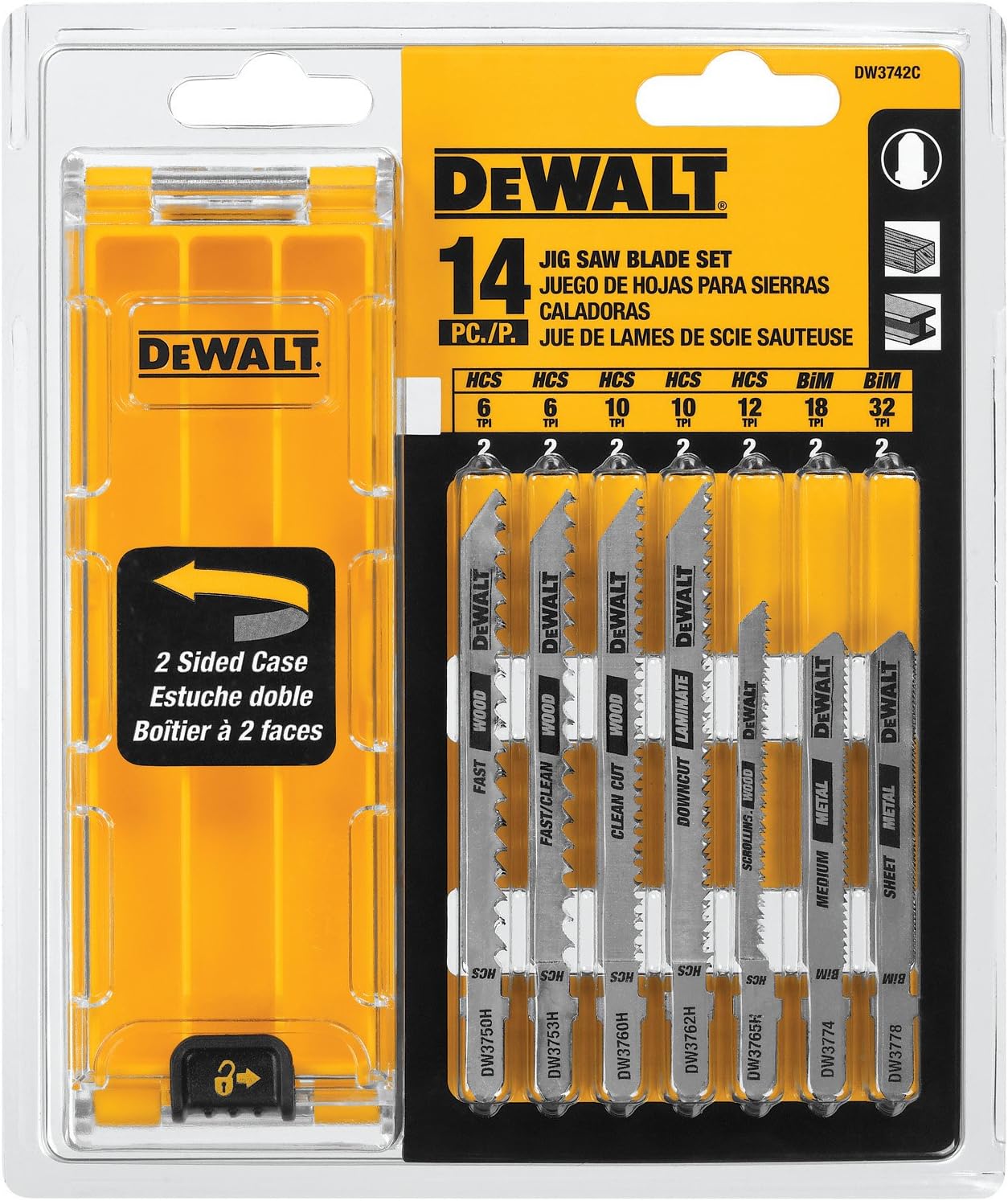
Cutting accessories include blades, wheels, discs, and related components for tasks such as sawing, trimming, grinding, and polishing. Compare the accessory’s intended material, cutting profile, diameter or dimensions, mounting pattern, and operating speed. The right design can improve control and reduce the risk of using an unsuitable accessory for the material.
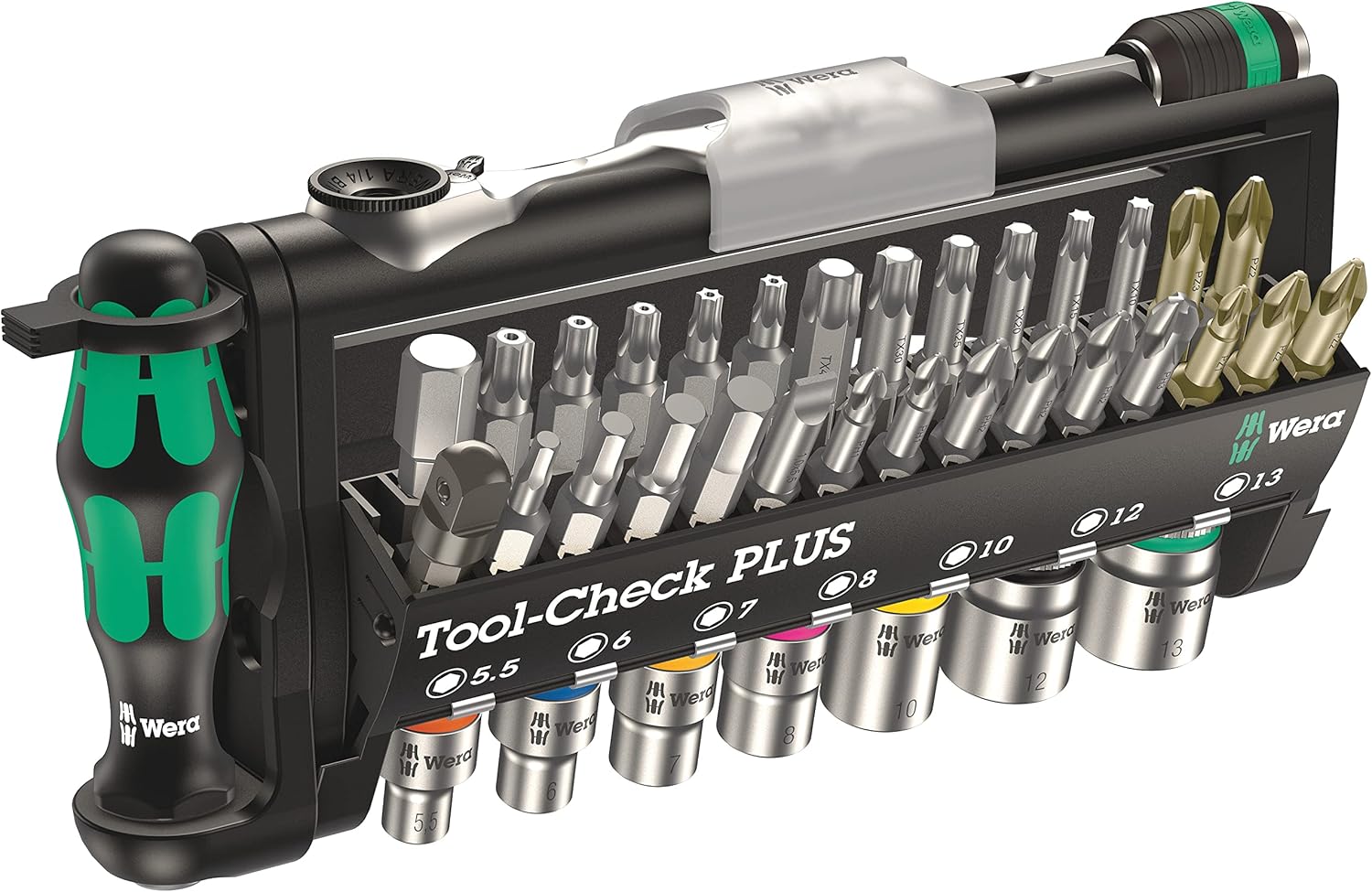
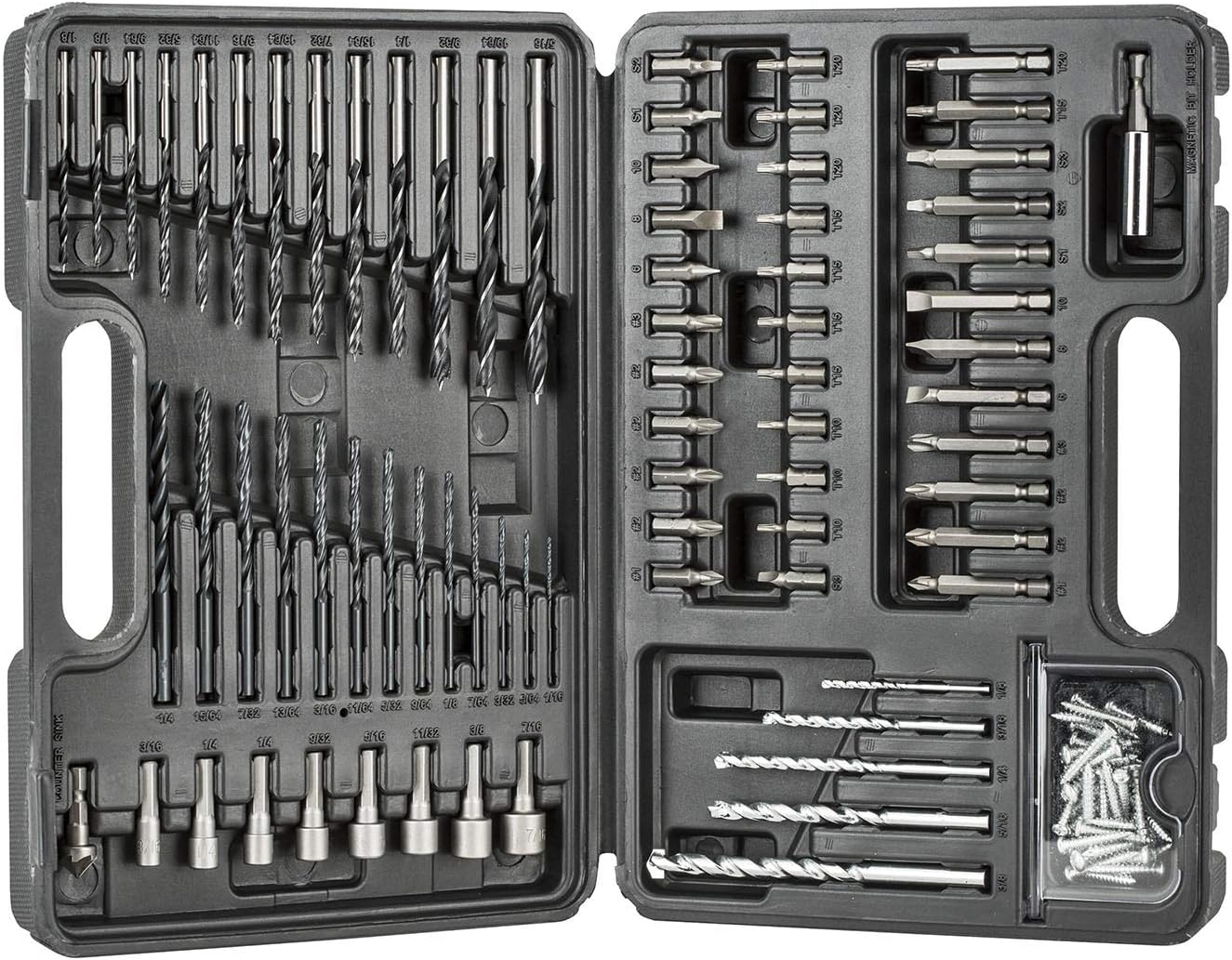
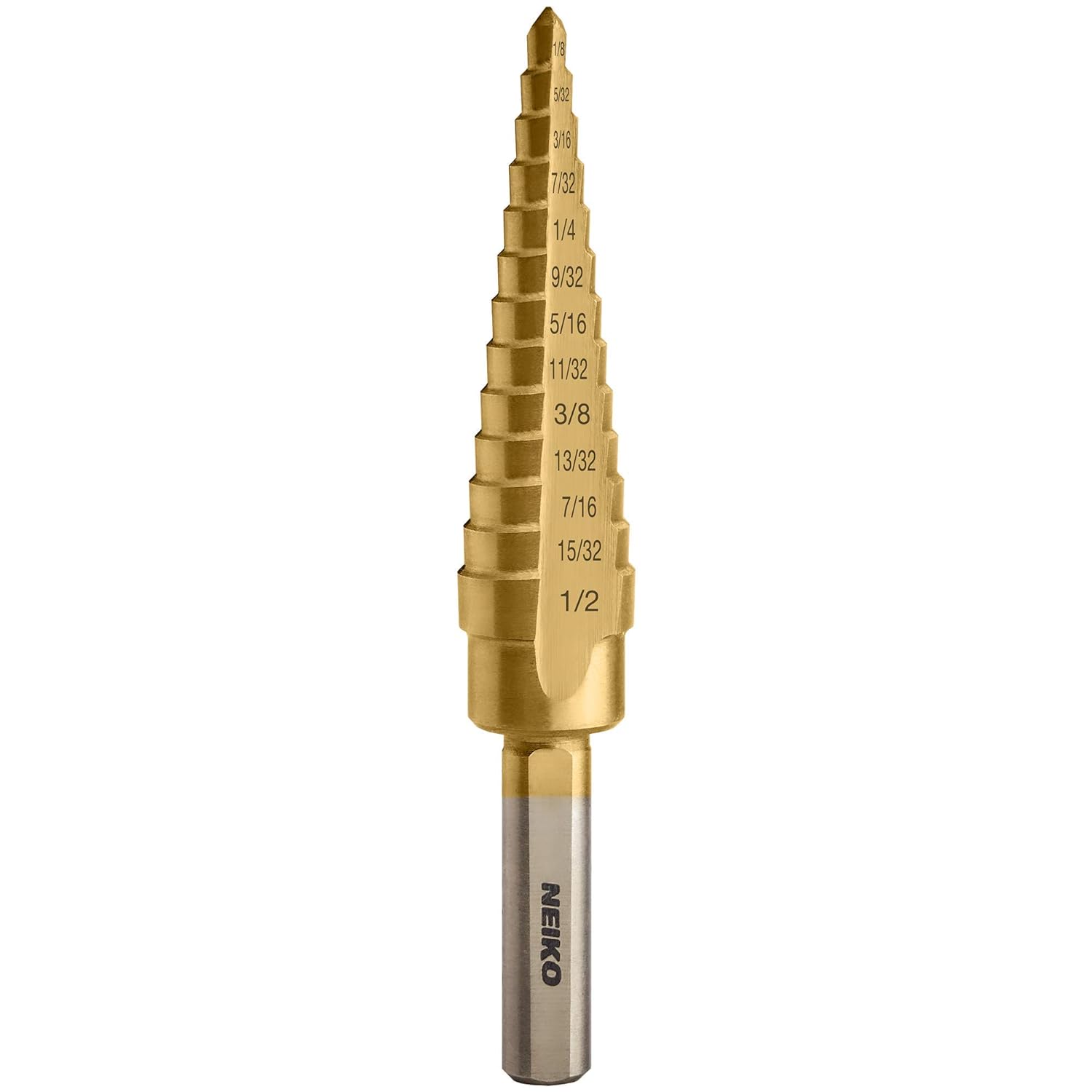
Drilling and fastening accessories may include bits, extensions, adapters, sockets, and holders. Look at the drive or shank style, size range, working length, and material suitability. For fastening work, also consider whether the accessory is intended for hand use, a drill, or an impact tool.
Sanding, routing, and specialty accessories are selected around the tool’s attachment method and the finish or profile required. Guides, templates, clamps, dust ports, and other add-ons can improve repeatability or help manage a particular task. Read the stated purpose closely rather than assuming that similar-looking attachments are interchangeable.
For broader equipment comparisons, browse Power Tools. Shoppers who are comparing non-powered equipment can also visit Hand Tools.
Specifications that deserve attention
Fit and dimensions: Confirm measurements such as diameter, length, thickness, mounting-hole pattern, thread size, and connection type. Small dimensional differences can prevent an accessory from fitting or affect how it performs.
Material and construction: The accessory’s material can influence durability, cutting behavior, flexibility, and suitability for a particular workpiece. Look for information about the working surface, teeth, coating, reinforcement, or housing when those details are relevant.
Performance requirements: Compare recommended speed, capacity, power requirements, and duty limitations. A part should be suitable for the tool’s operating conditions, not merely its general category.
Task-specific design: Teeth, grit, cutting edges, guide geometry, socket profile, and adjustment features can all affect the result. Match the design to the finish, precision, removal rate, or control you need.
Dust and debris management: For sanding, cutting, routing, and drilling, an accessory that supports dust collection may help keep the work area more manageable. Check the port size and attachment method if connection to a vacuum or extractor is important.
Storage and organization: Small accessories are easier to protect and locate when they have a suitable case, tray, holder, or organizer. Explore Tool Organizers if keeping bits, blades, parts, and attachments sorted is part of your setup.
Brands represented in the catalog
The catalog includes power tool parts and accessories from brands such as Dewalt, Bosch, Makita, Powertec, Milwaukee, Freud, BLACK+DECKER, Powerextra, RYOBI, Dremel, Kreg, and Craftsman. These brands may cover different tool systems, accessory styles, and workshop applications.
Brand familiarity alone does not confirm compatibility. Compare the specific interface, dimensions, intended tool, and operating specifications for each item. When replacing a part, matching the original tool’s brand may simplify the search, but the product description should still be checked for exact fit information.
Safe use and maintenance tips
Inspect parts and accessories before installation or use. Look for cracks, bent components, excessive wear, damaged cutting edges, loose fasteners, or other signs that could affect secure operation. Replace worn accessories rather than continuing to use them when their condition is uncertain.
Follow the tool and accessory instructions for installation, adjustment, speed, and protective equipment. Disconnect corded tools from power and remove batteries from cordless tools before changing parts or attachments. Keep guards and other safety components in place unless the manufacturer’s instructions specifically require an adjustment.
Store accessories in a dry, organized location and protect cutting edges from impact. Keeping original packaging or recording compatibility details can make future replacement easier. For cordless systems, also verify battery and charger compatibility separately; a shared brand name does not necessarily mean every battery fits every tool.
Frequently asked questions
How do I know whether an accessory fits my power tool?
Check the tool type, exact model information, attachment interface, and dimensions against the accessory description. If any specification is unclear, consult the tool documentation or manufacturer’s compatibility information before ordering.
Can any drill bit be used with an impact driver?
Not necessarily. Impact tools may require accessories designed for impact loads and a compatible drive system. Check whether the bit or adapter is specifically intended for the tool and application.
Are replacement parts interchangeable between brands?
Usually, compatibility cannot be assumed across brands. Parts may differ in dimensions, electrical connections, mounting points, or safety features, even when they serve a similar function.
What should I compare for a saw blade or cutting disc?
Compare the intended material, dimensions, mounting or arbor format, tooth or edge design, and recommended operating speed. Confirm that the accessory is approved for the specific saw or grinder.
How can I keep small accessories organized?
Use labeled cases, trays, holders, or drawers that protect edges and keep compatible parts together. A suitable Tool Organizers selection can make storage and identification easier.
Should I replace a damaged power tool part or the entire tool?
That depends on the part, tool condition, repair complexity, and availability of a properly compatible replacement. Compare the exact part requirements and follow the manufacturer’s repair guidance before deciding.