

Home Theater Audio & Entertainment Systems
Compare home theater products by sound configuration, connectivity, room size, and compatibility. Use the listed specifications to narrow your options before visiting Amazon.
482 products in catalog
482 results
Filters


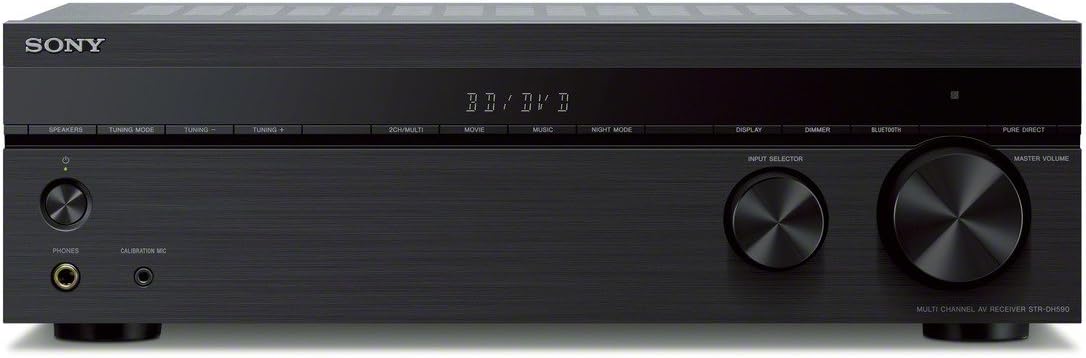
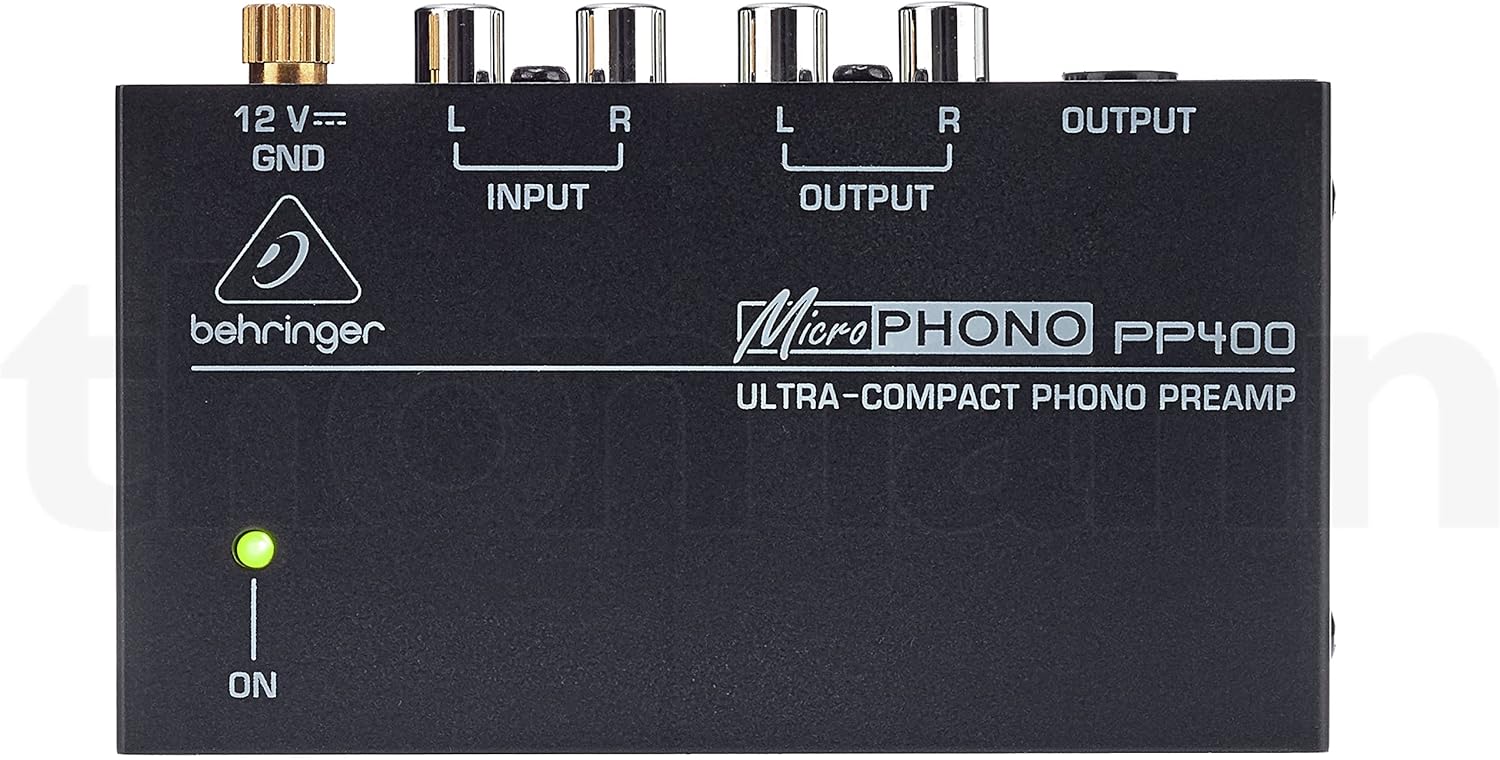


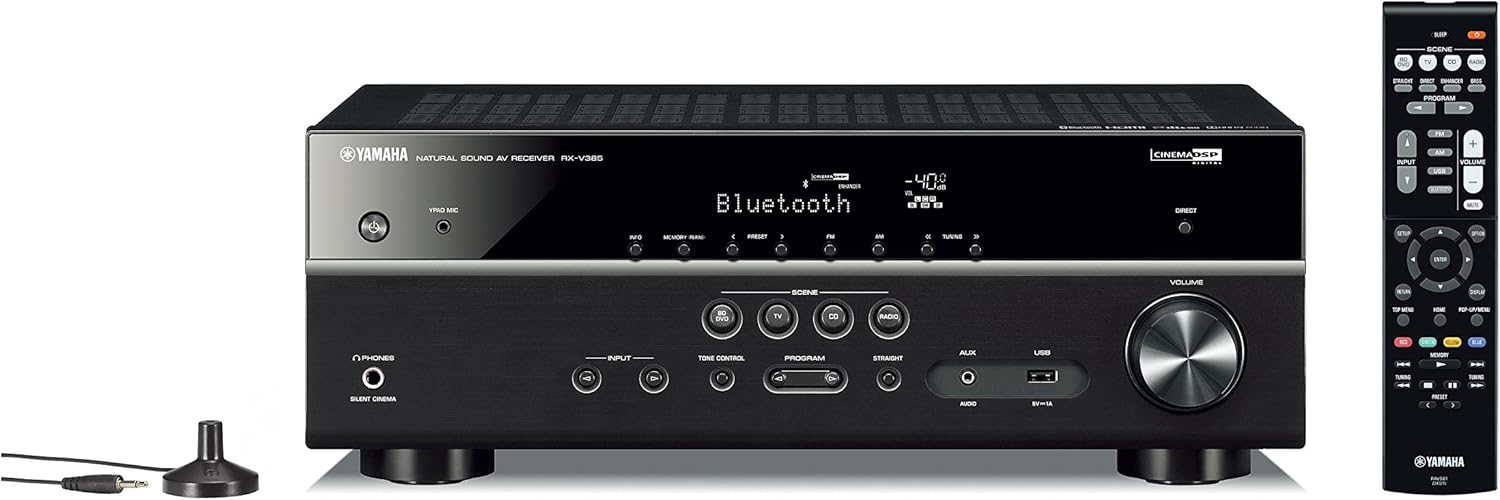


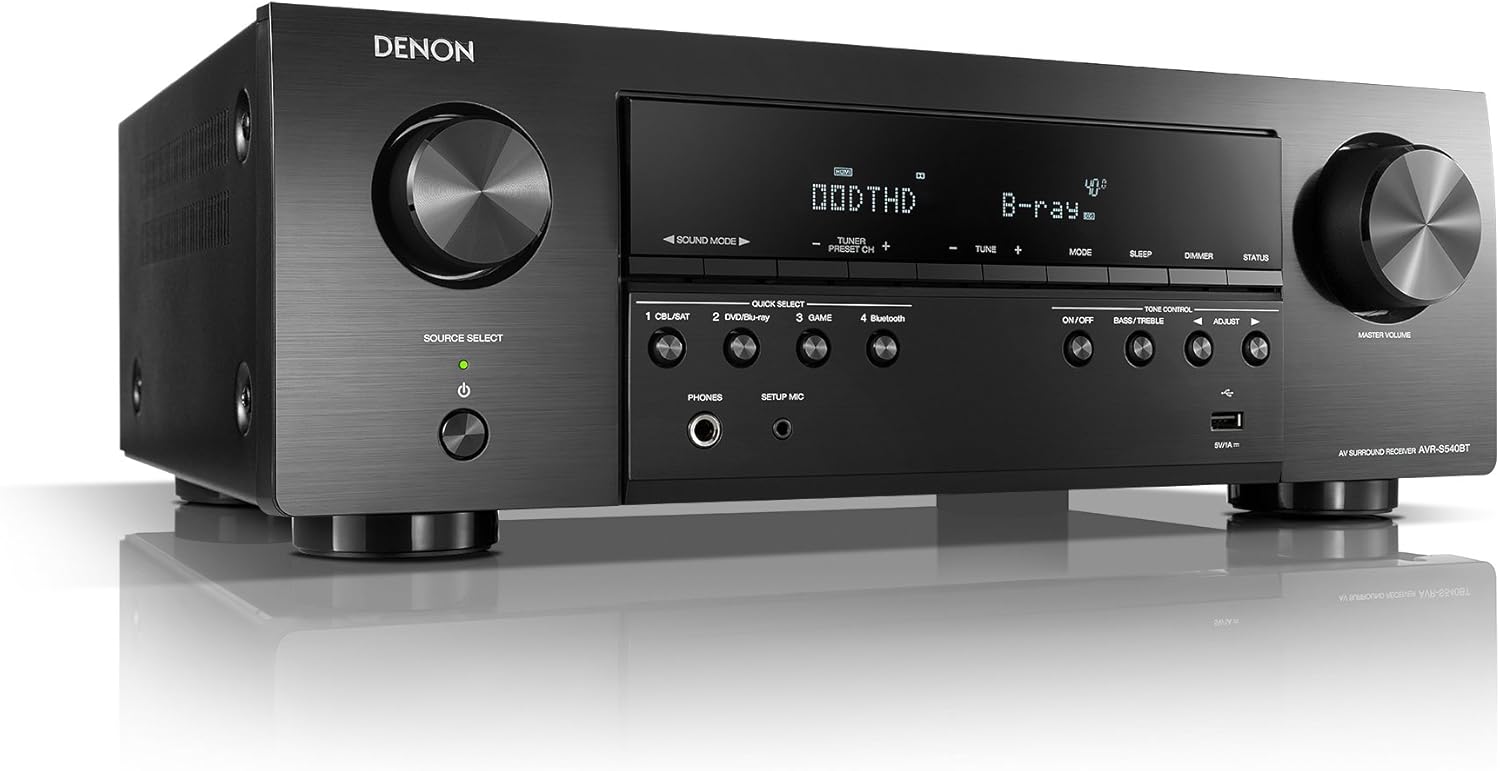

![ZIOCOM [Upgrade] 30 Pin Bluetooth Adapter Audio Receiver for Bose iPod iPhone SoundDock and Other 30 Pin Dock Speakers, Upgrade Old SoundDock with 30 Pin Connector, Not for Any Cars or Motorcycles](https://m.media-amazon.com/images/I/51qt8nMJavL._AC_.jpg)


Popular brands in Home Theater
A home theater setup can range from a simple sound upgrade for a television to a more flexible system built around a receiver, multiple speakers, and connected media sources. The right choice depends on how much equipment you want to install, the size of your room, and whether you prioritize movies, music, gaming, or a mix of uses.
This category sits within Home Audio, alongside products for different listening needs. Compare the specifications carefully so your selected components work together and suit your available space.
How to choose home theater equipment
Start by deciding whether you want an integrated solution or separate components. A compact system may be easier to install and operate, while a receiver-based setup can offer more input options and greater flexibility for adding or changing speakers later.
Consider these questions before comparing individual products:
- What will you watch or listen to? Movie-focused systems may benefit from surround sound and a dedicated low-frequency speaker, while music listeners may place more emphasis on stereo performance.
- How large is the room? Speaker output, placement options, and listening distance all affect how suitable a system feels in a particular space.
- How much equipment do you want? Separate components can provide more control, but they also require additional connections, space, and setup.
- Which devices need to connect? List your television, streaming devices, game consoles, disc players, and other sources before choosing a receiver or amplifier.
Main home theater setup types
Home theater products are often organized by their role rather than by one universal system format. Soundbars and compact systems are useful when installation simplicity and a smaller footprint matter. Receiver-based systems are better suited to shoppers who want to coordinate several speakers and source devices.
A traditional surround setup uses speakers positioned around the seating area to create a more immersive presentation. A stereo arrangement can be a better fit for smaller rooms or households that mainly listen to music. Separate amplifiers, signal processors, and speakers allow more customization but require closer attention to compatibility.
For individual speaker options, browse Speakers. Shoppers building a component-based system can also compare Stereo System Components and related Home Audio Accessories for supporting equipment.
Key features and specifications to compare
Channel configuration describes how many audio channels a receiver or system can support. Check that the configuration matches the number and placement of speakers you plan to use. More channels are not automatically better if your room cannot accommodate them.
Connectivity is essential. Compare the available wired and wireless connections, input and output types, and compatibility with the devices you already own. Look for the connections needed for your television and media sources rather than choosing based only on the total number of ports.
Power specifications can help you compare amplifiers and receivers, but the figures should be considered alongside speaker sensitivity, room size, and listening distance. Confirm that the amplifier and speakers are suitable partners before purchasing separate components.
Wireless and streaming support may be important if you use phones, tablets, network services, or other wireless sources. For products centered on wireless playback, see Wireless & Streaming Audio. Also check whether the feature you want is built in or requires an additional device.
Physical dimensions and placement matter as much as audio features. Measure shelves, cabinets, wall areas, and speaker locations. Leave room for ventilation around electronics and avoid placing speakers where furniture or other objects will block them.
Brands represented in the catalog
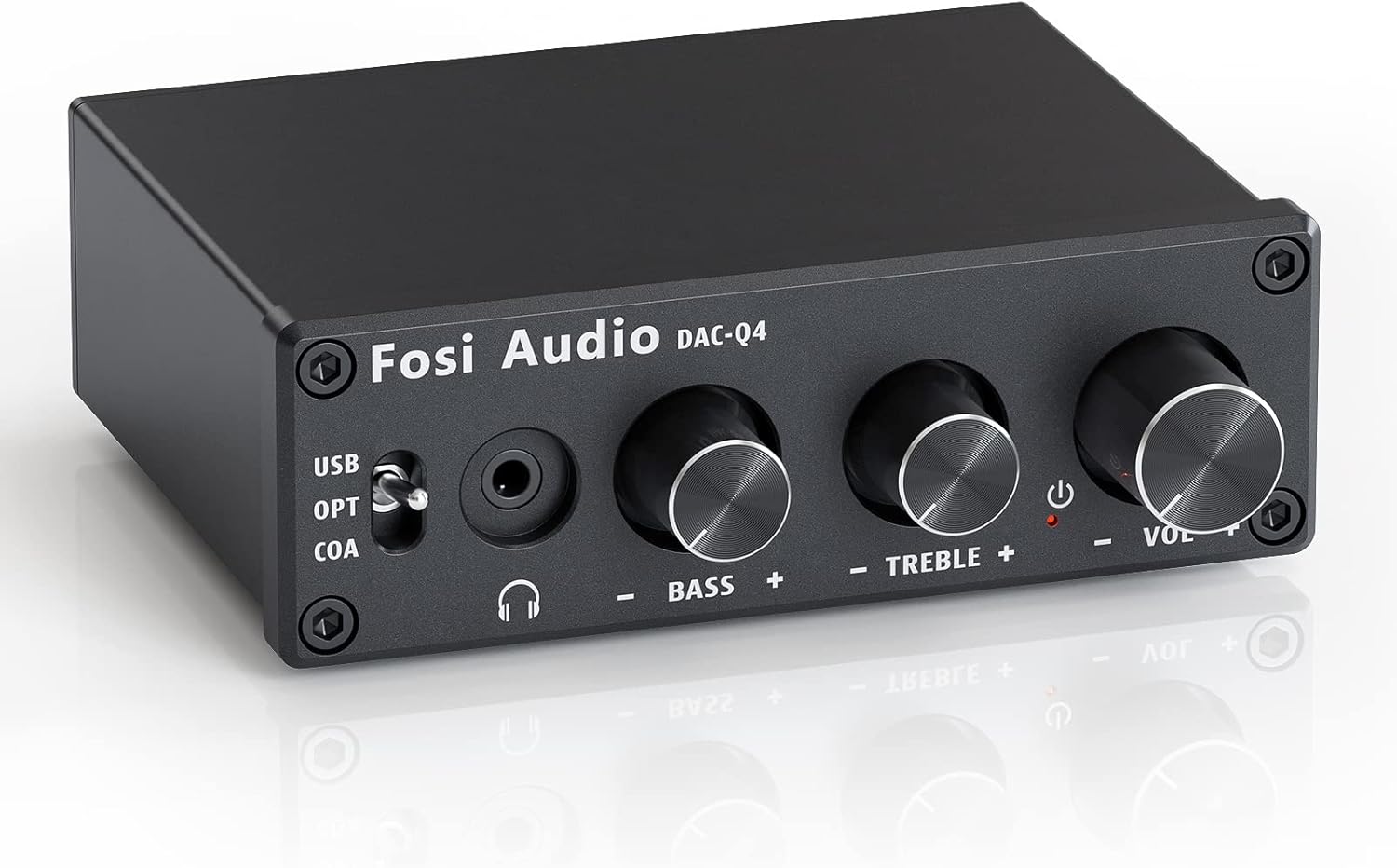
The catalog includes home audio products from Pyle, Fosi Audio, Onkyo, Denon, S.M.S.L, Yamaha Audio, Sony, DAMGOO, Douk Audio, Pioneer, Nobsound, and Moukey. Compare each listing by its specifications and intended role rather than assuming products from the same brand have identical capabilities. A brand may offer equipment for different system types, room sizes, and connection needs.
Compatibility and setup tips
Before selecting separate components, verify connector types, supported audio formats, speaker requirements, and control compatibility. If a receiver will power passive speakers, confirm that the speaker and amplifier specifications are appropriate. Active speakers may have amplification built in and therefore serve a different role.
Plan speaker placement before buying. Keep the main listening position in mind, avoid obstructing speakers, and consider cable paths if you are using wired equipment. For a cleaner installation, check whether the product supports the mounting or placement method you need.
If your listening needs are primarily radio or simple music playback, Compact Radios & Stereos may be more suitable than a full home theater arrangement. Vinyl-focused systems can be compared in Turntables & Accessories.
Frequently asked questions
Do I need a receiver for a home theater system?
Not always. Some systems combine amplification and processing in one unit, while others use a receiver to connect sources and drive separate speakers. Check the product design and your planned components.
Is surround sound necessary for watching movies?
No. Surround sound can create a more immersive presentation, but a stereo system or compact solution may be more practical for a smaller room or simpler setup.
How many speakers should a home theater have?
That depends on the system configuration, room layout, and listening goals. Choose a configuration that fits your space and confirm that the receiver or amplifier supports it.
What connections should I check first?
Start with the television and every source device you plan to use. Compare the required input and output types, then check wireless support if you plan to stream from mobile or networked devices.
Can I mix components from different brands?
Often, yes, provided the connections, speaker requirements, power specifications, and supported formats are compatible. Always compare the technical details before combining components.