

Speakers for Home Audio
Compare speakers by design, sound profile, connectivity, and system compatibility. Browse the catalog to narrow down options for music, television, home theater, and everyday listening.
961 products in catalog
961 results
Filters

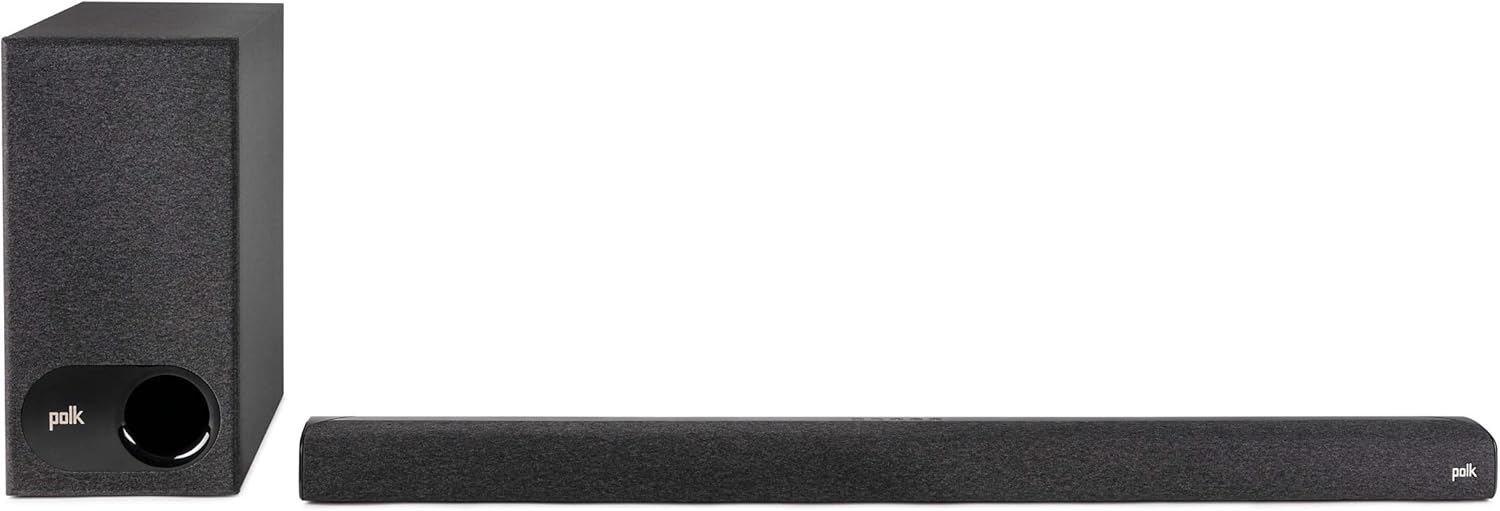


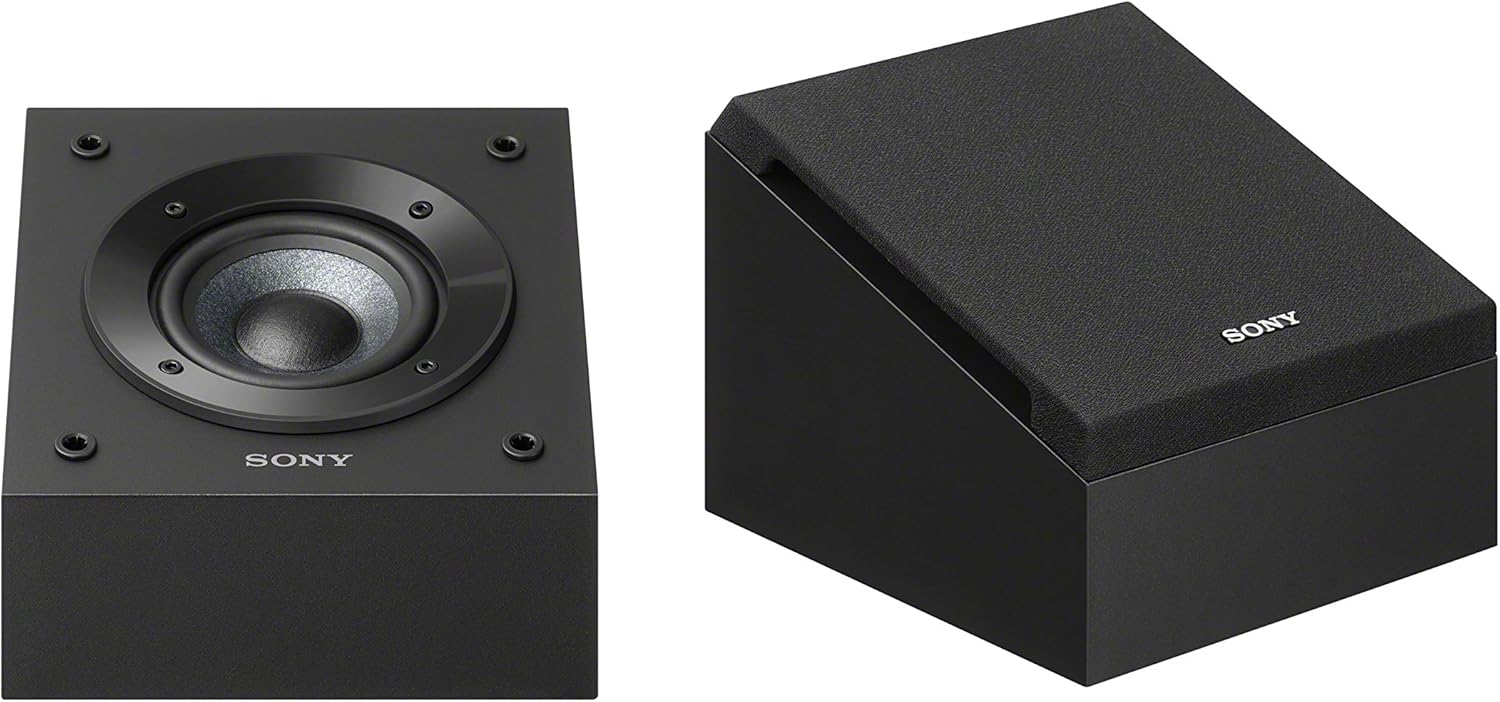
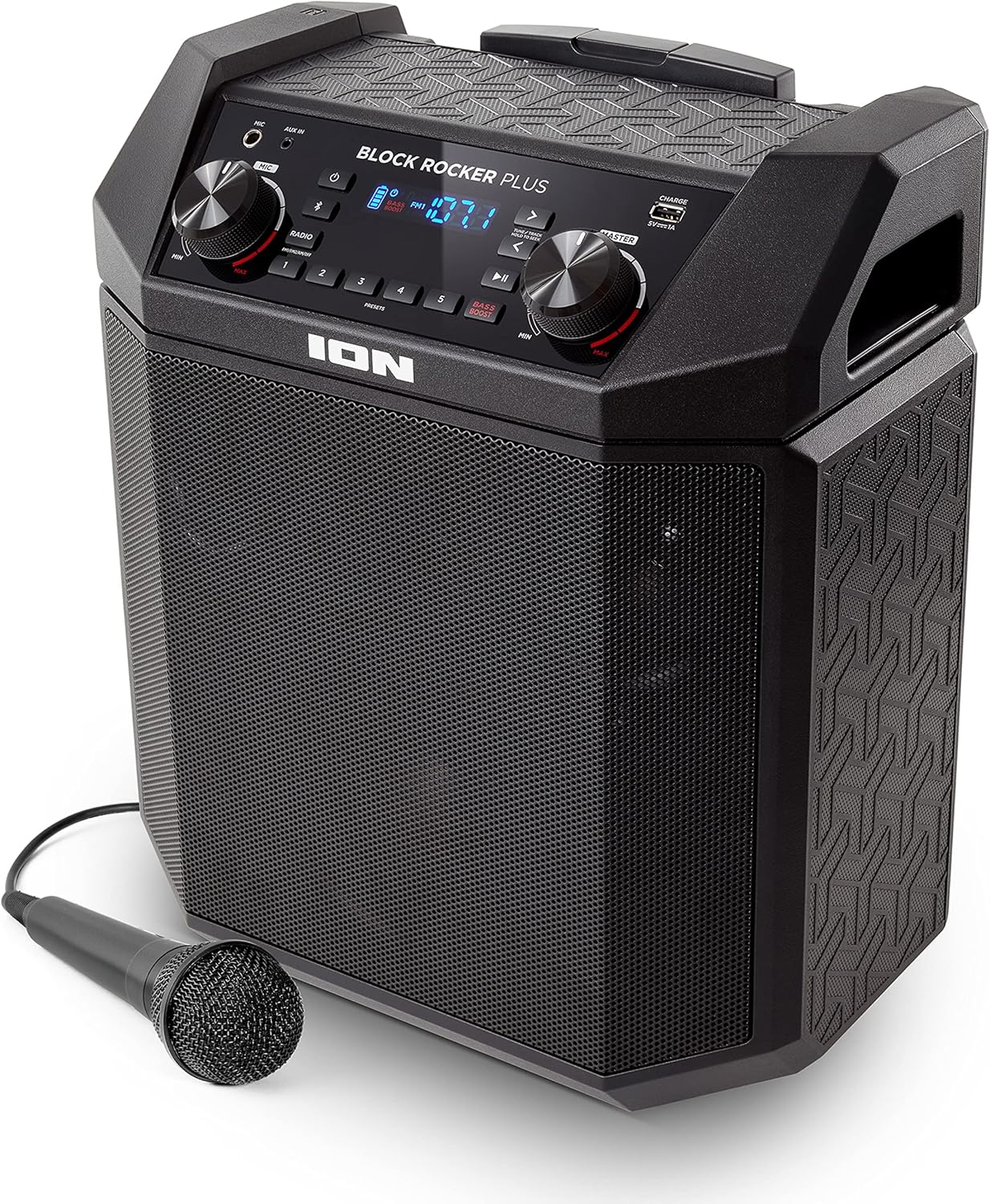

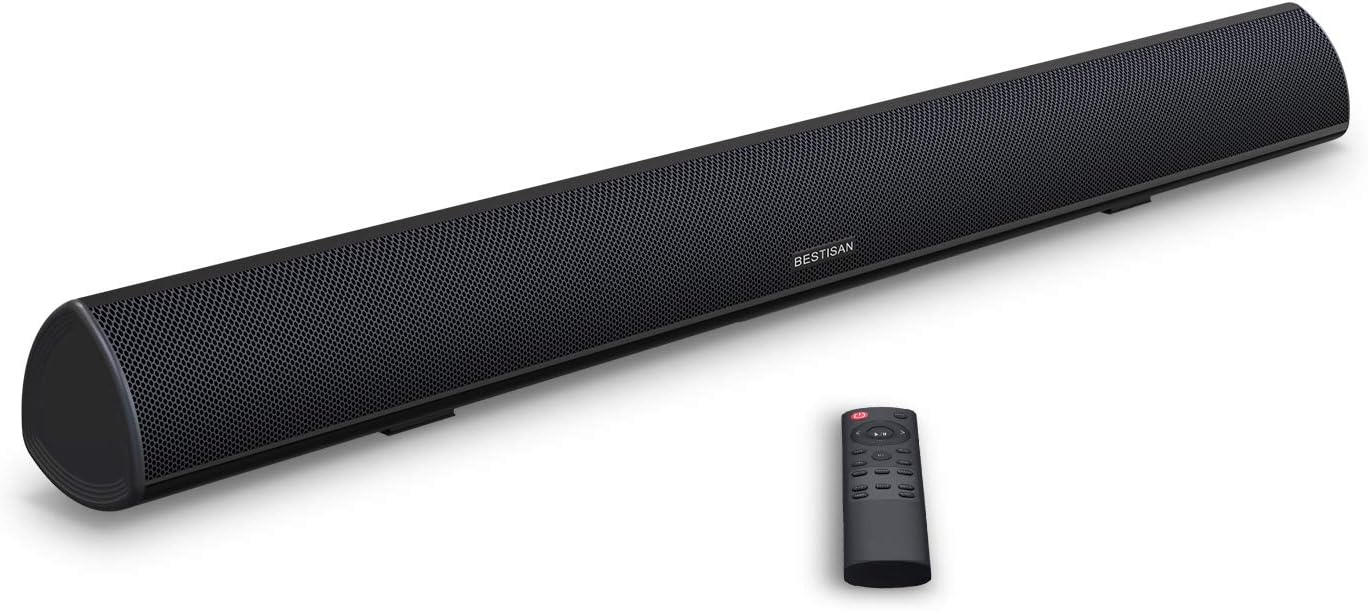
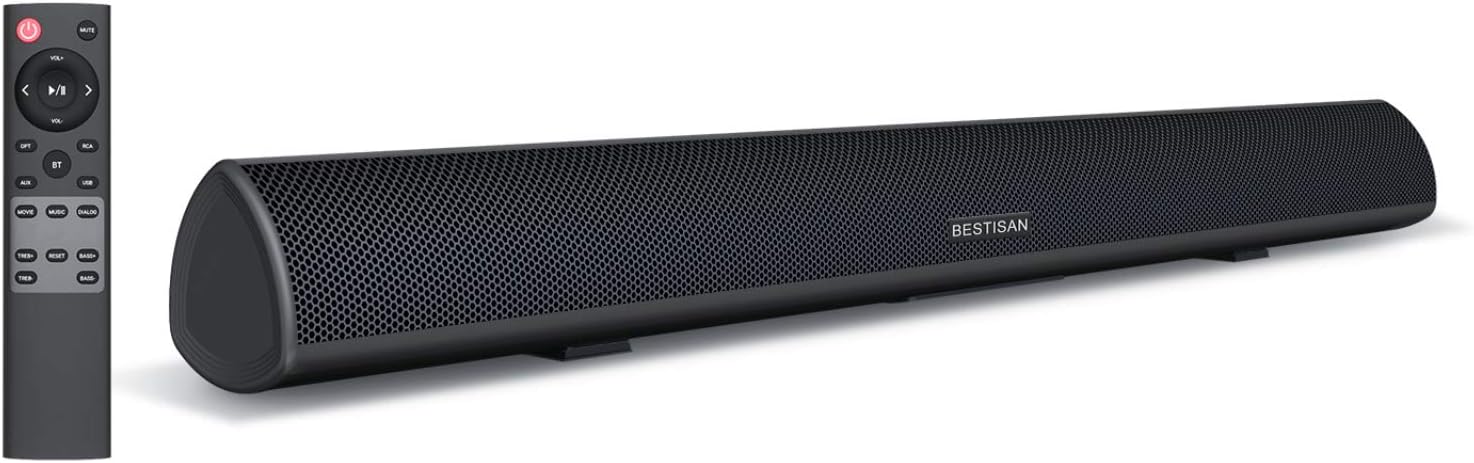



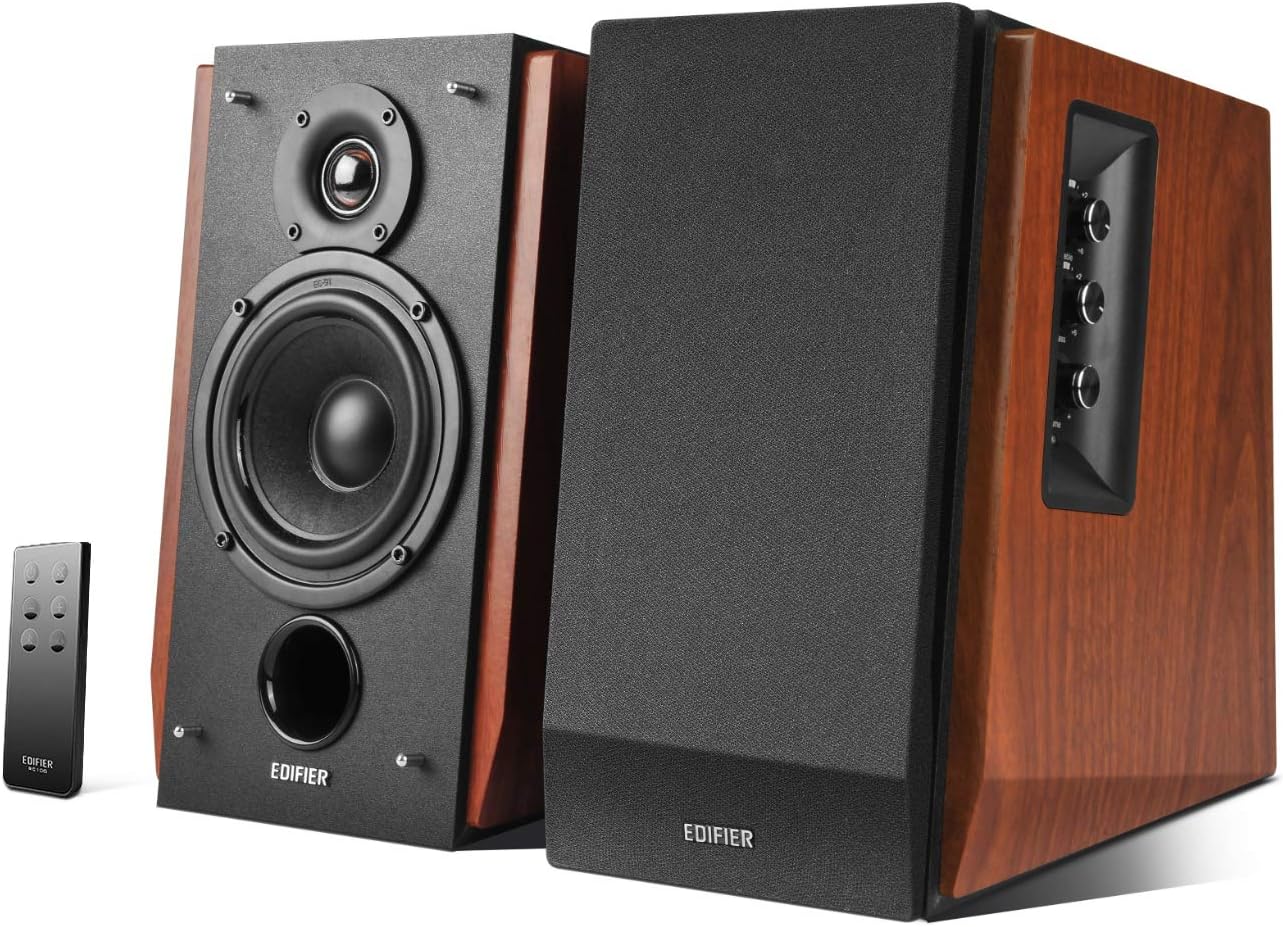

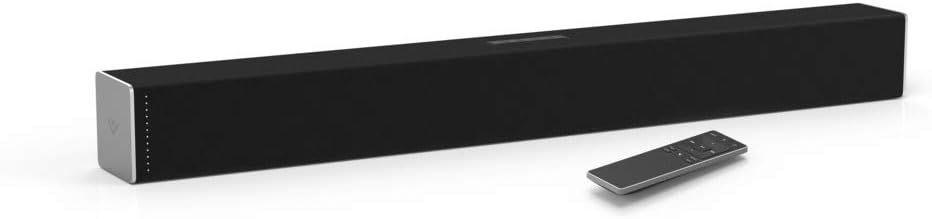
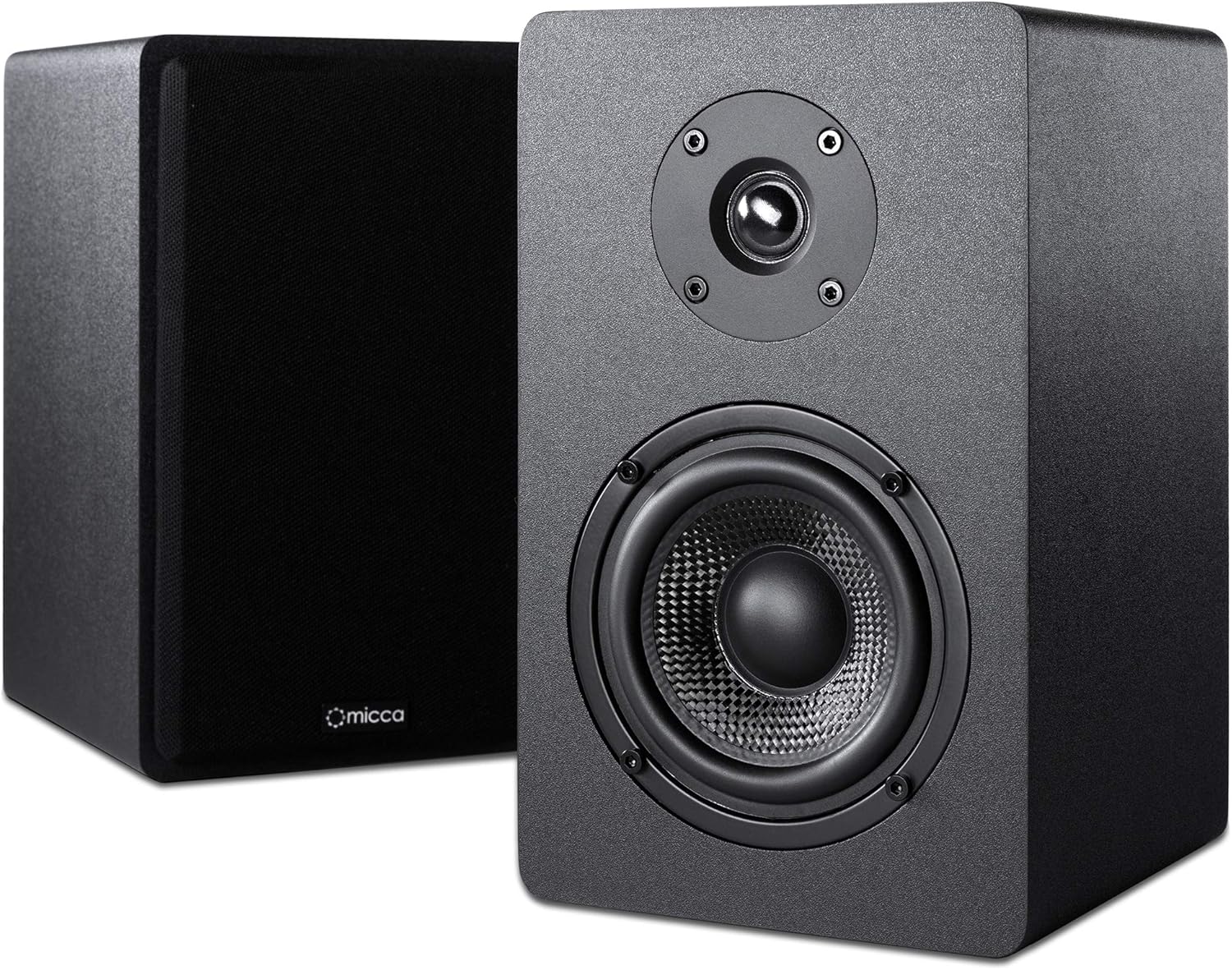


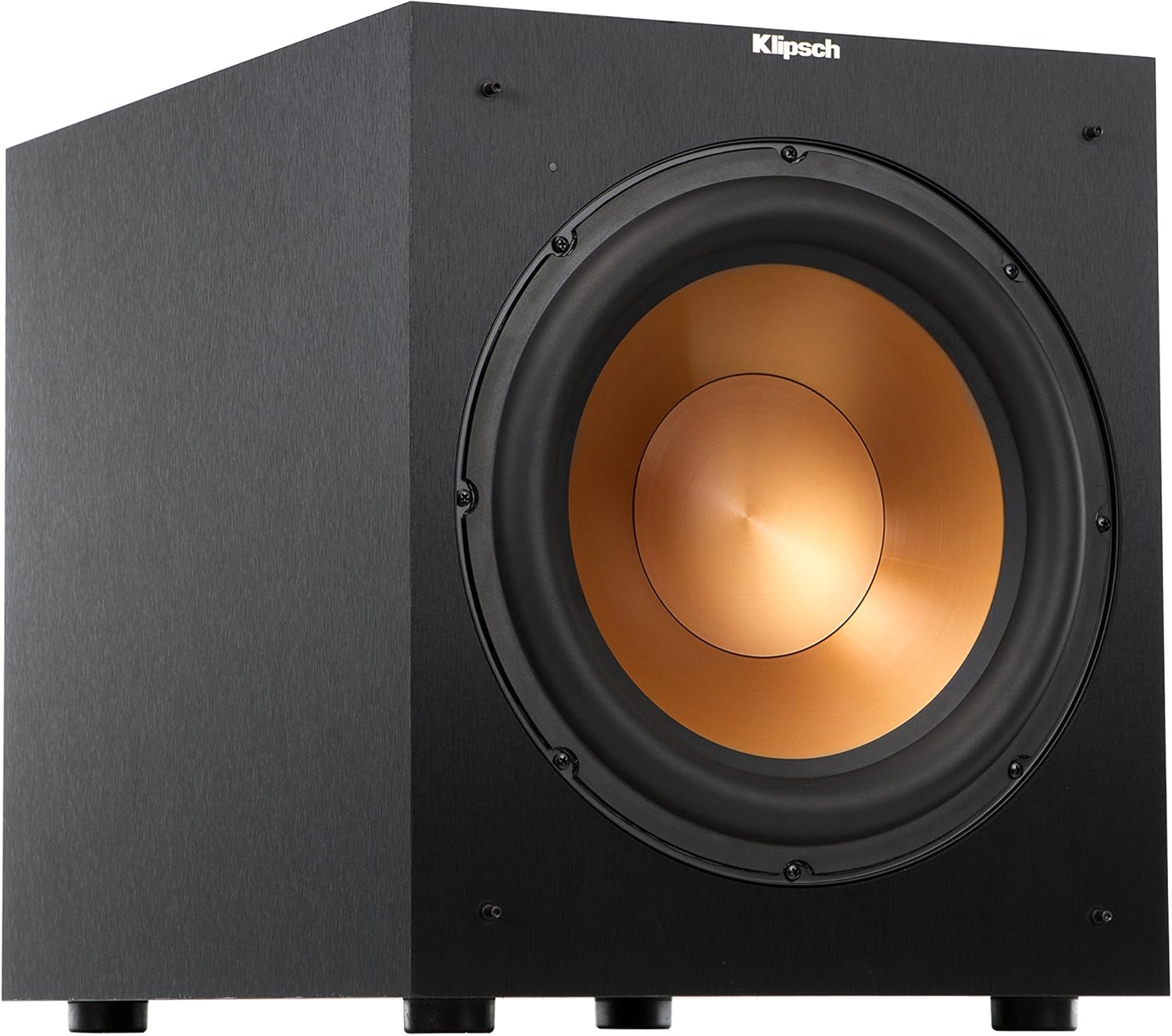


Popular brands in Speakers
Speakers shape how clearly and naturally music, dialogue, movies, and other audio are heard. The right choice depends on the room, the audio source, the equipment already in place, and whether the goal is a simple setup or a more flexible system.
This K-Catalog category brings together speaker options from brands including Klipsch, Samsung, VIZIO, Polk Audio, Sony, Pyle, Bose, Yamaha Audio, BESTISAN, JBL, Acoustic Audio by Goldwood, and Edifier. Compare specifications and features, then check the latest product details on Amazon.
How to choose speakers
Start by deciding where the speakers will be used and what they need to connect to. A compact desktop or bookshelf speaker may suit a workspace, bedroom, or smaller listening area, while larger cabinet speakers can be a better fit for a dedicated stereo setup. Television users may prioritize clear dialogue and simple connections, while music listeners may focus more on sound balance, placement flexibility, and amplifier compatibility.
Consider these questions before comparing individual products:
- Is the speaker intended for music, television, movies, gaming, or general listening?
- Will it connect to an amplifier, receiver, television, computer, turntable, or mobile device?
- Is a passive speaker system acceptable, or is built-in amplification preferred?
- How much space is available, including room for stands, wall mounting, or cable routing?
- Does the system need to be expanded later with additional speakers or a subwoofer?
For a broader look at equipment in this category, browse Home Audio.
Common speaker types
Speaker design is closely tied to the way a system is used. Common formats include bookshelf speakers, floor-standing speakers, center-channel speakers, surround speakers, soundbars, desktop speakers, and powered monitor-style speakers.
Bookshelf speakers are often chosen when space is limited or when a listener wants a separate stereo pair without large cabinets. Floor-standing speakers can provide a more substantial full-range setup, but they require more floor space and careful placement.
Center-channel speakers are designed for systems where movie and television dialogue is a priority. Surround speakers support a more immersive home theater arrangement. Those comparing a complete television audio setup may also want to explore Home Theater, while soundbar-related options can be considered alongside the broader Wireless & Streaming Audio category.
Powered speakers include built-in amplification and can simplify a setup by reducing the need for separate components. Passive speakers require compatible amplification, but they may offer more flexibility for building or upgrading a traditional stereo system.
Key specifications and features to compare
Specifications are most useful when considered together rather than in isolation. Pay attention to the following details:
- Power handling and amplification: Confirm whether the speaker is passive or powered, and check that amplifier requirements are suitable for the intended system.
- Connectivity: Look for the inputs and wireless functions needed by the source equipment. Wired terminals, optical audio, analog inputs, Bluetooth, and other connections are not interchangeable.
- Impedance and sensitivity: These specifications help determine whether a passive speaker is a practical match for a receiver or amplifier.
- Frequency response: This can indicate the range of tones a speaker is designed to reproduce, but room acoustics and placement also affect what is heard.
- Speaker configuration: Drivers and cabinet design influence how sound is distributed across bass, midrange, and treble.
- Mounting and size: Check dimensions, weight, stand requirements, and whether wall or ceiling mounting is supported before planning the installation.
If a setup needs cables, stands, mounts, or other supporting equipment, see Home Audio Accessories.
Placement and system compatibility
Even a well-matched speaker can perform poorly if it is placed incorrectly. Keep speakers clear of obstructions, allow appropriate space around cabinet vents, and aim stereo speakers toward the listening position when the design calls for it. Avoid placing equipment where it can be exposed to moisture, excessive heat, or unstable surfaces.
Compatibility matters beyond the connector itself. Verify that passive speakers work with the receiver or amplifier, that powered speakers accept the desired source, and that television or home theater components support the required audio connection. Buyers building a traditional system may also compare Stereo System Components for receivers, amplifiers, and related equipment.
Listeners using physical media can pair speaker research with Turntables & Accessories, while those seeking a compact all-in-one listening setup may prefer Compact Radios & Stereos.
Brands represented in the catalog
The catalog includes a range of speaker brands with different product focuses and form factors. Klipsch, Polk Audio, Bose, JBL, Sony, Samsung, VIZIO, Yamaha Audio, and Edifier are represented alongside Pyle, BESTISAN, and Acoustic Audio by Goldwood. Compare each product’s own specifications rather than choosing by brand name alone, since connection options, cabinet sizes, amplification, and intended use can vary across a brand’s lineup.
Frequently asked questions
Should speakers be powered or passive?
Powered speakers include built-in amplification and can simplify a small or direct setup. Passive speakers need a compatible amplifier or receiver but may provide more flexibility for a component-based system.
Are larger speakers always better?
Not necessarily. Room size, listening distance, placement, amplification, and personal preferences all matter. A speaker that is too large for a room may be difficult to position effectively.
What should I check before connecting speakers to a receiver?
Check the speaker’s impedance, power requirements, connection terminals, and the receiver’s supported specifications. Also confirm whether the speakers are passive or powered.
Do speakers need a subwoofer?
A subwoofer is optional. It can help reproduce deeper bass in some systems, but the need depends on the speaker design, room, listening preferences, and the type of content being played.
Can speakers be used for both music and television?
Yes, provided the speaker system is compatible with the television or an audio component connected to it. Check available inputs and consider whether clear dialogue or wider room coverage is a priority.