

Horns & Sirens for Security Systems
Compare security horns and sirens by sound output, power requirements, installation, and system compatibility. Browse specifications to find an alert device suited to your property.
159 products in catalog
159 results
Filters






Popular brands in Horns & Sirens
Horns and sirens provide an audible way to draw attention when a security system detects an event. The right choice depends on where the device will be installed, how it will be powered, how it connects to other equipment, and whether the alert should be heard indoors, outdoors, or across a larger area.
This K-Catalog category covers audible security alert devices for different setups. Review each listing’s specifications and features, then check the current product details on Amazon before making a purchase.
How to choose a security horn or siren
Start by identifying the system or trigger the device must work with. Some horns and sirens are intended to connect to an alarm panel, while others may be suited to a standalone installation or a particular type of control equipment. Confirm the connection method, operating voltage, and any stated compatibility requirements before choosing.
The installation environment matters as well. An indoor alert device may prioritize compact size and a suitable sound level for rooms or hallways. An outdoor model may need construction and mounting provisions appropriate for exposure to weather. Always use the manufacturer’s specifications to determine whether a product is suitable for the intended location.
Consider how the alert will be used. A warning for a small room has different requirements from an alert intended to be heard around a building. Compare sound characteristics, available alert patterns, dimensions, and mounting options rather than choosing based on appearance alone.
Common types and uses
Horns and sirens can serve several security and notification roles:
- Indoor alarm sounders: Useful for apartments, offices, garages, utility areas, and other enclosed spaces where occupants need an audible warning.
- Outdoor sirens: Designed for installations where an alert may need to be heard beyond the room containing the control panel. Check environmental suitability and mounting details carefully.
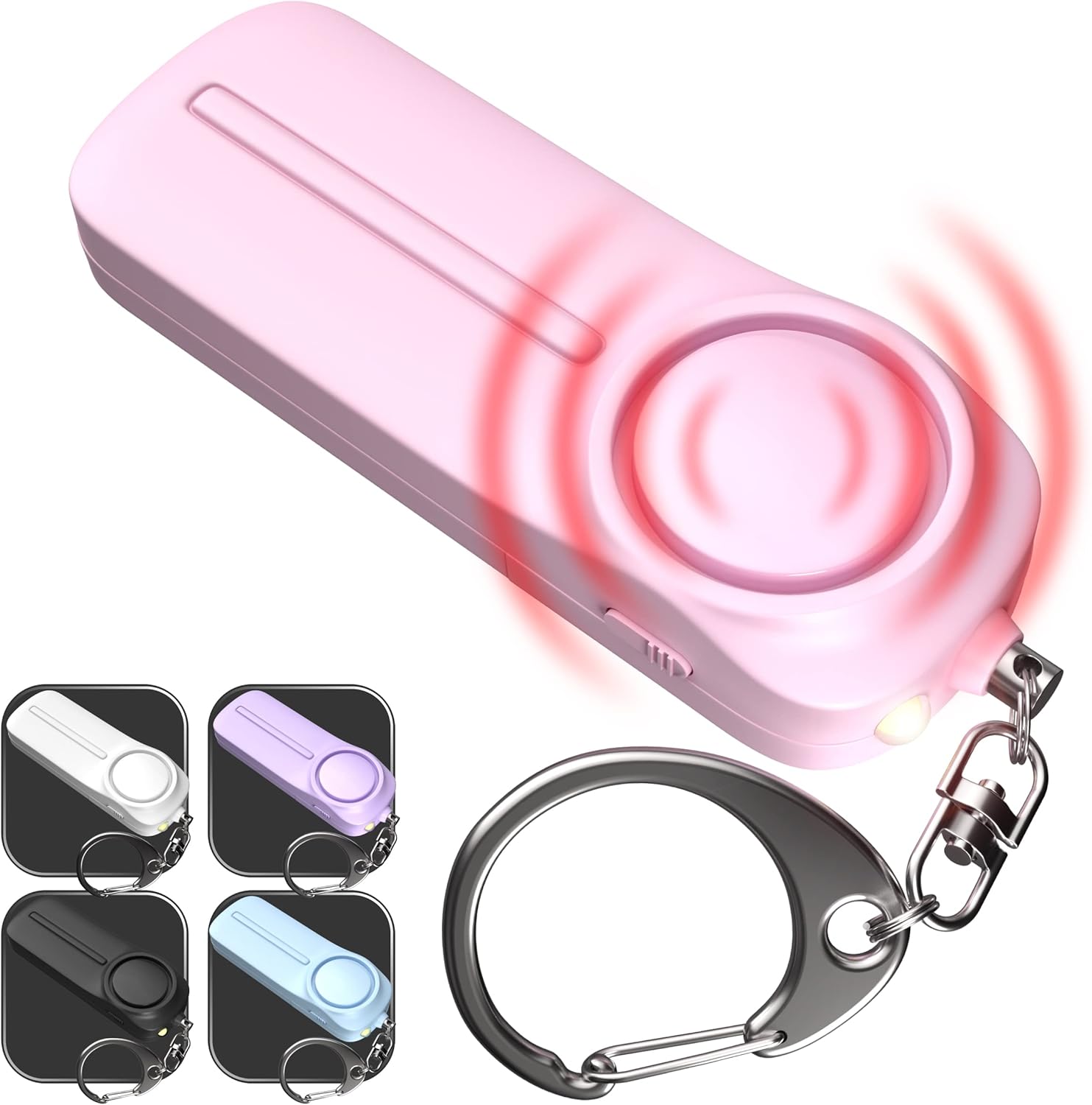
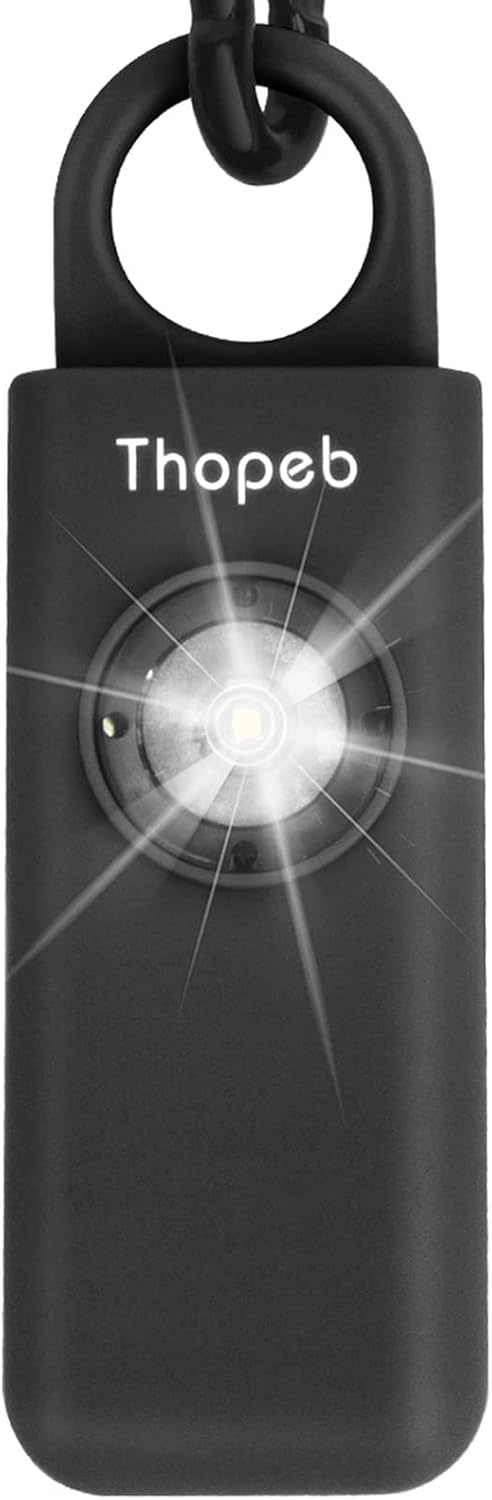
- Compact personal or vehicle alarms: Smaller devices may suit localized protection, portable equipment, vehicles, or personal safety applications.
- System-connected alarm devices: These are selected as part of a broader security setup and require close attention to wiring, control-panel support, and power specifications.
For related equipment, browse Home Security Systems for broader alarm setups or Motion Detectors for devices that can provide the trigger. Accessories may also help complete an installation.
Features and specifications to compare
Product specifications can vary substantially, so compare the details that affect installation and everyday use:
- Sound output and tone: Look for the stated sound level, tone options, and alert patterns. A louder alert is not automatically better if it is unsuitable for the space or local requirements.
- Power requirements: Check whether the device uses a wired power connection, batteries, or another specified source. Confirm that the available power matches the product requirements.
- Connection and compatibility: Review terminals, connectors, wireless requirements, control-panel compatibility, and any stated system limitations.
- Mounting: Compare included or required mounting hardware, installation orientation, dimensions, and the space needed around the device.
- Indoor or outdoor suitability: Look for clearly stated environmental guidance, enclosure information, and installation restrictions before placing a product outside.
- Controls and configuration: Some products may offer adjustable tones, timing, volume, or triggering options. Confirm which functions are built in and which require compatible system equipment.
Brands represented in the catalog
The catalog includes products from Taiker, VIGOROAD, Vigilant Personal Protection Systems, LOFTER-pro, AEOTEC, ORIA, GE, TOODOO, Xprite, SABRE, Stinger, and WETEN. These brands are represented across the available catalog, but features and compatibility can differ from one product to another. Compare the individual specifications rather than relying on brand name alone.
If your project also includes cameras or recording equipment, Surveillance Video Equipment can help you explore related security hardware. For other monitoring approaches, see Radio Scanners or Biometrics.
Installation and selection tips
Before ordering, map out where the device will be mounted and how its sound should travel. Walls, doors, machinery, and outdoor surroundings can affect how well an alarm is heard. Keep the device accessible for maintenance while positioning it where it is less likely to be damaged or tampered with.
Read the product documentation for wiring, polarity, power, and testing requirements. If the horn or siren is being connected to an existing alarm system, verify compatibility with the panel or controller first. Installation should follow applicable electrical, building, and local noise requirements. Test the finished setup responsibly and notify occupants or nearby parties when appropriate.
Frequently asked questions
What is the difference between a horn and a siren?
Both are audible alert devices. Product naming varies, so compare the listed tone, sound output, alert patterns, and intended application instead of relying only on the title.
Can any siren connect to any security system?
No. Compatibility depends on the system’s power, wiring or wireless method, control interface, and supported device types. Check both the siren and alarm-panel specifications.
Should an outdoor siren be weather-resistant?
A device installed outdoors should have suitability for that environment clearly stated by the manufacturer. Review enclosure and installation guidance before exposing it to weather.
How loud should a security horn be?
Choose a sound level appropriate for the area that needs to hear the alert. Compare the manufacturer’s stated output with the size, layout, and occupants of the property.
What should be checked before installation?
Confirm power requirements, compatibility, mounting location, wiring or pairing steps, environmental suitability, and any applicable local requirements.