
Amazon Basics
Amazon Basics 36-Pack AA Alkaline High-Performance Batteries, 1.5 Volt, 10-Year Shelf Life
See current price

Compare household batteries by size, chemistry, rechargeability, and intended use. Review specifications from a range of catalog brands before choosing batteries for everyday devices.
2,582 products in catalog
2,582 results
Amazon Basics
See current price

Amazon Basics
See current price

Amazon Basics
See current price

Amazon Basics
See current price

Amazon Basics
See current price

Energizer
See current price

Amazon Basics
See current price


Amazon Basics
See current price

Duracell
See current price

Amazon Basics
See current price


Energizer
See current price


Amazon Basics
See current price

Amazon Basics
See current price

Energizer
See current price

Amazon Basics
See current price
Duracell
See current price

Household batteries power everything from remote controls and clocks to toys, flashlights, cameras, and emergency equipment. The right choice depends on the device, battery compartment, expected usage, and whether you want a disposable or rechargeable option.
K-Catalog helps shoppers compare battery specifications and features in one place before clicking through to Amazon for current product details. Use the information on each listing to confirm compatibility rather than choosing only by brand or package appearance.
Start with the device’s required battery size and chemistry. The size must match the compartment, while the chemistry affects how the battery is used, stored, and recharged.
For more household essentials, browse the broader Household Supplies category.
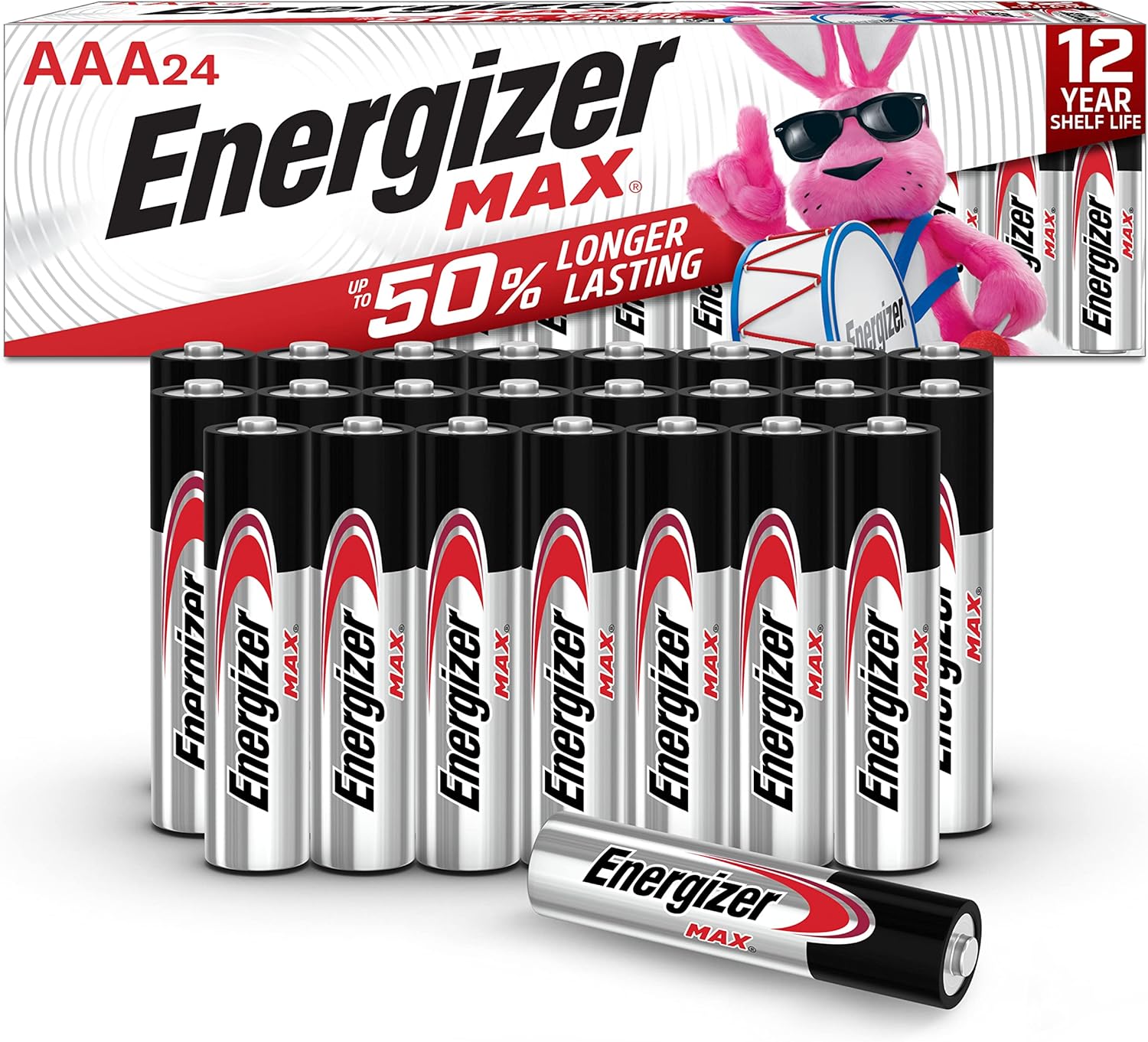
Alkaline batteries are a familiar choice for household electronics such as clocks, remotes, toys, and flashlights. Compare the listed size, pack format, storage guidance, and intended application.
Rechargeable batteries are designed for repeated use with the appropriate charger. Look for the chemistry, stated capacity, included accessories, and whether the listing contains individual cells, a charger, or both.
Lithium batteries include both rechargeable and non-rechargeable products, so the product description matters. Check the exact chemistry and intended device before purchase, especially for cameras, sensors, and compact electronics.
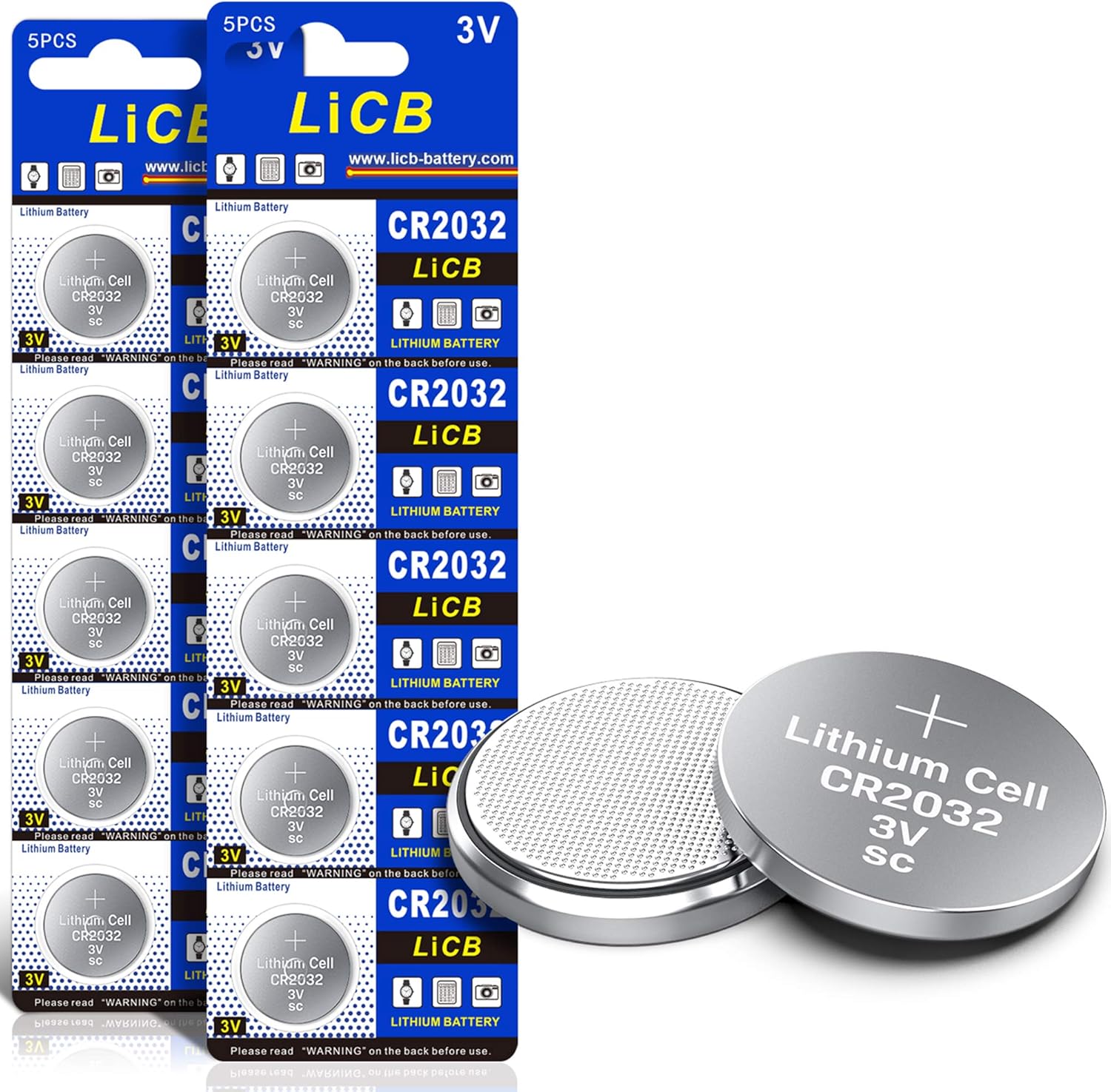
Coin and button batteries are used in small devices such as watches, calculators, key fobs, and certain medical or electronic accessories. Match the code and physical dimensions precisely; batteries that look similar may not be interchangeable.
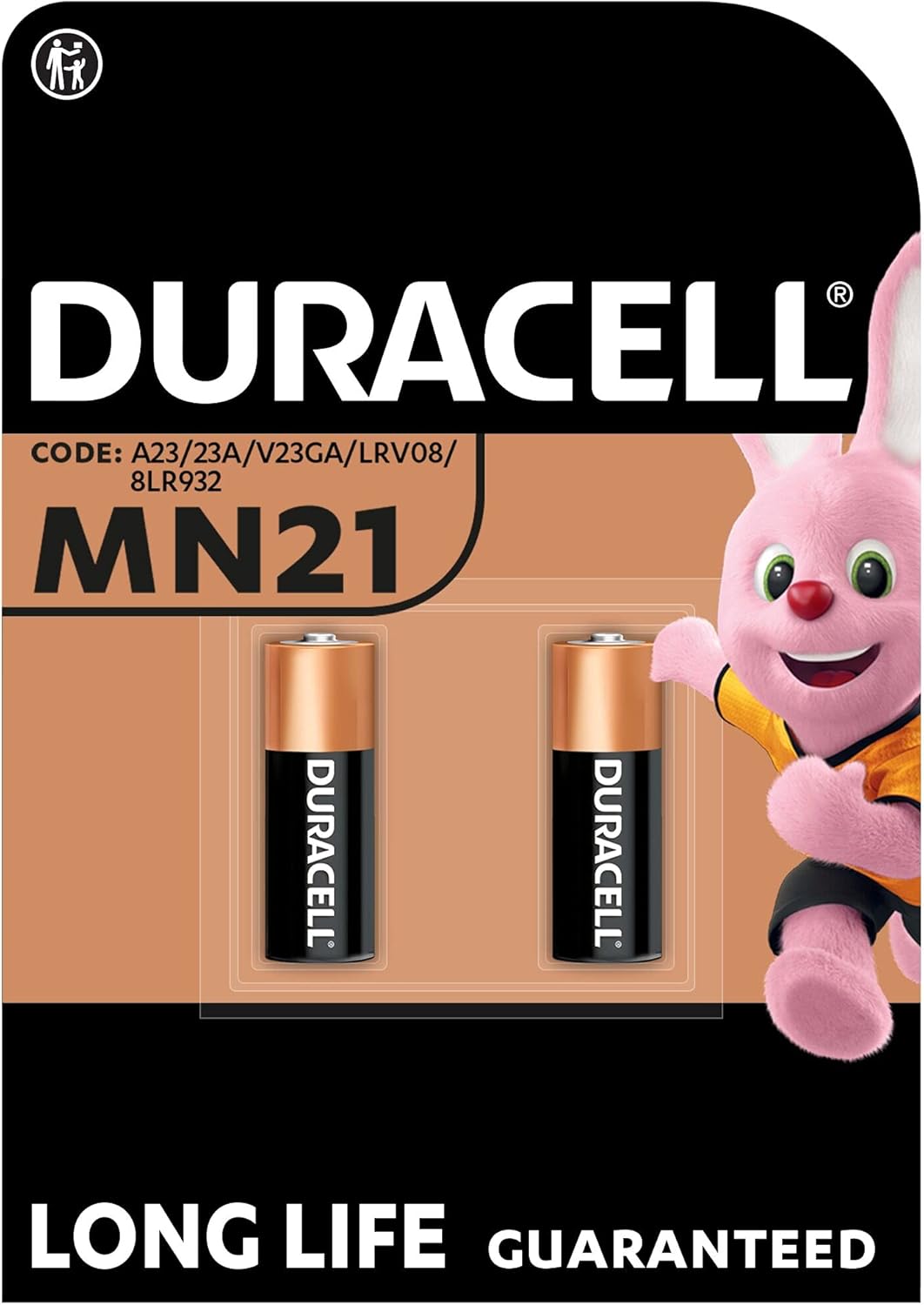
Specialty and larger-format batteries can support alarm systems, backup equipment, lanterns, and other devices. Confirm terminal style, voltage, dimensions, and whether the product is intended for a specific application.
Battery labels can contain several details that help narrow the selection:
Avoid mixing old and new batteries, different chemistries, or partially used and fresh cells in the same device unless the manufacturer specifically permits it.
The catalog includes household battery listings from Energizer, Duracell, Panasonic, Mighty Max Battery, Maxell, Renata Batteries, PKCELL, EBL, Universal Power Group, Sony, Amazon Basics, and LOOPACELL. These brands may appear across different battery sizes, chemistries, and applications, so compare the specifications of the individual product rather than relying on the brand name alone.
Related household categories include Paper & Plastic, Cleaning Tools, and Household Cleaning.
Store batteries in their original packaging or a suitable battery organizer, away from moisture, excessive heat, and loose metal objects. Keep loose coin and button batteries out of reach of children and pets, since swallowing them can be dangerous.
Remove batteries from devices that will not be used for an extended period when the device manufacturer recommends it. Recycle or dispose of used batteries according to local requirements, and never attempt to recharge batteries labeled as non-rechargeable. For rechargeable products, use the recommended charger and discontinue use if a battery becomes damaged, swollen, or unusually hot.
Check the marking inside the device’s battery compartment or consult its manual. Match the exact size, voltage, and contact style shown by the manufacturer.
Not always. Confirm that the device accepts the rechargeable chemistry and voltage, and use a charger designed for that battery type.
They use different chemistries and may have different operating characteristics, storage guidance, and device compatibility. Follow the device instructions and compare the product specifications.
It is generally best not to mix different brands, chemistries, ages, or charge levels in one device. Replace batteries as a complete set when the device requires multiple cells.
Keep them in a cool, dry location, protected from loose metal objects and direct heat. Leave batteries in their packaging until needed when practical.