

Industrial Process Filtration
Compare industrial process filtration products by design, materials, compatibility, and maintenance requirements. Use the catalog to narrow options before checking availability on Amazon.
18 products in catalog
18 results
Filters

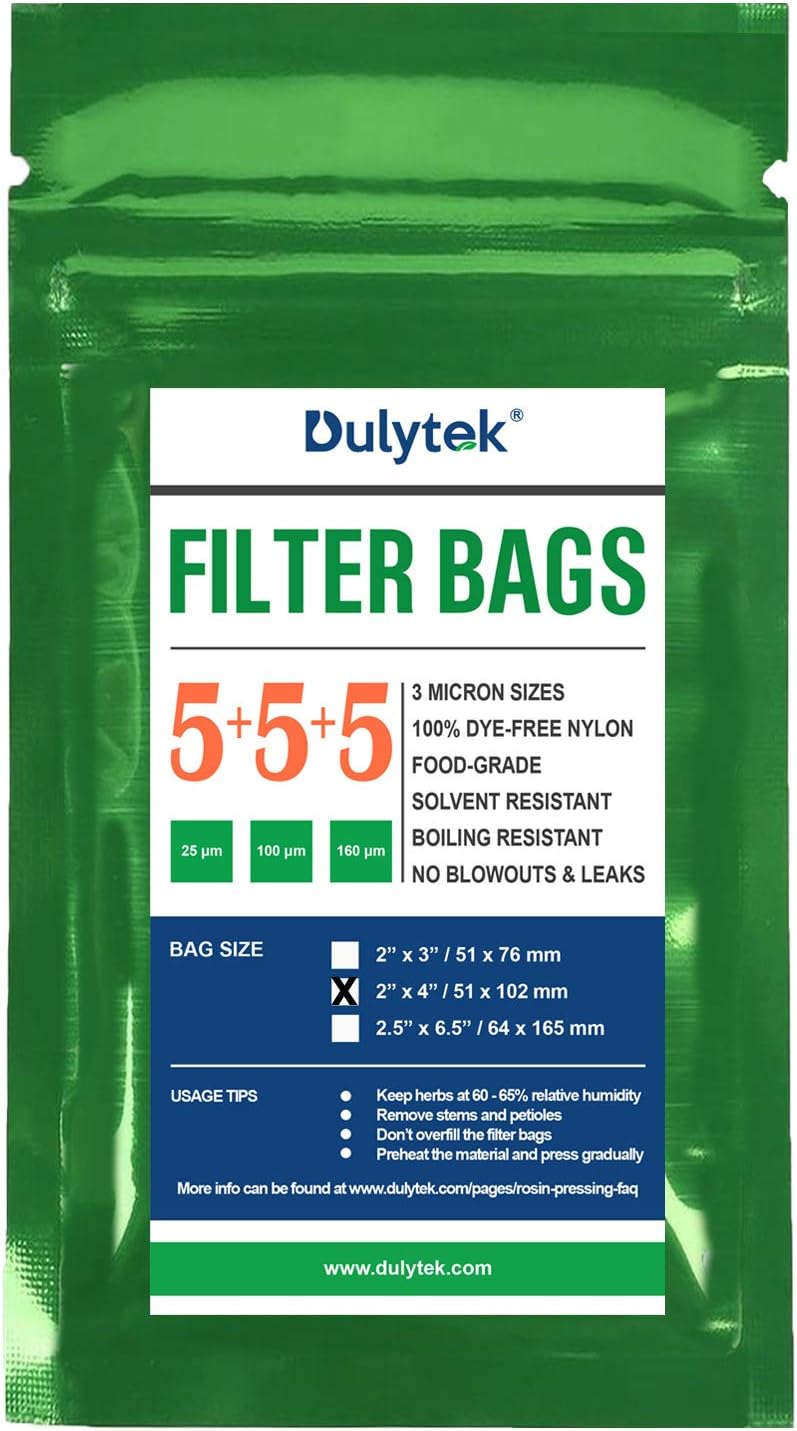
![[ 20 Pack ] 2x4.5 Inch Filter Bag Variety Pack - Contains 37, 90, 120 and 160 Micron Press Bags (5 Pieces Each) - Hold 3.5-7 Grams, Sized for 2x4 Pre Press Mold](https://m.media-amazon.com/images/I/61csf8bNZZL._AC_SL1200_.jpg)


Hydronix
Hydronix HF2-10CLWH14, 10" Clear Housing with White Flat Cap For RO & Filtration Systems, 1/4" Ports
See current price

Solberg
Solberg FS-06-050 Filter Silencer, 1/2" MPT Outlet, 3-13/16" Height, 3-1/4" Diameter, 12 SCFM
See current price

Hydronix
Hydronix HF3-10CLBK34, 10" Clear Housing with Black Rib Cap For RO & Filtration Systems, 3/4" Ports
See current price


Hydronix
Hydronix HF2-10CLWH12, 10" Clear Housing with White Flat Cap For RO & Filtration Systems, 1/2" Ports
See current price
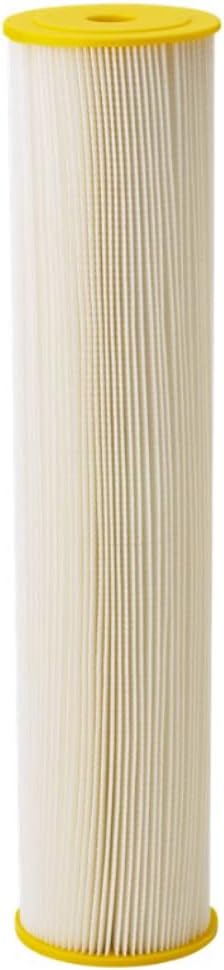


Solberg Manufacturing
Solberg 06™ Replacement Paper Filter for Compressor, 1-3/8" Height, 3" Outer Diameter, 12 SCFM, Made in the USA
See current price

Pentek
Pentek BP-420-1 Polypropylene 1 Micron, 4.5" x 20", 1 Count (Pack of 1), White
See current price

Popular brands in Industrial Process Filtration
Industrial process filtration equipment helps separate unwanted particles, solids, or other contaminants from liquids and gases used in production environments. The right choice depends on the fluid being filtered, the contaminant, the required flow, and how the system will be maintained.
K-Catalog makes it easier to compare listed products by their specifications and features. Review each product carefully for connection details, filter construction, operating requirements, and intended application before selecting a replacement or new component.
How to choose industrial process filtration equipment
Start by defining the job the filter must perform. A filter intended to remove visible sediment from water may have very different requirements from one used to protect pumps, process equipment, or pneumatic components.
Consider these factors first:
- Filtered medium: Determine whether the product is designed for water, chemicals, oil, air, gas, or another process fluid.
- Contaminant type: Identify whether the concern is sediment, rust, scale, fibers, particulates, moisture, or another material.
- Flow requirements: The filter must accommodate the system’s normal flow without creating an unacceptable restriction.
- Operating conditions: Check temperature, pressure, chemical exposure, and any environmental requirements listed in the specifications.
- Maintenance approach: Compare replaceable elements, cleanable components, and access requirements for inspection or servicing.
Compatibility is especially important when replacing an existing filter. Match the connection style, housing or element dimensions, filtration method, and system requirements rather than relying on appearance alone.
Common filtration approaches
Industrial process filtration can include several designs, each suited to different separation tasks. Cartridge filters are commonly considered when a replaceable cylindrical element is convenient for routine servicing. Bag filters may suit applications where the collected material needs to be removed by changing a flexible filter bag.
Strainers use a screen or perforated element to capture larger particles and can be useful as a protective stage ahead of pumps, valves, or finer filtration. For air and gas systems, specialized separation equipment may address particles, moisture, or oil carryover. Compare the product description and specifications to confirm the intended medium and role.
For nearby equipment categories, browse Strainers, Compressed Air Treatment, and Lab Filters. These categories can help when the application is better described by the separation method or operating environment than by the broader process-filtration label.
Specifications and features to compare
Product specifications are more useful when viewed in the context of the complete filtration system. Pay attention to:
- Filter media and construction: Materials affect durability, chemical compatibility, and the types of contaminants the product can handle.
- Micron or particle rating: Where provided, this indicates the size of particles the filter is designed to address. Confirm how the rating is defined before comparing products.
- Port and connection details: Check thread type, connection size, inlet and outlet arrangement, and installation orientation.
- Pressure and temperature limits: These requirements must align with the actual process conditions, including possible surges.
- Housing and element format: Confirm whether the item is a complete assembly, a replacement element, or a component for a specific housing.
- Cleaning and replacement needs: Look for information about service access, element changes, flushing, or other routine tasks.
A finer filter is not automatically the right filter. Excessive restriction, frequent replacement, or incompatibility with the process can make an otherwise suitable-looking product impractical. In many systems, staged filtration is considered so larger contaminants are removed before finer elements.
Brands represented in the catalog
The catalog includes products associated with Pentek, Hydronix, Pentair Industries, Denshine, Aquaboon, Solberg, DABPRESS, Solberg Manufacturing, Dulytek, Watts, and Duda Diesel. Brand presence is useful for narrowing a comparison, but specifications should remain the deciding factor.
When comparing products from different brands, review the complete listing for dimensions, materials, connection information, operating limits, and replacement compatibility. Similar-looking components may not be interchangeable.
Installation and maintenance considerations
Before installation, confirm that the process is isolated and that pressure has been safely relieved according to the equipment manufacturer’s instructions. Check seals, fittings, and flow direction where applicable. A filter installed in the wrong orientation or with mismatched connections may not perform as intended.
Create a service routine based on operating conditions rather than waiting for a complete loss of flow. Inspect for pressure increase, visible damage, leaks, unusual process behavior, or changes in output quality. Follow the manufacturer’s guidance for cleaning, replacement, disposal, and material compatibility.
If the filtration component protects downstream machinery, verify that the selected product provides the level of protection required by that equipment. For specialized processes, consult the system manufacturer or a qualified technician before making a change.
Frequently asked questions
What should be checked first when selecting a process filter?
Identify the filtered medium, contaminant, flow requirement, pressure, temperature, and connection details. These factors help eliminate incompatible products early.
Is a finer filtration rating always better?
No. A finer element may increase flow resistance or require more frequent service. Select a rating that matches the process objective and equipment requirements.
How can a replacement filter be matched to an existing system?
Compare the original component’s dimensions, connection type, media, flow direction, operating limits, and housing compatibility with the new product’s specifications.
What is the difference between a strainer and a finer process filter?
A strainer generally uses a screen or perforated element to capture larger debris, while finer filters are designed to separate smaller particles or specific contaminants. The appropriate choice depends on the system’s purpose.
When should a filter element be replaced?
Replacement timing depends on the element, process conditions, manufacturer guidance, and signs such as rising restriction, reduced flow, damage, or changes in filtration performance.