

Strainers for Industrial Filtration
Compare industrial strainers by construction, filtration opening, connection style, flow requirements, and service needs. Use the specifications to narrow options for your system.
7 products in catalog
7 results
Filters
Availability
Price


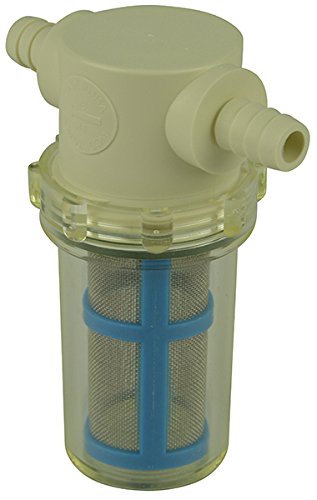
VacMotion Inc.
3/8" Hose Barb in-Line Strainer with 50 mesh Stainless Steel Filter Screen
See current price

Popular brands in Strainers
Strainers help protect pumps, valves, nozzles, piping, and other equipment by catching unwanted solid particles from a flowing liquid or gas. They are generally selected for applications where the captured material needs to be removed periodically rather than permanently separated by a fine filter.
The right choice depends on the medium, expected debris, operating conditions, and how easily the unit can be inspected or cleaned. This K-Catalog selection includes products from SEACHOICE, Apache, Flow-Rite, SAFBY, Saillong, Dreyoo, and VacMotion Inc., giving shoppers specifications to compare before checking the current product details on Amazon.
How to choose a strainer
Start with the system’s operating requirements rather than choosing by appearance alone. A strainer should be compatible with the fluid or gas, the piping arrangement, and the equipment it is intended to protect.
Key questions include:
- What material is flowing through the system?
- What size and type of debris must be captured?
- What flow rate and pressure conditions must the strainer handle?
- How often can the system be stopped for cleaning?
- What connection, orientation, and available space does the installation require?
For occasional inspection, a straightforward removable screen may be suitable. Systems that run continuously or collect debris quickly may need an arrangement that makes cleaning and service less disruptive.
Common strainer designs and applications
Strainers are available in several configurations, each suited to different installation and maintenance priorities. Product terminology can vary, so compare the actual diagrams and specifications rather than relying on the name alone.
- Inline strainers fit directly into a run of tubing or pipe and can be useful where a compact, in-line installation is preferred.
- Y-strainers place the screening element at an angle to the main flow path. This layout is commonly considered where access for screen removal is available below or beside the pipe.
- Basket strainers use a larger collection area and can be useful in applications where more debris may accumulate between cleanings.
- Suction or intake strainers are intended for the inlet side of pumps and similar equipment, where preventing larger particles from entering the system is important.
- Special-purpose strainers may be designed for particular fluids, equipment, hose arrangements, or compact spaces. Confirm the intended use and connection details before selecting one.
For broader equipment comparisons, see Industrial Process Filtration. Applications involving compressed air may be better matched with Compressed Air Treatment, while laboratory workflows can call for Lab Filters.
Specifications and features to compare
Screen or mesh opening is one of the most important specifications. A smaller opening can capture finer particles, but it may also require more frequent cleaning or create greater flow resistance when debris builds up. Choose an opening based on the equipment’s protection requirements and the particles that need to pass through.
Construction material affects durability, compatibility, and maintenance. Compare the body and screen materials separately when both are listed. Consider exposure to moisture, chemicals, temperature changes, outdoor conditions, and the fluid being handled.
Connection type and size must match the surrounding plumbing or equipment. Check whether the product uses threaded, hose, flanged, or another connection style, and verify the applicable sizing standard. A physical fit is not enough if the connection method or sealing arrangement is incompatible.
Other useful specifications include:
- Maximum working pressure and temperature
- Recommended flow direction
- Rated flow capacity or pressure drop information
- Screen shape and removal method
- Seal, gasket, or O-ring material
- Drain, flush, or cleanout provisions
- Overall dimensions and clearance for service
- Compatibility with the pump, valve, hose, or fitting being protected
If the catalog listing does not provide a specification needed for a safety-critical installation, consult the manufacturer’s documentation before purchase.
Installation and maintenance considerations
Install the strainer in the orientation specified by the manufacturer and leave enough room to remove the screen or basket. A shutoff arrangement upstream and downstream can make inspection easier, but the system design must account for pressure relief and safe isolation.
Inspect the screen when flow decreases, pressure loss rises, or protected equipment shows signs of restricted supply. Clean the element using a method appropriate for its material; aggressive tools or unsuitable chemicals can damage the screen, housing, or seals. Replace worn screens and sealing components rather than continuing to use parts that no longer fit securely.
A strainer is not a substitute for every type of filtration. If the application requires very fine particle removal, controlled laboratory separation, or treatment of compressed air, compare the requirements with the appropriate filtration category before deciding.
Brands represented in the catalog
The Strainers catalog includes SEACHOICE, Apache, Flow-Rite, SAFBY, Saillong, Dreyoo, and VacMotion Inc. These brands are represented in the catalog for shoppers comparing available construction, connection, sizing, and application details. Brand name alone should not replace checking the complete technical specifications for the intended system.
Frequently asked questions
What is the difference between a strainer and a filter?
A strainer typically removes larger solid particles with a screen or perforated element that can be cleaned and reused. A filter may be designed for finer separation and may use a replaceable or disposable media. The distinction depends on the product and application.
How fine should a strainer screen be?
Choose an opening small enough to protect the downstream equipment while allowing the required flow. A finer screen may restrict flow more quickly as debris accumulates, so balance particle protection with cleaning frequency and system capacity.
Where should a strainer be installed?
Placement depends on what needs protection. It may be installed before a pump, valve, nozzle, or other sensitive component, provided the connection, flow direction, pressure rating, and service access are suitable.
How often does a strainer need cleaning?
Cleaning frequency depends on the amount and type of debris, the screen opening, operating hours, and changes in flow or pressure. Establish an inspection routine and service the element when restriction becomes noticeable.
Can any strainer be used with any fluid?
No. Check the body, screen, seal, temperature, pressure, and connection materials for compatibility with the fluid and operating environment. When the application involves chemicals or unusual temperatures, verify the manufacturer’s guidance before installation.