
Summit...responsible solutions
Summit Mosquito Bits, 20 lb, Quick-Kill Biological Control for mosquitos and fungus gnats
See current price

Compare insect and pest repellents by application type, active ingredients, coverage, and intended use. This catalog helps you narrow options for outdoor activities, travel, home use, and everyday protection.
259 products in catalog
259 results
Summit...responsible solutions
See current price

OFF!
See current price


SC Johnson
See current price


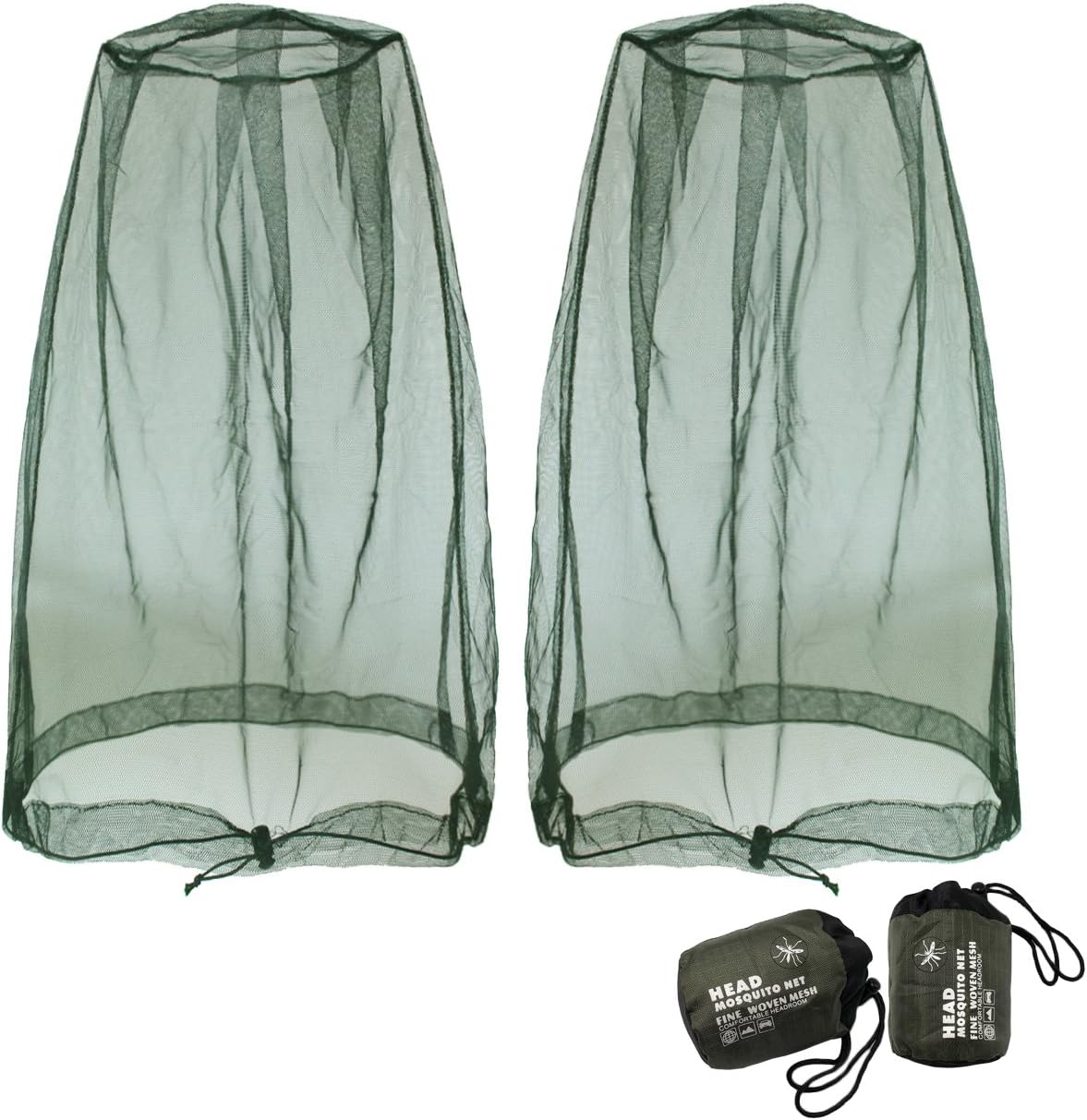


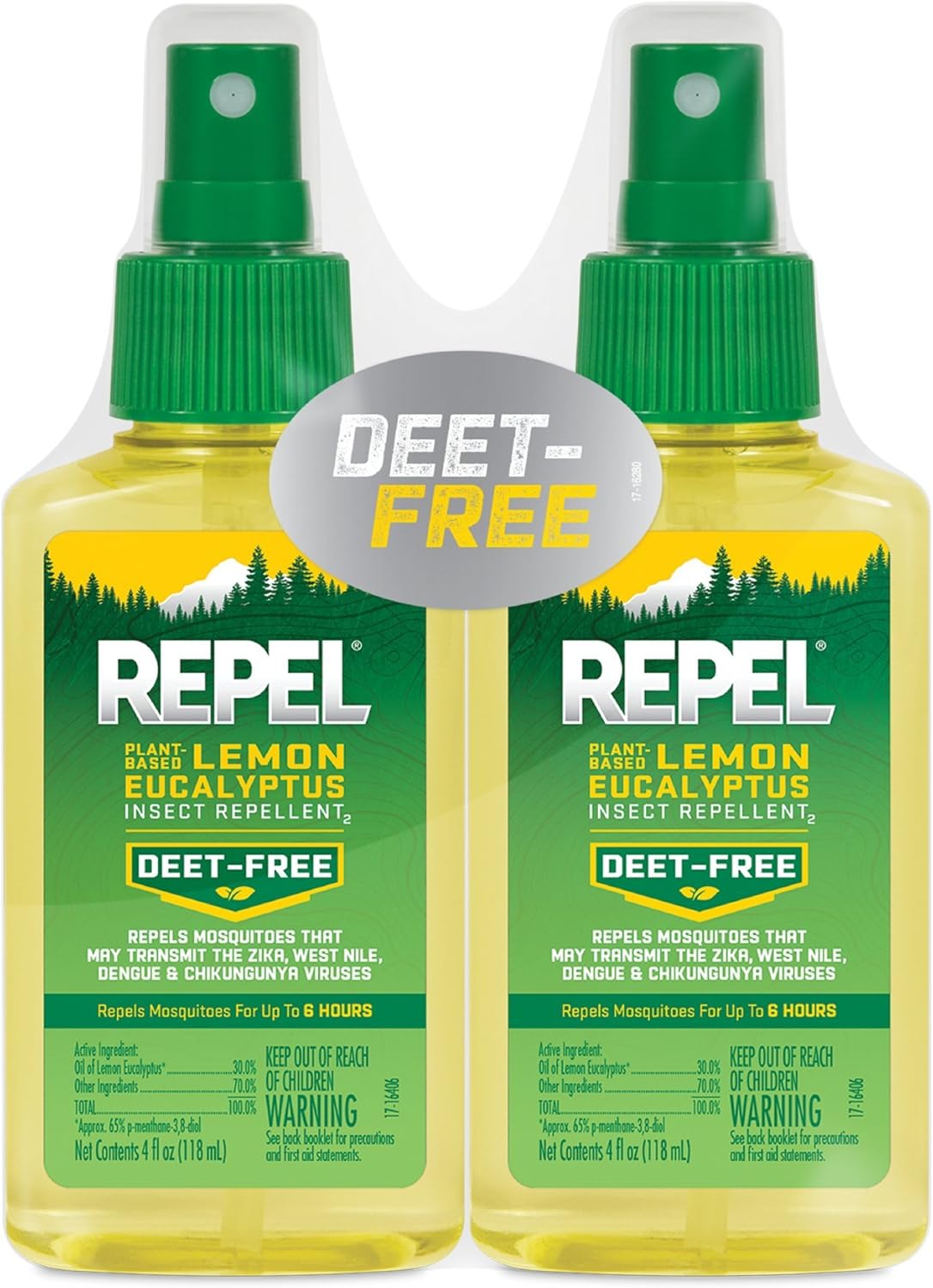

Cliganic
See current price


Sawyer Products
See current price


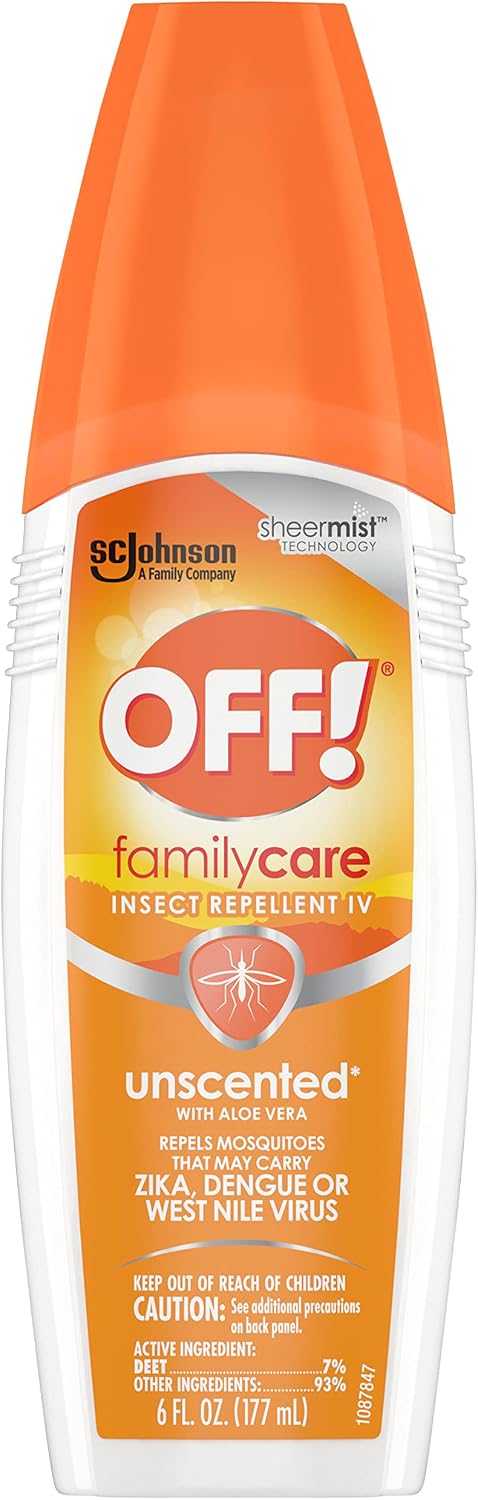


Insect and pest repellents are designed to help discourage mosquitoes, ticks, biting flies, and other unwanted pests. The right choice depends on where it will be used, how long protection needs to last, who will use it, and whether it is applied to skin, clothing, gear, or an area.
K-Catalog brings together options from brands including OFF!, Repel, Avon, Ben's, Sawyer Products, Coleman, Thermacell, Ranger Ready Repellents, Scentpellent, No Natz, BuggyBands, and SC Johnson. Compare the product details carefully rather than choosing by format alone.
Start with the pest and setting. A product for a short walk may have different priorities from one intended for camping, gardening, travel, or extended time near water. Consider whether you need personal protection, clothing treatment, or a device intended to help create a more comfortable area.
Important questions include:
Sprays and aerosols are practical when you want to cover exposed skin, clothing, or equipment according to label directions. They can be useful for outdoor activities, but application should be controlled to avoid the eyes, mouth, and inhalation.
Lotions and wipes can offer a more targeted application. They may suit travelers or anyone who prefers to apply repellent directly in smaller areas, with less overspray than an aerosol.
Wearable products such as bands or clip-on items are convenient for people who prefer not to apply a topical product. Check the stated use and coverage carefully; convenience does not necessarily mean the product protects every exposed area.
Area and device-based repellents are intended for a defined space rather than direct skin application. They may be worth comparing for patios, campsites, outdoor gatherings, or other stationary settings. Check operating requirements, placement guidance, and whether the device is designed for indoor or outdoor use.
The active ingredient is one of the most important details. Common repellent labels identify the ingredient, concentration, target pests, application directions, and protection instructions. Compare these details across products instead of relying only on the product name or packaging format.
Also review:
For hiking, camping, and yard work, prioritize the pests listed on the label, ease of reapplication, and compatibility with clothing or gear. If protection is needed around a stationary outdoor area, compare area devices with topical products and consider ventilation, placement, and operating instructions.
For travel, portability and application control may matter most. A wipe, lotion, or compact spray can be easier to pack than a larger container. For family use, check each product's age guidance individually rather than assuming one product is suitable for everyone.
People with sensitive skin may want to compare formulas, avoid unnecessary contact with the face, and perform only the use recommended by the label. If irritation occurs, stop using the product and follow the label's first-aid guidance.
The catalog includes products from OFF!, BuggyBands, Repel, Avon, Ben's, Sawyer Products, Coleman, Thermacell, Ranger Ready Repellents, Scentpellent, No Natz, and SC Johnson. These brands may offer different formats, active ingredients, and intended-use instructions, so compare the individual product specifications rather than treating a brand name as a substitute for label information.
For related personal-care and health products, browse Health Care, Over-the-Counter Medication, Alternative Medicine, and First Aid.
Choose based on the pest, setting, application surface, users, and preferred format. The label should identify the intended pests and directions.
Not always. Wearable products have their own stated coverage and use instructions. Check whether they are intended to protect exposed skin, clothing, or a defined area.
Only when the product label specifically permits it. Follow directions for fabrics, application distance, drying, and washing.
Use the reapplication guidance on the label. Factors such as activity, sweating, water exposure, and the product formula can affect instructions.
Some products include age-specific directions or restrictions. Read the label before use, and apply products to children only as directed.
Stop using it and follow the product's first-aid instructions. Seek medical advice for persistent, severe, or concerning symptoms.