

Kitchen Safety Products for Baby-Proofing
Explore kitchen safety products for reducing access to cabinets, drawers, appliances, and other household hazards. Compare installation methods, compatibility, and everyday usability before choosing.
87 products in catalog
87 results
Filters


Jool Baby Products
Door Knob Covers - 4 Pack - Child Safety Cover - Child Proof Doors - Jool Baby
See current price

Jool Baby Products
Clear Stove Knob Covers (5 Pack) Child Safety Guards, Durable Design - Baby Proof - Jool Baby
See current price


Safety 1st
Safety 1st Parent Grip Door Knob Covers, White, One Size,4 Count (Pack of 1) (HS3260600)
See current price


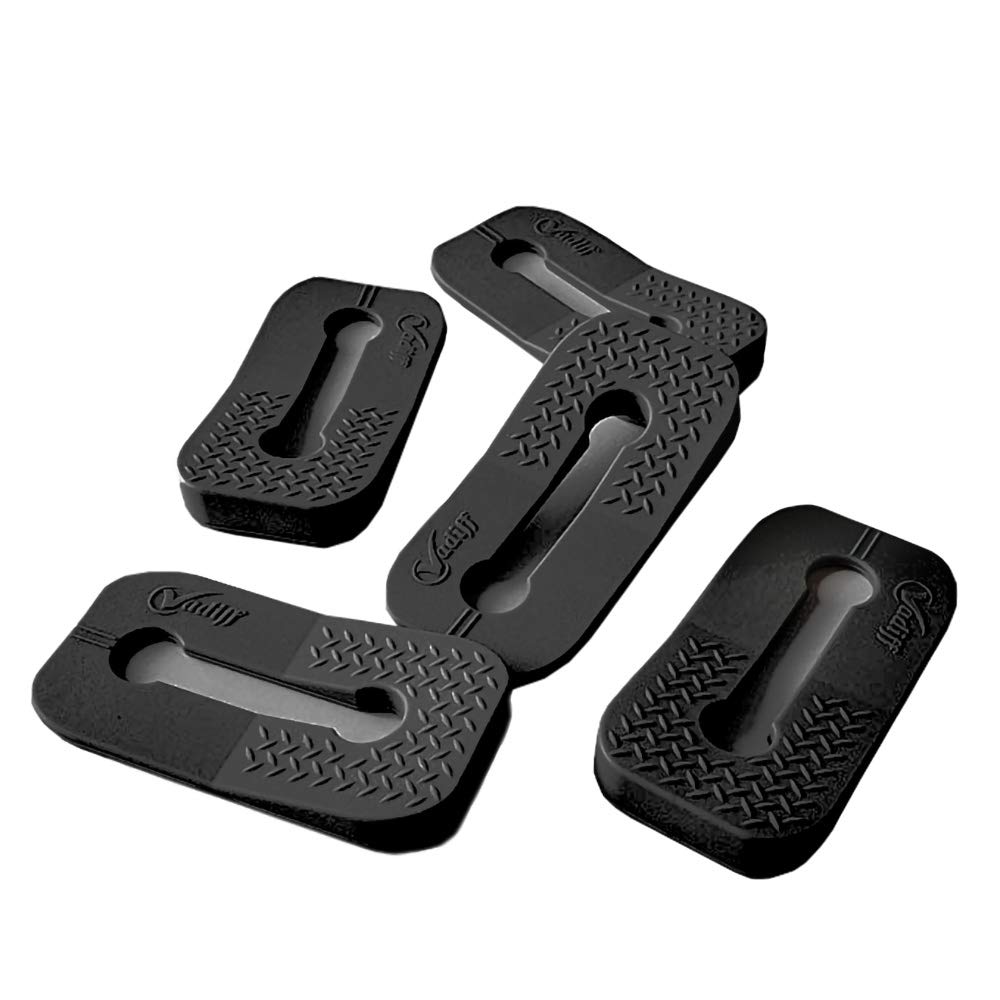
Vadiff
Vadiff Silicone Gas Stove Child Safety Knob Locks | Stove Knob Cover (5 Pk) (Black)
See current price


Safety 1st
Safety 1st Multi-Purpose Appliance Lock Decor, 2-Count (Packaging May Vary)
See current price


Stove Stoppaz
Stove Knob Locks (5 Pack), Stove Stoppaz Child Safety Guards, Durable Design - Baby and Pets Proof (Dark Black)
See current price

Popular brands in Kitchen Safety
A kitchen combines curious children, sharp tools, hot surfaces, cleaning supplies, and frequently used drawers and cabinets. The right baby-proofing products can help create safer boundaries while keeping essential kitchen areas practical for adults.
K-Catalog helps shoppers compare kitchen safety options by their specifications and features. Check each product’s intended use, installation method, material, and compatibility with your kitchen before clicking through to learn more.
How to choose kitchen safety products
Start by identifying the specific access problem rather than trying to secure every surface in the same way. A low cabinet may need a different solution from a high drawer, refrigerator, oven, or freestanding appliance.
Consider these questions:
- What needs protection? Decide whether the main concern is cabinets, drawers, appliance controls, doors, or access to a particular area.
- How is the product installed? Compare adhesive, screw-mounted, magnetic, strap-based, and other installation styles according to the surface and your preference.
- Will it fit the furniture? Check dimensions, door thickness, handle placement, corner clearance, and whether the product is designed for framed or frameless cabinets.
- Can adults use it easily? A safety product should create a useful barrier without making routine kitchen tasks unnecessarily difficult.
- Is the material suitable? Look for materials and finishes appropriate for a busy kitchen, especially where moisture, heat, grease, or frequent cleaning may be present.
Common kitchen hazards to address
Kitchen safety products are generally used to limit a child’s access to storage and equipment. Cabinet and drawer latches can help restrict access to knives, cleaning products, cookware, medicines, and other unsuitable items. Appliance locks or guards may help reduce access to controls or doors, but the exact use depends on the product’s design and the appliance involved.
Do not rely on a single product to address every risk. Hot cookware, sharp objects, electrical cords, and liquids may require a combination of secure storage, adult supervision, and changes to the kitchen layout. Products designed for one hazard should not automatically be assumed to protect against another.
For broader childproofing, explore Guards & Locks and Gates & Gate Extensions when the goal is to limit access to a room or create a larger barrier around a restricted area.
Features and specifications to compare
Small differences in construction can affect whether a safety product works well in a particular kitchen. Review the product information carefully for:
- Mounting requirements: Determine whether drilling, adhesive, alignment, or special tools are needed.
- Release mechanism: Some products use a hidden, magnetic, press-and-release, sliding, or adult-operated mechanism. Choose one that matches how you use the kitchen.
- Visibility and placement: A discreet design may suit visible cabinetry, while a clearly positioned lock may be easier to check during everyday use.
- Strength and durability: Consider the construction, attachment points, and whether the product is intended for repeated opening and closing.
- Cleaning needs: Kitchen surfaces collect spills and residue, so check whether the product’s materials and shape are practical to wipe clean.
- Removal and repositioning: If you rent, rearrange storage, or expect to change your baby-proofing setup, look at how the product is removed and whether installation may leave marks.
Follow the manufacturer’s installation instructions and allow adhesives to cure for the specified time when applicable. Test the completed installation before allowing a child near the secured area, and inspect it periodically for loosening or damage.
Brands represented in the catalog
The Kitchen Safety catalog includes products from Safety 1st, EUDEMON, Driddle, UnaBaby, GRENFU, Clevamama, Dreambaby, Prince Lionheart, Door Buddy, QT BABY, Jool Baby Products, and Heart of Tafiti. These brands are represented across the catalog, giving shoppers different designs and installation approaches to compare rather than a single standard solution.
Brand familiarity is only one consideration. The product’s measurements, mounting method, intended application, and compatibility with your cabinets or appliances should guide the final choice.
Build a wider home-safety plan
Kitchen protection works best as part of a room-by-room approach. If a child can move freely between rooms, a doorway barrier may be more useful than securing every item individually. For furniture hazards elsewhere in the home, compare Edge & Corner Guards. For other household areas, Bathroom Safety covers a separate set of moisture, water, and fixture-related concerns.
A monitor can support awareness but does not replace direct supervision or physical safety measures. See Monitors when comparing monitoring products, and keep dangerous items secured in locations that remain inaccessible even when an adult is briefly distracted.
Frequently asked questions
What should be secured first in a kitchen?
Prioritize areas containing sharp objects, cleaning supplies, medicines, small choking hazards, or access to hot appliances. Also consider drawers and cabinets that a child frequently approaches.
Are adhesive kitchen locks suitable for every cabinet?
No. Suitability depends on the surface, finish, door construction, alignment, and the product’s mounting requirements. Check the specifications and installation instructions before choosing.
Should kitchen appliances also be secured?
Some appliances may need additional protection, especially if a child can reach controls, doors, cords, or hot surfaces. Use a product specifically intended for the appliance or hazard and follow its instructions.
Can kitchen safety products replace supervision?
No. They are tools for reducing access to hazards, not substitutes for active supervision, safe storage, and sensible kitchen habits.
How can shoppers check whether a product will fit?
Measure the cabinet or appliance area and compare those measurements with the listed product dimensions, clearance requirements, mounting position, and compatible surfaces.